Readers may have noticed a certain pattern over the last couple of Criterion Corner instalments, including the recent not-quite-Criterion Corner post: Japanese ghosts and ghouls in search of revenge and out for ears, farting Japanese pre-teens on a silence strike courtesy of Yasujiro Ozu, the precariousness of the relationship between human beings and nature in a Japanese mountain village. Obviously the main reason for me watching and writing about these was that they’re all good, interesting films – but there was another reason too: we’d been planning to visit Japan for a while, and that visit finally happened over the last few weeks, so in addition to rigorous training at the Duolingo dojo (I can now say that Ken is cool and Naomi is cute in Japanese!), we’ve also been going through some of the Japanese films on my DVD and Blu-ray shelf, including a number of Criterion releases, though barely scratching the surface, and ordering a few additional movies in the process. I.e. while this post is dedicated to a few Japanese films (each treated in shorter format than is usually the case with my Criterion Corner posts), it is likely that a few of the future posts in this series will also be Japan-bound, though probably not all of them in sequence. Already as it is, my Letterboxd account is likely to tell me at the end of the year that a remarkably large percentage of the films I’ll have watched in 2025 will have been Japanese.
So, without much further ado:
Cure (#1155)
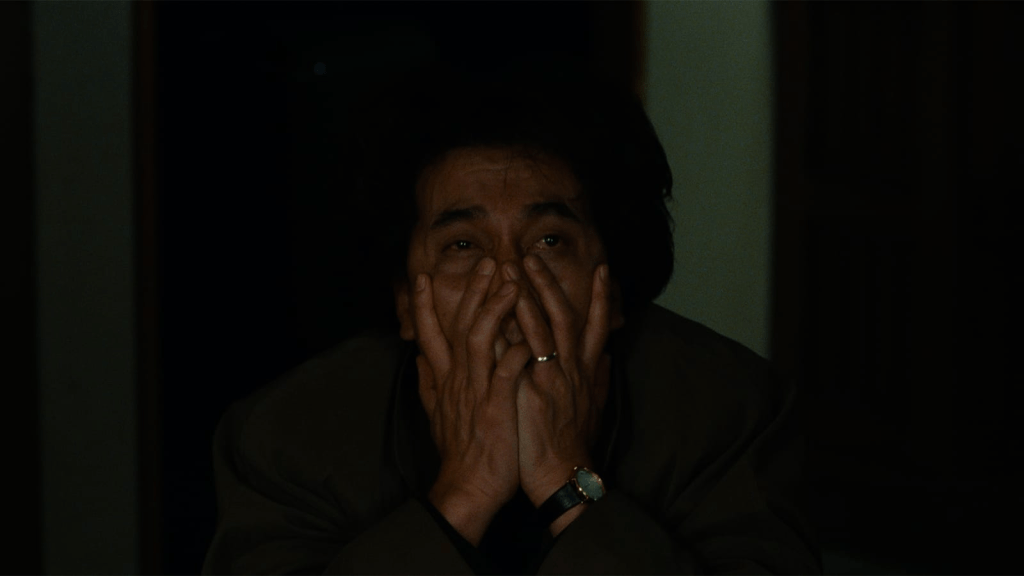
Verdict: While the first film by Kiyoshi Kurosawa (not related to that Kurosawa) that I saw was Tokyo Sonata, a drama about a salaryman who loses his job but keeps this secret from his family, much of his work, in particular the more famous films of his, leans towards the more macabre. Cure (1997) is one of these films, but describing it as horror may raise the wrong expectations: Cure is not designed to scare its audience in any conventional sense. Its story about a bizarre series of murders, their perpetrators and victims unrelated yet their methods practically identical, and about a young man with memory loss who pops up before each of these murders, is too sedate for that – but its horrors are more subliminal, in keeping with the story’s themes. This is murder as meme, at a time before the internet had given everyone the idea that memes are basically just jokes repeated and varied ad infinitum. Kurosawa’s eminently talented at crafting unsettling scenes and scenarios, evoking an intensifying sense of dread. Cure may not make you jump from your seat, but it stayed with me longer than most out-and-out horror films I’ve watched. Perhaps this is horror for people who don’t like horror (though the murders, even if not dwelled on in graphic detail, are horrific), but it is frightening.
Tampopo (#868)
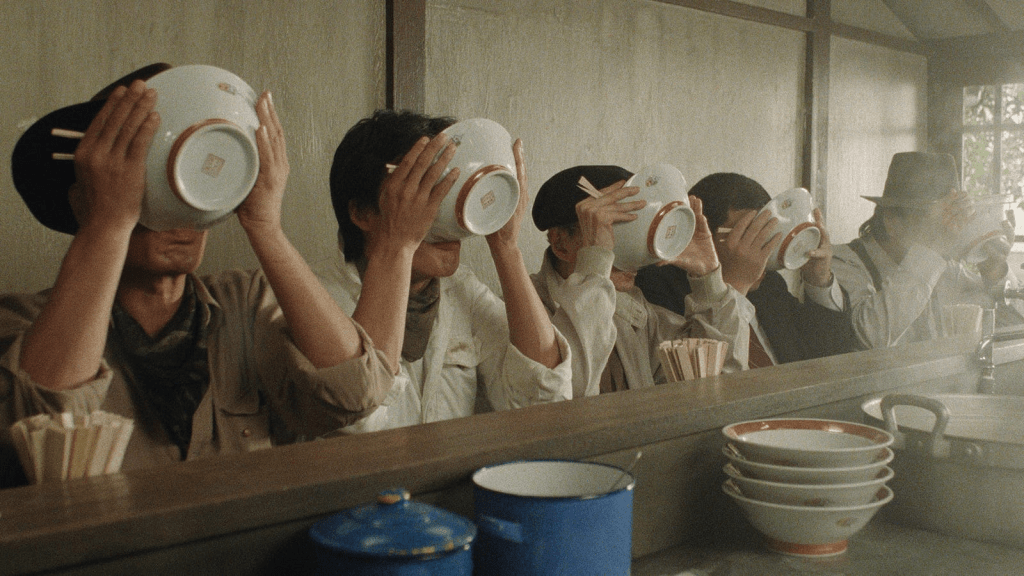
Verdict: Just what is Tampopo (1985)? This film, directed by Juzo Itami, is a goofy episodic comedy, a neo-western about a widow with a ramen shop and the truck drivers who ride into town and decide to help her and her son, a satire on modern Japan, a love song to making food for others and making it well, a remarkably horny take on the erotic potential of food. (You’ll never look at crayfish the same way after watching Tampopo.) The film uses its diverse genres much in the same way that budding ramen chef Tampopo (Nobuko Miyamoto) comes to utilise the various ingredients – broth, noodles, meat – to make the perfect ramen. Interspersed in the main story, we get one-off scenes with characters we haven’t seen before and won’t see again, about how to eat ramen, or senior Japanese businessmen at a fancy French restaurant being upstaged by their subordinate who clearly knows his French food much better than they do, or a man who gets a rotten tooth extracted, or a dying housewife who is brought back from the brink, albeit temporarily, so she can cook her family another meal. Not all of the sequences land equally, and I suspect that some of the satire went over my head due to its cultural specificities – but Tampopo is a rich, generous, eminently entertaining film, from its meta riff on movie theatre etiquette (which food figures into, obviously) to its strangely fitting final image. Also: watch out for a young Ken Watanabe, before he became the Japanese actor seen most often in US movies after the turn of the century (and before being succeeded in this by Hiroyuki Sanada).
Ikiru (#221)
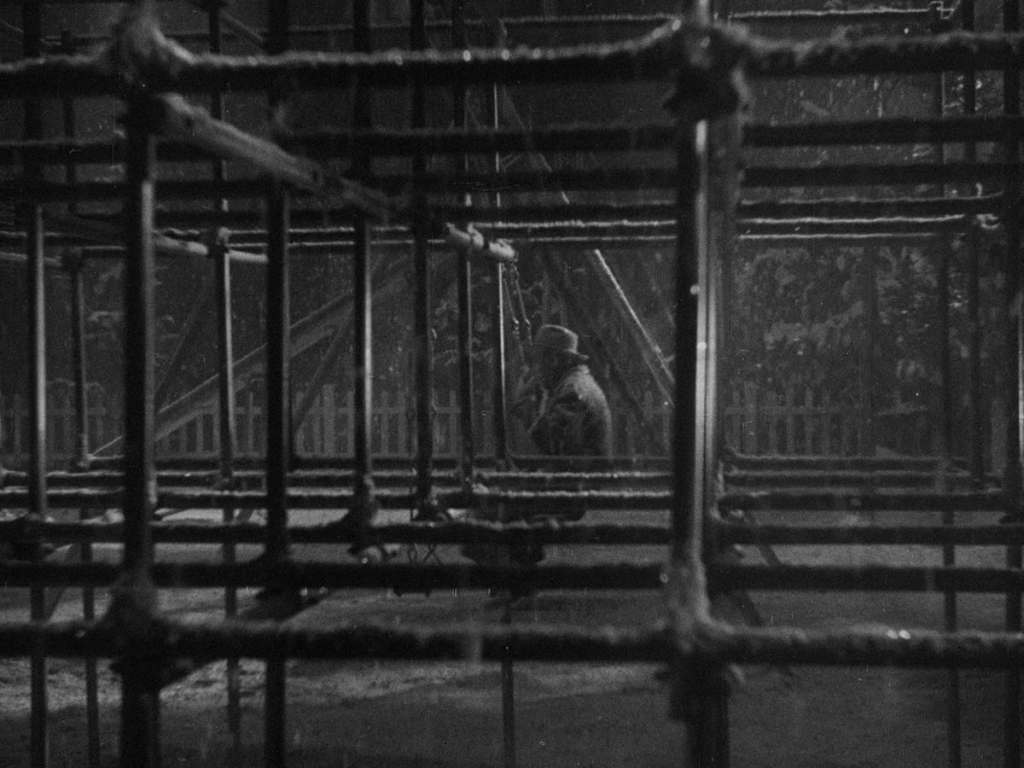
Verdict: What is there to say about Ikiru (1952), “one of the greatest achievements by Akira Kurosawa” (as Criterion rightly writes), that hasn’t already been said? It is easy perhaps to remember this film as more sentimental than it is, in particular that iconic image that has Takashi Shimura’s dying bureaucrat Kanji Watanabe sitting on a playground swing in the falling snow. Rewatching the film, though, I was reminded how much richer Ikiru is than my incomplete memory suggested. Not only is there much more of a satirical edge to the film, firmly taking aim at a system where everyone covers their own asses and no one takes any responsibility, Kurosawa also doesn’t turn his Watanabe into a saint: there is an neediness in his actions, especially towards the young woman whose companionship he seeks, that is wholly understandable but nonetheless more than a little icky. There is a Capraesque vein to Ikiru, but much more than that, the film captures the desperate fear of a man who comes to feel that he has wasted his life and he may not have the time to remedy this in a meaningful way. Ikiru is moving, but it is not moving in a facile way: it makes its audience face up to these hard questions, and it urges us to watch out for the many ways in which life wears us down until we’re little more than a ghost. And it does so with the impeccable artistry of Kurosawa and his collaborators.
 A Damn Fine Cup of Culture