One Best Picture After Another #15: Mrs. Miniver (1942)

Welcome to One Best Picture After Another – where I attempt to watch all the winners of the Academy Award for Best Picture, starting at the very beginning. And attempt to answer two simple questions – is the film still actually any good? And why did it win?
7/10

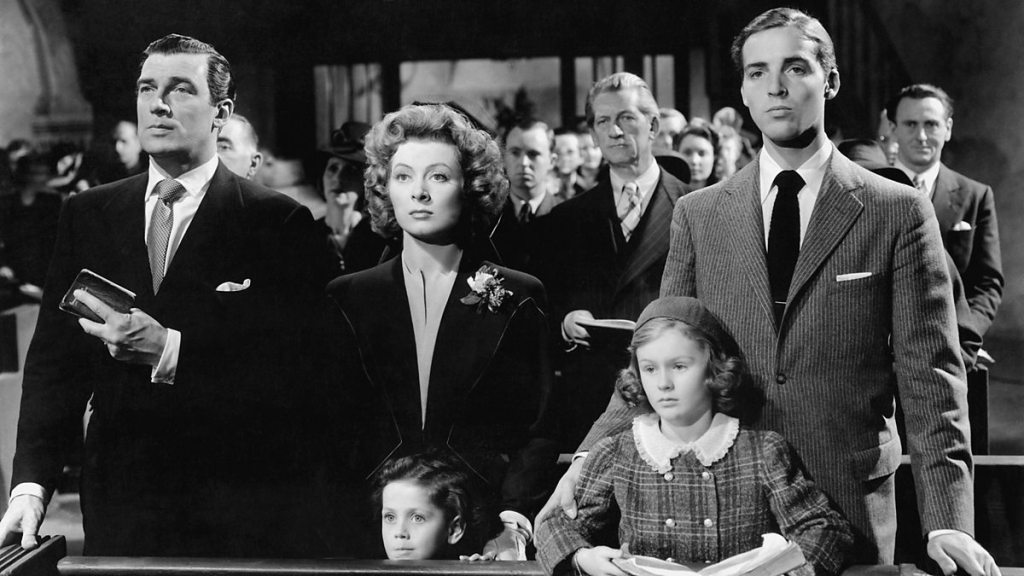
When I was first thinking about embarking on One Best Picture After Another, I had a look at all the films that had won Best Picture. It’s an odd collection: you have your bone fide classics, your populist barnstormers, also there’s quite good films that probably didn’t deserve the prize, the absolutely WTF, what were they thinking?! winners – and then a final category: the What? winners. Films I didn’t recognise, had never seen and hadn’t even heard of. The likes of Cavalcade, The Life Of Emile Zola and Cimarron.

And Mrs Miniver.

Continue reading →
Six Damn Fine Degrees #309: The Day The Alien Universe Changed

Welcome to Six Damn Fine Degrees. These instalments will be inspired by the idea of six degrees of separation in the loosest sense. The only rule: it connects – in some way – to the previous instalment. So come join us on our weekly foray into interconnectedness!

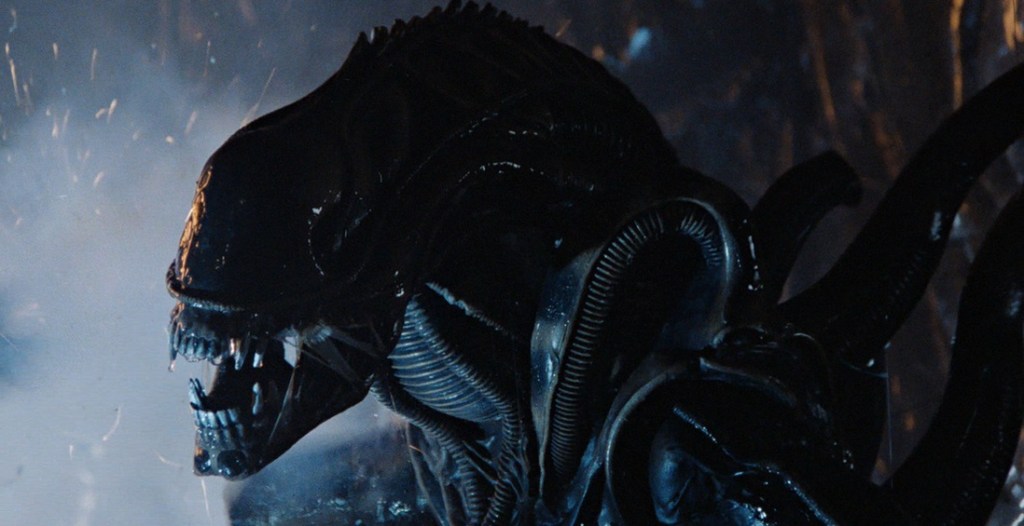
Alien is one of my favourite films ever. Every aspect of the production seems to come together in a perfectly judged piece of engrossing world creation – while also evoking a uniquely unsettling atmosphere. The cast is also wonderful: many films have tried to imitate this roughneck spaceship crew, but not one has ever got close. And finally, and obviously, there’s the alien herself – a masterpiece of chilling design. Here is a threat from outer space unlike any other.

Continue reading →

One Best Picture After Another #14: How Green Was My Valley (1941)

Welcome to One Best Picture After Another – where I attempt to watch all the winners of the Academy Award for Best Picture, starting at the very beginning. And attempt to answer two simple questions – is the film still actually any good? And why did it win?

6/10

One thing I am aiming to do with One Best Picture After Another is to try and review these films without dwelling on the other contenders that year, or to make the inevitable comparisons to films that lost that year that are now seen as superior. This seems especially relevant for How Green Was My Valley, a film that probably most gets mentioned these days – if it gets mentioned at all – as the film that beat Citizen Kane to the Best Picture Oscar. How can any film stand up against that perennial critics’ favourite?

Continue reading →

One Best Picture After Another #13: Rebecca (1940)

Welcome to One Best Picture After Another – where I attempt to watch all the winners of the Academy Award for Best Picture, starting at the very beginning. And attempt to answer two simple questions – is the film still actually any good? And why did it win?

8/10

Any list of Best Picture winners is often defined by the list of absences. You can look through a list of all the great films from the likes of Stanley Kubrick, Ernst Lubitsch, Fritz Lang and Howard Hawks: not one of them ended the night of the Oscar ceremony with the top prize.

Bizarrely, though, Alfred Hitchcock does have a picture on that list. Because of Rebecca. Or perhaps he should still be on the list, as the producer re-edited and reworked parts of the film after Hitchcock had delivered his final cut. Hitchcock was to subsequently disown the film, and so its status as his only Best Picture win feels like it needs a large David O. Selznick-shaped caveat.

Continue reading →

Six Damn Fine Degrees #304: Erm… Misremembered Movies

Welcome to Six Damn Fine Degrees. These instalments will be inspired by the idea of six degrees of separation in the loosest sense. The only rule: it connects – in some way – to the previous instalment. So come join us on our weekly foray into interconnectedness!

Back in the mid-’90s I was living in a shared house, and one evening we decided to rent the Tony Scott movie True Romance. We enjoyed its mix of action, violence and Tarantino dialogue – all of which seemed to match the popular zeitgeist of the time. Then we got to the ending, when one of my housemates suddenly got incredibly animated.

“That’s NOT how it ends!”

We turned, slightly perplexed. I mean, we had just watched the thing. We had all seen the same ending, with the two leads driving into the sunset.

Continue reading →

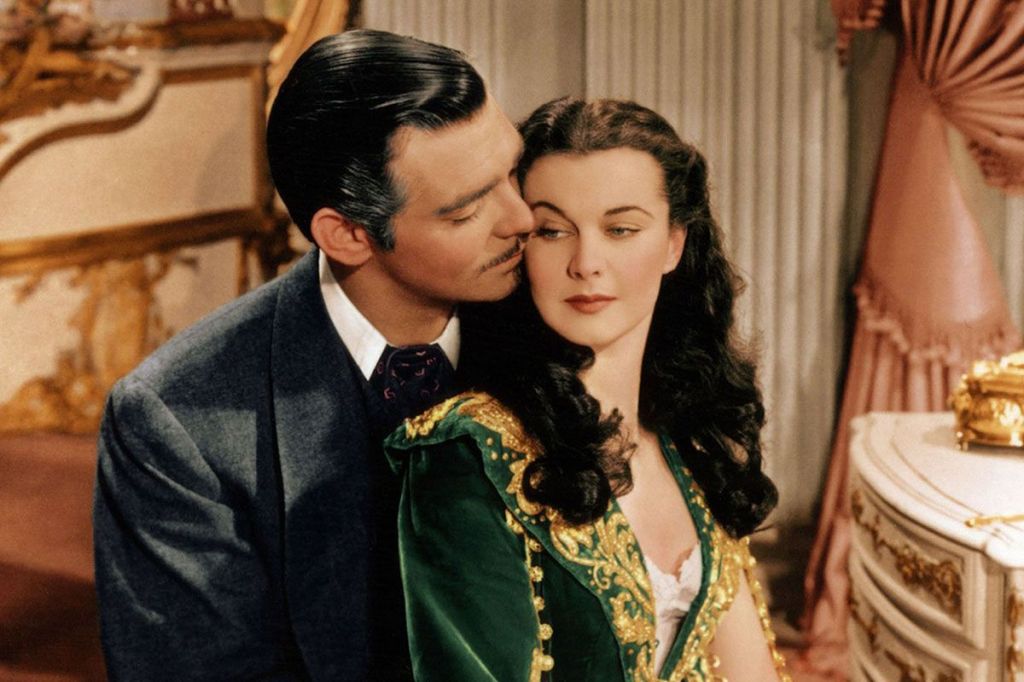
One Best Picture After Another #12: Gone With The Wind (1939)

Welcome to One Best Picture After Another – where I attempt to watch all the winners of the Academy Award for Best Picture, starting at the very beginning. And attempt to answer two simple questions – is the film still actually any good? And why did it win?

7/10

It speaks volumes about the vast cultural impact of Gone With The Wind that, when I was a kid, it still enjoyed some status as a reference point. We recognised the line “Frankly, my dear, I don’t give a damn”, even if we didn’t really know where it came from. This was over forty years after its release and yet it still had a popular legacy.

Despite all this, I did not actually see the film for quite a long time. Even when I got older and got into watching classic films, I never quite felt the pull to make me want to get the VHS, or later the DVD, of this film. It took until the 21st century, and a screening at London’s prestigious British Film Institute cinema for me to finally resolve to see it.

Continue reading →

One Best Picture After Another #11: You Can’t Take It With You (1938)

Welcome to One Best Picture After Another – where I attempt to watch all the winners of the Academy Award for Best Picture, starting at the very beginning. And attempt to answer two simple questions – is the film still actually any good? And why did it win?

6/10

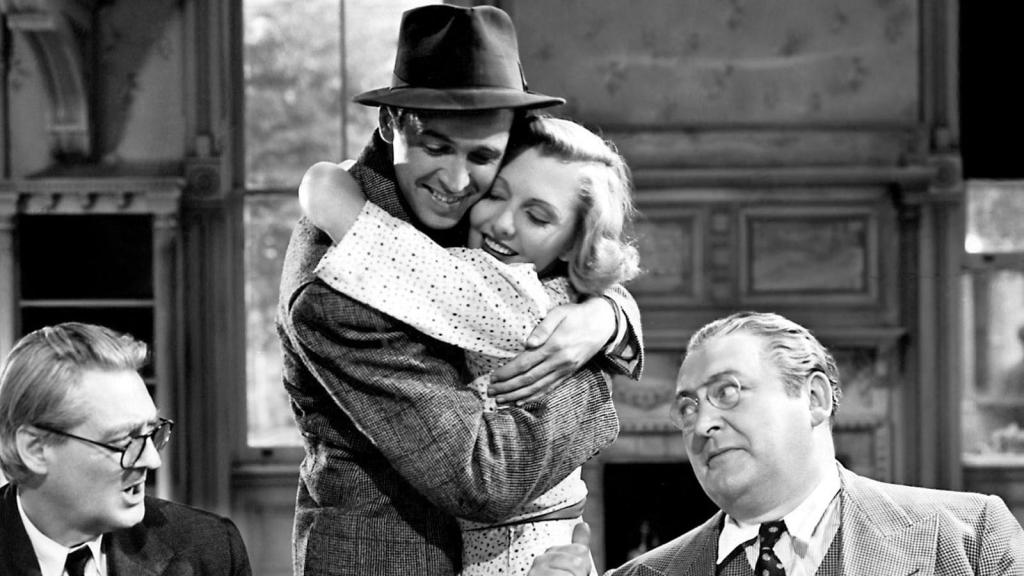
There’s a term that’s sometimes used to refer to the works of Frank Capra that I dislike. It’s “Capra Corn”. It feels too much like a sneer at the director who genuinely tried to make popular cinema, and embraced storytelling that would be emotionally engaging to the widest possible audience. I always want to push back against it, to celebrate an innovative director and his earnest attempts to make intelligent, heart-warming cinema.

But, bloody hell, he sometimes makes that difficult.

Continue reading →

Six Damn Fine Degrees #301: The Nightmare Fuel of “Sapphire And Steel”

Welcome to Six Damn Fine Degrees. These instalments will be inspired by the idea of six degrees of separation in the loosest sense. The only rule: it connects – in some way – to the previous instalment. So come join us on our weekly foray into interconnectedness!

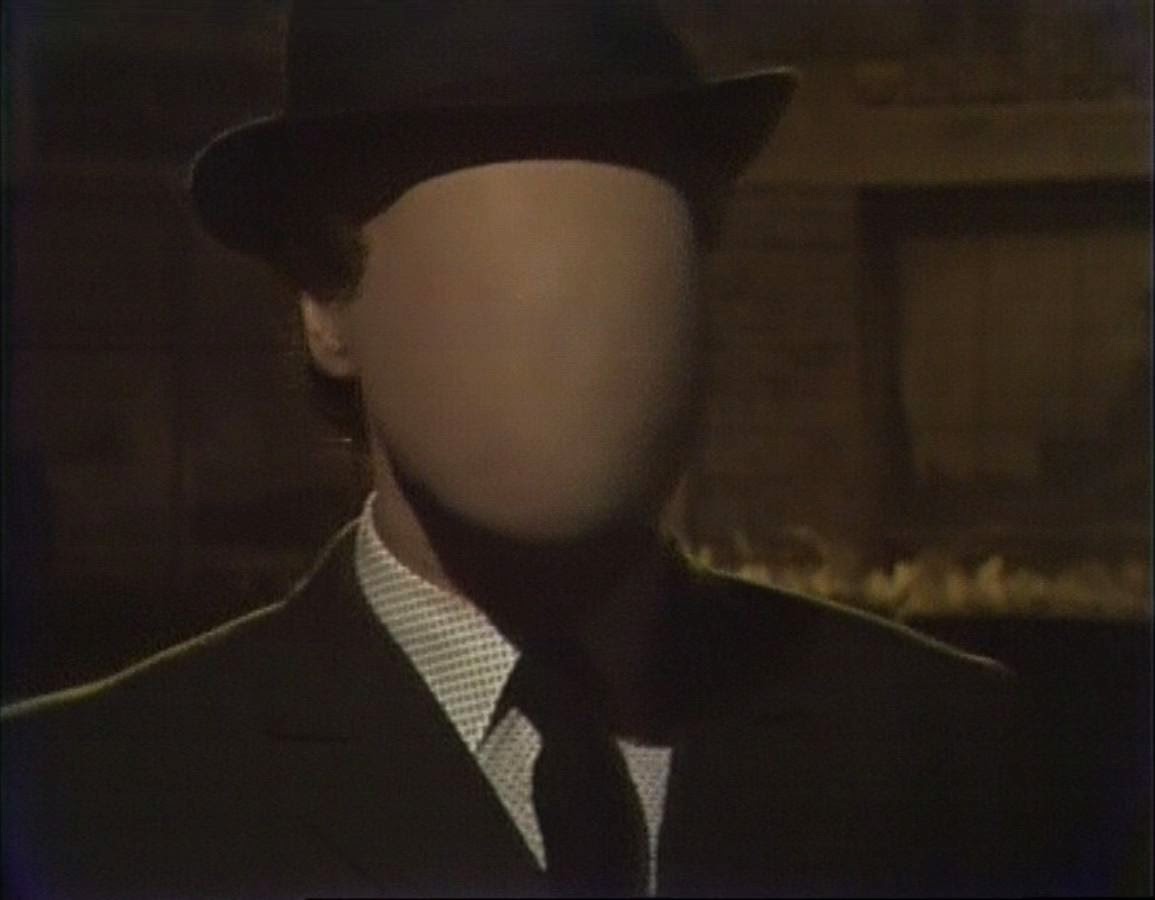
I can vividly recall a number of recurring dreams I had as a child that terrified me. One involved a burning photo, with the person in the image seemingly aware they were on fire. Another involved discovering that people, when hugged, would crumble into nothing. But worst of all would be to be unsettled by a man with his back to me. Only for him to turn around and reveal that he did not have a face.

Continue reading →

One Best Picture After Another #10: The Life Of Emile Zola (1937)

Welcome to One Best Picture After Another – where I attempt to watch all the winners of the Academy Award for Best Picture, starting at the very beginning. And attempt to answer two simple questions – is the film still actually any good? And why did it win?

6/10

A surprising number of Best Picture winning films can be described as “Truly Forgotten”. For all their success at the time, they have left no cultural trace. They don’t get shown again in retro cinemas, nor do they get fancy extras-laden 4K Criterion releases.

Continue reading →

One Best Picture After Another #9: The Great Ziegfeld (1936)

Welcome to One Best Picture After Another – where I attempt to watch all the winners of the Academy Award for Best Picture, starting at the very beginning. And attempt to answer two simple questions – is the film still actually any good? And why did it win?

6/10

When I first looked through the complete list of films that I’d be watching for this exercise, one of the titles that stood out was The Great Ziegfeld. There was one reason for this – William Powell. He plays the lead in this film and I’m a huge fan of his. Yet despite being someone who long ago fell for the man’s charms, I’d never watched this particular film. Mainly because, unlike the likes of My Man Godfrey, How To Marry A Millionaire and especially The Thin Man, it’s not a film of his that gets remembered and rescreened alongside those classics. Even among dedicated Powell-istas (Powell-ites? Powell-ians?) its reputation is that of a bit of a dud.

Continue reading →