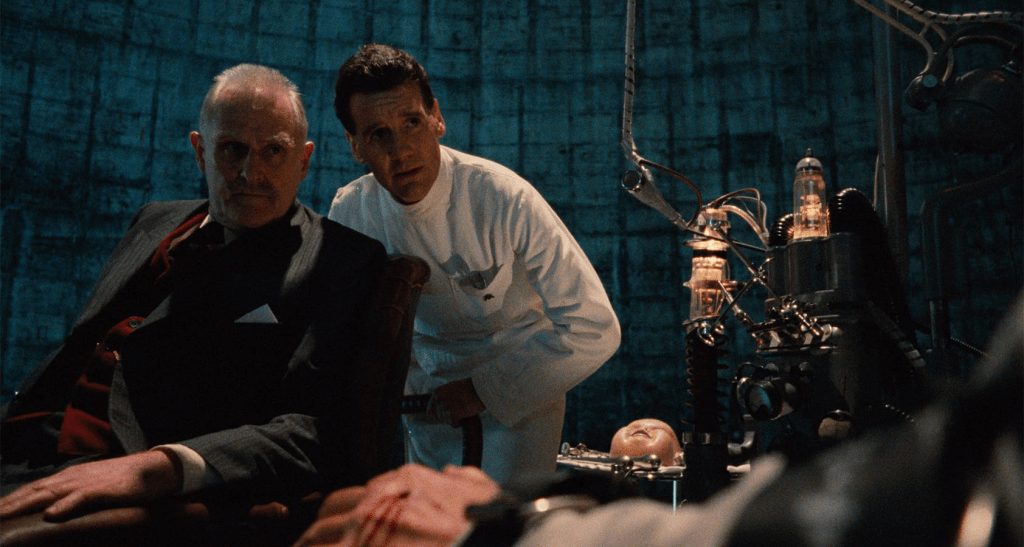
Here’s how you make a Brazil: You start with George Orwell’s Nineteen Eighty-Four, the iconic dystopian novel about totalitarianism and mass surveillance. You mix this with the monumental aesthetics of Fritz Lang’s Metropolis. Blend in some Franz Kafka, ideally The Trial. For flavouring, add a healthy dollop of Monty Python’s Flying Circus and a pinch or two of Federico Fellini and Jacques Tati, and finally sprinkle the resulting mess generously with bureaucracy. As the waiter might say: Monsieur, Mesdames: Bon appétit!
There was a point in my mid-40s where I realised: I have so many games purchased on Steam, I will not live to play all of them, at least not unless I start going through them one by one… and not unless I stop buying a single additional game.
And, looking at my collection of films on physical media? The same may be true. I have a bit more of a fighting chance: my library of games on Steam is in part so large because once a game I’m even just mildly interested in is on sale for US$10 or less, I tend to buy it. Films still cost more, especially those highly addictive Criterion releases I can’t seem to do without. Still: I buy films at a higher rate than I watch the films I’ve bought. The same is definitely true for books.
And, frankly: when I realised the extent to which my backlog would survive me? I felt an unsettling sense of vertigo. (And, embarrassingly, I briefly hoped that by the time I’m old, there’d be a way to upload my consciousness into the cloud, where I would then spend eternity working off my backlog.)
Most people, when asked to think about spy movies, will think of James Bond, of Sean Connery or Roger Moore or Daniel Craig. They’ll think of shootouts and stealth and suave secret agents bedding exotic beauties.
The novels of John Le Carré, inspired and informed by Le Carré’s own work for both MI5 and MI6 in the mid-20th century, are as far from James Bond as one could imagine – though it is just about possible to bend them into something more Bond-like in the name of entertainment, as happened for instance with the TV adaptation of The Night Manager that was released in 2015. As written, Le Carré’s stories are often less thrillers, though they can be thrilling, than tragedies, infused with existentialism, paranoia and a Kafkaesque sense of inevitability. And these are rarely as much in evidence as they are in Martin Ritt’s 1965 adaptation of The Spy Who Came In from the Cold.
Readers may have noticed a certain pattern over the last couple of Criterion Corner instalments, including the recent not-quite-Criterion Corner post: Japanese ghosts and ghouls in search of revenge and out for ears, farting Japanese pre-teens on a silence strike courtesy of Yasujiro Ozu, the precariousness of the relationship between human beings and nature in a Japanese mountain village. Obviously the main reason for me watching and writing about these was that they’re all good, interesting films – but there was another reason too: we’d been planning to visit Japan for a while, and that visit finally happened over the last few weeks, so in addition to rigorous training at the Duolingo dojo (I can now say that Ken is cool and Naomi is cute in Japanese!), we’ve also been going through some of the Japanese films on my DVD and Blu-ray shelf, including a number of Criterion releases, though barely scratching the surface, and ordering a few additional movies in the process. I.e. while this post is dedicated to a few Japanese films (each treated in shorter format than is usually the case with my Criterion Corner posts), it is likely that a few of the future posts in this series will also be Japan-bound, though probably not all of them in sequence. Already as it is, my Letterboxd account is likely to tell me at the end of the year that a remarkably large percentage of the films I’ll have watched in 2025 will have been Japanese.
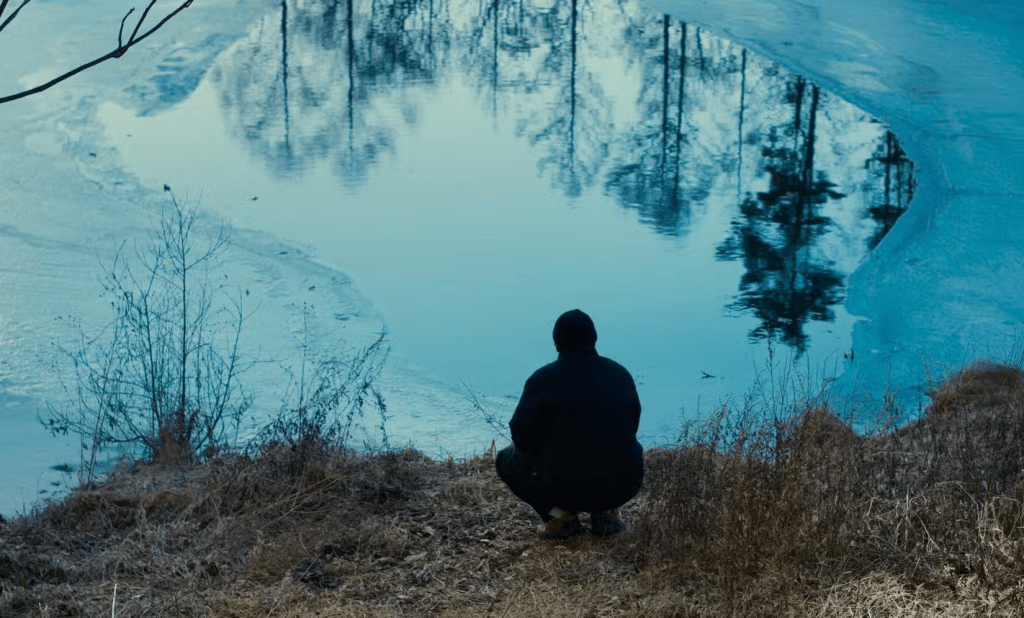
It would be futile to assign a genre to Evil Does Not Exist, beyond the most generic catch-all there is. Yes, the film is a drama, but what does that mean? To be honest, the more I think about Ryusuke Hamaguchi’s follow-up to the award-winning Drive My Car (2021), the less I can shake the impression that it is a horror film.
Do you remember a time when you were a child, and there was something you really, really wanted? So much so that nothing else mattered? How far did you go to get it?
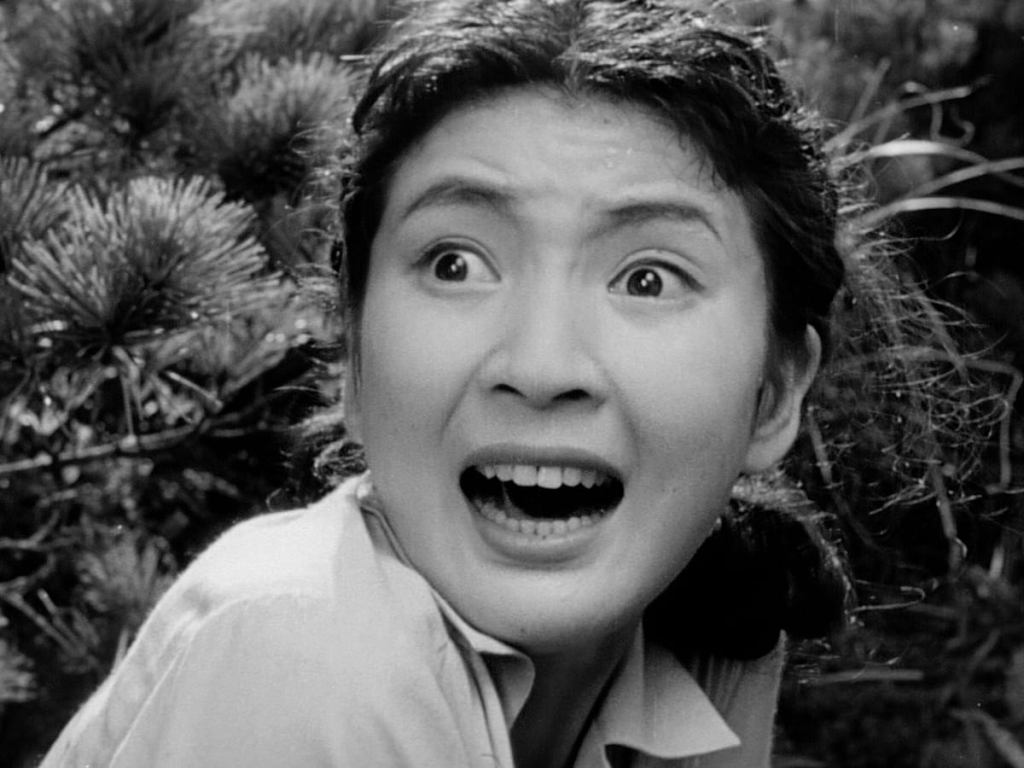
Ghosts, demons, spirits: who doesn’t like them and the ways they make life more interesting? Kwaidan is full of them, in various shapes: supernaturally-propelled hair taking revenge on a bad husband, an ice spirit taking on human shape and marrying a human woodcutter until he breaks a promise, nobility and soldiers killed in a long-ago war employing a blind monk for his storytelling skills, and ghostly visitors taking umbrage at being drunk by a samurai when they appear to him in a cup of tea.
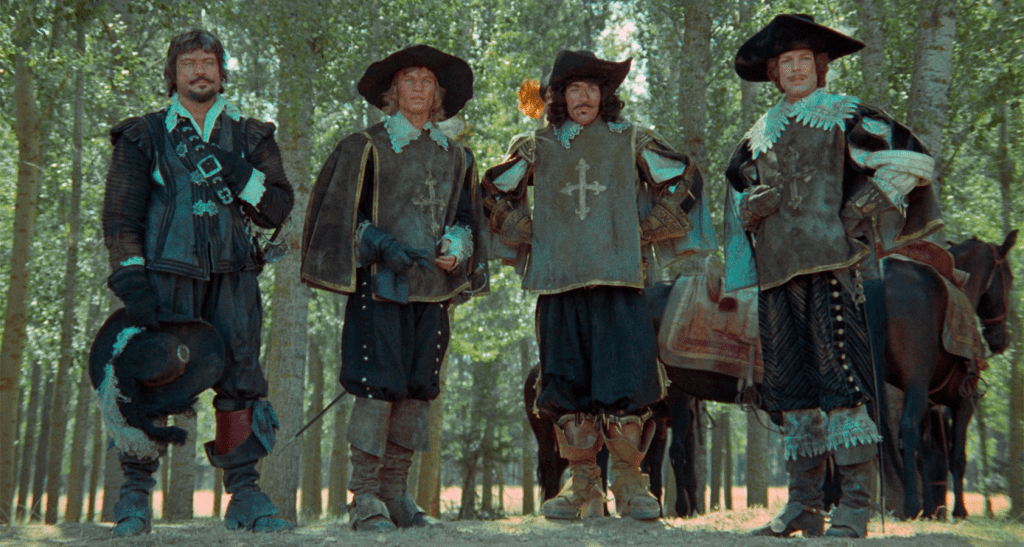
Every now and then I’m amazed at how pop culture doesn’t actually require you to have seen, read, heard or played something for you to have, or at least think you have, a fairly clear idea what it is. I’m sure I’ve seen snippets of versions of Alexandre Dumas’ Musketeers stories, but I don’t think I’d seen an entire Musketeers film – let alone watched a series or read any of the original novels – until a few weeks ago. (Not even Douglas Fairbanks’ silent-era original.) Nonetheless, I had quite a concrete image in my head: four friends in dashing 17th century outfits, wielding swords (but not muskets – go figure) and getting into swashbuckling adventures, rescuing damsels and foiling the wicked plans of scheming authority figures.
What I didn’t expect: that the three Musketeers (feat. D’Artagnan) would basically turn out to be The Beatles from A Hard Day’s Night… in dashing 17th century outfits, wielding swords (but not muskets – go figure) and getting into swashbuckling adventures, rescuing damsels and foiling the wicked plans of scheming authority figures.
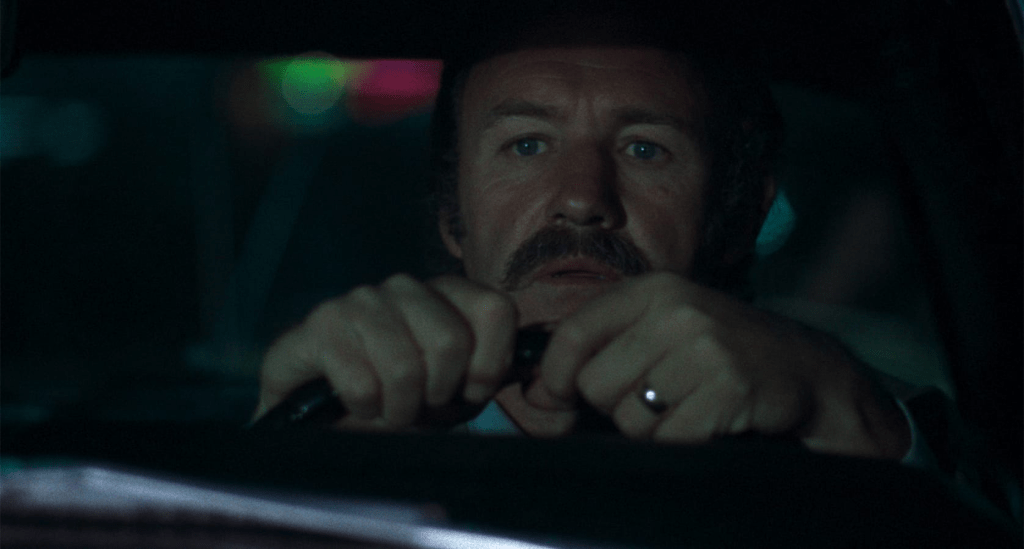
When you think of Gene Hackman and neo-noir, what comes to mind? For most people – including me -, the answer is simple: The Conversation. And obviously there’s absolutely nothing wrong with that choice: Francis Ford Coppola’s 1974 film is unarguably one of the best, most iconic paranoia thrillers of the 1970s and a great showcase of Hackman’s talents. But sometimes a film’s reputation can be so enormous, it eclipses other films that are also deserving of recognition.
Arguably, Night Moves (1975) is one of those films.




 A Damn Fine Cup of Culture