Criterion Corner: Army of Shadows (#385)

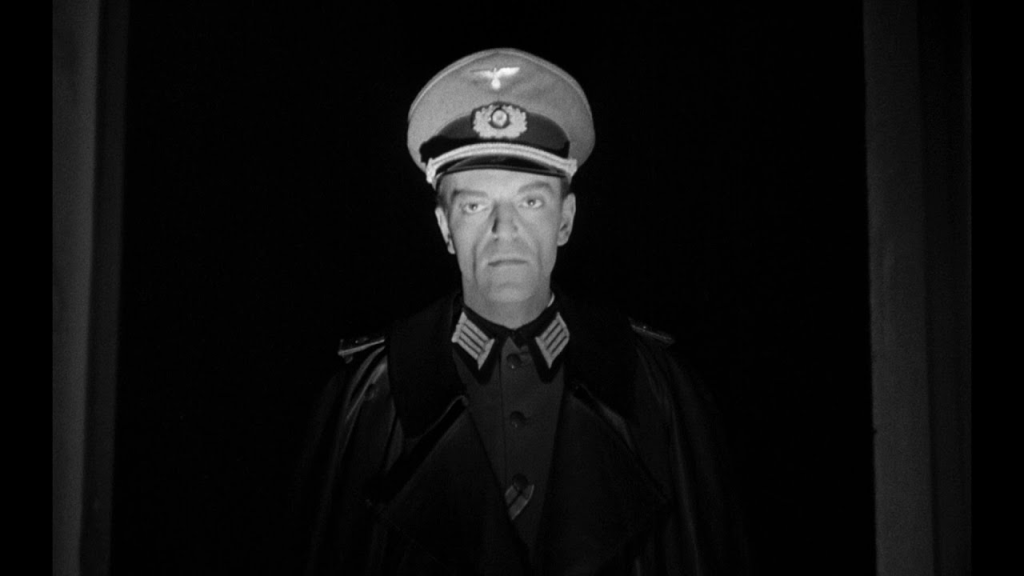
Superficially, Jean-Pierre Melville’s Army of Shadows isn’t too dissimilar from the gangster movies the director is famous for: it is a chilly meditation on a world inhabited predominantly by men following a grim, unforgiving code. Trust is rare, paranoia habitual – but there are islands of friendship and absolute loyalty, so that betrayal, if and when it strikes, is all the more tragic. And yet: even if the protagonists of Army of Shadows resemble the cops and robbers of Le samouraï or Le cercle rouge, even if they live their lives according to similar rules, they are heroes in ways that Melville’s gangsters aren’t. Their goals aren’t self-serving. They fight the Nazi occupation of France.

So why does their fight feel so unheroic?

Continue reading

Criterion Corner: Le silence de la mer (#755)

There are many kinds of resistance. The one that’s perhaps most familiar to us – more so from the cinema screen than from personal experience, most likely – is that of taking up arms against the oppressor. The French filmmaker Jean-Pierre Melville made a number of films in which the French Résistance and its fight against the occupying German army featured, most famously perhaps Army of Shadows (which may come up more prominently in a future post), and as one might expect, the film depicts a heroic (if bleak) armed struggle.

While the setting is a similar one – the Second World War, occupied France -, the resistance of Le silence de la mer (The Silence of the Sea) is of a very different kind; as is, arguably, the characters’ struggle with each other and with themselves.

Continue reading

In France, they call it le Fleabag: Léon Morin, Priest (1961)

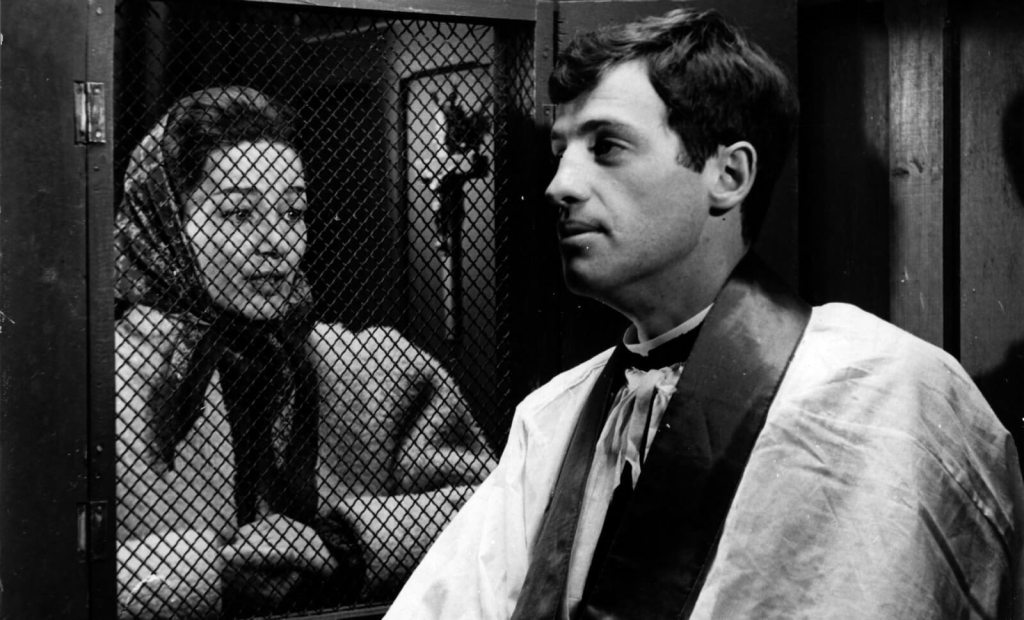
She’s in her 30s. She’s smart, savvy – and perhaps a little too proud of her critical abilities. She’s an atheist, and when she enters a church and sees the confessionals, what she thinks of isn’t faith or confession, she thinks of how she can challenge the curates. So she talks to the young, sexy priest, seeing if she can shake his faith – and the conversation that develops with them, over several meetings, is as much about belief and ethics as it is an extended flirtation. She is drawn to him, and while he doesn’t say so, his actions suggest that the attraction isn’t one-sided. What exactly is he trying to convert her to – and what is she trying to convert him to? And where can this ongoing, and increasingly erotic, duel of wits lead?

The young woman is Barny (played by Emmanuelle Riva, icon of French arthouse cinema), and the sexy priest (Jean-Paul Belmondo, just one year after Breathless) is the title character Léon Morin. But even considering how much of a cliché the constellation is – a sexy priest, an attractive young woman -, it is difficult not to think of Phoebe Waller-Bridge’s modern classic Fleabag.

Continue reading