Welcome to Six Damn Fine Degrees. These instalments will be inspired by the idea of six degrees of separation in the loosest sense. The only rule: it connects – in some way – to the previous instalment. So come join us on our weekly foray into interconnectedness.
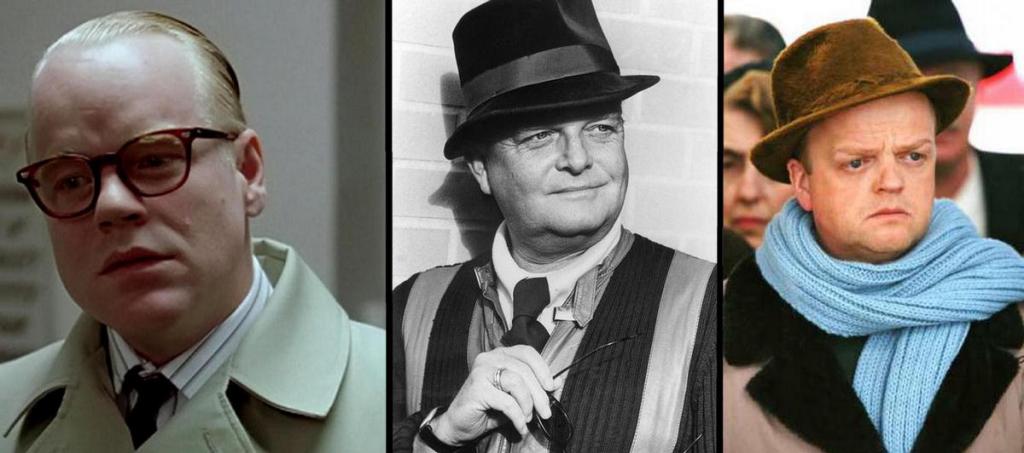
There’s always something strange to watching an actor play a real person, doubly so when the actor in question is one we know, and know well, from other parts, and triply so when that real person is still alive. Oh, look – there’s Gary Oldman playing Lee Harvey Oswald, and there’s Bruno Ganz as Adolf Hitler! There’s Helen Mirren or Emma Thompson (did you know that?) playing Queen Elizabeth II! Is that a trio of Truman Capotes or is that Philip Seymour Hoffman, Toby Jones and Tom Hollander having a chat? We recognise Taron Egerton, but we also recognise the bespectacled pop star he’s playing. We know that neither Michelle Williams nor Ana de Armas are Marilyn Monroe, but when we watch them on screen they are somehow both. And is it comforting or monstrous (or both at the same time) that the horrible person in the Oval Office isn’t actually Donald Trump but Brendan Gleeson playing the man?
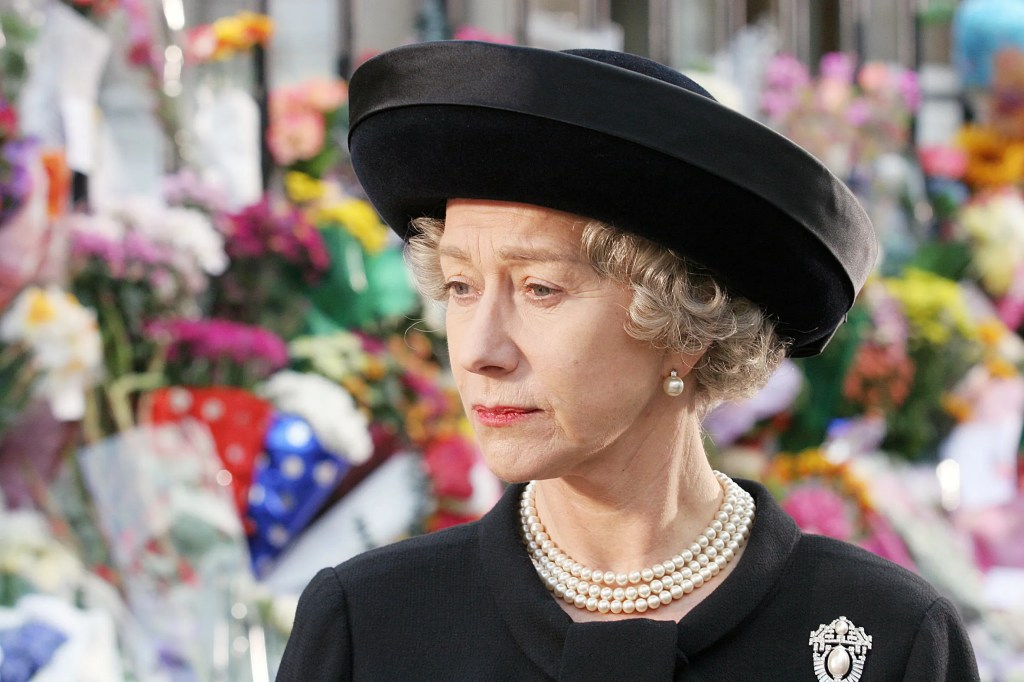
More rarely, an actor is either unknown enough to remain unrecognised, or the makeup job is so convincing that we forget it’s actually this or that actor underneath all the rubber, latex and paint. David Fincher’s sadly unfinished Netflix series Mindhunter featured portrayals of several real-life American serial killers that were unsettlingly close to the real deal, partly due to the casting, partly the way the actors were made up, and partly their performances, and it helped the effect that we weren’t looking at a movie star or a regular from one of our favourite series.
To my mind, in conversations about this or that portrayal of a real person in film or on TV, there’s often too much of a focus on what an actor looks like. It misunderstands the process by which we suspend our disbelief. We know it’s Gary Oldman under all that makeup playing Winston Churchill. We know it’s Claire Foy, Olivia Colman and/or Imelda Staunton playing the Queen, and we know that’s really Sam Rockwell and Michelle Williams (yet again!), not Bob Fosse and Gwen Verdon. Sure, imitation does come into it, as does verisimilitude, but only to an extent. In the end, it’s the performance and the quality of the film as a whole that allows us to buy into the illusion. Toby Jones may have been the less surprising casting for Capote in Infamous than Philip Seymour Hoffman was in Capote, but it’s Hoffman’s performance that people remember more – in spite of the obvious difference in size, weight and overall shape. That’s partly the actor’s fantastic performance, but it’s also that Capote is simply the better-made, more interesting film of the two.
And, in the end, it’s less about mimicry than it is about capturing the idea we have of a person. I’ve not seen Robert Altman’s historical drama Secret Honor, in which Philip Baker Hall played Richard Nixon (what is it with playing horrible US presidents?), and from the stills I have seen there wasn’t much make-up used to make the actor look like Nixon, but audiences seemed to think that Hall got at the heart of who Nixon was while also doing interesting things with it. Would that performance have been better if Hall had been hidden under layers of latex, increasing the verisimilitude of the performance?
Having said that, though, there are limits to the extent to which it doesn’t matter if the actors playing real-life people don’t look much like those people.
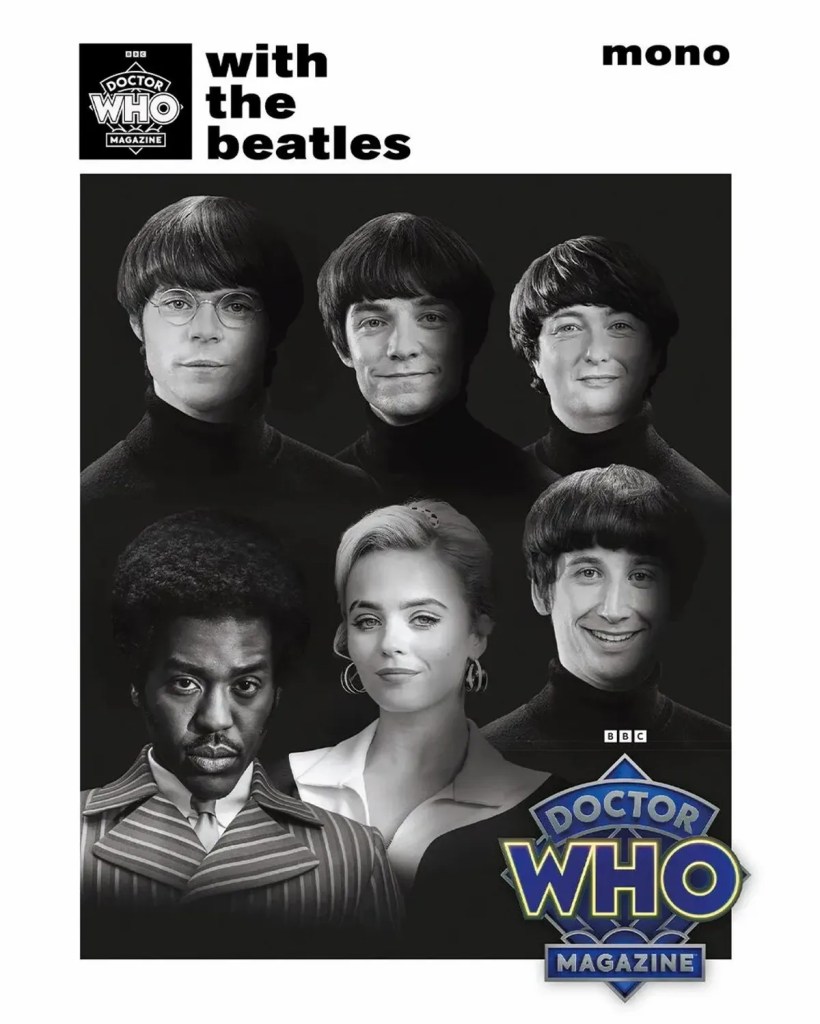
In the recent Doctor Who episode “The Devil’s Chord”, the Fab Four don’t much look like themselves. They don’t even look like what you’d get if you ordered the Beatles from Wish, or like Beatles action figures left in the car on a particularly hot day. There is something almost wilful to how little the episode’s actors in bad mop tops look like the pop stars they depict – and that’s not to slight the actors. Certainly, “The Devil’s Chord” places the Doctor and his current companion in an alternate reality – but when (spoiler warning!) they defeat the episode baddie and put things right at the end, the Bizarro Beatles don’t suddenly morph into more convincing-looking versions of themselves. Arguably, Richard Baker Hall didn’t look much more like Nixon than these four do like their inspirations, but it’s also not really the kind of episode that delivers on the idea of the Beatles, which would have made the way they look unimportant.
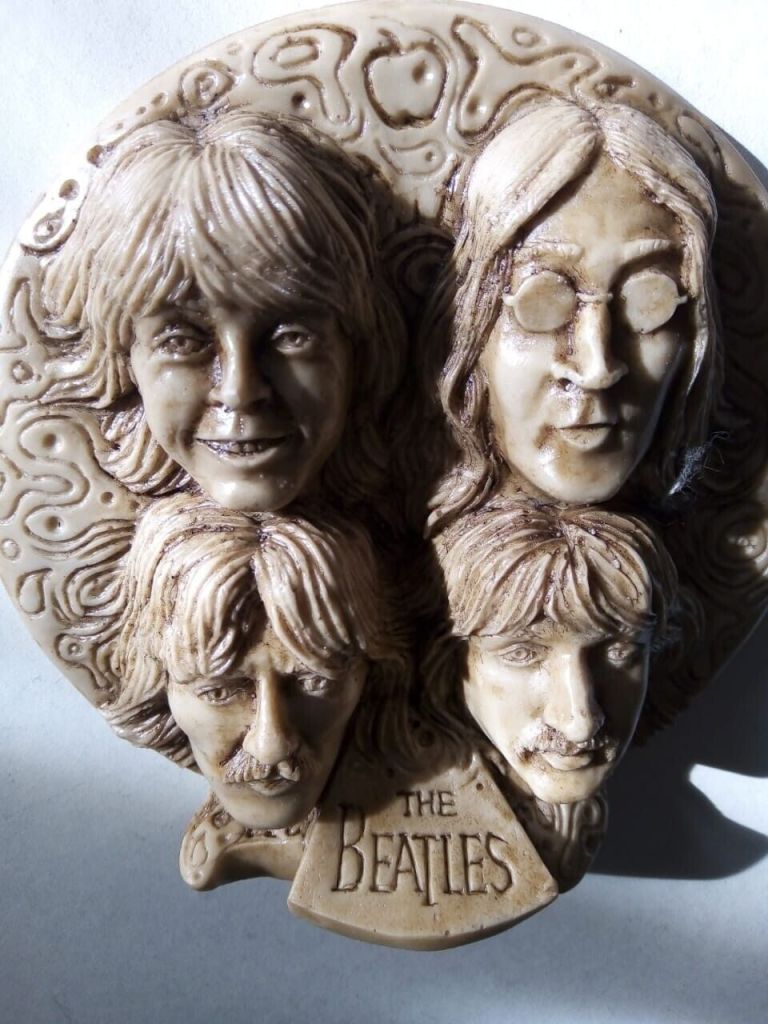
Earlier this year, it was announced that Sam Mendes was working on four Beatles biopics. His cast doesn’t immediately make you think, “Now that you mention it, that guy does look a lot like John Lennon!” Perhaps Paul Mescal was cast as Paul McCartney due to his innate Paulness? Is there a Paulian quality, something Paulesque, that carries across from McCartney to Mescal? And, I suspect, Barry Keoghan will never not look like Barry Keoghan. But, no slight to the Fearsome Four from Doctor Who, I expect Mendes’ cast, and the films, to avoid the pitfall of depicting a Liverpudlian quartet that looks almost, but not quite, entirely unlike the Beatles.
P.S.: At least, when Doctor Who had its titular character meet with a certain genocidal dictator in the episode “Let’s Kill Hitler” (sadly, the episode is less Tarantinoesque than its title suggests), they probably picked one of the historical characters that’s easiest to depict. Stick on that silly little moustache and make him a shouty, ridiculous man, and you’re practically there. No need to go full Bruno Ganz with that particular cameo.
 A Damn Fine Cup of Culture
3 thoughts on “Six Damn Fine Degrees #193: Any resemblance to real persons, living or dead, is purely optional”