Welcome to Six Damn Fine Degrees. These instalments will be inspired by the idea of six degrees of separation in the loosest sense. The only rule: it connects – in some way – to the previous instalment. So come join us on our weekly foray into interconnectedness!
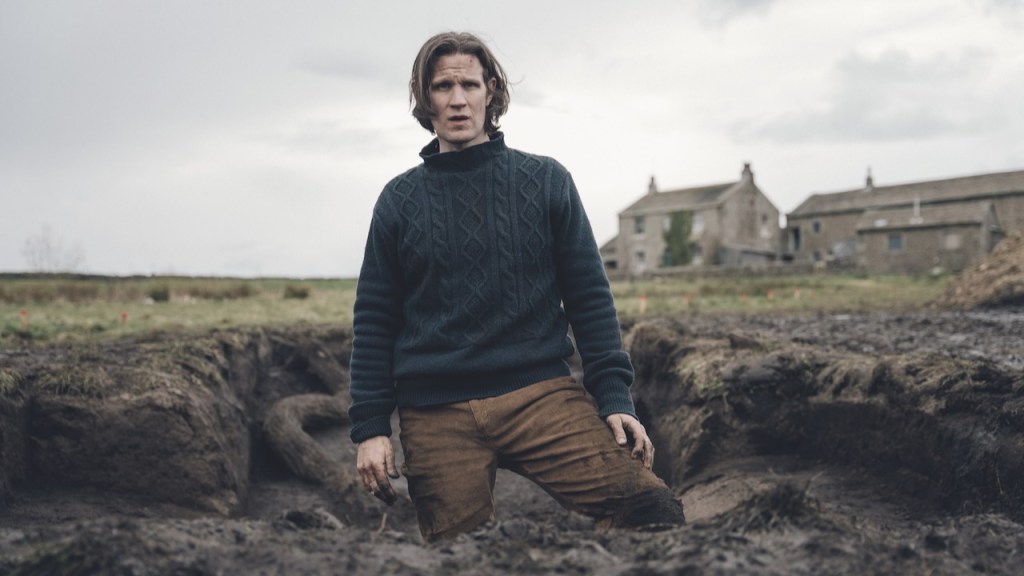
A world away from the urban landscape and its City Lights lies the genre of Folk Horror. But what is “folk horror”? One of the trickiest aspects of a discussion about any film genre is to pin down a good definition. I do rather like what Wikipedia succinctly offers on this score at the start of their entry on the subject:
“Folk horror is a subgenre of horror film and horror fiction that uses elements of folklore to invoke fear and foreboding.”
The entry subsequently goes on to add another useful little addition:
“Although related to supernatural horror film, folk horror usually focuses on the beliefs and actions of people rather than the supernatural, and often deals with naïve outsiders coming up against these.”
As summations of a genre go, this feels like the sort of thing I can work with. It applies well to the pioneers of the genre, such as The Wicker Man, but also for a whole raft of modern films that seem to me to be heralding something of a folk horror revival.
The most notable example of this, in the UK at least, is Starve Acre (2023), directed by Daniel Kokotajlo. A British film, starring Doctor Who’s Matt Smith and The Rings of Power‘s Morfydd Clark as a young married couple with a newborn son. As the film progresses, their investigations into local legends, especially those centred on a nearby tree, start to built into something progressively more creepy and unsettling.
I enjoyed Starve Acre. The growing sense of darkness is well handled and there’s some lovely little unsettling visuals throughout the film. But I think one of the reasons I enjoyed it is because I do like folk horror. And this film feels like a Greatest Hits of the genre. Once you realise this is the genre it is in, there aren’t really any surprises. You can just have fun watching the chilling tale progress in front of you, a precision-engineered folk horror experience running along tried and tested rails.

This often works in horror. When audiences pay money to see a slasher film, they’re invariably paying for the slashing experience they know and love. Jump scares, teens getting slaughtered in hopefully grimly inventive ways. Like buying a ticket for a rollercoaster ride, it’s the known thrill that’s the appeal.
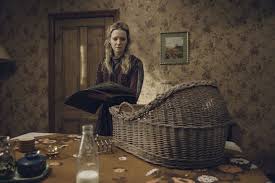
And Starve Acre does this for folk horror. ’70s period setting. Outsider couple in a remote setting coming up against the local legends of the country folk. A dark figure of rural myth that might actually be real (spoiler – it be real). Creepy imagery of death. Unsettling supernatural events in the corners of a recognisable domestic setting. If you enjoy any of this, you’ll enjoy this film. It doesn’t do anything more, but it does this stuff well.

But while I enjoyed it, I couldn’t stop feeling that there was something sad in this. When horror films become vehicles to deliver what they know the audiences want, the genre runs the risk of becoming locked into catering to those demands. The scope to invent is limited. Worse still, the films aren’t attracting an audience to shock and surprise them, it’s to give them what they want going in. Which just feels disappointing.
Thankfully, this year I’ve seen a couple of films that suggest that there’s still life in the folk horror genre yet. The first is the Irish language film Fréwaka (2024), directed by Aislinn Clarke.
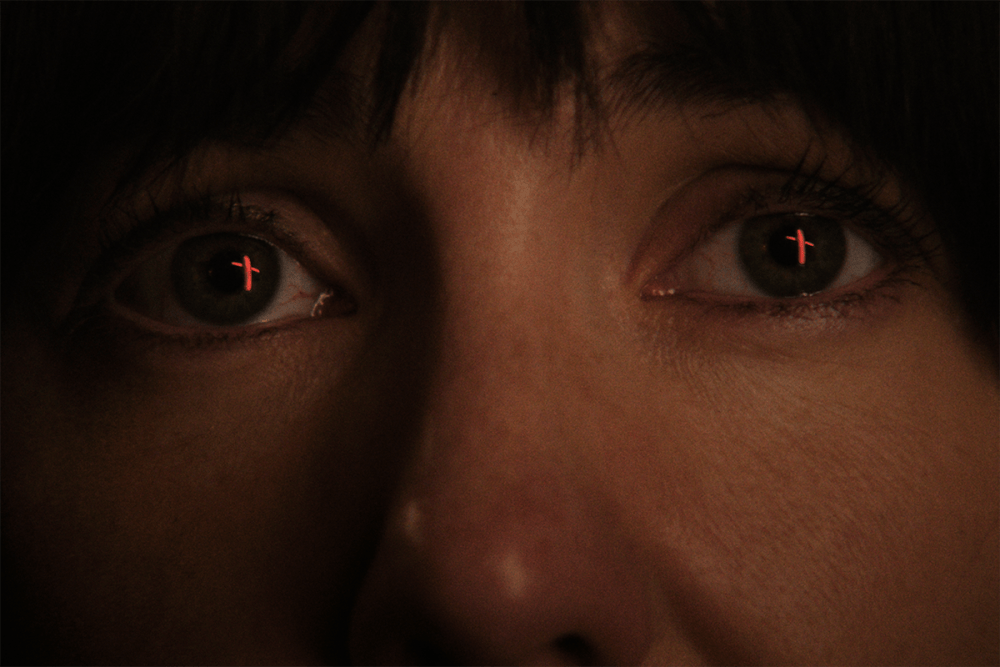
On the surface, this film feels like it’s cut from very similar cloth as Starve Acre. We’re back in the countryside here, and someone coming from the city to an unfamiliar, more isolated location. The local folklore impinges on the modern world to creepy and unsettling effect. In this instance, it’s the Aos sí – supernatural Fae folk who have long resented the humans that have come onto their land and taken over.
But rather than just take those concepts and string together a fun, predictable ride, they are worked into a much more powerful and unsettling story. The dangers of the past are not the exclusive domain of myths and legends, they are the very real story of the second-class status of women in society. When the Fae possibly appear, it’s in the form of suited men, their faces obscured by masks. As the film progresses, the unsettling nature of this gang of seemingly besuited men becomes incredibly dark. The tales of babies being kidnapped become linked to the overwhelming power wielded in society and by the church to suppress the life choices of women.
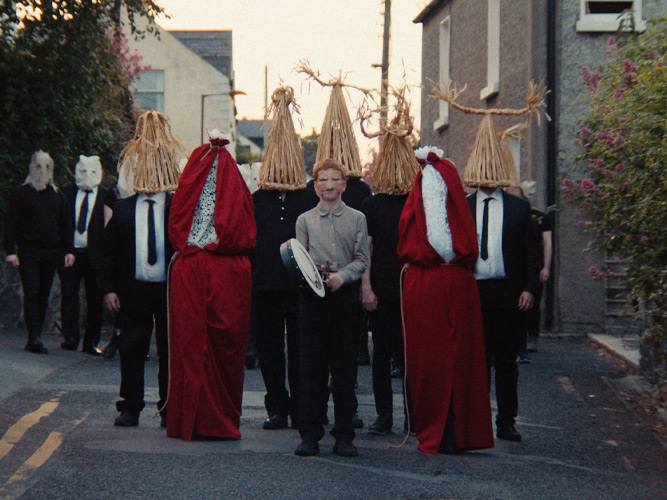
The threat of something horrible from the past affecting the characters we’re getting engaged with in the present suddenly becomes much darker than just generic folklore. This film delivers recognisable folk horror scares brilliantly, but they linger longer because of the anger behind them.
It’s this element of the past impinging on the present in unsettling ways that I think fits the other great film I’ve seen recently into the folk horror genre. I Saw The TV Glow (2024), directed by Jane Schoenbrun, isn’t about ancient folklore, though. Instead, the sense of fear and foreboding is generated in relation to a TV show from the very recent past, a Buffy The Vampire Slayer-style fantasy adventure called The Pink Opaque. Two outcast teens with difficult home lives bond over their weekly viewing of the show.
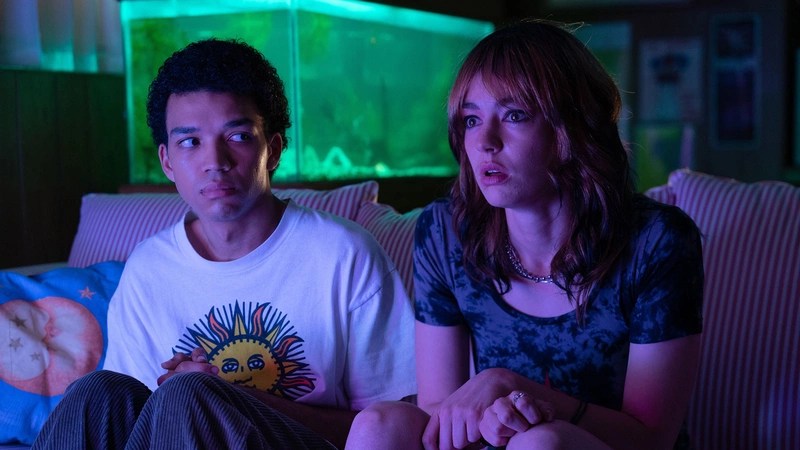
A darkness from the past seems to bubble under throughout this film, as there seems to be something unsettling about the TV show that our main character can’t quite put their finger on. It all builds towards a powerful finale, a dark tragedy that lies at the heart of the story. But while Starve Acre ended up in a dark place that simply felt like a satisfying and inevitable conclusion that fits a genre that doesn’t dabble in happy endings, I felt shocked and genuinely heartbroken at the end of I Saw The TV Glow. As with Fréwaka, this film uses elements of the genre – the idea of characters as outsiders and the secrets hidden in the past – not as a template to tell an entertaining genre tale, but to explore interesting and relevant ideas.
And that’s what gives me confidence that there’s life in the old genre yet. There’s still more to these concepts and ideas than just another retread of all the genre tropes. They can be taken, reimagined or repurposed to make an angry or heartbreaking film. Don’t think you can settle in for a cosy folk horror film – because it still have the power to get you.
 A Damn Fine Cup of Culture