Welcome to Six Damn Fine Degrees. These instalments will be inspired by the idea of six degrees of separation in the loosest sense. The only rule: it connects – in some way – to the previous instalment. So come join us on our weekly foray into interconnectedness!

Back in 1985, Doctor Who was not in good health. The show had been struggling in the ratings for a few years, and the planned relaunch of the show in spring of that year – with a new Doctor, a new format and a Saturday teatime timeslot – failed to find an audience. A show that for several decades had been demonstrating how to create imaginative stories on limited budgets seemed out of place against the slick action dramas of the Eighties. Rumours flew that the show was getting axed, but when it finally got recommissioned for its 1986 season, there were a few changes.
The budget and run-time of the season were cut dramatically, and there was a general feeling that the show was in the Last Chance Saloon here. If this (already reduced) show didn’t find an audience in 1986, then the long-running sci-fi show might dematerialise for the last time. Knowing that the axe hung over them, those making the show decided to go epic and to tell the longest single story in the show’s history. A fourteen-episode story – taking up the whole of the season – with the Doctor put on Trial by his own people.
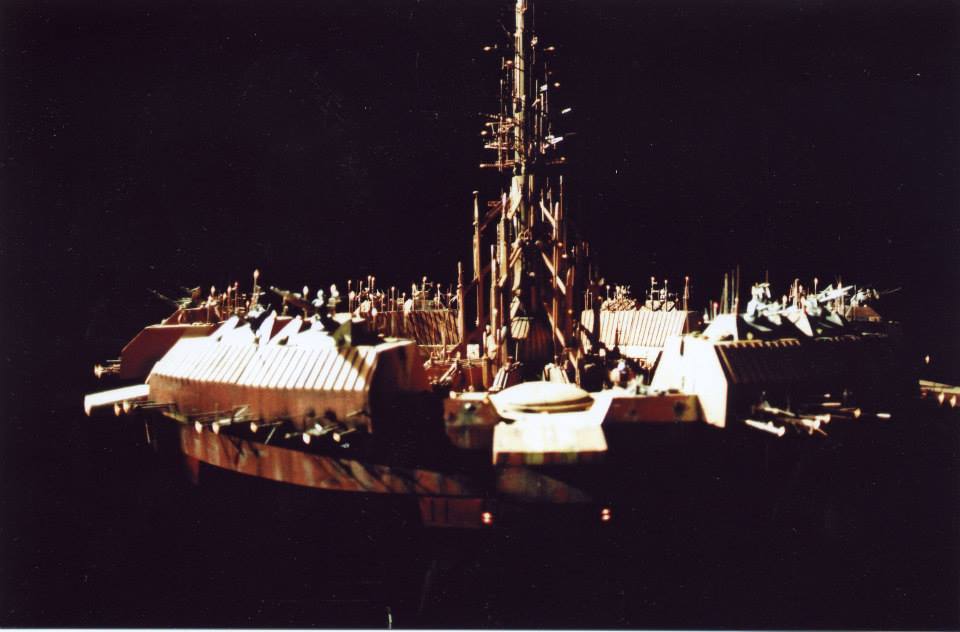
When this season finally got broadcast in autumn 1986, it started well. The opening shot is possibly one of the best in the show’s history, as the camera flies around an impressive Space Station model where – it is revealed – the Doctor has been taken for his Trial.
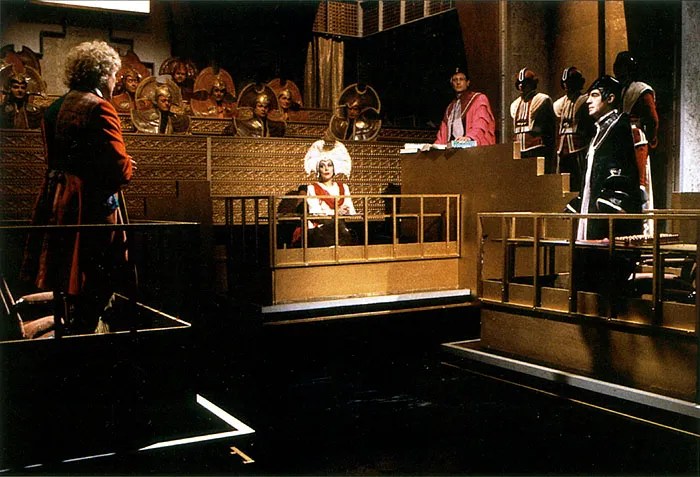
In an impressive studio courtroom, the set-up for this long story is efficiently presented. The Doctor is on trial for interfering, breaking the cardinal rule of Timelord society. And facing off against the Doctor as the prosecution at this trial is a stern, black-clad figure called The Valeyard.
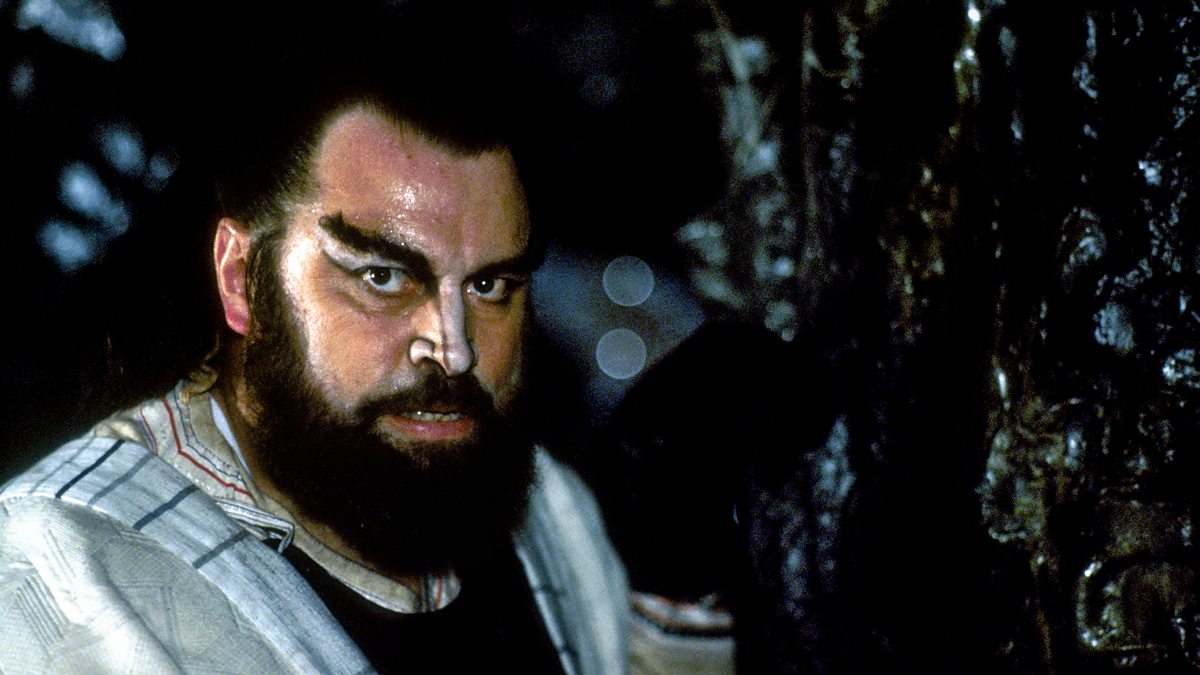
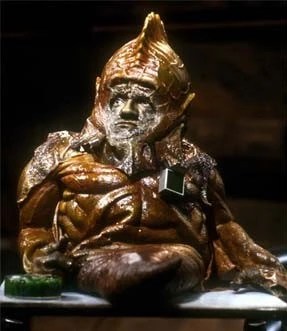
This character is played brilliantly by Michael Jayston. From the outset of the story, he comes across as a genuine threat. His voice carries drama and authority, and as the trial progresses his position as the story’s principal antagonist becomes clear. He is The Villain here, and he’s out to destroy the Doctor for reasons we need to keep watching to discover. The rest of the series features a number of nicely created villains and monsters but none of them carry the danger and menace of The Valeyard.
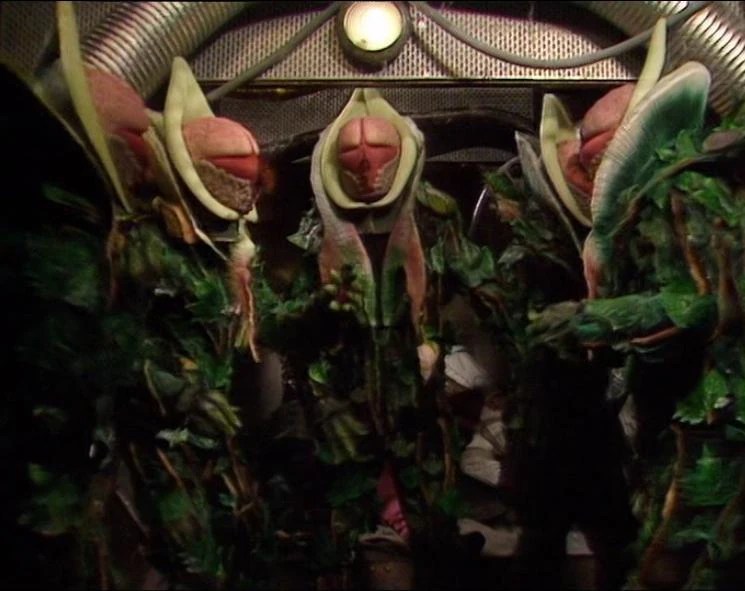
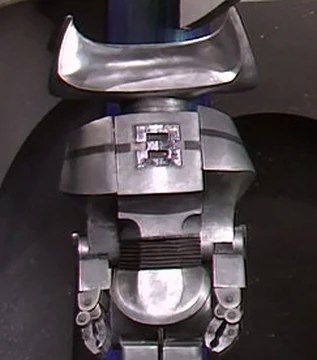
So who is this Valeyard? If you want to gather any clues from the title he has, you’re out of luck. While it was suggested at the time it was an antiquated British legal term for a learned court prosecutor, its since been learnt that the word was entirely made up by one of the season’s key writers and Doctor Who veteran Robert Holmes.
Knowing that the show might be on its final season, and wanting to give such a long story a suitably epic pay-off, Robert Holmes had devised the character to fit how he wanted the epic to play out. The Valeyard would be revealed to be… The Doctor! But not just another incarnation of the Doctor but the final ever Doctor. He’s the Doctor having run out of regenerations. Holmes determined that it was because of fear for his final death that the Doctor has become desperate to stay alive and that, over time, that desperation and fear has turned him to evil. This final Doctor, fearing death, was now willing to steal the life from his earlier incarnations to stave off oblivion. And do absolutely anything to make it happen.
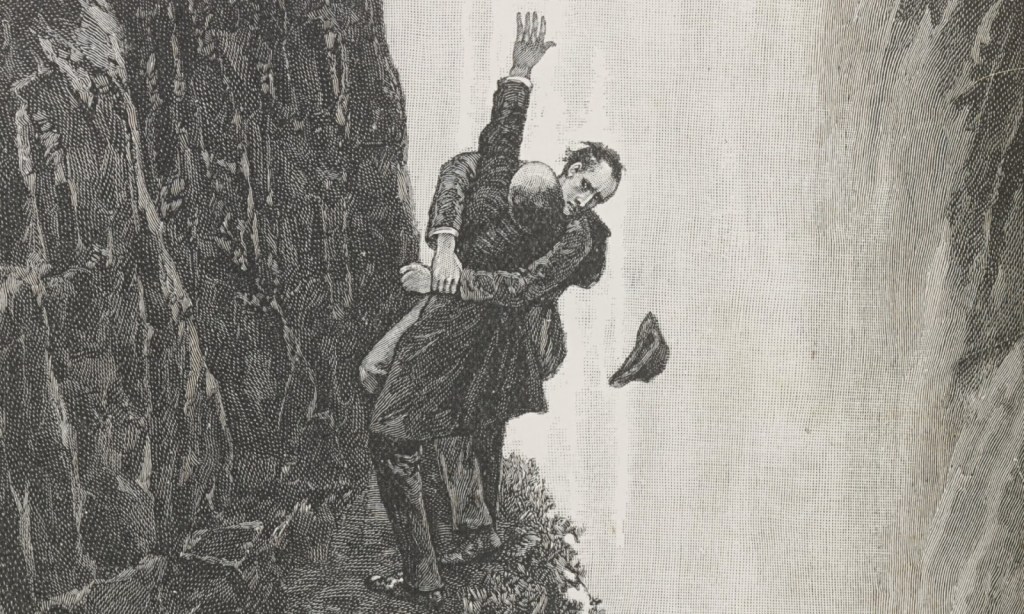
Having set up such an antagonist, Robert Holmes then made it pivotal to the story’s conclusion. The current Doctor, as played by Colin Baker, would learn who his foe is and, realising that this Evil version of himself might win, sacrifices himself by falling into a cosmic void with him, the two locked in combat. It was a finale envisaged to deliberately echo Sherlock Holmes’ original ‘death’ at the hands of Moriarty. Crucially, by being willing to sacrifice himself, the current Doctor had demonstrated that he possessed the bravery to accept permanent death, thereby undermining/preventing/denouncing the Valeyard of his future.
Also, if the show really was facing the axe, it would at least culminate with a grand ending. Going out with a Reichenbach Falls-shaped bang. A long-running show where the final episode did indeed have a feeling of finality about it.
This all sounds rather fascinating and would possibly have made for a memorable finale. Only while the show was in production, things started to change. The producer John Nathan-Turner developed cold feet over such a dark and ambiguous ending, fearing it might jeopardise the future of the show. With the threat of the axe hanging over everything they did, was it wise to present a storyline that seemed so final? If the show is going meta with a trial of the Doctor at a time when the show’s future was itself being judged, why end that trial with the seeming death of the lead?
Fearing this, the producer asked that the story be rewritten so that things didn’t end on such a downer. The epic would end on a high, the Doctor off for more adventures, safe from his enemies on screen and, hopefully, at the BBC.
And then tragedy struck the production. Robert Holmes died having only written the penultimate episode. Although it existed as a concept, the script of that final episode was yet to be written.
Things then become really chaotic behind the scenes, as the production office seems to turn against itself when trying to determine what to do. But broadly speaking the show’s script editor Eric Saward wrote a final episode that tried to come close to the original ending Robert Holmes had envisaged, rather than the producer’s preference for an unambiguous happy ending.
Saward had been friends with Holmes and felt it was important to stay true to the original intention for the series and the character of the Valeyard. Also, knowing how constrained the production was for time, he refused to allow permission for his script or any of the concepts in it to be used if the producer dared to alter the ending.
In response to this the producer called his bluff and, incredibly late in the day, called on an experienced TV writing couple Pip and Jane Baker to write the happy, unambiguous ending he wanted. The Valeyard is transformed into some generic future incarnation of the Doctor who just happens to be Evil, the whole angle that he is the final, desperate Doctor is dropped and it all ends happily ever after with the Sixth Doctor flying off in the TARDIS for more adventures. (Well, sort of but more on that later.)
In the years since, the original script editor’s take on the final episode has leaked into the world of Doctor Who fandom. And, well, it’s not very good. There’s lots of scenes of characters talking to each other, often over TV screens, exposition is clunked into the proceedings, and there’s dialogue that no human being (or Timelord) would ever possibly say.
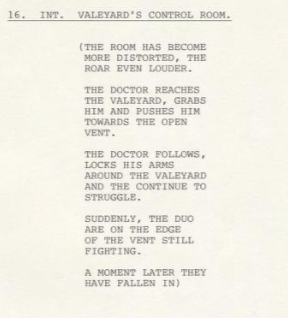
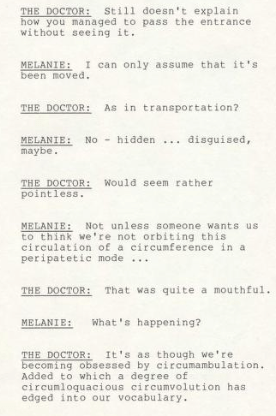
It’s interesting to compare this draft with the final episode that Pip and Jane Baker delivered in only a matter of days and which ended up being the one made. Because that’s fun. For all its plot problems, it rattles along to a big explosion at the end, with growing tension as the episode progresses. Now you can probably cut the former a little bit of slack because its clearly a first draft and was never actually made, and there’d be a chance that some of these problems might have got at least slightly honed in the process of production. But I also think that you just have to admit that the part fourteen that got made works better because it was made by TV writers who knew what they were doing. Hack work, but precisely the best form of hack work – professional, unsentimental and delivered in near impossible conditions.
And yet, still, the alterations to the Valeyard feel pointless and clunky to me. We lose any dramatic reason as to why the Doctor becomes a cruel and desperate antagonist, which renders rather pointless why the villain needs to be the Doctor in the first place. The Sixth Doctor loses his moment of heroic sacrifice, and the Valeyard is defeated by pure technobabble nonsense. An underwhelming conclusion to thirteen weeks of television.
And none of those changes made the slightest difference to the show’s fate. The hope that ending the story on an ‘it’s all fine and dandy’ note would somehow persuade the upper management at the BBC to just treat the show as all fine and dandy proved misplaced. It did get renewed, albeit with the same low budget, and shunted to an incredibly unfavourable timeslot. More drastically, the lead actor didn’t get their contract renewed and had to be recast at the start of the next adventure, landing the production office with a headache on how they’d launch the new season. We don’t get the end of an era and a Doctor’s final heroic story. We get a season beginning with a new guy wearing a curly wig.
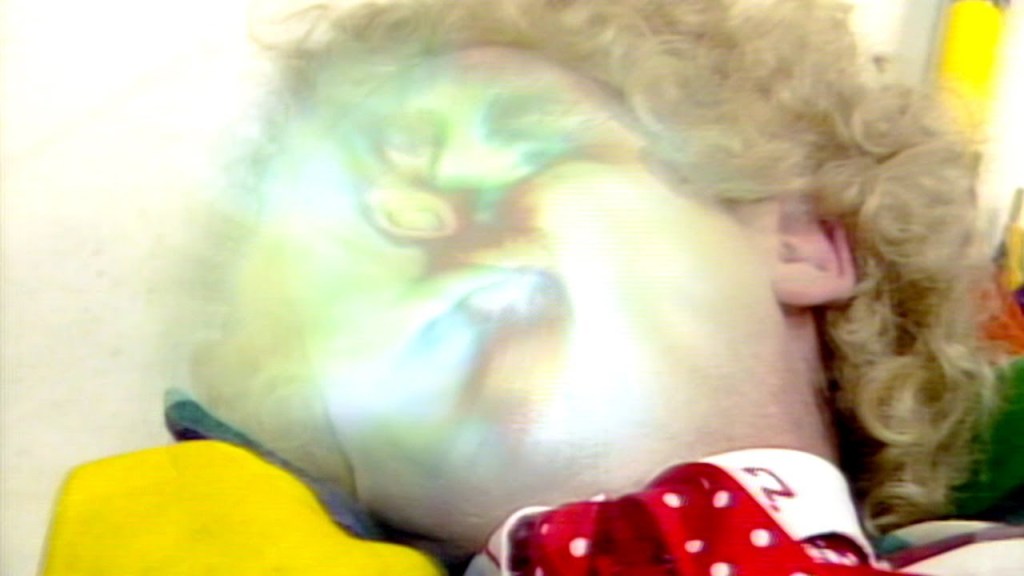
Rather than having ended on a homage to the Reichenbach Falls, which would also have given you a perfectly viable road map for bringing the character back from the dead – even with a new actor in the lead role -, the next season supposedly relaunching a new era for the show had to start with killing off the main character.
And as a further twist, the final broadcast episode of Trial Of A Timelord ends with what’s meant to be a fun last revelation that The Valeyard’s Alive! But its so clumsily thrown in at the very end. The last shot of the whole story shows the villain in control of the very thing we’ve spent fourteen episodes trying to avoid him getting control of.
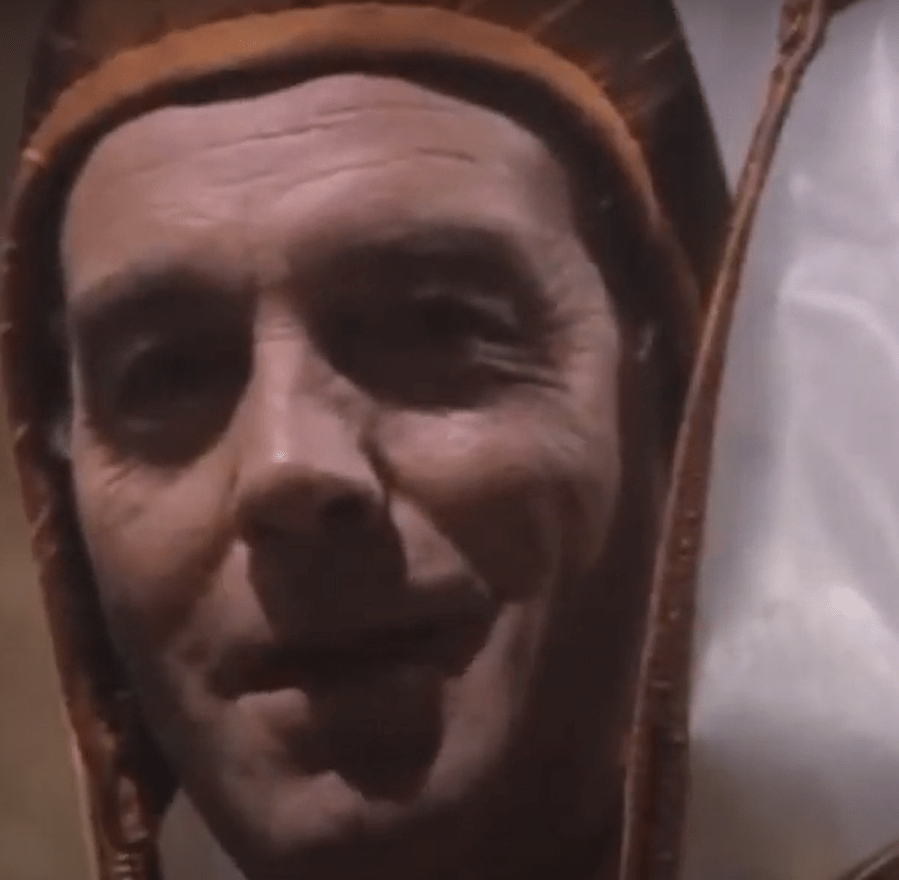
Now, by this point, its probably a fair assumption that most viewers would have given up caring about the plot they’d followed for all these weeks – and Doctor Who has never been a show that was overly bothered with tight plotting – so they’d probably have just seen it as a final twist to the adventure. But given all the problems the production had over wanting to avoid an ambiguous ending its a bizarre send-off.
And in the many decades since that moment of the Valeyard’s seeming triumph – he’s never been seen again. The evil Doctor incarnation from some unspecified future is too vague and generic to be interesting to subsequent writers on the TV show. The rewrites meant he was never defeated – the central point of the overarching storyline – but the character still has nowhere to go. Its fair to say that, as a TV show, Doctor Who doesn’t normally feel reticent about bringing back even the most obscure of characters from decades earlier, but its never found a place for the bland broadcast version of Trial’s central antagonist.
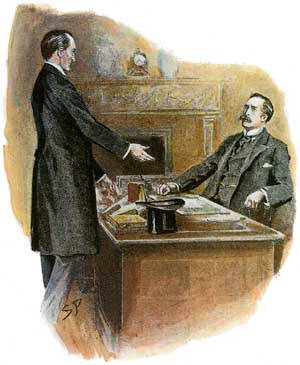
With all this nonsense, I can’t help feeling that the impossible, but perfect, solution would have been for Pip and Jane Baker to have been handed the Reichenbach Falls ending and told to run with it. Delivering a fun, worthy finale to the story, and allowing the Sixth Doctor to go out on a moment of self-sacrifice. And then hand the same writers the ability to tell the Return of the Doctor in the best way possible to show off the new guy playing the lead – rather than having to begin a relaunch with killing off the lead who isn’t even in the studio.
The Seventh Doctor’s three.year tenure that followed wasn’t going to turn around the show’s fortunes with the general audience, and indeed the show got axed at the end of it in 1989. But it did bring in new ideas for the show that helped inspire spin-off fiction, which in turn helped keep the fandom going before the series’ hugely successful return in 2005. A lot of what has fed into the success of the modern show has stemmed from the seventh Doctor’s final few years. Very little has come from the mess of the Valeyard era.
 A Damn Fine Cup of Culture