Welcome to Six Damn Fine Degrees. These instalments will be inspired by the idea of six degrees of separation in the loosest sense. The only rule: it connects – in some way – to the previous instalment. So come join us on our weekly foray into interconnectedness!
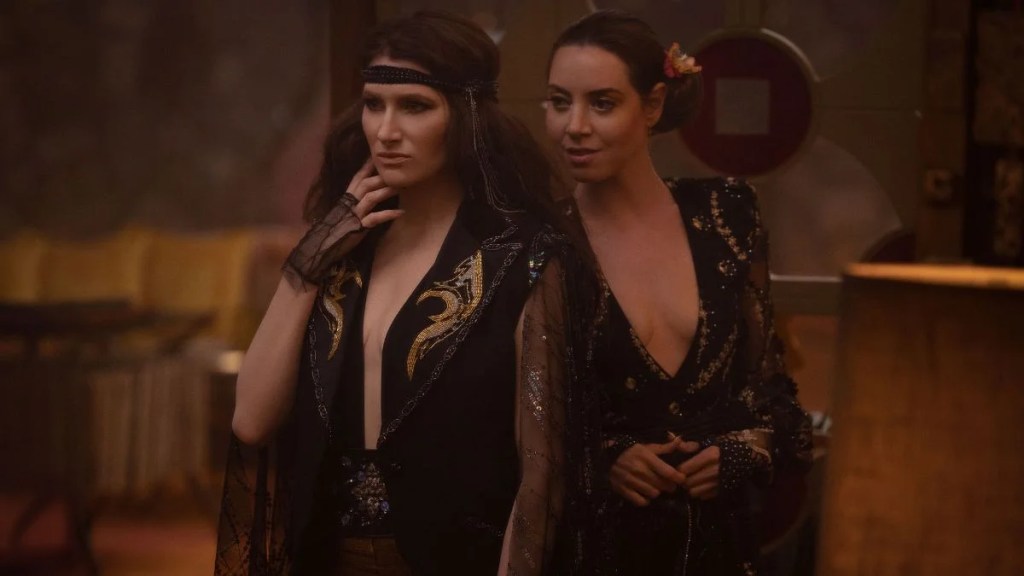
Okay – I’ll start with the headline. I absolutely love Agatha All Along. It’s one of the Marvel Cinematic Universe TV shows that stands up to a rewatch. It’s funny, creepy and, over the course of its nine episodes, slowly unravels a satisfying and unpredictable story. So many streaming shows these days feel like a single large plot arbitrarily cut to fit awkwardly into the episodic TV format. But Agatha All Along understands how to tell a story episodically, each week delivering revelation and plot, including some cracking cliffhangers.
Kathryn Hahn is clearly having a great time in the lead role – wicked and, thankfully, mostly irredeemable. Alongside her is also a great supporting cast, effectively forming her new coven. The story has great fun making us care for all these characters, while also making it clear that no one is safe.
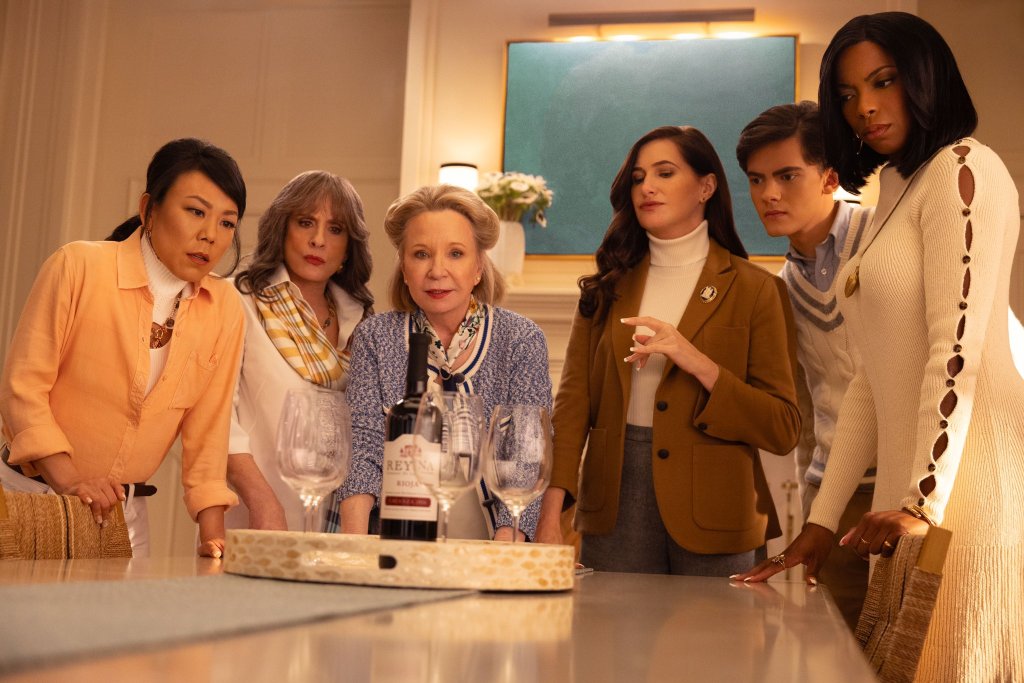
As a lifelong reader of comics, though, the success of this miniseries feels like something shared with printed media. It’s steeped in mythology. Or, more specifically, the mythology of the Marvel Cinematic Universe. And, like long-running comics, there comes a point where that mythology is so crazy, and stories playing with it are fascinating thanks to levels of backstory they can draw upon. And while I enjoy this stuff, I do wonder how long this peculiarly fabulous niche storytelling can keep going.
Ok – so what do I mean by niche here? Well, let’s start with the lead character. Agatha Harkness is a character from the comics that has always been an incredibly minor one. No title of her own, no membership of any of the big Marvel teams. She first appears in 1970 as an elderly witch and, for most of the following decades, well, doesn’t really do much. The very definition of a minor supporting character in the comics. I feel comfortable in asserting that, when making the show, nobody thought that they’d get many viewers from the hardcore Harkness Comics Crowd.
Her elevation to being the lead on a TV show stems from her radical reinvention when Marvel Studios brought the character to their Live Action Universe. This reimagined character is funny and dangerous, with Hahn’s performance being such a show-stealing one, it gets her her own spin-off series. So we’re already dealing with a D-list comic book character leading a spin-off TV show. None of which screams “broad appeal”.
The nicheness doesn’t stop there, though. This spin-off series opens with Agatha Harkness trapped in a world replicating a fictional TV show clearly modelled on HBO hit Mare of Easttown. The opening credits and tone are a nicely crafted spin on the genre. Why is this? Well, for that you’d need to watch Wandavision – an earlier (equally brilliant) TV series where the lead Wanda Maximoff is seen dealing with grief by creating fictional utopias based on historic TV formats. And if you wanted to learn about the grief that Wanda is dealing with, you have to go back to the Marvel film’s Avengers: Infinity War and Avengers: Endgame, where she lost her partner: the synthetic humanoid Vision, created in Avengers: Age of Ultron. A film you’ll also need to watch if you want to learn who this Wanda Maximoff character actually is. And this is after her first cameo appearance in a mid-credit scene on Captain America: The Winter Soldier.
And this isn’t all of the mythology being played with here. In Wandavision, Wanda Maximoff uses her powers to create two young kids to help her fulfil her dream of a normal family experience. The fate of these kids is an essential plotline in Agatha All Along. And if you want to learn what happened to Ms Maximoff, you’ll need to watch Doctor Strange in the Multiverse of Madness and take what you learn from that to make sense of the obscure references to the character as they play into the story of Agatha.
That’s four paragraphs I’ve just written that give a very basic overview of the backstory and mythology that Agatha All Along has a whale of a time playing with. And don’t get me wrong – at no point does the show feel like it is a stilted encyclopaedia retreading all this stuff. At the heart of this all is a well-written, funny and dark TV series about witches on a quest. You can enjoy it without all this stuff. But you’ll enjoy it more if you know it.
Regular comics readers are used to this storytelling continuity recursion. So much so that editors developed the habit of adding footnotes to comic panels. If something from another issue was mentioned in the comic you were reading, a little box at the bottom would let you know the particular comic this happened in. This served two purposes. Partly, it informed the reader that this wasn’t something that they should have picked up in the issue they were reading, so don’t worry that you might have missed something. But more importantly, it would tell readers what they might want to look out for next time they were in the comic shop. Just to make sure they got the full story. And the publisher got even more of their pocket money.

But this is television, not comics. And, as much as I love this show, I guess my general question is whether you can make television series that are this tied into their own continuity. Or does this mean you inevitably end up reducing the accessibility of the show? There’s a real thrill in a revelation near the end of the series that so perfectly follows up on Wandavision that I adored it, but I have no idea whether it would have landed with viewers who hadn’t watched that earlier series.
Even the superhero comics that inspire all this have ultimately come to struggle with the sheer weight of story that has come before. Many of the most famous characters are stuck in this strange half-world where they can’t really develop much as characters, but they have backstories that could legitimately fill up a set of encyclopaedias. Reboots and revisions have been tried, but these end up seemingly making it all even more convoluted. When I first got into comics, I really cared about these characters and their lives. But with decades of story now, I no longer can in the same way. They’re interesting as icons, but not as characters that develop.
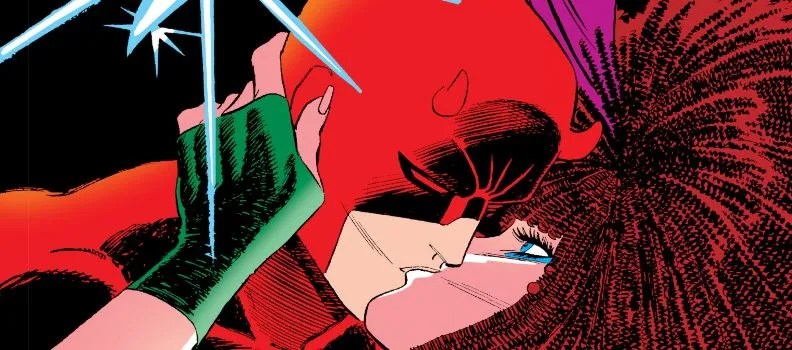
Which is not to attack the comic writers. Ultimately I think they did the right thing. They were never going to age the Daredevil of the Ann Nocenti run (he’d be in his mid-70s by now) or have Chris Claremont’s X-Men get old and actually get replaced by the New Mutants. I would have loved to have seen all this, but I think the audience probably isn’t there to sustain it in a title.

But while comic book characters don’t age, actors do. Or they decide they don’t want to play the role anymore. This has actually meant that the Marvel Cinematic Universe – the films and TV shows made by the studio since 2008 – have done something the comics rarely did. Characters die or retire. Important events in the lives of those characters live on into all their future appearances. When Chris Evans decided he didn’t want to play Captain America anymore, his character Steve Rogers retired in the universe. He wasn’t simply recast. Similarly, the tragic death of Chadwick Boseman in real life saw the Black Panther sequel dealing with the death of the character he played. Even major plot events stick around: the films and TV shows are still taking place in a setting that saw half the population vanish for five years.
Now there’s a good argument that the stories they’ve been telling when trying to keep one single universe going in this way have been hit and miss. And it’s not even been a rule that’s been consistently applied – the death of William Hurt saw Harrison Ford take over as General Thaddeus Ross -, although they still ended up giving Ford’s General all the backstory that the character had had in previous films. But I do find that I enjoy this vast interconnectedness in a film/TV franchise.
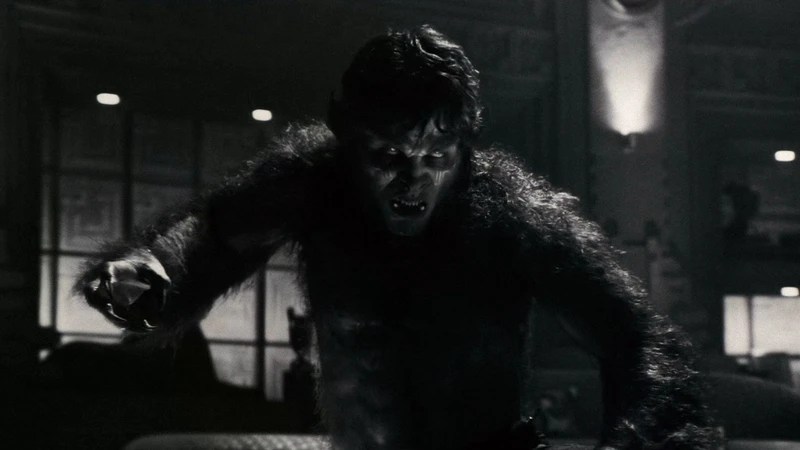
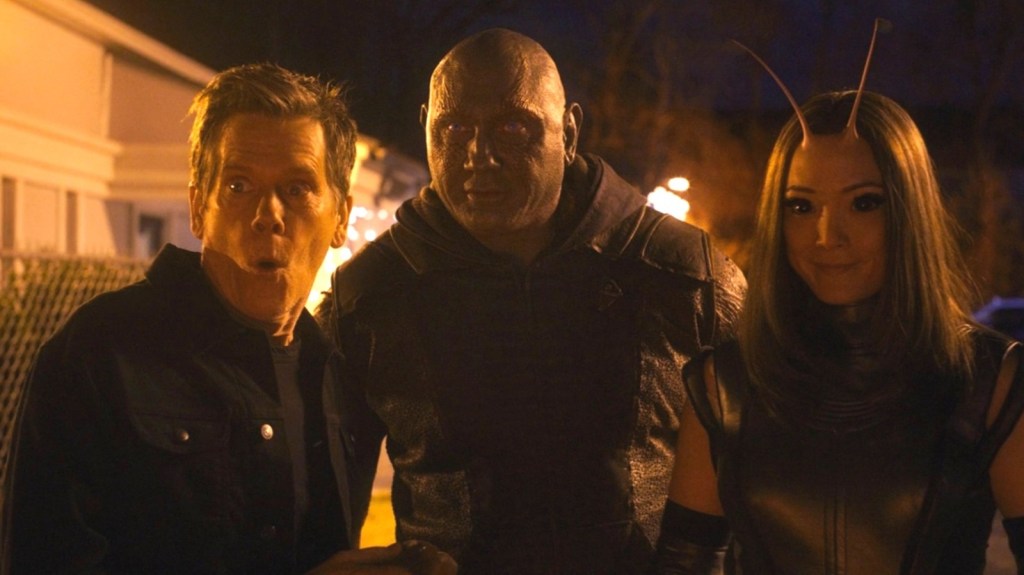
There doesn’t even need to be any direct link. I enjoy the fact that the brilliant Werewolf By Night Halloween Special exists in the same universe as the Guardians Of The Galaxy Holiday Special. There’s no in-story connection, and they are very different stories in style and tone. And yet, for a reason I can’t quite put my finger on, it delights me that they are happening in the same universe.
At the same time, though, at what point does all that become alienating to new people who might want to spend money to go watch a Marvel film or commit to a TV series? There are rumours that the upcoming Avengers double bill will end with an effective reboot of the whole universe. Allowing them to cast a new Tony Stark, a new Steve Rogers and all the other main heroes. And begin again with new stories based on their iconic appeal. And while I can understand the commercial reasons of doing that, I will feel slightly sad that such a new slimmed-down franchise won’t be in a position to make something quite so brilliantly, vastly mad as Agatha All Along again.
 A Damn Fine Cup of Culture