And already a month has passed and it’s time for our second Shortcuts, in which the Damn Fine gang shares their impressions on what they have watched, read, played, listened to recently.
Predator: Badlands (2025)
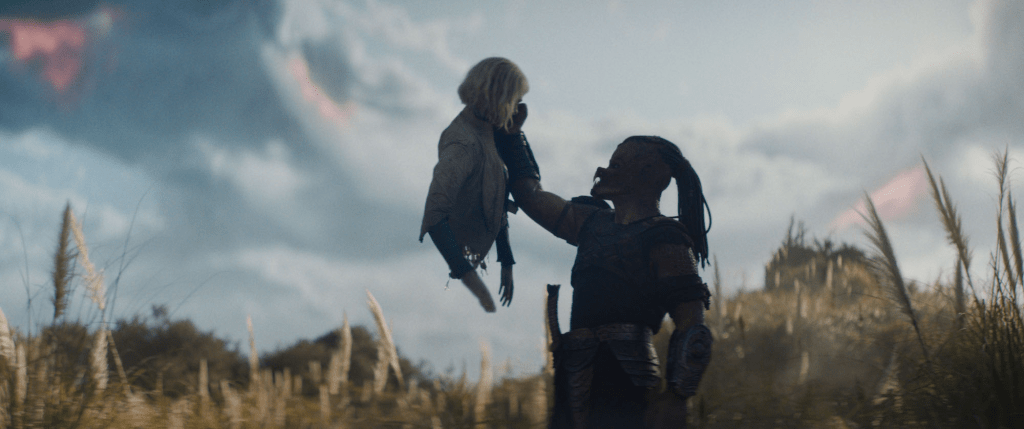
I certainly had fun watching Predator: Badlands, and I like how it subverts the Predator format and mythos. In its best moments, Dan Trachtenberg’s film is witty and inventive. But while Prey (2022), his first foray into the IP, was arguably something of a remake of the OG Predator especially, in the end I find it the better, more interesting addition to the series. Prey uses a familiar structure, but it feels fresh and exciting, while Badlands tells a more original story but feels pretty familiar – and that is largely a tonal issue: there’s a quality to Badlands that is very Marvel-ish, in particular in its two main characters, the synth Thia, played by a winning Elle Fanning, and the Yautja runt Dek (Dimitrius Schuster-Koloamatangi) and their relationship. Now, don’t get me wrong: the film does a good job of pulling off its Odd Couple-style jokes – but together with the cheerful CG splatter, Badlands feels almost like PG-13 Predator by way of Guardians of the Galaxy, toned down for a thoroughly Disney+ audience, with a neatly packed message about how everything is easier if you do it with friends! I was entertained, but I was rarely excited or thrilled. I don’t need my Predator movies to be grimdark, but I like them to have a bit more bite than the certainly fun but thoroughly PG-13-ified version we got.
— Matt
Rabbit Trap (2025)
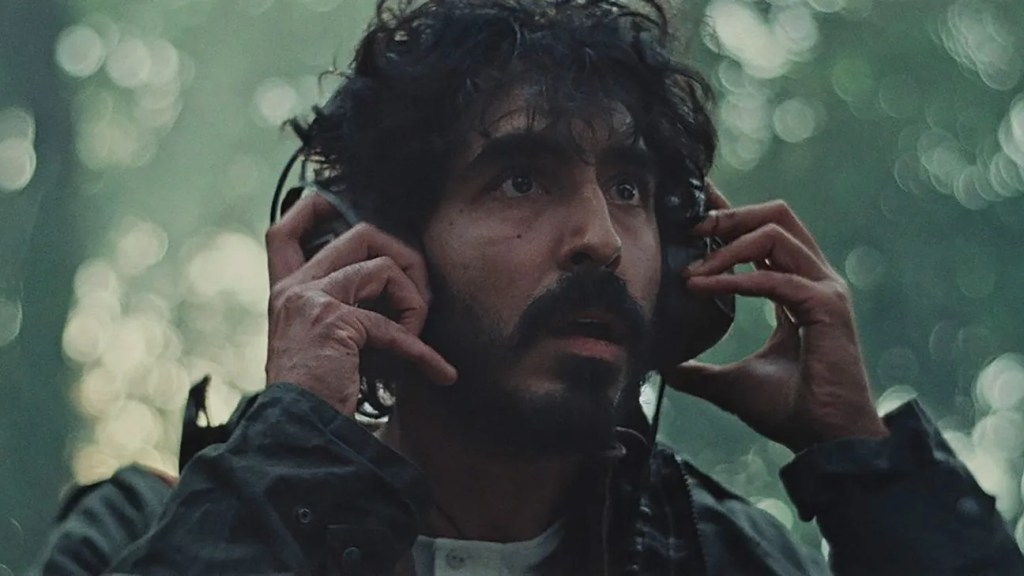
Last year I wrote a Six Damn Fine Degrees on Folk Horror, where I talked about the fact that the genre has a very well established horror formula. But that its brilliant that inventive film makers are moving into that genre and using to tell stories that defy the obvious, and use the trappings ahem of the genre to explore ideas and tell rich and engrossing stories. To that list, I’ll need to add Rabbit Trap. It’s a new film so I’m going to avoid spoilers – but in the most general terms this film starts out very much as a generic folk horror. Like Starve Acre it opens with an urban couple relocating to the remote Welsh countryside in the recent past (in this case 1976). These modern mid-’70s types – superbly acted by Rosy McEwen and Dev Patel – seem intent on capturing the sounds of the local wilderness on their newfangled tape recording technology. Folk horror enthusiasts will know that this sort of intrusion does not go unpunished and, well, that’s where I’ll have to leave it plotwise. Just that I enjoyed how this film clearly knows the folk horror formula, but still manages a final act that I found surprising and utterly moving. Excellent stuff.
— Alan
Hitchcock/Herrmann (2025) / Benny & Hitch (2022)
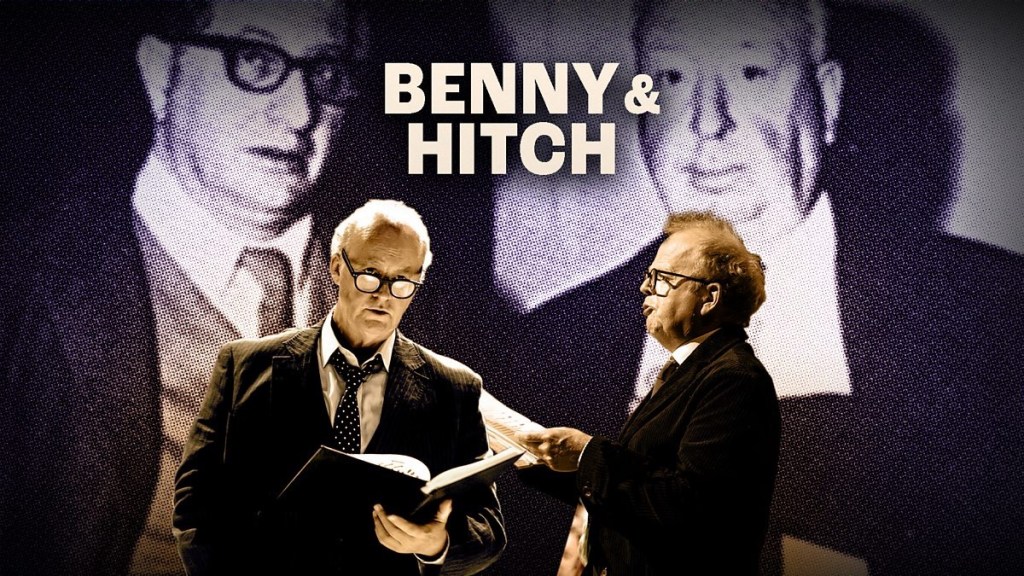
The most famous and fruitful director/composer relationship must still be the one between Alfred Hitchcock and Bernard Herrmann, maybe because in only eleven years, it spawned some of the greatest films (Vertigo, North By Northwest, Psycho!) but then also came crashing down over creative differences and studio interference over the score of Torn Curtain in 1966. I recently had a chance to explore two formats, a BBC radio play and a new book by dedicated Herrmann biographer Steven C. Smith, which shed new light on how things went down between the two.
The 2022 radio play features exquisite takes on Benny & Hitch by Tim McInnerny and Toby Jones, accompanied by the BBC Concert Orchestra. It’s a moving, excruciating insight into two men‘s egos and obsessions and how they aligned perfectly at first but then came to loggerheads over Herrmann‘s refusal to compose a hit song and score as demanded by studio executives. The brutal divorce of two masters of their craft is vividly retold in Smith‘s Hitchcock/Herrmann as well, with many former collaborators and contemporaries sharing their insights into why there was never again a Hitchcock film scored by Herrmann thereafter. It’s a tragedy of almost Greek proportions, but what remains has only grown in popularity and importance: simply one of the best marriage of music and film.
— Sam
What We Do in the Shadows Season 6 (2024)
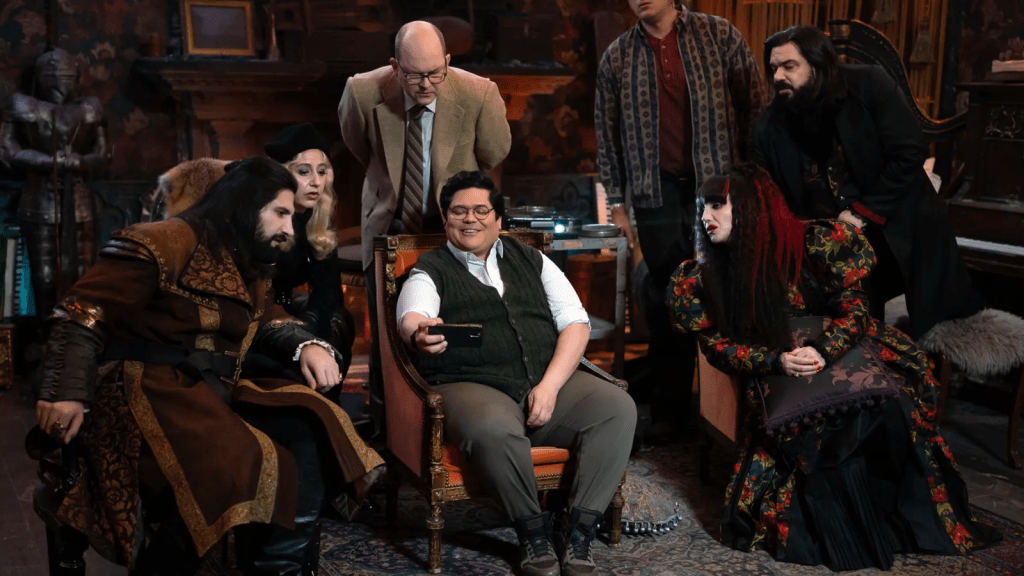
It took me a bit to get around to it, but What We Do in the Shadows‘ final season was, fittingly, a lot of silly nonsense held together by the cast’s winning chemistry. The core theme isn’t particularly final season worthy – exploring the world of corporate finance and discovering the human vampires within it – but it gives the cast an excuse to hang around and try to fit in with normies, which they manage surprisingly well. Maybe the vampires are still human after all, or maybe there’s a vampire in all of us, or maybe… both?
In a brave move. the finale doesn’t go for just bittersweet: it makes it clear that anyone expecting meaningful change or progress for these individuals was fooling themselves from the beginning. But, it also gives us the tender moment at the end where Nandor and Guillermo finally admit their feelings share a moment of real bonding, and potentially ridiculous adventures awaiting after the credits roll. After 6 years, the Gandor/Nandmo shippers finally got some sustenance — and then the show ended. C’est la vie, n’est-ce pas?
— Eric
Yes – Close to the Edge Super Deluxe Edition (1972/2025)
As a progressive rock fan – Yes Yes, boo hiss – these guys have never been my favourite band (and can someone please explain Jon Anderson’s lyrics to me someday?), but I can’t ignore their legacy either. Close to the Edge has had exactly seventy bazillion rereleases, and I’m not going to talk about this one’s oddities and rarities or the live versions or the Dry Mix of America (well-titled as it may be), but the main event. Close to the Edge opens with a nearly 20-minute song that’s divided into parts like a suite. It starts with a full-on jam of lurching instrumental lines in odd time signatures broken by ah‘s from Jon Anderson, before moving onto a recognisable melodic theme. It’s a weird introduction, but it invites curiosity, and the rest of the track delivers. The highlight is Rick Wakeman’s use of an actual church organ in the middle section, titled “I Get Up, I Get Down”, which flanks a magnificent vocal line and harmonies from Jon and the band into something approaching beatific euphoria. A gorgeous moment; and then the rest of the band crashes in and smashes it to smithereens, before picking all of it back up and synthesising everything that came before into a harmonious coda. A feat of composition for a rock band, and it’s only the first track. The rest of the album can’t live up to all of it, of course, but the tracks that follow are beautiful in their own right.
But fans of Yes already knew this. What’s so special about this Super Special Extra Ultra Luxe Deluxe version? Well, apart from those rarities and bookends, there’s a new Steven Wilson mix, instrumental versions, and the remastered original mix from 1972 for purists. But also – and this is the ticket – Wilson’s also gifted us new Dolby Atmos and 5.1 mixes. The results are stunning. I ran the 5.1 DTS HD mix on my speakers, and the instrument separation, clarity, and expansion of the sound stage are a class act: the mix remains respectful of each track’s original vision while opening it up, exposing exactly why the album is a tour de force. When the church organs in “I Get Up, I Get Down” kick in and the vocal harmonies flood in from all around, it’s transportive in a way a flat stereo mix can’t begin to approach. A wonderful experience, let down only by the knowledge that it ends.
— Eric
 A Damn Fine Cup of Culture