Welcome to Six Damn Fine Degrees. These instalments will be inspired by the idea of six degrees of separation in the loosest sense. The only rule: it connects – in some way – to the previous instalment. So come join us on our weekly foray into interconnectedness!
There’s a host of great directors that made their names in the 1970s, producing a body of work that revitalised moviegoing at the time and which still stands up to this day. But there is one genre that seemed to be beyond them – where their adoration of the past seemed to prevent them from producing something new and, crucially, very good.
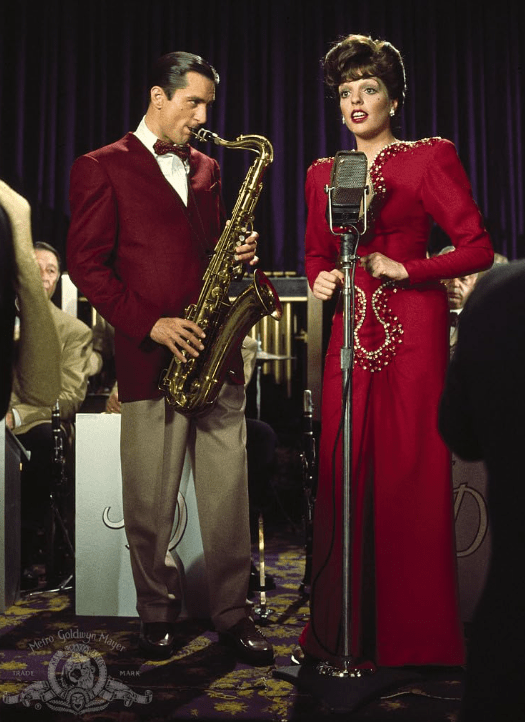
Martin Scorsese’s contribution to the genre was New York, New York. It’s the title track here that has gone on to have far more success than the film itself. Indeed, I remember being quite surprised by the fact that the song was written for the film, rather than being a much older standard that the film took its name from. I had high hopes going into this – not least because the two leads here are Robert DeNiro and Liza Minelli. But it’s a surprisingly meandering film: the slow-burning tale of two artists struggling to make their love work given the demands of the creative lifestyle never quite bursts into the sort of vibrancy you’d want from a musical. DeNiro’s angry, violent misogynist makes it impossible to root for their romance as they go from argument to argument – a tedious repetition that makes the film feel every second of its one hundred and fifty-five minute run time.
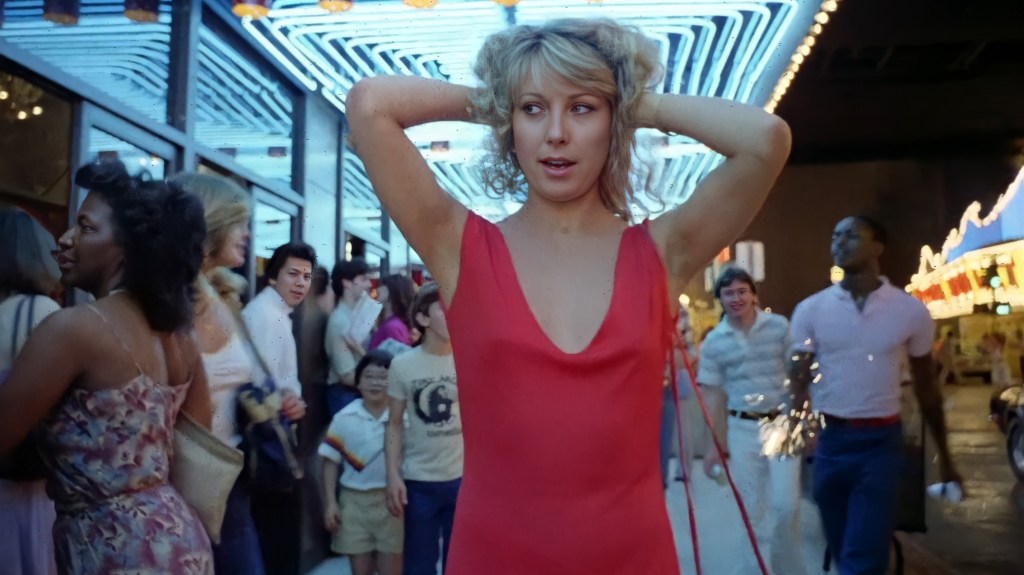
Having to sit through countless tedious arguments is the same flaw that bedevils Francis Ford Coppola’s One From The Heart. Another couple seem to be breaking up, prompting them to go on parallel adventures in romance. Jealousy and anger then drives the guy to cross all sorts of red lines with a view to getting the love of his life back: actions that, again, make it impossible to root for their romance. There’s something genuinely striking in how both Coppola and Scorsese, when working in the genre best suited for couples in love, seem hellbent on exploring frustrated, emotionally inarticulate men, excusing their shocking misogynistic behaviour.
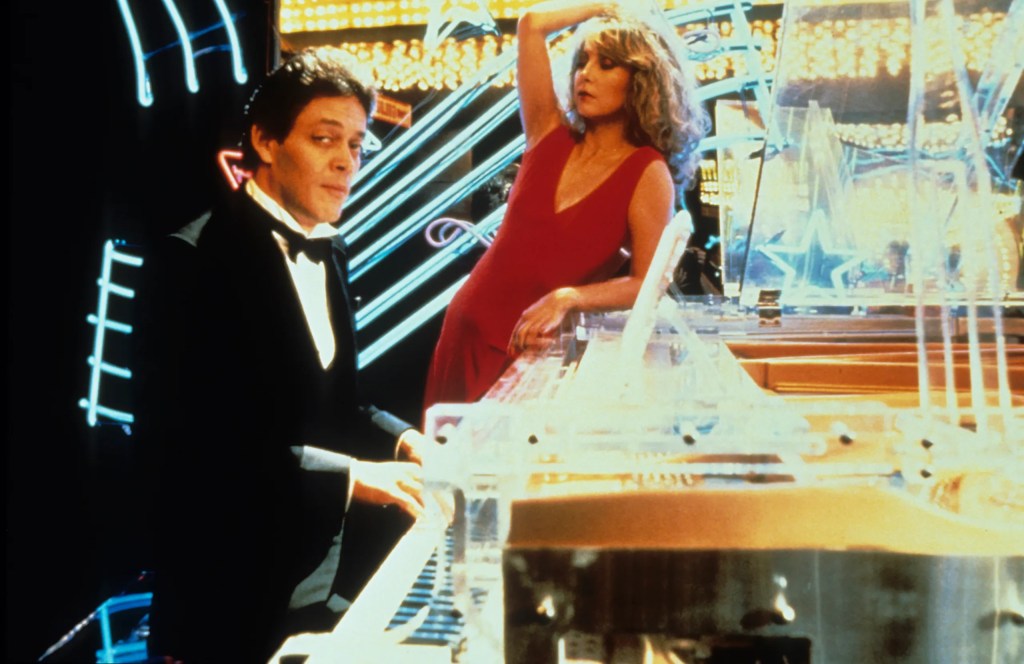
Still, One From The Heart does have a few things going for it. Coppola understands this is a great genre for inventive visual storytelling – and embraces this concept wholeheartedly. There are some striking visuals and beautiful moments – model work, creative transitions and epic sets combining wonderfully to create proper musical moments. Terri Garr is great in this, but as with Liza Minelli in New York, New York, you spend most of the film screaming that “You can do so much better!” than the guy the film dooms her with.
There’s also the added curio of a pre-Addams Family Raul Julia as the exotic potential Latin lover of the female lead, while Nastassja Kinski plays Manic Pixie Dream German for the main guy. I couldn’t help but feel that a film focussed on these two would have been far more fun than the parade of arguments of the regular leads.

One of the biggest movie brats of the decade Steven Spielberg seems to have wisely eschewed the genre at the time of his heyday- with only the opening of Indiana Jones And The Temple Of Doom presenting us with his own take on a Busby Berkely sequence. It’s a fun opening, but while it’s got the savvy to copy the Berkely style, it doesn’t manage to do anything striking or interesting with it. It’s a by-the-numbers clone that works for the film – but probably highlights why Spielberg was wise to avoid a full-blown film like this. Only much, much later was he to make a full-blown musical with West Side Story: an interesting remake, with some thrilling cinematic moments, but one that never quite breaks out of the shadow of the original and the cultural phenomenon that was.
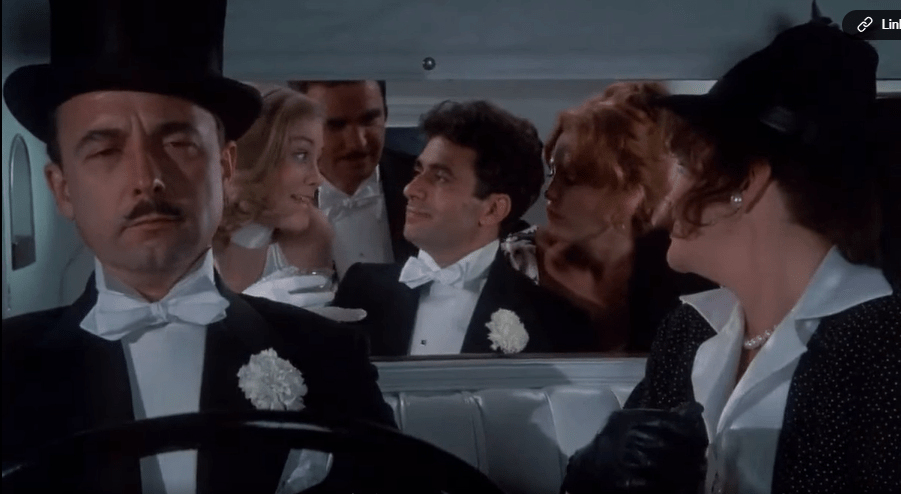
Peter Bogdanovich was perhaps the director to emerge in the ’70s who was the most besotted with the past, and it really shows in At Long Last Love. He embraces the Cole Porter songbook, placing his leads in the most lightweight of screwball situations, scenarios realised in the most opulent period production. Inspired by the very earliest musical films, Bogdanovich had the cast singing live on set to camera, which leads to some decidedly mixed performances.
It was an approach that attracted truly poisonous reviews at the time – so much so the director was to place adverts in the trade papers apologising for the films – but I will admit I found it quite charming. Well, charming some of the time. It doesn’t quite work in all the numbers, but when it does – including a truly delightful car ride – it feels wonderful. Actors with limited voices embracing the thrill of singing can be quite lovely. And it’s a real mixed bag of actors with massively varying singing talents: Burt Reynolds, Cybill Shepherd, Madeline Khan, alongside Murder By Death and Clue’s Eileen Brennan. The fatal flaw, unfortunately, is that when it doesn’t work, which is just too often, it comes across as the most indulgent, expensive, twee school production ever cringed into existence.
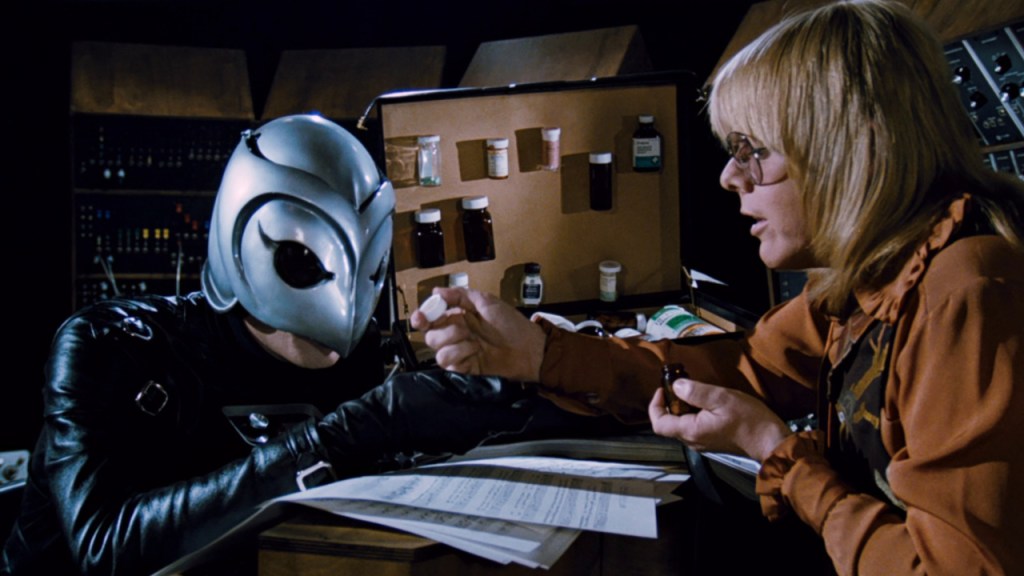
While Bogdanovich’s film gives off the air of a school production that’s trying desperately to do an impressive take on an established classic, Brian De Palma’s Phantom Of The Paradise is the school production where the drama teacher is desperately trying to convince the kids that he’s ‘cool’ and can speak their hip street lingo. It’s an over-the-top rock musical comedy horror that wants to riff on Faust and The Phantom Of The Opera but in the end feels more Scooby Doo and the 1960s Batman TV series.
Not that that is entirely a bad thing. De Palma goes full throttle on the goofiness, and while you can spot a mile off where the story is going, he’s got enough visual invention in how he treads that predictable route to keep it interesting. And it’s nice to watch a De Palma film and not be spotting all the elements he’s ripping off others but instead spotting how later directors – especially Sam Raimi – were influenced by him here.
It’s tempting to give him a pass; De Palma took a big swing, and sometimes that’s gonna miss. Only, for a musical, it’s not really a big swing. A predictable plot, nice visuals, decent song staging – this feels like the very least a good musical should do. Throw in some acting performances that make you miss the thespian subtleties of The Monkees and, by the end, its limitations are all too obvious.
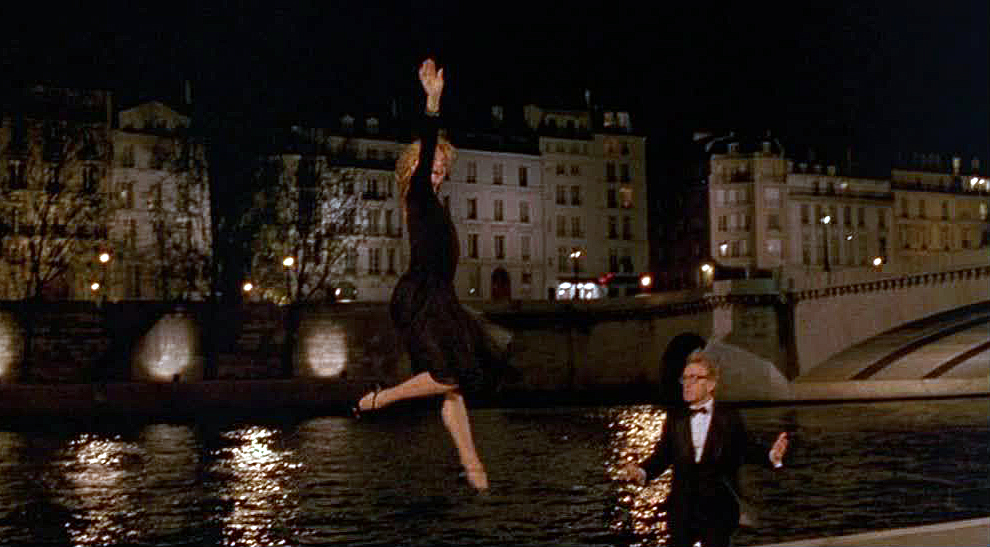
Maybe the solution might be to embrace those genre limitations. To not try too hard with the musical format. And this could be why the director that emerged in the ’70s that I think made the most successful musical is, of all people, Woody Allen. Everyone Says I Love You isn’t shy of embracing the uncomplicated fun of the genre; Unsurprising, given that its title track came from a Marx Brothers movie. Effectively a jukebox musical of great tunes, strung together with a smart little plot and milking a great deal of comedy from the idea that anyone, anywhere could start singing. Like Bogdanovich, there’s certainly a vast amount of twee underpinning what’s going on here – but the script is funny enough to stop the whole thing being as cringeworthy as At Long Last Love.
Cringe-free to a point. The fact that there’s another of Allen’s smart sassy teen characters at the centre of it all is an uncomfortable watch these days, but it’s hard to deny how good Natasha Lyonne is here in what was one of her first acting roles.
I’m a fan of classic Hollywood, so I’ll always have time for the nostalgia of a musical. But it’s striking that none of these directors were able to – in any way – move the genre forward. They were either too rooted in the past, or tried something new that the public did not care for. Maybe it’s a difficult genre to get right in new and interesting ways – and as a result, there’s no shame in trying and not quite making it.
 A Damn Fine Cup of Culture
2 thoughts on “Six Damn Fine Degrees #214: ’70s Movie Brat Musicals”