That’s some tasty bird, man!

It’s all about acting, here and elsewhere, in many ways, full to the brim, devil-may-care, and please-help-I-am-going-down. Riggan Thomson hears a voice, and sometimes that voice has a body, and it’s that of his biggest role, an action superhero called Birdman, and his voice sounds just like that of Christian Bale in the Batman movies. You know why that is, don’t you?

8355069_f35e82c77b_m

Riggan’s nerves are frayed because he is going to star in his own stage adaptation of Raymond Carver’s short story What We Talk About When We Talk About Love. He’s right to be nervous because other people have done very good things with Carver’s writing. You know about that, too, don’t you?

i-m-in-supreme-appreciation-of-the-birdman-soundtrack-and-everything-else-in-this-delightful-flick-e9db3846-631d-49ee-a2b4-807830ba1f68

Acting is about agony as well as ecstasy, with considerably more of the former. Riggan’s nightmare becomes worse when he has to hire Mike Shiner, famous and difficult, but he can act, and he will sell tickets. Shiner, who can only perform on stage, is Lesley’s boyfriend, and Lesley is also in the play, and when Lesley is kissed by Laura, we remember how Lesley once kissed someone else, also called Laura.

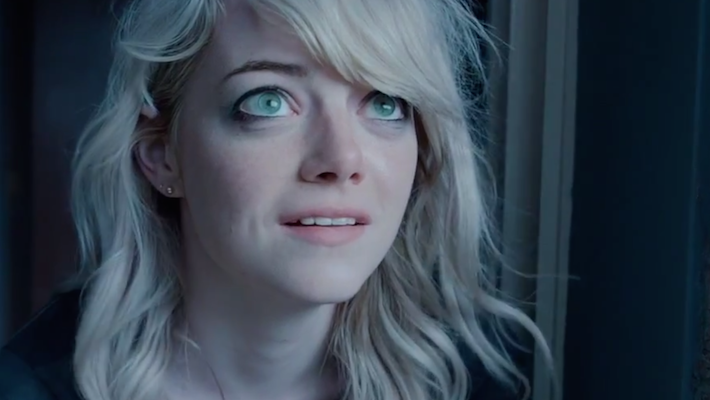
For everyone involved, theatre is a nightmare, addictive but entertaining, like an infinite jest, but look how it can also accommodate all kinds of people. Riggan has a daughter, Sam, just out of rehab, who takes care of his flowers and his make-up stuff and of the lonely concession stand. The rest of the time, she is up on the roof, thinking about thinking about jumping, and thinking about falling for a prick like Mike Shiner. Sometimes she prefers kissing, sometimes jumping seems like the better idea.
emma-stone-birdman

There is also a megalomaniacal side to Riggan. He can move objects and people by sheer willpower, and he thinks he can make Tabitha write a favourable review. Since Tabitha gives him a look that reminds him of Lindsay Duncan, he is powerless. That look would make the Hulk shrink. Sometimes, theatre is about shouting and crying and deception and utter despair, sometimes it is about love and snogging, and about sharing a vagina.

There are cameos that refer to other things: Spiderman, Ironman, Superman. Chekhov’s gun. Scorsese’s feverish ambition. Macbeth‘s darkness. It will all make sense, in the end. So when you put yourself in Sam’s place in the last scene, who do you see hovering outside the window – Riggan Thomson or Birdman?
Solace for severed feet

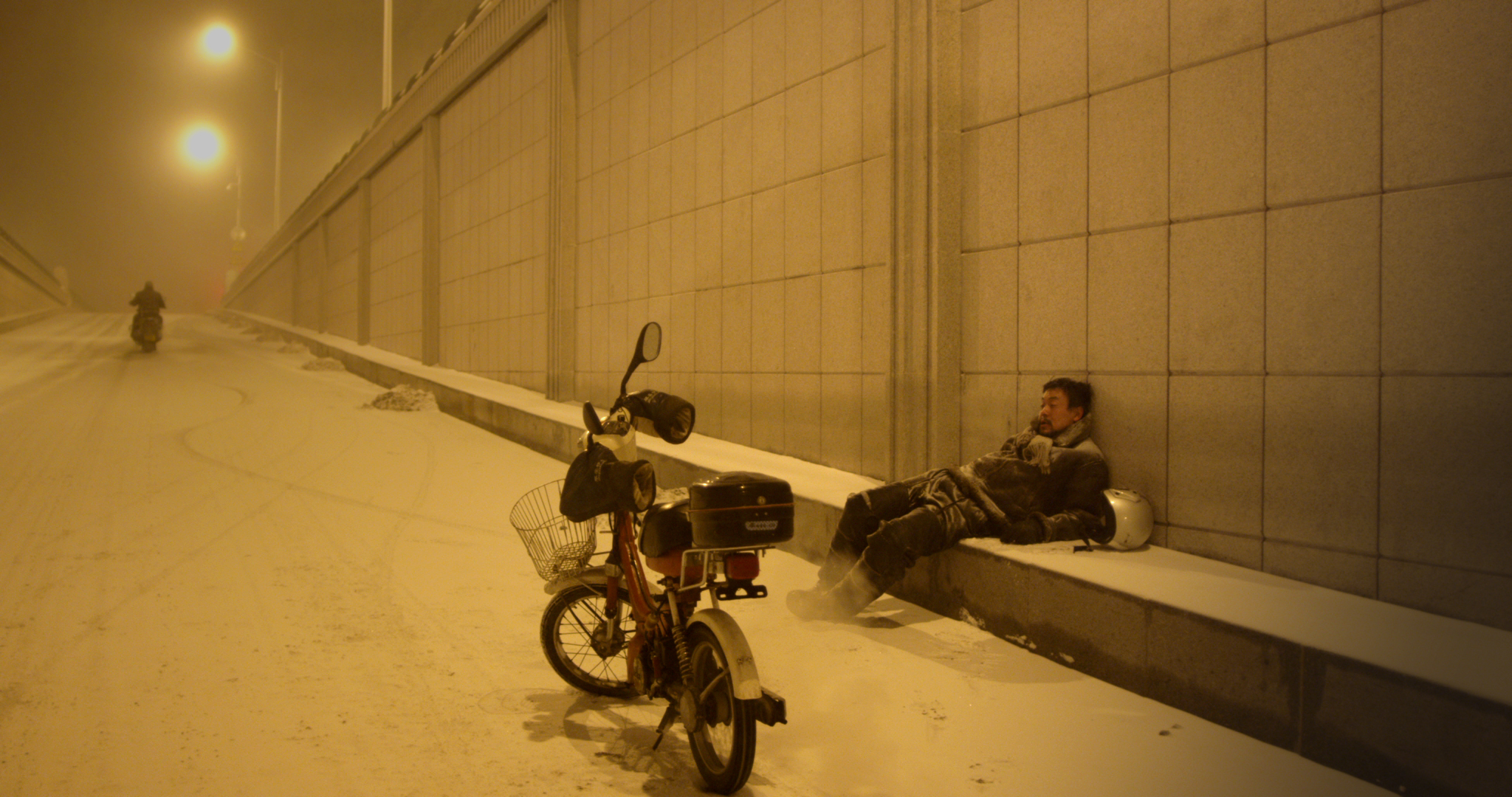
Black Coal, Thin Ice is a Chinese film noir. The noir is mostly in the surroundings: the frozen ground, the sickly streetlights, run-down shops, derelict housing. People in this Northern city are cold, red-nosed, folded back on themselves. The landscape is bleak, covered in dirty snow and hard-baked ice. On slightly warmer days, there is thawed mud and the swarm-like soot of the coal-fueled power plants hovering in the grey sky. This is not a happy place.

index

If the noir is the backdrop, then by contrast, the people might seem less mean, right? Of course this is a ploy to make us care about them a little more. But hang on – someone very twisted is dismembering men and throwing the limbs onto lorries that bring the black coal to the power plants. Two police officers and a few unlikely suspects lose their lives. Black Coal feels like the Dardenne brothers lost a bet and had to go film a James Ellroy screenplay in the Chinese province of their choice.

20143347_7_IMG_FIX_700x700

Soon enough, another suspect drifts into focus, but he dies fleeing from the cops, taking every chance of finding out motive with him. The cops realize that the dead men were the husband and subsequent boyfriends of a woman who is working at a dry-cleaner’s. She is petite, brittle, fragile. There is no way she could have dismembered those guys, is there?

The guy who tries to figure out things is no longer a cop, but a security man, divorced, awkward with women, and a drunk. His motorcycle is stolen in front of his eyes. People eat, drink, dance and fuck in cheerless, soulless places. They steal from one another, they shout, kick and stumble from one day towards the next. There is always noise: the rumbling streetcar, car alarms, fighting neighbors, washing machines, conveyor belts, trucks, brothels with hysterical customers, and a creaky, untrustworthy merry-go-round. Footsteps. Gunshots.

Feuerwerk_03_Liao-Fan-©Weltkino-Filmverleih

And in the middle of this, there is that beautiful scene at the ice-rink that involves wonderful magic and subtle courtship. The final scene features daylight fireworks, which is one of the most fitting endings I’ve seen in a long time. Daylight fireworks is also the apt original title for the movie. Black Coal, Thin Ice doesn’t tell you an easy story, but there is a kind of stubborn hope in there, and the film knows where it wants to go underneath its rough-hewn surface.

Darkly funny, with teeth

It’s the darnedest thing with What We Do In The Shadows: coming out of the movie theatre, I thought I had seen an OK comedy, and now, I still think about it with a smile. I guess I like it better than I wanted to admit.

What-We-Do-In-the-Shadows
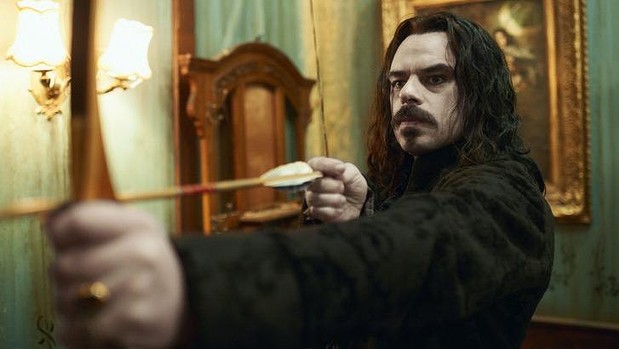
What We Do… tells about the problems and pastimes of four vampires from all over the world and from different historic eras who now live together in an old Wellington house. Viago is from late Renaissance and has come to New Zealand for love; some nights, you can see him staring at a window of a retirement home in which his immortal beloved, now a 96 year-old woman, is watching TV. He doesn’t mind the age gap – he’s four times older than she is.

ababd-what-we-do-in-the-shadows-dance

There’s Vladislav from the early Middle Ages, and really rather violent when he finds out that modern people no longer succumb to his powers of suggestion and hypnosis. When people catch him staring through the window into their living-room, they invite him in. He is mortally afraid of the Beast, who is not who you think it might be. The youngest member is Deacon, a nazi vampire, who actually boasts about his involvement in highly unethical medical experiments. He thinks he is a great erotic dancer, but… erm, no, he isn’t. The oldest inhabitant is Petyr, who is over 8’000 years old. The others are in awe of him and don’t dare complain when he doesn’t do the dishes.

What-We-Do-in-the-Shadows-3

I guess I liked the jokes and funny situations as much as anyone, but I sometimes need some kind of minimal story to go along with. There are a few scenes where the vampires have to get along with a bunch of werewolves who try to work on their bad behavior: “Remember your manners, guys: werewolves, not swearwolves.” On the whole, the movie consists of a 86-minute parade of vampire jokes, most of them funny. I liked the two young girl vampires who have made it their mission to kill every pedophile they can find. What We Do… is a comedy on the surface, but there is dark stuff lurking underneath.

There is a new addition to their group by accident: Nick, who goes around telling people he starred in Twilight, and nobody believes him because, well, he looks nothing like Robert Pattinson. Perhaps the biggest joke of them all is not in the movie, but in the production notes: Some of the scenes were shot at the place where they shot some of the Lord of the Rings stuff – it’s impossible to tell since all the scenes take place during nighttime.

Article Lead - wide6101234410bq791409740332652.jpg-620x349

There is a human friend, Stu, who tells the group about modern communication. When Deacon receives his first ever text message, it’s from Vladislav: “There’s a crucifix behind you.” Poor Deacon almost jumps out of his skin. Viago, before biting his virgins, makes them dinner and plays a song on his guitar: “They should at least feel good and have fun before I kill them.” And so on. If you need a really strong story in a movie, look elsewhere. If not, you are in for a really funny comedy.

Force Majeure, medium strength

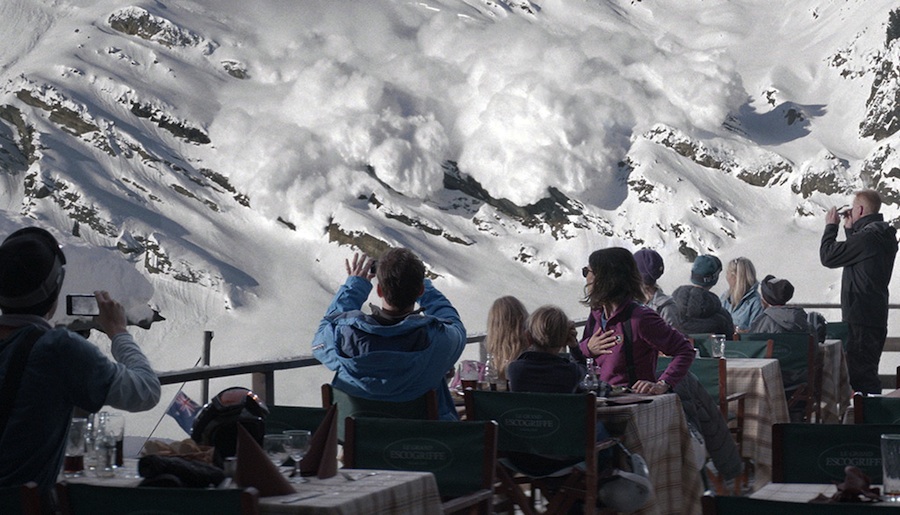
The Swedish movie Force Majeure, or Turist, as it is called here in Switzerland, is a mediocre affair, but you can almost see the very good movie it has entrapped in itself. A Swedish family is on a skiing holiday in a French resort when they are sprinkled over by the fallout clouds of a controlled avalanche. While Ebba, the mother, instinctively stays to protect the two kids, Tomas, the father, runs away.

photo_01-1

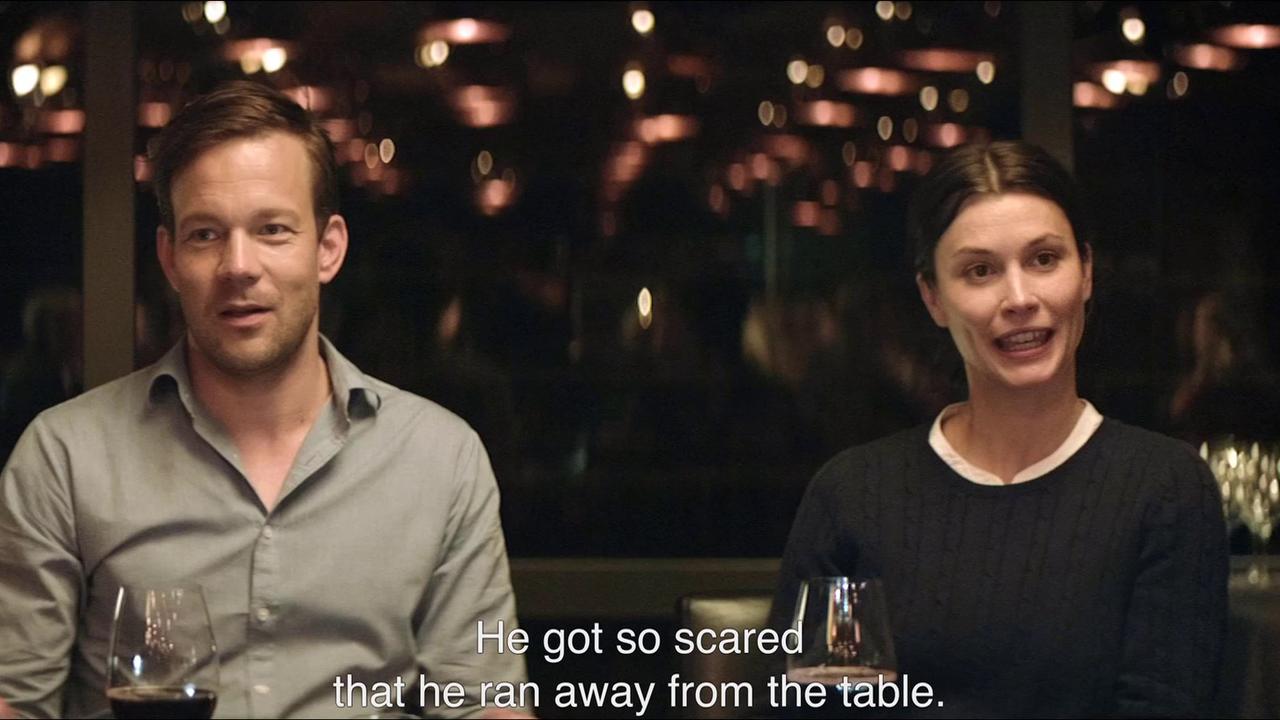
Ebba is devastated that her husband would abandon his family in a dangerous situation, while Tomas claims he did not flee the scene. Their marriage has its first cracks, and the two kids are afraid their parents might be getting a divorce. Ebba and Tomas only very eventually broach the subject because, well, sometimes the ones closest to you cannot tell you the truth because a) they don’t want to hurt you, and b) they will have to live with the consequences their telling might bring.

turist-framegrab

This is all very well handled, but there are scenes that are only loosely connected to that main story. There is a bit where Ebba is talking to a woman who is married while she and her hubby keep seeing other people. That scene is there because Ebba now knows that her husband is much less reliable than she would have guessed, and she is trying to find out if other people have to deal with such weakness, too. But instead of talking to that woman with her strong sense of self, Ebba could have talked to the woman’s boyfriend who is there with her at the hotel. What is it like to be the boyfriend of a married, strong-willed woman? Do you consider yourself a weak man beside a strong woman, or do you have to be just as strong to keep up? We get much less from Ebba in that scene than we should – we merely learn that she could not live in an open relationship. But we already guessed that.

There are good things in Turist, too. You might remember Kristofer Hivju from Game of Thrones because of his flaming red hair and beard and intense eyes; here, he plays Mats, the soft-spoken friend who has brought his 20-year-old girlfriend to the resort and feels he has to negotiate between Ebba and Tomas because, being divorced, he is an expert on marriage and relationships. The scenes between him and his girlfriend are very funny without breaking the ominous atmosphere of the movie’s main story. Ebba and Tomas always start their fights in the corridor where everybody can hear them, instead of fighting in their apartment in front of the kids. Another good thing are the expository scenes with the avalanche cannons and snowplows. And it is a very bold choice to play Vivaldi’s Summer over scenes of dense snow.

Force-Majeure3

The movie ends twice. Ebba goes missing in dense fog, and Tomas finds her, his masculinity half-way restored. Then the bus on the way home almost crashes on the serpentine mountain road, and they continue their journey on foot. Both scenes would have been good endings. To leave them both in there is to add unnecessary running time. Drop the ending in the fog, and drop the conversation between Ebba and the other woman, and you have a better movie.

About Medea

I don’t get Medea. I am sure that is the point of the play. Some theatre productions give her a motive for killing her children: revenge, bloodlust. Love. Loyalty. These are all different interpretations; in the end, we just don’t know.

15-223

What the inspired people from Bern-based theatre company Faust Gottes have done with the material makes for a fascinating 90 minutes. They are working together with vocal ensemble Suppléments Musicaux, musicians from Campo Fiorente, and the BeST student theatre. There’s a Greek choir at the entrance you have to walk past. Then there’s the eerie, jarring soundtrack. The play itself uses all kinds of conceits: I think I’ve identified elements as diverse as the Trololo Man, a casting show, a party rally, a pompous speech, and slight allusions to Peter Greenaway and Julie Taymor’s Titus Andronicus. Mundart. Internet trolling. Literary history. Musical numbers. Slow-motion party revels. Mindless fame-worshippers babbling nonsense. High pathos is followed by bleak realism. Most theatrical productions with so many twists and double-backs turn into something like a muddy pick-n-mix. Not this one. It’s on of the best plays I’ve seen in quite a while.

Among the performances, two stand out. Kudos to the actress playing Medea because it is such a difficult role to pull off. Medea, the character, is overwhelmed, and overwhelming. And there is an irresistibly camp Kreon who behaves like Liberace was given an island to rule over.

While the party in Corinth must go on because her husband Iason is marrying Kreon’s daughter, Medea is on her downward spiral. She gets derided, scorned, molested, cast out and is generally ignored, while keeping her thoughts more and more to herself. There is a scene towards the end where she takes her time to put on make-up. You know what’s coming. The longer the scene goes on, the more hopeless I felt. There is a chill in those moments that made me fidget in my seat.

515523_1

Any yet, throughout the play, Medea does not let her shoulders slump. She doesn’t flinch. It’s the darnedest thing: She is not free of guilt, but I still somewhat empathise with her. What she does is horrific, but what happens to her is just as horrific. You want to look away, but Medea keeps staring at you.

“Medea” is on every night this week at the Tojo Theatre, Reithalle Bern, Switzerland, until Sunday, January 11.

Things I’ve seen in 2014

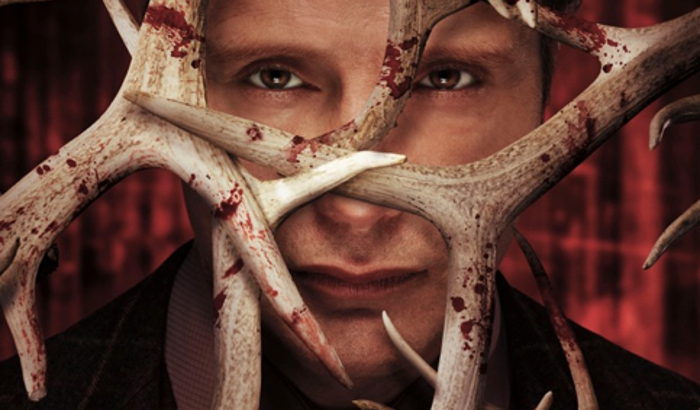
It’s been a year of good series. The palatable horror of two seasons of Hannibal, which is much, much more than a retreading of the Thomas Harris books. The creepiness of Les Revenants, an elaborate French ghost story. The film-noir style and jarring relationship between the two cops in True Detective. The first season of The Fall with its head-to-head between a cop and a serial murderer. The first season of Utopia in which five comic-book fans try to decipher their favourite graphic novel. (The Fall and Utopia clearly turn for the worse in their second seasons.) Happy Valley. I also found good things in Broadchurch, The Leftovers, and Top of the Lake.

hannibal2top LesRevenants jessica_hyde_by_hortensie_stone-d7qr0a3

Movie-wise, it was a year of diminished returns, but I would like to point out The Salt of the Earth, Nightcrawler, Everyday Rebellion, and Blue Ruin. I’ve written elsewhere about Ida and Locke, but the annual movie cake must go to the excellence of Under the Skin. I’ve praised Jonathan Glazer’s movies elsewhere, but I’ve seen this one first drunk, then sober, and it works both ways. Some scenes are so strong that they have become part of my movie-going DNA.

under-the-skin

In some respects, Under the Skin is a horror movie, but there is really only one moment where you might jump out of your seat. At its core, it’s a story about… well, an alien visiting Earth, for whatever reason or to whatever end. She (she?) is very busy trying to get to know the human race in a lonely, isolated Scotland. She lures males into a pool of black quicksand, and since she looks like Scarlett Johansson, there are several willing victims. She’s not evil, but seems to imitate what she thinks is female human behavior. To her surprise, she discovers in herself a kind of empathy, until she no longer has the upper hand.

Since this is the point where one chapter ends, I would like to thank Matt K. for Les Revenants, and Patrick M. for Southland. Another chapter will begin soon: I am looking forward to Inherent Vice and Birdman. Countless surprises await in the rectangular dark. We’ll see.

Murder is in the details

Serial is the most successful podcast around these days. At its core, it’s about the 1999 death of a Baltimore County high school student called Hae Min Lee, about her ex-boyfriend Adnan Syed, who is serving life in prison, and about Jay, the guy who testified in court that it was Adnan who killed Hae.

logo

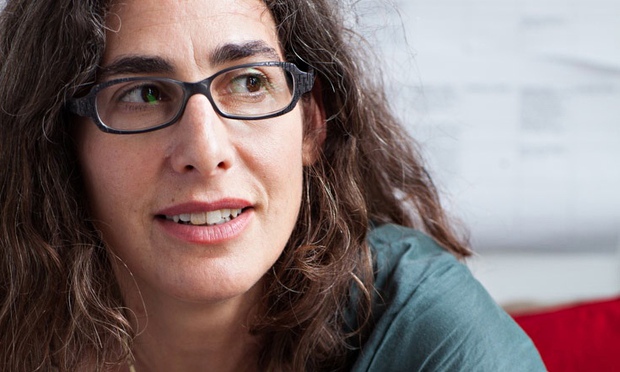
All this is told in weekly instalments by journalist Sarah Koenig. The material she presents is intriguing, but I think Koenig herself is the key to Serial‘s success: she asks the right questions, provides smart answers, and is unafraid to confront many of the people involved. After twelve months of researching Adnan’s case, she does not claim to know the truth – she still isn’t sure if he is guilty or not. Her point is: the trial was too weak for Adnan to be convicted. I agree. There are too many unanswered questions, too many incongruous details.

And she avoids the greatest of pitfalls: she doesn’t sensationalize. She’s simply curious about what has happened, and we are allowed to come along. She has the right kind of voice for this – at times, she is annoyed, surprised and suspicious just as her audience must be.

I don’t have a particular problem with a real-life murder case being used for entertainment – if it comes along smart and knowledgeable like this series here. Koenig and her team could not have foreseen the success that Serial has now. And if it leads to pressure for a re-trial or to a case review, why not? I only have a problem with those amateur sleuths who gain access to trial documents and then publish the names and details of persons who are connected to this case whose names Koenig withheld intentionally. Adnan’s family also gets pestered by people who want to know if they think that Adnan is a psychopath.

Sarah Koenig

Dramatically, Serial is a risk. This is about real life, and it won’t bow to conventional storytelling. Koenig has gotten so many donations that there will be a second season – maybe about another crime with its open questions and incongruities. Meanwhile, Adnan Syed’s case has been taken on by a group of lawyers connected to the innocence project, so whereas Serial will definitely come to its end next week, the case might go on. So be it – this might well turn into a podcast that has an impact on the US legal system. Imagine that.

Unhappy happy valley

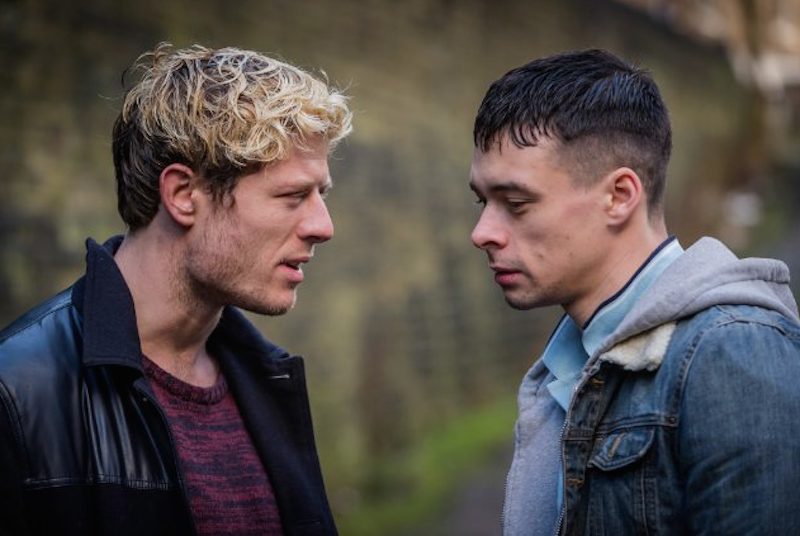
Poor Catherine Cawood. She is police sergeant of a small Yorkshire village. She sleeps with her ex-husband. She looks after her sister, a recovering heroin addict. She takes care of her grandson because his mother, her daughter, has committed suicide after being raped. The man responsible has returned to the valley, and Catherine is very, very alert, up to the point of breaking a few police rules. Happy Valley might just be the misnomer of the year.

happyvalleysarahlancashire

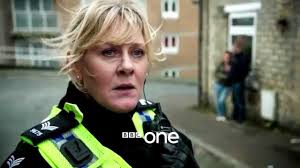
The reason I want to admire this six-part series is the main performance by Sarah Lancashire. She plays her scenes matter-of-factly, but without being hardened or cynical. She is so good that the scenes she is not in feel slightly off. It will be hard to watch her in anything else and not think of this series. On the whole, Happy Valley might not be as even or as suspenseful as Broadchurch, but Sarah Lancashire is more memorable than most of the coppers on TV lately.

Crims-2

Unlike Broadchurch, Happy Valley is not a whodunit. The audience has to wait for the police to latch on to the fact that someone has been abducted. It’s also bleaker and gorier than Broadchurch, but nowhere near The Fall. I like Gillian Anderson as much as Olivia Colman, but it’s Lancashire’s performance that stands out. There is a drunk guy who wants to set fire to himself. Sergeant Cawood arms herself with a fire extinguisher and a pair of sunglasses and goes to talk to the man. Just in case.

Episode 5 is a slight disappointment because there are too many moments of soul-searching and too many family resentments coming to light. Episode 6 is slightly too neat and, at the same time, too undecided about how it wants to end. Never mind – Catherine Cawood is as interesting as was Jane Tennison in her time.

Lunchtime in Mumbai

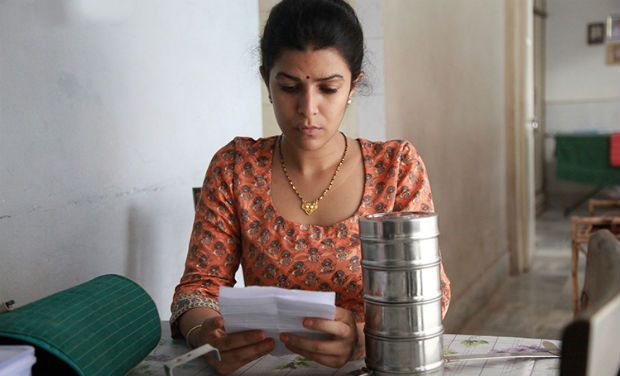
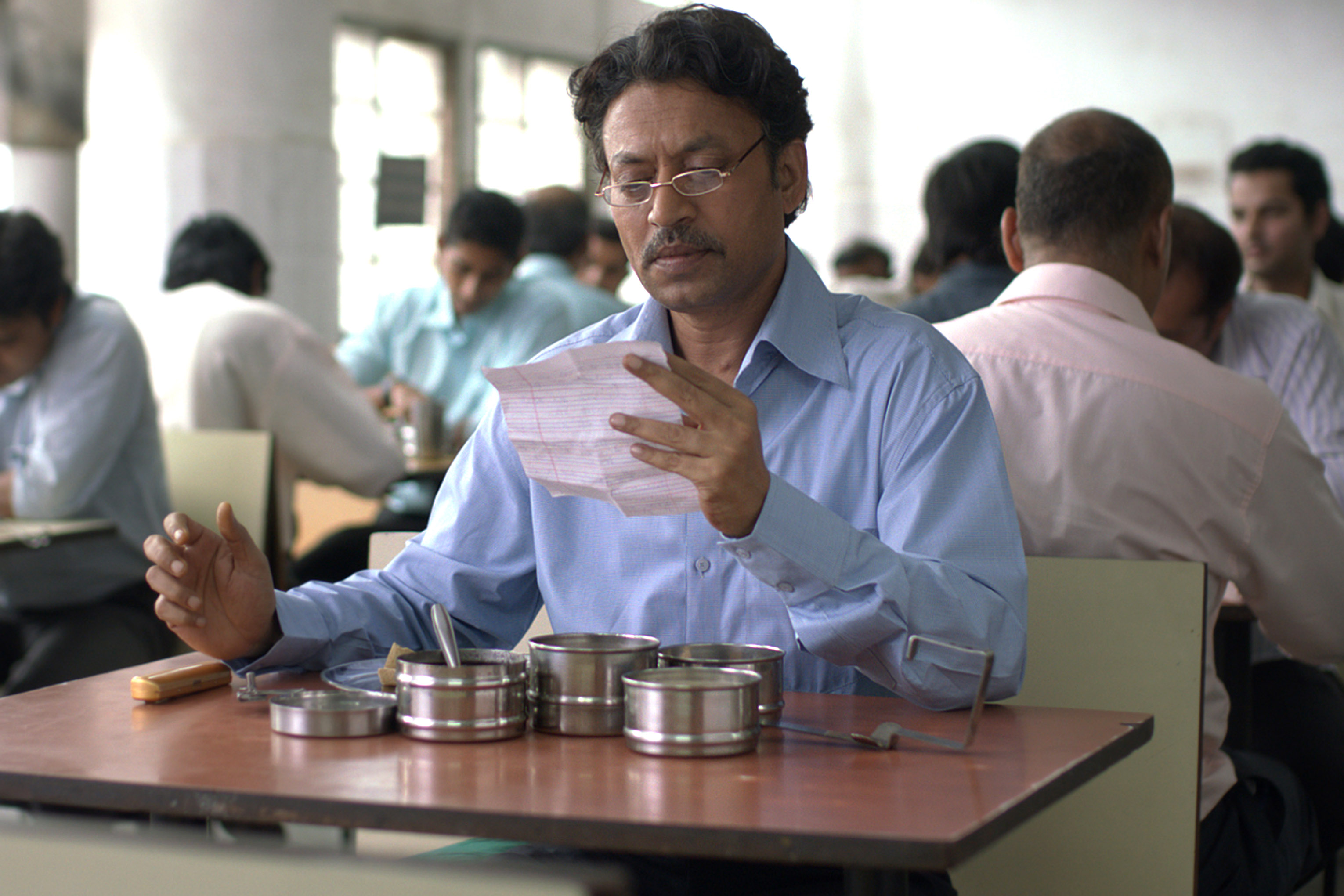
The Lunchbox starts with Ila, a Mumbai housewife and mother, cooking food and packing it in a metallic lunchbox that consists of stackable bowls. That lunchbox gets delivered across Mumbai to a grumpy, lonely office worker. He is mesmerized by the food.

lunchboxIla

If you want, you can look at The Lunchbox as a modern-day fairy tale. Ila wants to rekindle her failing marriage by enchanting her careless husband with outstanding food. We realize only eventually that Saajan, the grumpy office worker, is a complete stranger to her. The Mumbai lunch distribution industry has made a mistake. “Impossible!”, says the man who delivers Ila’s lunchbox. “The people from Harvard have confirmed that our system is faultless!”

She cooks lunch the next day, adding a little note of apology to the bowl with the naan. He writes back, complaining about the salt. A correspondence starts, in which Ila can tell about her loveless life, and Saajan, to his own surprise, tells Ila about his deceased wife. Although they have never met, they feel less lonely that way. The comfort of strangers is the best thing in both their lives right now.

THE LUNCHBOX_1.jpg

A lesser movie would make them fall in love with each other. Not this film, although Ila’s food seems to have such power. Eventually, Mumbai and its overcrowded public transport system play a part. Saajan is assigned a successor, but is not keen on training the man. This movie manages to balance light comedy with darker undertones. I liked the unseen upstairs neighbor, an older woman who shouts recipe suggestions down into Ila’s kitchen. I also liked the small moments of coincidence, for instance the story about the ceiling fans.

The two main leads are played by Irrfan Khan and Nimrat Kaur, who left their impressions at this year’s Sundance festival. The director, Ritesh Batra, grew up in Mumbay and knows a lot about food and the lunchbox delivery system. This movie is his debut and is the result of a documentary he didn’t finish in favor of this feature. Towards the end, one or two scenes feel contrived and on autopilot, but no matter: The Lunchbox is a delight. All that food made me hungry. Maybe once in a while, you should go to the kitchen and cook as if your life depends on it.

Taking the edge off tomorrow

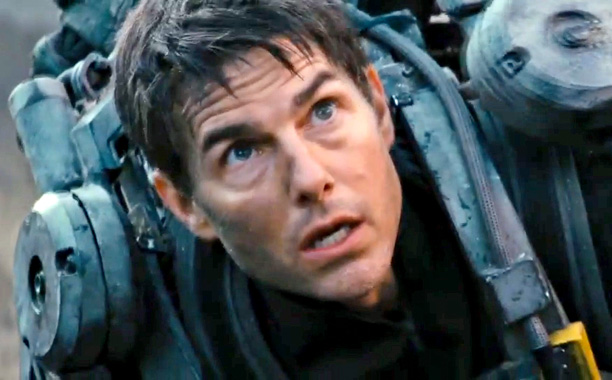
Edge of Tomorrow is a dark comedy, at least the first half. It’s a sci-fi action flick, sure, but that is more like a backdrop for the fun it has with its story. We meet William Cage (Tom Cruise), a high-ranking liaisons officer for the U.S. military, who are busy fighting an alien intruder. Within a few minutes, Cage gets blackmailed, demoted and arrested by his general (played by Brendan Gleeson), abducted by his own army and wakes up in an American army base near London being shouted at by a detail leader who looks like Bill Paxton.

edge-of-tomorrow-trailer

Wait, it gets worse. And the worse it gets, the more I like that first hour. Cage is strapped in a high-tech weapons suit, put on a military aircraft together with his detail  and dropped off over the coast of Normandy, where everything goes fubar. It’s like D-Day orchestrated by Windows 8. There’s a nice running gag about nobody telling Cage how to switch off the safety. Almost everybody dies because the aliens have somehow figured out when and where the U.S. will strike. Cage wakes up again with Paxton staring at him. Reincarnation on repeat is just too much of a hassle – just ask Bill Murray. After he dies a few times more, Cage meets famous war heroine Rita Vrataski who has singlehandedly saved mankind at Verdun.

emily-blunt-edge-of-tomorrow.png

That Rita is pragmatic. She knows about Cage’s loop because she has been in one herself. That loop, if you survive for long enough, gives you insight on how to vanquish the aliens, so whenever Rita feels that Cage is not doing too well, she reboots him. By shooting him. In the head. Repeatedly. I think Emily Blunt has just the right amount of gruff zeal with that role.

The second half of the movie has much less of that grim fun, and the movie is the worse for it. The sci-fi mission takes over, and I won’t spoil anything when I tell you that Cage destroys the alien headquarters. It’s all well made, but it’s by the book. Shame. The first bit has so much going for it. Imagine Tom Cruise running into the baracks, yelling at his platoon: “You’re doomed! Now listen to me! Your lives depend on it!” Cruise, like Cage, understands that this is a funny line, and has fun with it because he is the only one who will survive, no matter what.

edge-of-tomorrowbeach

Those aliens. Some of them look like really aggressive mops that come out of the ground whenever they sense that humans are near. More evolved ones look like Treebeard has gone digital. That’s not too bad, but they’re not as inventive as they could have been. The screenplay is by Christopher McQuarrie (The Usual Suspects), based on a Japanese novel, and the movie is directed by Doug Lyman, who did three of the Bourne films, so he knows how to do a good action flick. My guess is that Lyman knows that, when he’s at his best, his movies are more than just entertainment. That is true for only the first half of this one.