Welcome to Six Damn Fine Degrees. These instalments will be inspired by the idea of six degrees of separation in the loosest sense. The only rule: it connects – in some way – to the previous instalment. So come join us on our weekly foray into interconnectedness!
An Ennio Morricone-scored movie that exists in a variety of versions? When reading Alan’s latest insightful piece on the many cuts initially made to Sergio Leone’s Once Upon a Time in America, I couldn’t help but be possessed by my teenage memories of watching that infamous sequel to a great horror classic, Exorcist II: The Heretic (1977) and learning about the many different re-edits it had gone through – to no avail: The movie was a massive critical and commercial failure and, despite releases of all kinds of versions, has found few friends since.
Léa Mysius’ mystery drama The Five Devils (in the original: Les Cinq Diables) is a frustrating film. It is beautifully made and features great central performance. Its ideas are intriguing, and it looks gorgeous to boot, if in a foreboding, even menacing way. (There are shades of the French series The Returned, and not just in the film’s aesthetics.) There is a lot to like here – but the film is weighed down by misusing a metaphysical conceit that, while it could work well in a different film, prompts the audience to focus on all the wrong things and ask all the wrong questions. What we end up with feels like an incongruous blend of Céline Sciamma’s Petite Mamanand the German Netflix series Dark.
Join us every week for a trip into the weird and wonderful world of trailers. Whether it’s the first teaser for the latest instalment in your favourite franchise, an obscure preview for a strange indie darling, whether it’s good, bad, ugly or just plain weird – your favourite pop culture baristas are there to tell you what they think.
Welcome to Six Damn Fine Degrees. These instalments will be inspired by the idea of six degrees of separation in the loosest sense. The only rule: it connects – in some way – to the previous instalment. So come join us on our weekly foray into interconnectedness!
There’s a lot that gets written about lost Director’s Cuts. Original versions of films that the studio took, re-edited, ruined and then released to mostly audience indifference. Many film fans would queue around the block for a chance to see Billy Wilder’s original version of The Private Life of Sherlock Holmes or David Lynch’s original take on Dune. But occasionally there’s another version of a film that’s the tricky one to find. The maligned, original studio cut.
The order in which you watch, read, listen to things matters. It changes how you experience these things. Criterion’s Ingmar Bergman’s Cinema was organised thematically first and foremost. Even if a clear delineation wasn’t always possible, you’d get a set of films about marriage and relationships, followed by some movies about actors and performers, and then you might get a couple of films about crises of faith. Even though many of these themes pop up across all of Bergman’s films, there was still the sense of thematic focuses. And after watching Scenes from a Marriage, other stories about relationships gone sour would always have a certain subtext; Through a Glass Darkly would be lurking in the background when watching, say, Winter Light.
In contrast to this, Criterion’s Essential Fellini box set is ordered chronologically. This comes with pros and cons: you lose the thematic unity (that may be imposed or at least reinforced by the curators to some extent), but it’s easier to concentrate on how Fellini develops as a director if you’re watching the films in the sequence in which they were made – but with Bergman I was glad that we didn’t have to watch a whole slew of his early films first. Crisis and A Ship to India, to mention just two, certainly show some promise, but if Bergman hadn’t turned out pretty okay at this whole directing thing later in his career they’d probably be forgotten by now, and for good reason. And that’s the sense I get of these early Fellini films: that they were made by someone who’s talented, but whose talent isn’t fully in evidence yet. But boy, there’s some stuff here that hasn’t aged well at all, there are comedic bits that would have been lazy and clichéd at the time already, and those things don’t sit well with this idea of a timeless filmmaking genius.
Join us every week for a trip into the weird and wonderful world of trailers. Whether it’s the first teaser for the latest instalment in your favourite franchise, an obscure preview for a strange indie darling, whether it’s good, bad, ugly or just plain weird – your favourite pop culture baristas are there to tell you what they think.
Our summer of collaborations is coming to a close with one of the most iconic creative partnerships of Hollywood, going back almost 50 years: the collaboration between director Steven Spielberg and composer John Williams, which began in 1974 with Sugarland Express. Sam, Matt and Julie discuss this fruitful friendship, starting with Jaws (1975) and its iconic music that lives rent-free in the heads of millions of beachgoers before they enter the water, Close Encounters of the Third Kind (1977) and its mysterious five-note attempt at interstellar communication, and E.T. (1982), arguably the most sublime expression of that particular brand of sentimentality that Spielberg and Williams perfected early in their careers; they move on to the Indiana Jones series and the way Williams found the perfect score to accompany Indy’s nostalgic adventures (1981 – 2008 for the Spielberg-directed films); and finally ending with the last of the soundtracks heavy on iconic themes, Jurassic Park (1993), the changes in Spielberg’s filmmaking in the following years, and the ways Williams’ scores changed with them, focusing on the jazzy Catch Me If You Can (2002) and the historical drama of Munich (2005). Arguably, Spielberg and Williams quickly peaked, with some of their best work coming early in their collaboration, but did they maintain the quality of those early days? Williams created some of the most iconic soundtracks without Spielberg, but can we imagine Spielberg without Williams?
P.S.: For last year’s summer series of podcasts, check this link:
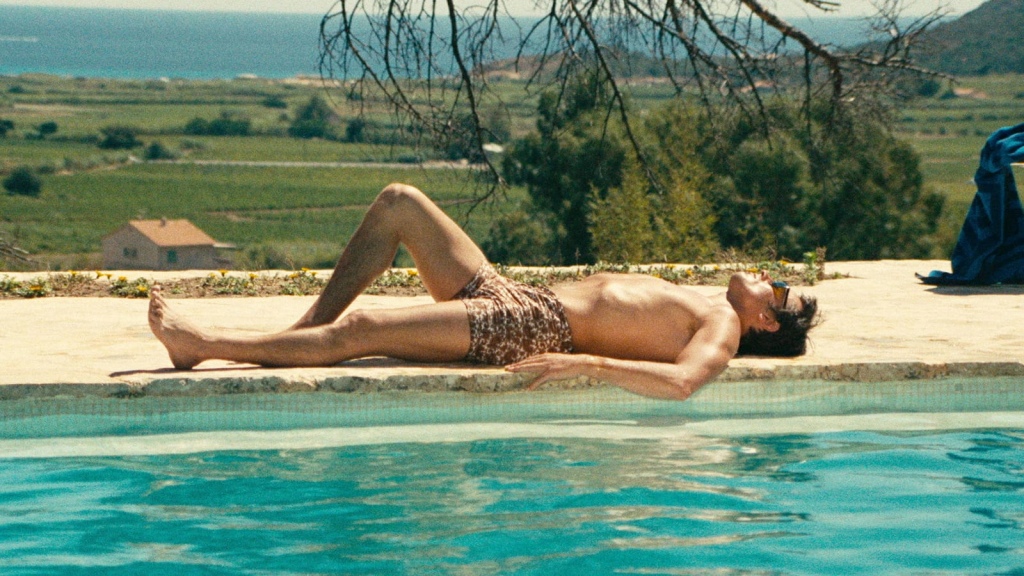
Warning: The following post will spoil most of the plot of La Piscine. While it’s not necessarily a film to be watched for the twists and turns of the plot, be warned if you haven’t seen the film.
Really, it should be obvious: Maurice Ronet should stay well away from Alain Delon, and that goes double if they’re anywhere near water. The first time I saw the two of them together in a film (in Purple Noon, the French adaptation of Patricia Highsmith’s novel The Talented Mr. Ripley), Delon’s Tom Ripley stabbed Philippe Greenleaf (played by Ronet) to death and tried to sink him to the bottom of the ocean. Let’s just say that Ronet doesn’t fare much better in La Piscine, and again, it’s Delon that dunnit. Apparently, the two were close friends, but if I’d been Ronet, I would have been very careful around the former when there’s a camera running anywhere nearby and when there’s water in the picture.
Join us every week for a trip into the weird and wonderful world of trailers. Whether it’s the first teaser for the latest instalment in your favourite franchise, an obscure preview for a strange indie darling, whether it’s good, bad, ugly or just plain weird – your favourite pop culture baristas are there to tell you what they think.
Welcome to Six Damn Fine Degrees. These instalments will be inspired by the idea of six degrees of separation in the loosest sense. The only rule: it connects – in some way – to the previous instalment. So come join us on our weekly foray into interconnectedness!
I was wrong about Barbie. I should have been right. First off, it was Great Gerwig directing it, also writing the screenplay together with Noah Baumbach, which should have been the first sign that things would not be all pink plastic and brainless banter. And I don’t think Margot Robbie has the heart to say yes to any even mediocre project. I am still not entirely sold on Ryan Gosling, but Robbie is so very good in I, Tonya that she cannot do much wrong anymore in my book.



 A Damn Fine Cup of Culture