Welcome to Six Damn Fine Degrees. These instalments will be inspired by the idea of six degrees of separation in the loosest sense. The only rule: it connects – in some way – to the previous instalment. So come join us on our weekly foray into interconnectedness!
Earlier this year I succumbed to a particularly annoying strain of COVID. Energy-wise it wiped me out, but as an added little lurgy bonus, it made my muscles ache so much I couldn’t sleep. Feeling permanently tired, I started looking for distractions to get me through the night. My brain had reached a level of mush that actual books were too demanding, my ears had become too sensitive that watching films was uncomfortable – but short articles on the internet? Perfect.
Welcome to Six Damn Fine Degrees. These instalments will be inspired by the idea of six degrees of separation in the loosest sense. The only rule: it connects – in some way – to the previous instalment. So come join us on our weekly foray into interconnectedness!
What was the first film your parents ever took you to see at the cinema? I’m sure the latest Disney production, for many, were frequent firsts. Or even the myriad of family comedies just in time for the Christmas season? I remember it well and it was pretty standard: my parents took me to see Disney’s The Lady and the Tramp at Bern’s ABC cinema. I must have been around six. This led to more, obviously, with Astrid Lindgren’s Ronja rövardotter (1984) a particular favourite of mine.
Welcome to Six Damn Fine Degrees. These instalments will be inspired by the idea of six degrees of separation in the loosest sense. The only rule: it connects – in some way – to the previous instalment. So come join us on our weekly foray into interconnectedness!
Choice is a blessing. I grew up in a place and at a time when only a handful of TV channels were available, and you were at the mercy of an antediluvian evil called the “TV programme”. You were bored on a Wednesday afternoon after school? Well, though, there’s nothing on. Wait an hour and you might get some anime adaptation of a European kids’ classic, with a black-haired moppet running around the Swiss Alps – and that’s if you were lucky. As a child, I watched a lot of TV, and usually not what I wanted to watch but what was available – so I’d will myself, not always very successfully, into thinking that what was available was also what I wanted to watch. And sure, as I grew older, my choices grew alongside me: more TV channels, plus there were the video tapes sent to us by my uncle in the UK – but especially TV remained this wasteland of non-choices: it’s Friday evening, the parents are out, I can watch whatever I want… as long as it’s a stupid Italian action comedy, or a French film about a couple of parents whose child dies, or perhaps, if I’m lucky, Ghostbusters or Raiders of the Lost Ark… dubbed into German. And that was one of the good evenings!
These days, TV channels still exist, but do people still watch them? Do they still follow the TV programme, and go, “Oh, look, The Godfather Part III is on, let’s watch that – or would you rather see that movie in which Idris Elba and his daughter are stalked by a lion they’re showing on Film Four right now?” More likely, people grab the device of their choice and go, “Hmm… Is it a Netflix evening or a Disney+ one?” And there, at their fingertips, are hundreds of films and TV series, and these days even games, that all come with the subscription to the streaming channels. All that choice – and it’s a curse. When you can pick from a hundred things what to watch, how can you pick? It’s a miracle that more people aren’t found dead in front of the streaming device of their choice, their finger forever poised to scroll further down on the feed.
Welcome to Six Damn Fine Degrees. These instalments will be inspired by the idea of six degrees of separation in the loosest sense. The only rule: it connects – in some way – to the previous instalment. So come join us on our weekly foray into interconnectedness!
Warning: There be spoilers.
I haven’t read the comics, but have every intention to do so, but I don’t know why I haven’t praised the many great aspects of The Umbrella Academy (2019-2024). I have insomnia these days (or nights, rather), and so it takes something stronger to keep me watching attentively during the small hours. That bunch of ever-bickering unrelated siblings is a treat with comedy, drama, weirdness, psychological depth and the fear of the end of the world (more than once, hehe).
Welcome to Six Damn Fine Degrees. These instalments will be inspired by the idea of six degrees of separation in the loosest sense. The only rule: it connects – in some way – to the previous instalment. So come join us on our weekly foray into interconnectedness!
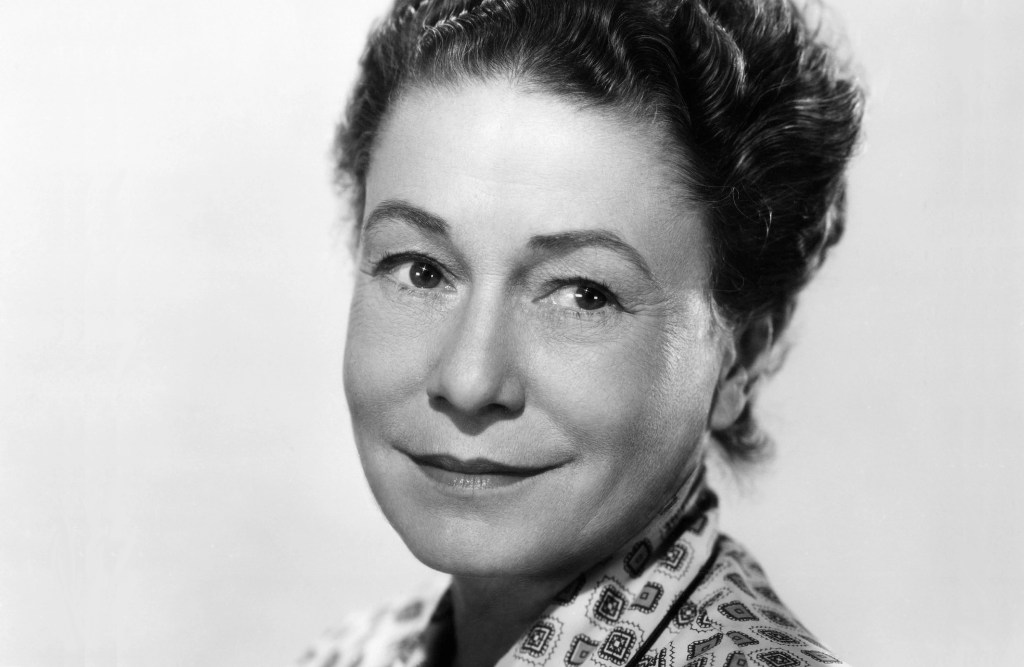
“She could reveal to an audience the tragedy of the human condition and do it by being a supreme comedienne” ~ Paddy Chayefsky on Thelma Ritter.
The term ‘character actor’, when applied to women, too often only implies a woman of a certain age. The one who doesn’t get to be the lead, who doesn’t get her own movie romance. If, that is, there are even any parts for her at all. The one who is ‘just’ there for support. But these actors not only have to hold their own against the lead every moment they are on screen, they need to knock it out of the park on every single take. And Thelma Ritter is the real deal. Instantly recognisable with her looks, and the way she sounds: instead of having herself made over to be more palatable for the public, she embraced these things to great effect. Every scene she was in, even her uncredited early roles, however brief, are memorable.
Welcome to Six Damn Fine Degrees. These instalments will be inspired by the idea of six degrees of separation in the loosest sense. The only rule: it connects – in some way – to the previous instalment. So come join us on our weekly foray into interconnectedness!
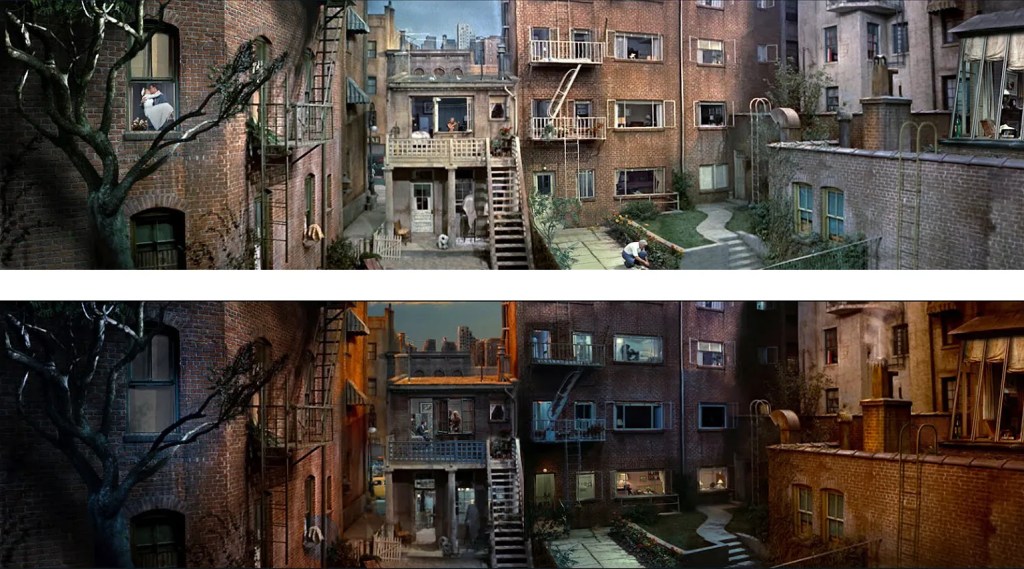
As Alan describes so well in last week’s post on seeing Memories of Murder as his perfect post-pandemic return to the cinema, the question about what we love most about movies can reveal itself within just one such film: a fantastically involving plot, equal levels of suspense and amusement, inspiring visuals and soundscapes, carefully fleshed-out characters and themes, as well as a totally satisfying ending. With a different film at hand, I just felt the same again with Hitchcock’s Rear Window, the film I always describe as probably the best cinematic experience ever made.
Welcome to Six Damn Fine Degrees. These instalments will be inspired by the idea of six degrees of separation in the loosest sense. The only rule: it connects – in some way – to the previous instalment. So come join us on our weekly foray into interconnectedness!
Warning: Spoilers ahead for the film Memories of Murder.
Towards the end of lockdown, when the cinema’s reopened, I have fond memories of my earliest trips to see movies. I mean, it wasn’t quite the same. At least half the seats in most cinemas had been removed to create gaps between punters. Masks were compulsory and the experience felt jarring. But there was still something about being able to see films again on the Big Screen – especially given concerns just a few months earlier that the cinemas might never reopen.
Welcome to Six Damn Fine Degrees. These instalments will be inspired by the idea of six degrees of separation in the loosest sense. The only rule: it connects – in some way – to the previous instalment. So come join us on our weekly foray into interconnectedness.
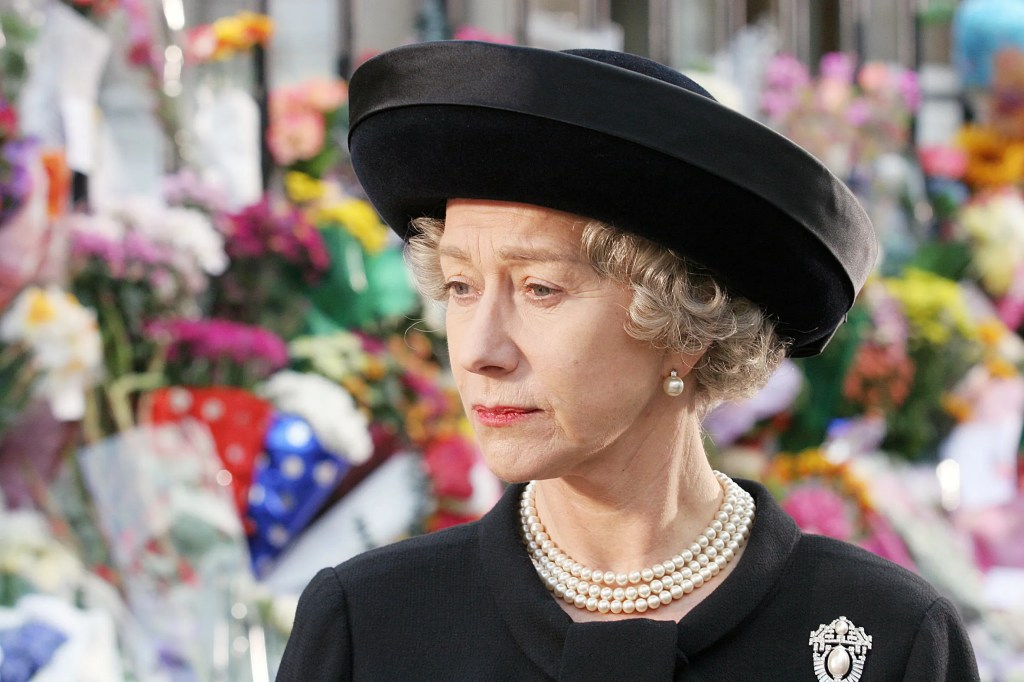
There’s always something strange to watching an actor play a real person, doubly so when the actor in question is one we know, and know well, from other parts, and triply so when that real person is still alive. Oh, look – there’s Gary Oldman playing Lee Harvey Oswald, and there’s Bruno Ganz as Adolf Hitler! There’s Helen Mirren or Emma Thompson (did you know that?) playing Queen Elizabeth II! Is that a trio of Truman Capotes or is that Philip Seymour Hoffman, Toby Jones and Tom Hollander having a chat? We recognise Taron Egerton, but we also recognise the bespectacled pop star he’s playing. We know that neither Michelle Williams nor Ana de Armas are Marilyn Monroe, but when we watch them on screen they are somehow both. And is it comforting or monstrous (or both at the same time) that the horrible person in the Oval Office isn’t actually Donald Trump but Brendan Gleeson playing the man?
Welcome to Six Damn Fine Degrees. These instalments will be inspired by the idea of six degrees of separation in the loosest sense. The only rule: it connects – in some way – to the previous instalment. So come join us on our weekly foray into interconnectedness.
In the early ’80s, Bob Fosse’s stock as a film maker couldn’t have been higher. Having revolutionised the world of theatrical dance choreography, he’d spent the ’70s building up a reputation as a major new directing talent. Cabaret and Lenny had been well regarded successes, and he’d ended the decade with All That Jazz – winning the Palme D’Or and four Oscars alongside healthy box office returns.
Welcome to Six Damn Fine Degrees. These instalments will be inspired by the idea of six degrees of separation in the loosest sense. The only rule: it connects – in some way – to the previous instalment. So come join us on our weekly foray into interconnectedness.
“How do you separate reality from an illusion, when you have been trapped in make-believe all your life?” ~ Natalie Wood




 A Damn Fine Cup of Culture