Welcome to Six Damn Fine Degrees. These instalments will be inspired by the idea of six degrees of separation in the loosest sense. The only rule: it connects – in some way – to the previous instalment. So come join us on our weekly foray into interconnectedness!
Matt’s column last week about favourite actors reminded me of a curious, if rare, phenomenon. Where a great actor gets cast in a role they are clearly incredibly well suited for. And yet, somewhere in the back of my mind, I can’t help but feel that they would have been absolutely perfect for the role if they had been cast earlier in their career.
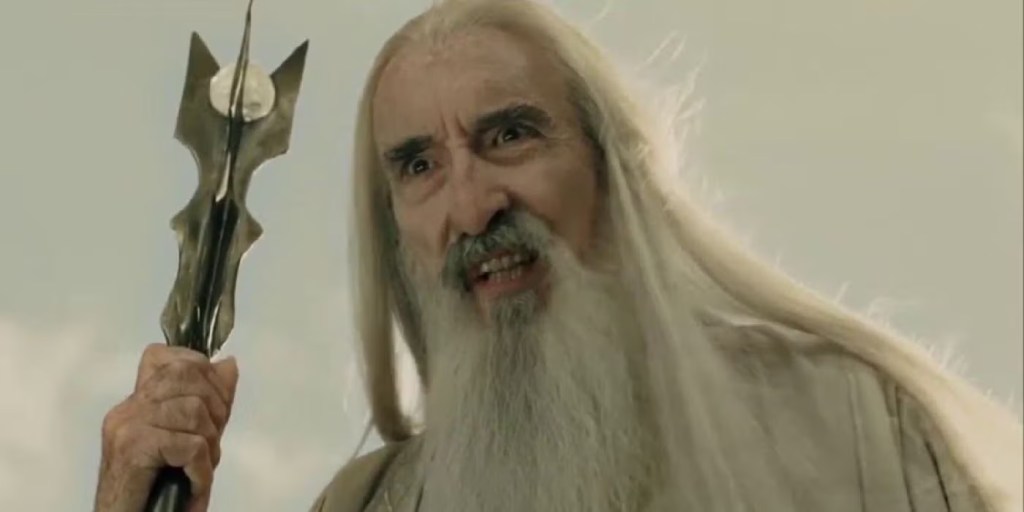
The first example of this is Christopher Lee as Saruman in Peter Jackson’s The Lord Of The Rings trilogy. He was nearly eighty when cast as one of the villains in Tolkien’s epic, with Ian McKellen a relative spring-chicken by being just sixty when cast as Gandalf. He delivers a brilliant realisation of precisely what Jackson wanted of him – a superbly visual Evil Wizard. He possesses the authority to lead an army, and a steely wickedness to defy the forces of Good he’s betrayed.
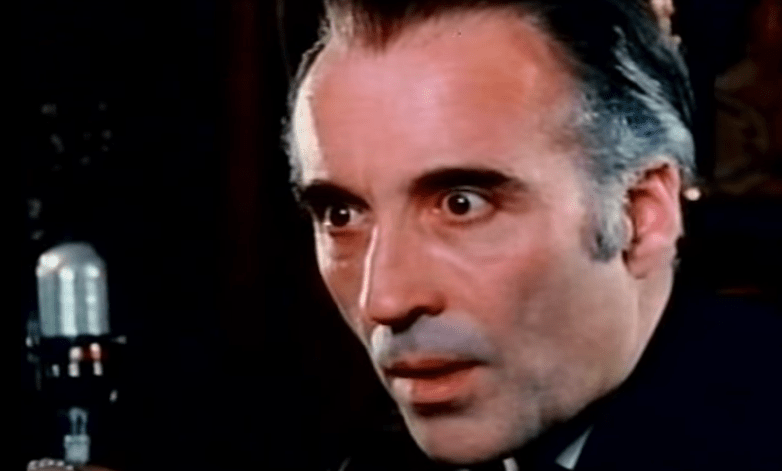
But just imagine if Lee had been a bit younger when cast. A Christopher Lee in his fifties from the likes of The Wicker Man or his later Hammer output. There’s a brilliant, charming, malevolent energy to these performances that would suit the Saruman of the books. Lee’s voice is in its prime here – his tongue can just as easily come across as soaked in honey as it can drenched in blood, with a driven intelligence behind both.
Saruman in the books has two fundamental qualities – he has been corrupted by the power he originally sought in order to defeat Sauron, and he has a voice that can be used to bewitch and beguile. He is someone once good who does not realise how much he has lost thinking the end justifies the means. Someone who now sees others only in terms of how he can persuade, manipulate or force to do what he thinks should be done. Lee in his fifties could have knocked that out the park. A charismatic zealot with, ultimately, a black heart.
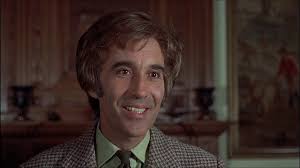
Early in the story, when Gandalf arrives at Isengard, unaware that Saruman is about to betray and imprison him, imagine if he was met with the warmth and kindness of a Lord Summerisle. This is a performance that could calmly explain why siding with Sauron – for the time being – made rational sense and come damn close to selling it. There’d be a shudder in the audience when Lee, at his most charming, betrays Gandalf.
When Saruman’s army has been wiped out and he parlays with the victorious good guys, he still needs to feel dangerous. I’d love to have seen Christopher Lee in his Dracula heyday emerging on the balcony at Orthanc, possessing a regal authority that defies his humiliating defeat. The moment he opens his mouth – his words sounding strong, important, persuasive.
And finally there’s the sequence Jackson never filmed: The Scouring of the Shire. Where Saruman, having lost everything, displays a pathetic cruelty. How powerful that could on the big screen if we’d seen his fall from grace from the powerful, charming villain we first met. Becoming the embittered old wizard taking a tiny comfort of joy from the harm he’s done to a place beloved by others. Christopher Lee could have sold that transformation and decline.
In fact, I’m probably being a bit harsh here, as there is no reason to think – had Jackson bothered to film the Scouring – that Lee could not have captured the fallen Maiar brilliantly. A weary malignancy seems like something he’d have been very adept at capturing when they were shooting the trilogy. Perhaps moreso in his eighties than he could have done decades earlier.
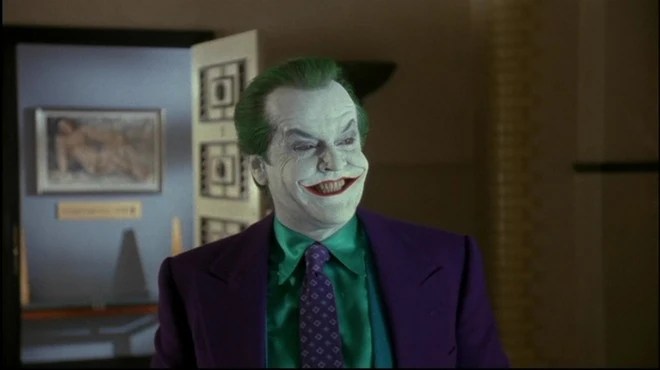
The other example of this phenomenon concerns Tim Burton’s Batman – and the casting of Jack Nicholson as the Joker. Again, what we have is still a great performance: he commits to making crime boss Jack Napier a serious and credible gangland boss, which really helps sell when he turns Joker. He’s also great at the darker, mordant aspect of Batman’s nemesis, with a gift for delivering deadpan darkly comic lines.
But imagine Jack Nicholson of the mid-‘70s in this role. On top of these qualities, he’d have been able to bring a real energy to the madcap excesses of the role. When Nicholson lets loose in this era, he feels genuinely dangerous, while also ensuring the character feels credible. These aren’t cartoon characters, they’re real live wires.
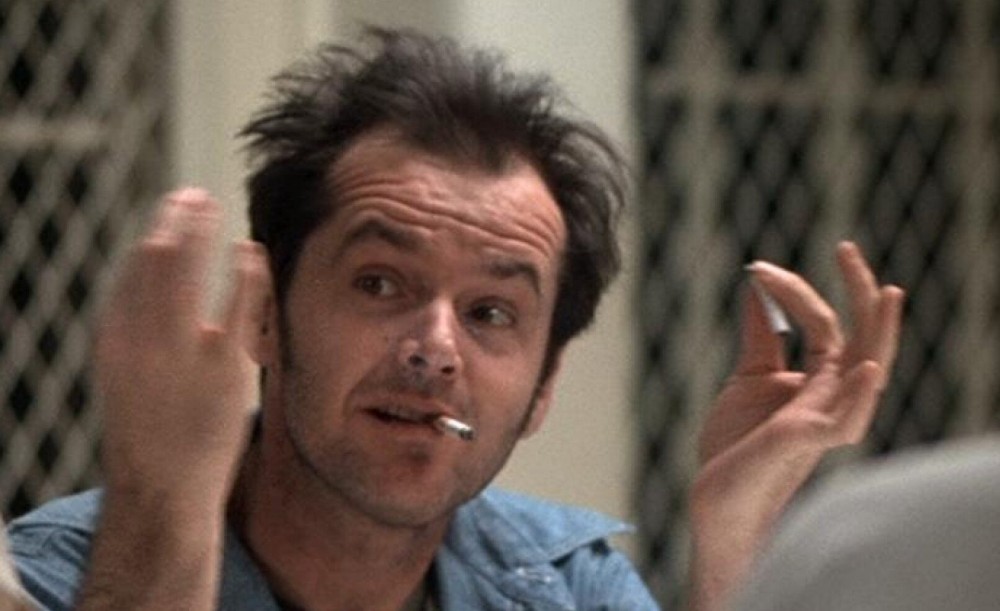
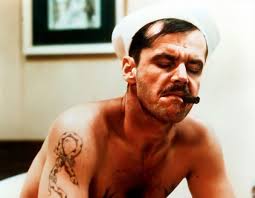
It’s precisely this level of manic energy that he can’t bring to the Joker in 1989. A psychotic, yet still captivating, level of intensity that doesn’t really see the difference between silliness and evil. I mean, he’s still pretty good on this score in the film we have, but when I rewatch Nicholson in the earlier era I see something else. Something I’d have loved to see on the Big Screen.
And while Jackson lets Lee down somewhat by minimising Saruman’s role in the story, Burton instead slightly reworks the Joker to play to the older Nicholson’s strengths. He remains the boss of his gang, becoming more of an orchestrator of the Grand Guignol schemes he’s devised. Indeed, it still feels credible that he remains the leader of his gang, rather than simply have us accept the fact that some thugs have accepted a lunatic as a boss. While the full reveal of his Joker form is played out as full-on disconcerting horror, a genre Nicholson should have done more of.
This is all just idle imagining, though. I’m happy with these films, and both Lee and Nicholson are still great casting in those roles. I guess it’s just sometimes when imagining a dream casting, the film gets it right. Just not at the right time.
 A Damn Fine Cup of Culture