No April fools here, but we do have some shorter takes on things we’ve watched and listened to recently. Enjoy!
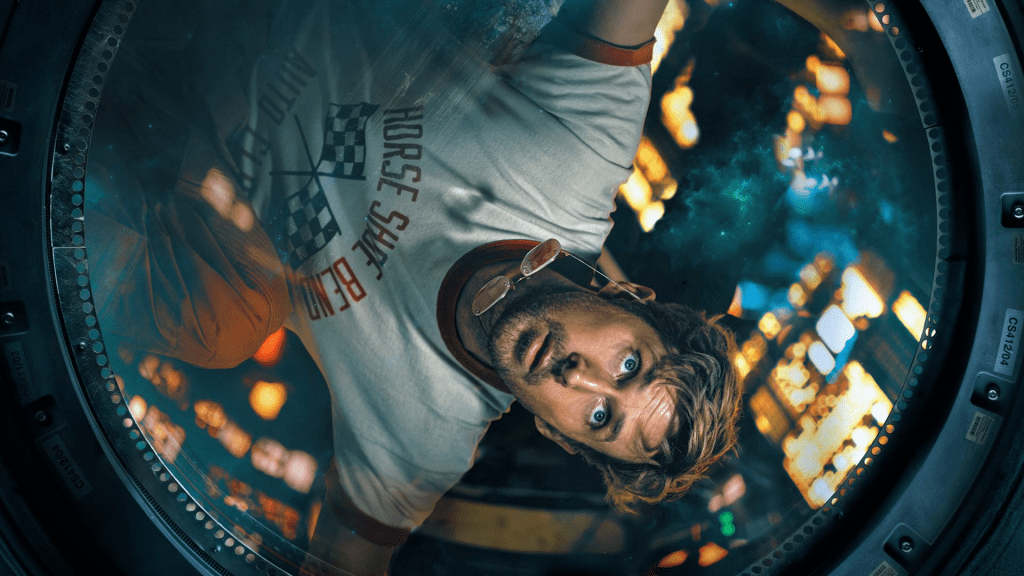
Project Hail Mary (2026)
I wanted to like this one much more than I actually did. My main problem with the film is that it seems to be almost too engineered to be a crowd-pleaser. The characters, the humour: it works, obviously, but it rarely feels genuine for me. Instead, it feels like this cute line, this plot beat, this sad expression on Ryan Gosling’s face accompanied by sad music was designed to have a specific effect on the audience, rather than these effects emerging more organically from the film. I felt this the most keenly in the contrast between the sci-fi buddy dramedy IN SPACE!!! and the flashbacks to Earth with Sandra Hüller, who turns an underwritten character into someone I want to know more about and spend much more time with. Grace and Rocky are cute, but I rarely felt that there was anything there beyond the surface and the demands of a plot made to push emotional buttons – which it does effectively, but mechanically.
I’ve seen some people argue that these issues are due to the book taking more time to develop its plot points, which may be true – but then, a film adaptation must be prepared to handle such a challenge. You can’t just expect to cut down plot points so much that they feel rushed and then point at the sign saying, “Well, it’s a movie, and they work differently from novels.” Exactly: movies work differently from novels, and if the novel uses literary means of making a plot point plausible, then the film can’t just press the “Skip to plot point” button and expect to get away with it. Especially in the second half of Project Hail Mary, there were too many things that seemed to happen only because the film needs them to happen – which is always the case when it comes to plotting, but it’s the job of the writers to hide the seams… or, if not hide them, then do something interesting with them.
Then again, perhaps I was just not in the mood for what the film was doing, because it clearly worked much better for the rest of the audience. But I do think that, for all the talent that went into Project Hail Mary, there’d be a better version of this film with a tighter, better script.
— Matt
180 Studio London: The Listening Room: Hania Rani
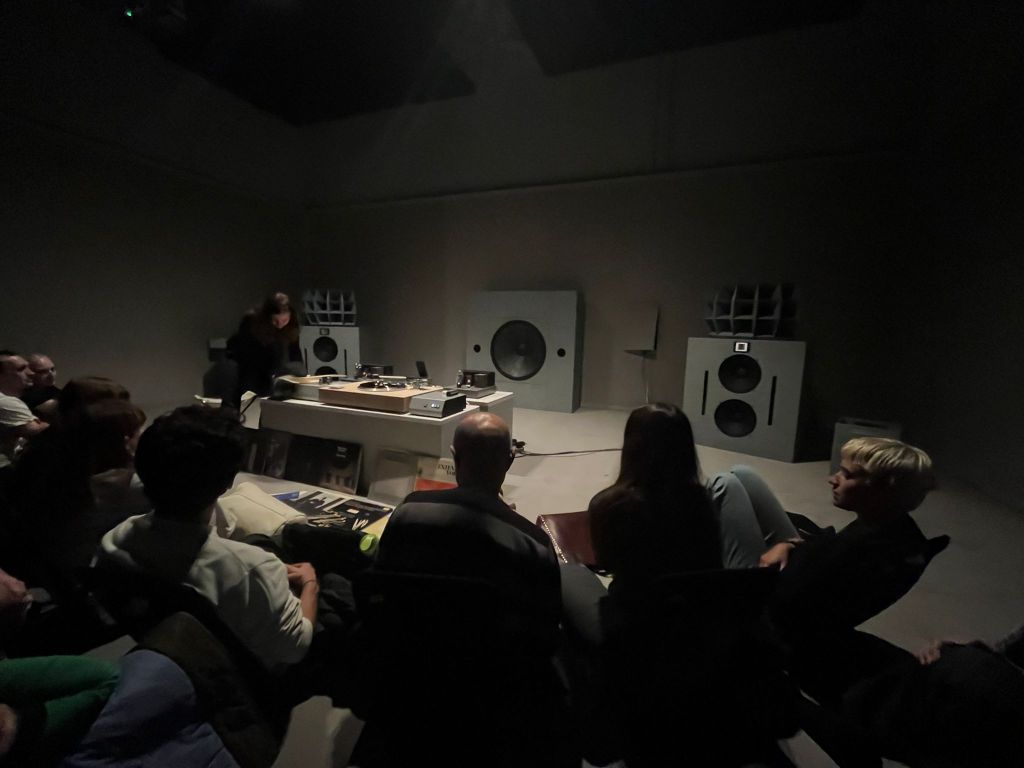
The 180 Studio – a studio space located at 180 The Strand, London is a curious place. It houses exhibitions and commercial events within a sprawling office block basement. Several years back they had an Exhibition to do with Vinyl music, and as part of that they built a Listening Room. A place designed for perfect sound reproduction from a record turntable. The exhibition ended several years back, but they’ve kept the Listening Room. It’s now used to host Sessions where an invited individual will come and play a choice of music. While a small number of folk sit around and listen. Stroking our chins or however people contemplate sounds these days.
I’ve been twice now, and its been fun for very different ways. The first time a mix of Ennio Morricone tunes were played by Jonny Trunk, curating an informed playlist from the obscure outer fringes of his musical output. And in April 2026 the composer Hania Rani dimmed the lights and played four lengthy minimalist tunes that played with time and repetition. It’s an enjoyable experience and I do wonder if, on the back of the vinyl revival, more places like this might open one day. Recreating a social (if mostly silent) listening experience.
— Alan
arte: Blow up (2010 – )
I can’t overstate how addicted I’ve become to this truly excellent series of short documetaries by French-German TV station and enormous online resource arte: Any film geek finds endless mouthwatering and highly insightful insights into every aspect of love for cinema. I am a particular sucker for their “Les B.O. de..”, an always very personal look at a film composer’s output and their impact on a myriad of scenes and sequences.
Whether it’s the importance of certain directors or actors, the meaning of certain cinematic tropes or the use of a particular city as filming location, you can simply get lost in their back catalogue of documentaries for evenings on end. It’s such a treat to actually see excerpts from the most obscure flicks once scored by Rozsa, Delerue or Barry, but it’s also a great source to decide on your next filmic itinerary or just get orientation on someone’s career, for example Morricone’s works for Italian, French and American cinema. In short, any cinephile should immediately subscribe to their online archives (despite English subtitles, it’s a great way to practise French and German as well..)!
— Sam
 A Damn Fine Cup of Culture