Welcome to Six Damn Fine Degrees. These instalments will be inspired by the idea of six degrees of separation in the loosest sense. The only rule: it connects – in some way – to the previous instalment. So come join us on our weekly foray into interconnectedness!
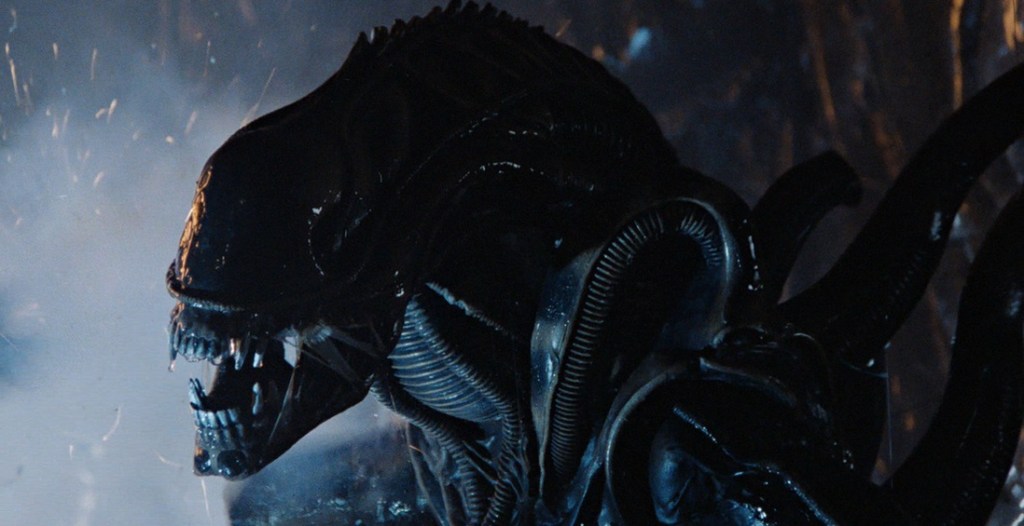
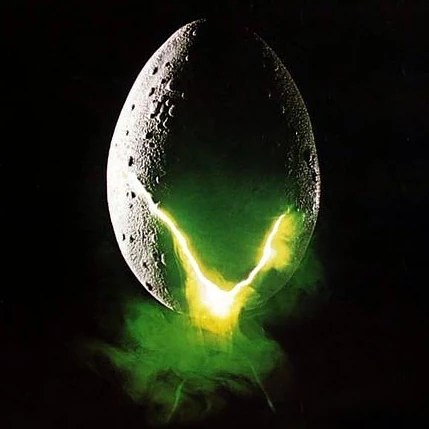
Alien is one of my favourite films ever. Every aspect of the production seems to come together in a perfectly judged piece of engrossing world creation – while also evoking a uniquely unsettling atmosphere. The cast is also wonderful: many films have tried to imitate this roughneck spaceship crew, but not one has ever got close. And finally, and obviously, there’s the alien herself – a masterpiece of chilling design. Here is a threat from outer space unlike any other.
But even conceptually, the alien in this seems to straddle everything a horror film monster needs to be. It’s the unknown that remains unknowable. It can lurk in the shadows like a slow, creeping antagonist. It can kidnap with dark, unfeeling intentions for its human captives. It can leap and tear into flesh like a straight-to-video slasher, or just disturb with the sheer inhumanity of its design. All horror life is here, and its glorious.
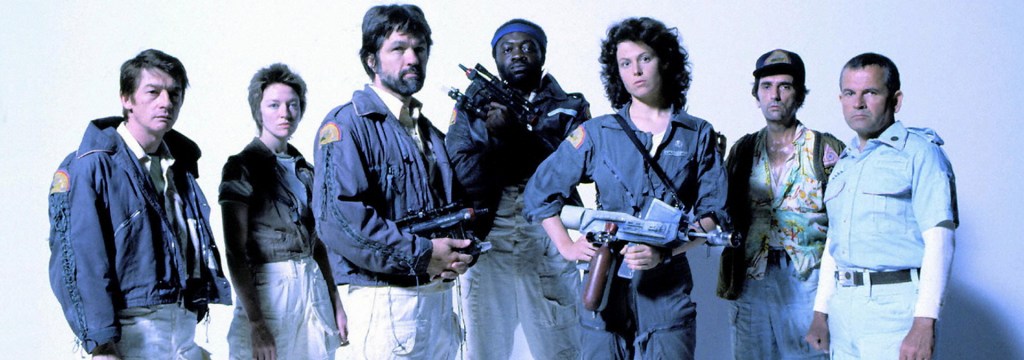
It’s such a perfect combination that James Cameron knew full well that he was never going to succeed if he just tried to do that again with the follow-up. So instead he fashioned a truly great sequel, turning the aliens into the antagonists in a dark and cynical war film. Vietnam by way of LV-426. It remains a cracking watch to this day: exciting, unsettling and structured towards a thrilling (and earned) climax.
It does however make one tiny misstep. A detail that works perfectly well within the film itself but which, I think, undoes the franchise, creating a problem that all the follow-ups have struggled to solve. It defines the alien. They are no longer the sinister, impossibly dangerous unknown that can come at you in ways you simply cannot predict. They are now bugs – with a comprehendible life cycle, a queen surrounded by dangerous acid-filled workers. It also doesn’t help that Cameron lowers the threat they pose considerably just to fit things into the conventions of an action film. In Alien, an encounter with the monster is going to be at best fatal because of the unknowable powerful horror this thing is capable of. In Aliens, a young girl encountering the creature is just an excuse for them to catch her and effectively tie her to a railway track awaiting rescue.
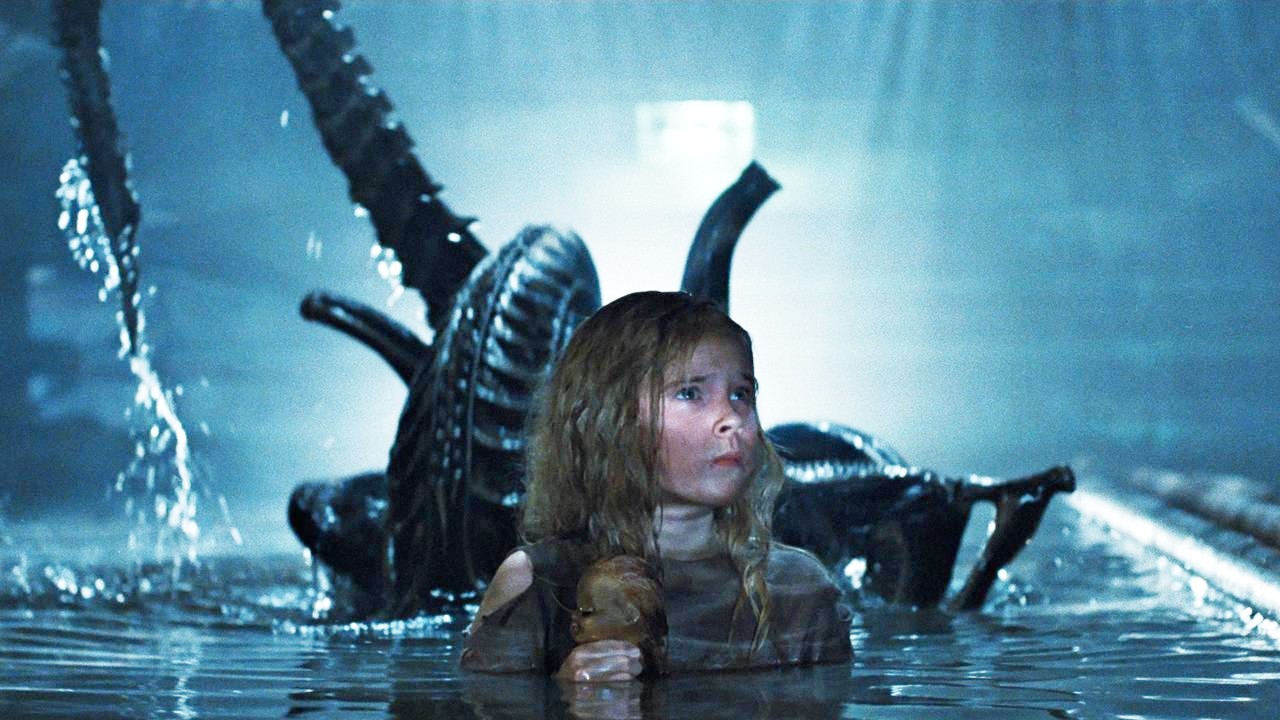
And I think the problem with turning the aliens into bugs is that it becomes much harder to do interesting and scary things with them. The unknowable alien threat from the darkness of deep space has become the scientifically understandable xenomorph. Following the huge success of Cameron’s film the studio wanted more, and so Alien3 followed six years later. And already the limitations of the buggy alien are showing.
I find this film an enjoyable curio. The world the story takes place in is an interesting piece of sci-fi world building, a unique environment the likes of which you’re rarely going to see in film, let along realised with such creative passion. But this feels like it’s overly compensating for the fact that it doesn’t really have much new it can do with the alien. Getting it to prey on an animal is an interesting variation, but getting your monster to mess with dogs is going to immediately invite unfavourable comparisons with The Thing. The workprint cut – a studio attempt to make something close to director Fincher’s original film, done without Fincher – is a slightly better film, but it still has an alien problem. Seeing the creature emerge from an ox has some curiosity value but its ultimately just a rejig of a known property.
There was a moment when I first saw this film, where there is a suggestion that the presence of the alien on the prison planet seems to invoke a quasi-religious zeal in a character. I briefly liked the hint that maybe the alien was behind this, that here was another unsettling tool in its arsenal of unstoppable talents that just makes things horrible for humanity. An alien that can exploit our penchant for religious blindness. But this is swiftly not the case, and we’re back to another bug hunt.
Sigourney Weaver’s Ripley is put through hell in this film, and she’s brilliant at playing it all – right up to the memorable conclusion. But her plot is ultimately a rehash of the last film: no-one believes her about the threat, until its undeniable. And it turns out she’s smarter than bugs and can work out what’s happening and how to stop them.
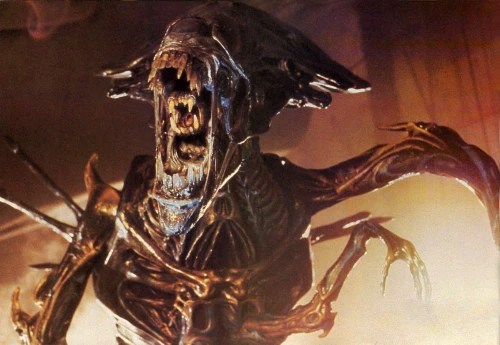
After that, the franchise just continues to flail when it comes to how to make a great film about the alien. All the knowable details about them as xenomorphs just gets in the way, and the film makers end up just spending time elsewhere: trying to fill the gaps created when you so completely defined the threat.
Alien Resurrection creates a supporting cast of grotesques and oddities that just get lost in a mess of a story. It lacks so much faith in the alien to carry the movie, it literally resurrects Sigourney Weaver’s Ripley so that it can find a story to tell. Alien v Predator tries to tap into mad Erich von Däniken ideas building into the lore of both franchise monsters. This could potentially be fun, but its all undone by a lazy script that takes these exciting ideas and just dumps it into the film in clunky exposition scenes. All the characters are just depressingly one-dimensional, the teenage knife-fodder in most slasher films are more interesting than this lot. Worst of all, the director can’t handle even the basics of tension and action – which means there’s no creeping threat to the alien and no real excitement in the final franchise showdown.
Aliens V Predator 2 at least tries something interesting in tapping into the spirit of drive-thru horrors – with the otherworldly threats menacing small town America. There’s some really novel, really horrible (in a good way) moments in this, or at least I’m pretty sure there is, but its hard to be sure because basic production values like shining enough light on set so you can see what’s happening on screen seem beyond the team that made this.
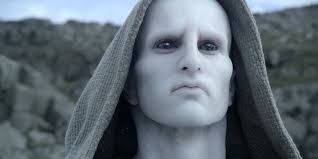
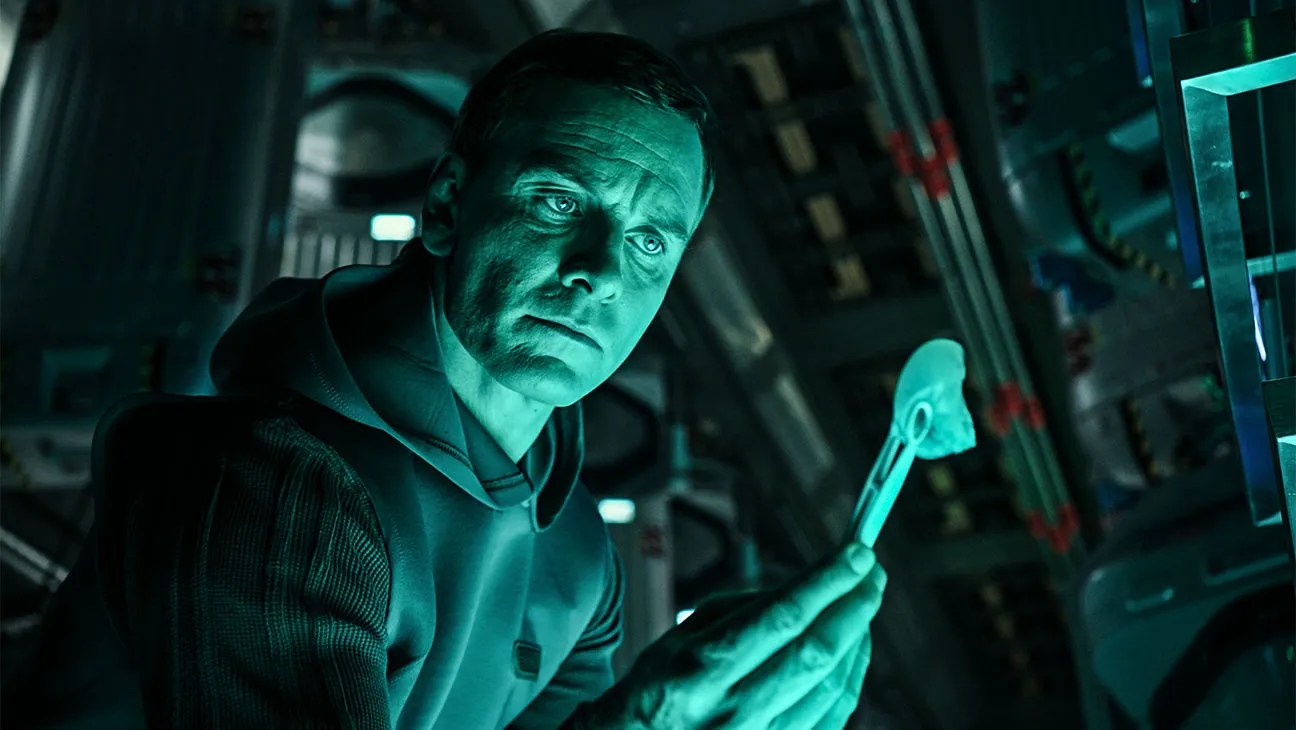
It speaks volumes about how unimportant the xenomorph bug has become that, by the time Ridley Scott returns to the franchise with Prometheus, even he has completely lost interest in them. Instead he’s dialling the Erich von Däniken influence up to eleven. I enjoy some of the big, mad sci-fi ideas in this, but the film is fatally flawed by just how stupid most of the main characters are. Even more depressingly when Scott makes the sequel Alien: Covenant, stupid humans seems to be about the only thing he takes from the first film. And so there’s just more humans here, being even more stupid, in a vision of the cosmic future that somehow manages to be absurdly dated and ‘70s-coded, but also just dull.
By the time Alien: Romulus gets made, it’s clear that the makers are fans of the earliest films and want to spend time reworking ideas they loved from those films. It’s got some great performances, and a script that smart enough to know that the reason we’re here is to scare the audience. The alien is now the engine for jump scares, for the bug threat that might lurk in any darkened space ship corner. The film’s a good illustration of the fact that: yes, the alien is a great creation to deliver the jumps and grisly moments an entertaining horror film needs. The problem is that once the film becomes a obvious Greatest Hits for the franchise, any sense of an internal reality or threat in the story goes out the window. And with it goes any real fear.

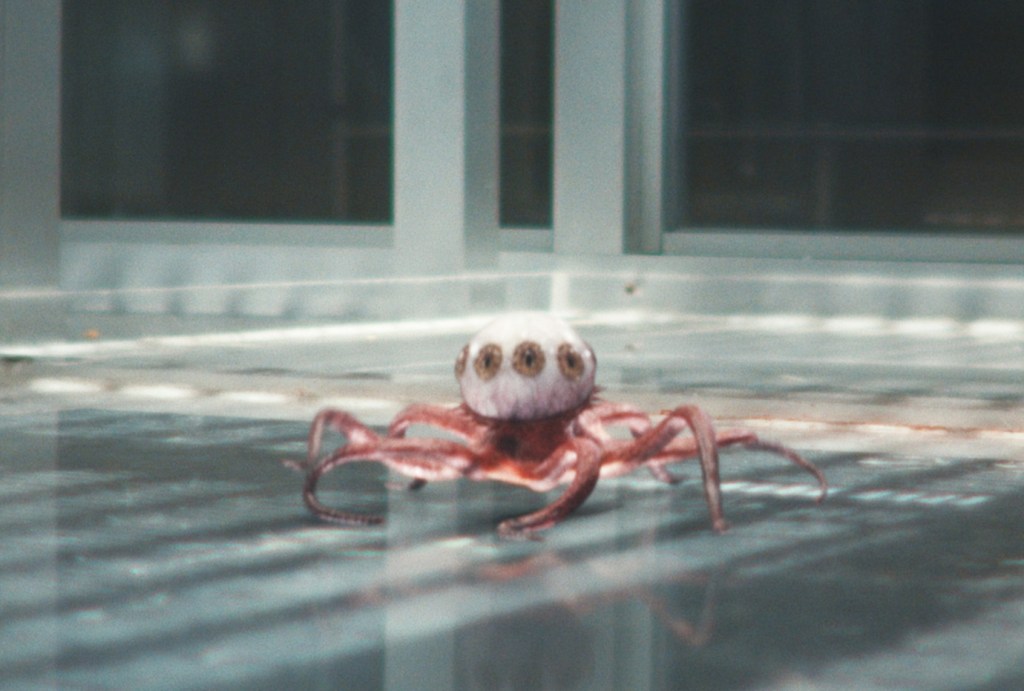
After so many films of diluted bugs and indulgent xenomorphs, the alien seemed to have lost its malevolent power. And ironically it was Alien: Earth that ultimately helped me make sense of it. I enjoyed the TV series a lot, but the main thing that struck me was not that I was enjoying the alien in it. I was enjoying the aliens in it – the non-xenomorph ones. The premise of the show is that there is a crashed spaceship where scientists have assembled a set of the universe’s most mysterious creatures. What they are – and what they can do – was a hook that drew me in to the show. There’s that unsettling mystery again: what lurks out there can kill you in way you don’t expect.
There were critical reviews of the show that complained that they couldn’t see the point of an alien TV show if the aliens weren’t the star. I guess I can see that – but what the run of episodes really illustrated to me is that what I’m far more interested in when it comes to the franchise is not another variation on the established story of an eggs to facehuggers to xenomorph lifecycle in assorted gothic/whimsical sci-fi settings. It’s the underlying idea that you might come across a corner of nature out there where things lurk that are going to devour/repurpose humans in ways that are scary and unsettling.
That’s the quality they lost when Aliens turned them into bugs. That’s why the universe of this franchise seemed to become so less interesting. And – it turns out – why dumping a truckload of new mysterious beasts into it was probably the solution to this problem all the time. Welcome back, nightmares!
P.S.: If this has put you in the alien mood, make sure to check out our podcast episode in the alien franchise (and, incidentally, one of Alan’s first appearances on A Damn Fine Cup of Culture) and a Second Chances episode that revisits Prometheus together with Steven Spielberg’s A.I. And, of course, last year’s episode on Alien: Earth.

