Six Damn Fine Degrees #50 – The “True” Story of Lina Lamont

Welcome to Six Damn Fine Degrees. These instalments will be inspired by the idea of six degrees of separation in the loosest sense. The only rule: it connects – in some way – to the previous instalment. So come join us on our weekly foray into interconnectedness!

They can’t make a fool out of Lina Lamont. They can’t make a laughing stock out of Lina Lamont.

There’s one important lesson that needs to be learnt by any student of Hollywood history: don’t believe the hype. Don’t buy into the spin. And certainly don’t be fooled by popular tales that demonise and blame those that dared to challenge the system.

Continue reading
Six Damn Fine Degrees #49 – Three generations of songs in A Star is Born

Welcome to Six Damn Fine Degrees. These instalments will be inspired by the idea of six degrees of separation in the loosest sense. The only rule: it connects – in some way – to the previous instalment. So come join us on our weekly foray into interconnectedness!

To me, Julie’s fascinating comparison of the earlier variations of what came to be A Star is Born triggered many a musical memory and it made me wonder how besides plot, characters and settings the musical flavours of this often-remade screenplay had changed over time. Specifically, what would the three Oscar-recognised songs from the Judy Garland version (“The Man that Got Away”, 1955), the Streisand remake (“Evergreen”, 1976) and the recent Lady Gaga iteration (“In the Shallows”, 2018) tell us about each moment this star-making (or -breaking) story hit the big screen?

Continue reading

Six Damn Fine Degrees #48: Do you mind if I take just one more look? (A Star is Born)

Welcome to Six Damn Fine Degrees. These instalments will be inspired by the idea of six degrees of separation in the loosest sense. The only rule: it connects – in some way – to the previous instalment. So come join us on our weekly foray into interconnectedness!

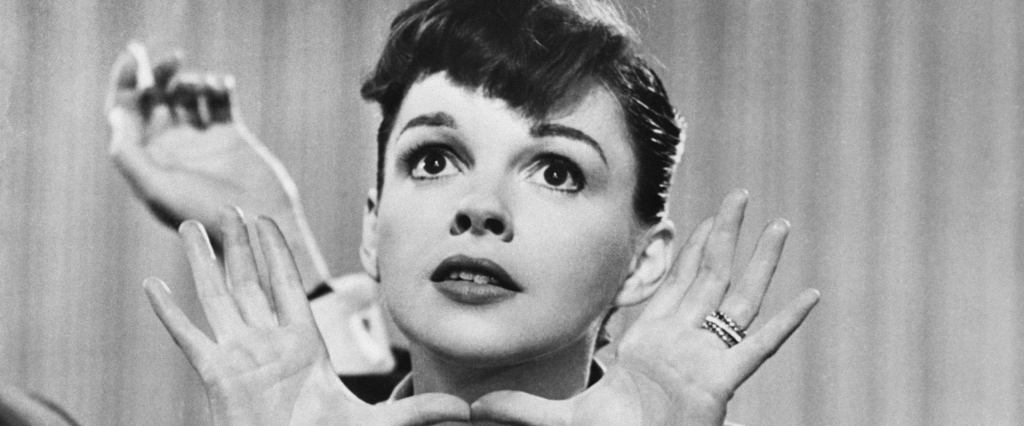
Hollywood likes to tell stories about itself. One of the most famous tropes is the rags to riches story, where a Hollywood ingenue finds success, only to realise that it comes with great sacrifices. The 1954 version of A Star is Born is one of the most beloved exponents of this trope. Not just because Judy Garland is great in it (and she is), but because of who Judy Garland is. Her painstaking rise to success led to the deterioration of her mental, physical and emotional health, which in turn proved detrimental to the career she sacrificed so much for.

Warning: spoilers ahead.

Continue reading

Six Damn Fine Degrees #47: Cinematic cover versions

Welcome to Six Damn Fine Degrees. These instalments will be inspired by the idea of six degrees of separation in the loosest sense. The only rule: it connects – in some way – to the previous instalment. So come join us on our weekly foray into interconnectedness!

I think that most remakes and reboots are uninteresting at best and creatively bankrupt at worst. They bring little to the table other than the desperate appeal to name recognition: remember when you liked this ten, twenty years ago, or when it had subtitles?

But here’s a confession: no, I don’t think there’s anything fundamentally wrong with remakes – and, more importantly, I don’t think that they’re more of a symptom of the lack of originality of present-day cinema than, well, so many other films that don’t have the same name as an earlier film or TV series. And I think that many of the people who decry this lack of originality have a fundamentally naive understanding of what originality is. More than that, I think there’s a frequent misunderstanding of what a remake at its best is. Or, to put it in controversial terms (I should be doing this on Twitter!): I think there’s more of a point in remaking a good film than a bad one.

Continue reading

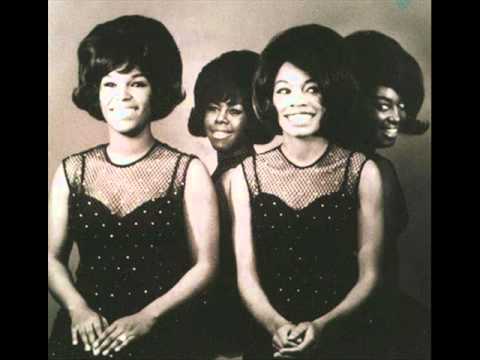
Six Damn Fine Degrees #46: The Shirelles’ “Boys”

Welcome to Six Damn Fine Degrees. These instalments will be inspired by the idea of six degrees of separation in the loosest sense. The only rule: it connects – in some way – to the previous instalment. So come join us on our weekly foray into interconnectedness!

“What’s your favourite Beatles tune sung by Ringo” is – it should be said – quite a niche Fab Four related question. But for me the answer is 1963’s “Boys”, his track on their first album Please Please Me. It’s a great little stomper of a rock tune, grabbing the listener’s attention from the very start, and holding it for its brisk running time of under 2½ minutes. It’s also fun, with Ringo playfully grinning as he sings his way through a chorus that goes:

Well, I talk about boys (yeah, yeah, boys)
Don’t ya know I mean boys (yeah, yeah, boys)
Well, I talk about boys, now (yeah, yeah, boys)
Aah, boys (yeah, yeah, boys)
Well, I talk about boys, now (yeah, yeah, boys)
What a bundle of joy! (yeah, yeah, boys)

Continue reading

Six Damn Fine Degrees #44: Whatever happened to Richard Lester?

Welcome to Six Damn Fine Degrees. These instalments will be inspired by the idea of six degrees of separation in the loosest sense. The only rule: it connects – in some way – to the previous instalment. So come join us on our weekly foray into interconnectedness!

Reading about the subdued but enormously suspenseful bomb-on-a-boat thriller Juggernaut in last week’s post, I couldn’t have agreed more with Matt’s analysis that even though we might expect a classic disaster movie, we are given something much more riveting and truthful in the hands of director Richard Lester.

Continue reading

Six Damn Fine Degrees #43: Juggernaut

Welcome to Six Damn Fine Degrees. These instalments will be inspired by the idea of six degrees of separation in the loosest sense. The only rule: it connects – in some way – to the previous instalment. So come join us on our weekly foray into interconnectedness!

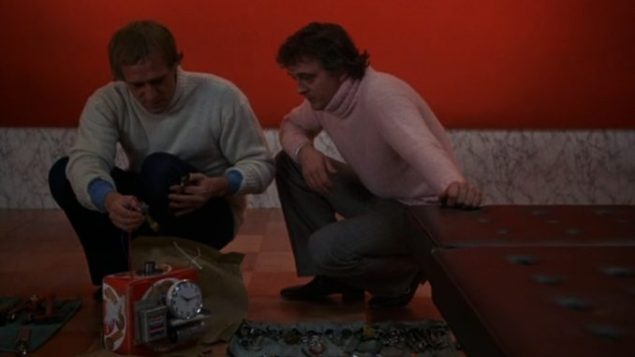
Richard Lester’s Juggernaut (1974) was probably the first Richard Harris film I ever saw. It’s very likely it was also the first time I ever saw a film starring Omar Sharif, Anthony Hopkins, Ian Holm or Freddie Jones. It’s most definitely the first time I encountered that time-honoured trope where a bomb exposal expert faces two differently coloured wires and has to decide which one to cut: one will defuse the bomb, the other will mean death, for him and for everyone else in the building, on the plane or (in this case) aboard the ship.

Continue reading

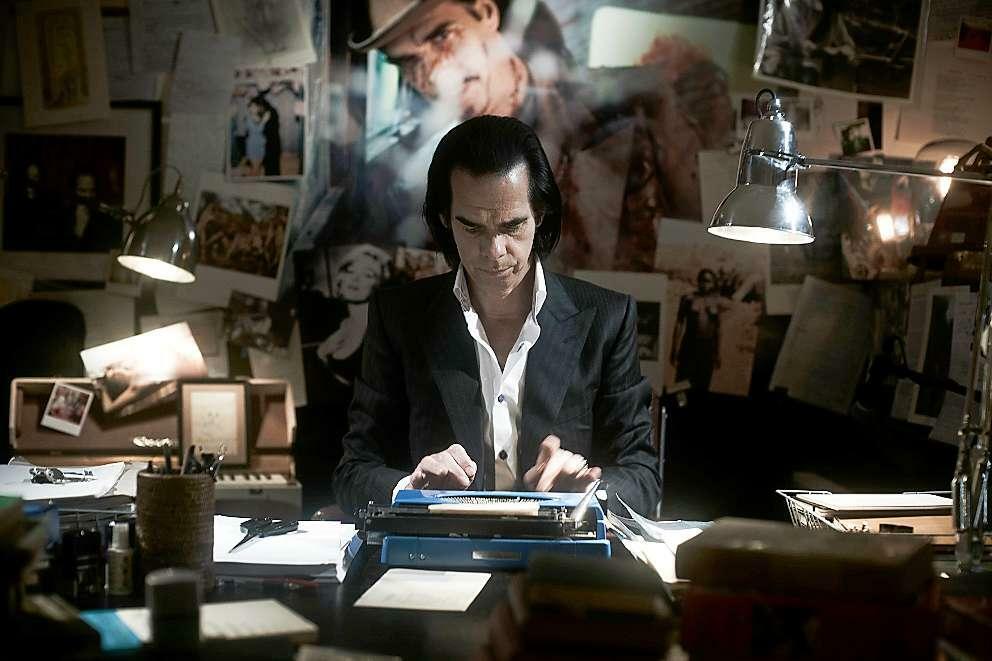
Six Damn Fine Degrees #42: Embracing darkness: Richard Harris

Harris in the studio recording an LP in 1971 (Image: Jack Kay / Daily Express / Getty Images)

“There, I gave you the stuff about Harry Potter”, Richard Harris pointedly remarks to his interviewer at the Toronto Film Festival in September 2001, just before the world would change. “But try to use the rest of what I said as well. Because, you see, I don’t just want to be remembered for being in those bloody films, and I’m afraid that’s what’s going to happen to me.”

Continue reading

Six Damn Fine Degrees #41: Pandemic and Disaster in The Cassandra Crossing (1976)

Welcome to Six Damn Fine Degrees. These instalments will be inspired by the idea of six degrees of separation in the loosest sense. The only rule: it connects – in some way – to the previous instalment. So come join us on our weekly foray into interconnectedness!

The grim reality of an ongoing global pandemic and the eerie parallels to other historical viruses like the Spanish flu of 1918 (so poignantly discussed in last week’s post) have not exactly whet our appetites for pandemics in movies. The likes of Contagion (2011) and Outbreak (1995) might be too real for comfort and post-virus zombie tales of World War Z (2013) or 28 Days Later (2002) too horrific for escapist entertainment.

Continue reading