We’re nearing the end of May, which means it’s time for our monthly Shortcuts: what have we seen or listened to recently?
Michaela Coel in Mother Mary (2026) and The Christophers (2026)
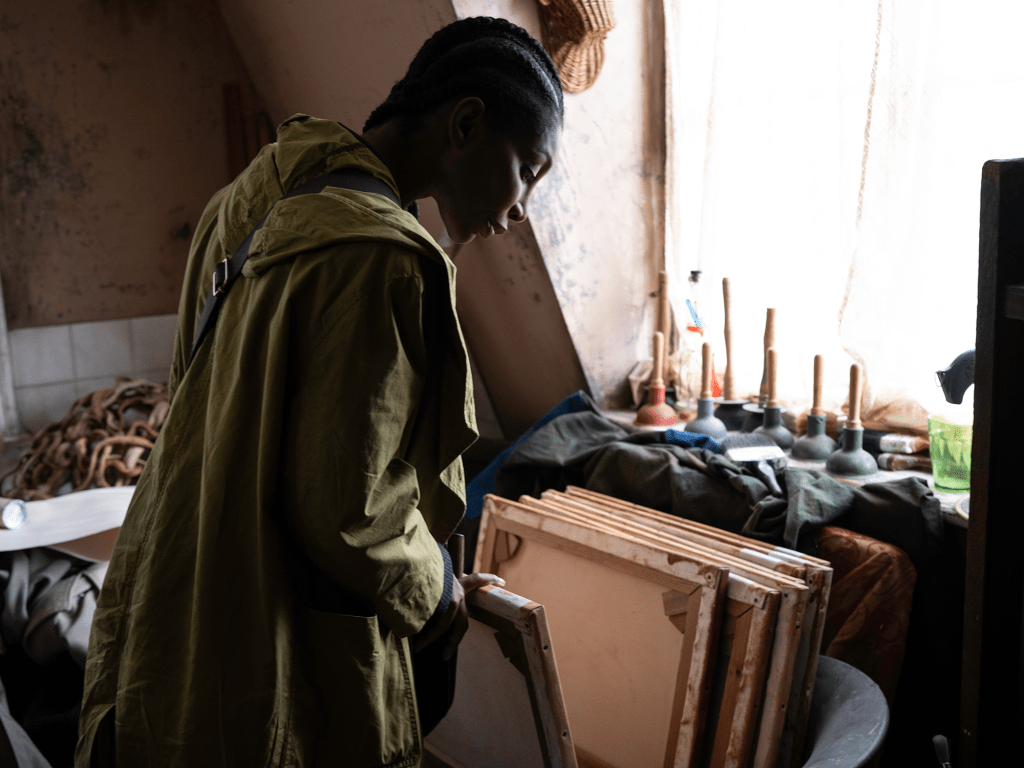
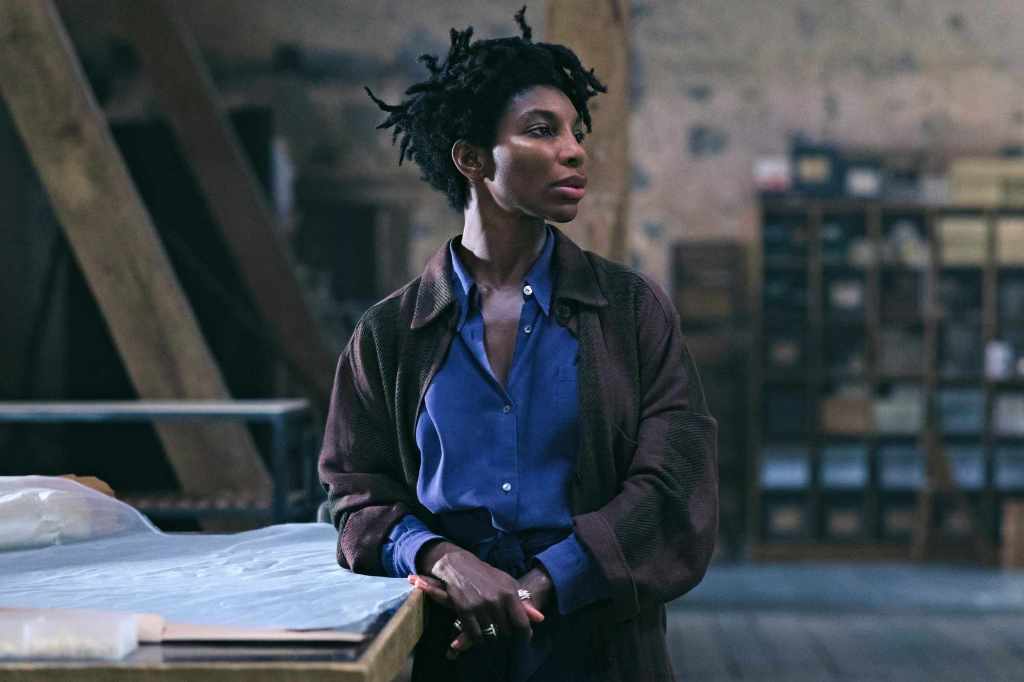
The last month has seen two films starring Michaela Coel hit the UK box office. Both feature her playing a creative character in a film that effectively functions as a two-hander alongside another lead who seems to be in an emotional crisis. And her character’s artistic endeavours are central to the dynamic between the two leads. In David Lowery’s Mother Mary, she is an acclaimed fashion designer that Anne Hathaway is desperate to have work for her again. In Steven Soderburgh’s The Christophers she’s a painter asked to hoodwink Ian McKellen out of priceless art.
And yet despite being able to write down these similarities, what’s noticeable about these two films is how different they are. They approach the character-driven story they want to tell in very different ways, visually and dramatically. And while I don’t think either would qualify as a classic, I’m very glad I saw both. In part because the unexpected directions that both take narratively made the cinematic experience really engaging – but also because Coel is a great cinematic presence in both. Her look is striking, while her performance is able to simultaneously capture a slightly threatening, brooding quality with a genuine humanity.
— Alan
Beef Season 2 (2026)
I started this season of Beef morbidly curious about whether it was going to be another feel-bad fest. And it was. It starts off as a story about multiple couples in front of the camera, each reflecting the seasons of long-term relationships. But then something odd happened: the morbid part of my curiosity fell away, and in its place I began to feel for these people and relate to them, in all their fuck-ups and their inability to see past themselves. It did this by showing them a mirror, and asking: well, what now? And then, unlike many shows, it gives them room to figure out what that means for each person, and which path they must choose for themselves.
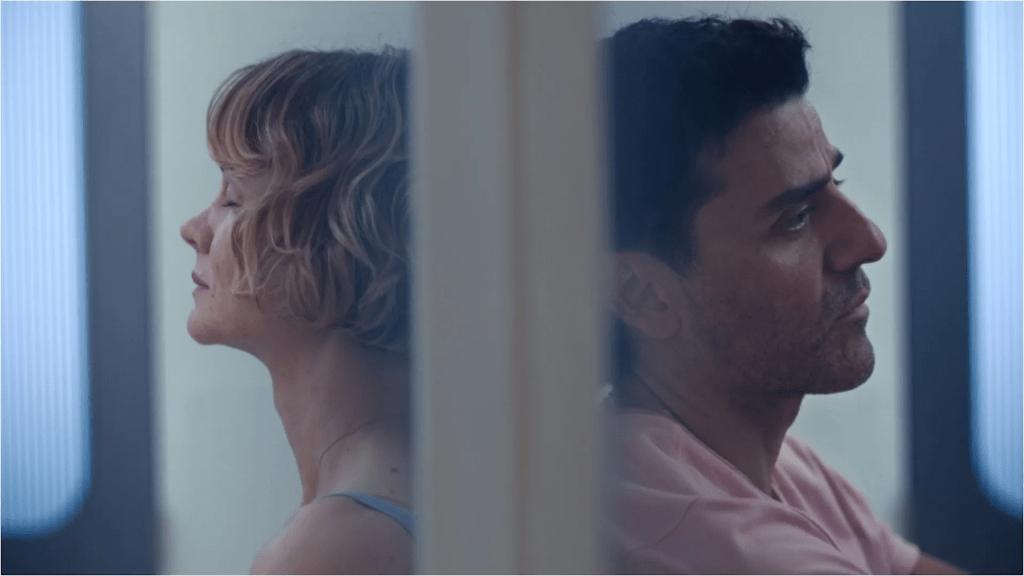
It does this while observing the titular beef – but it’s more of a litmus test here than a lit fuse; and within that framework, it finds the time to talk about the corrupting influence of capitalism on relationships, with people marching along beneath its boot, oblivious to what’s blotting out the sun. It finds the time to speak difficult truths once its characters let their façades drop – the most bitterly funny one of all from, ironically enough, a plastic surgeon. It finds the time to be sardonic, and hilarious, and deeply pessimistic, and yet, somehow — hopeful.
The show manages to conclude all of this with a simple but beautifully executed closing shot that sums it all up in a single frame. I’ll leave you to find out what that is.
— Eric
First Light by Lana del Rey (2026)
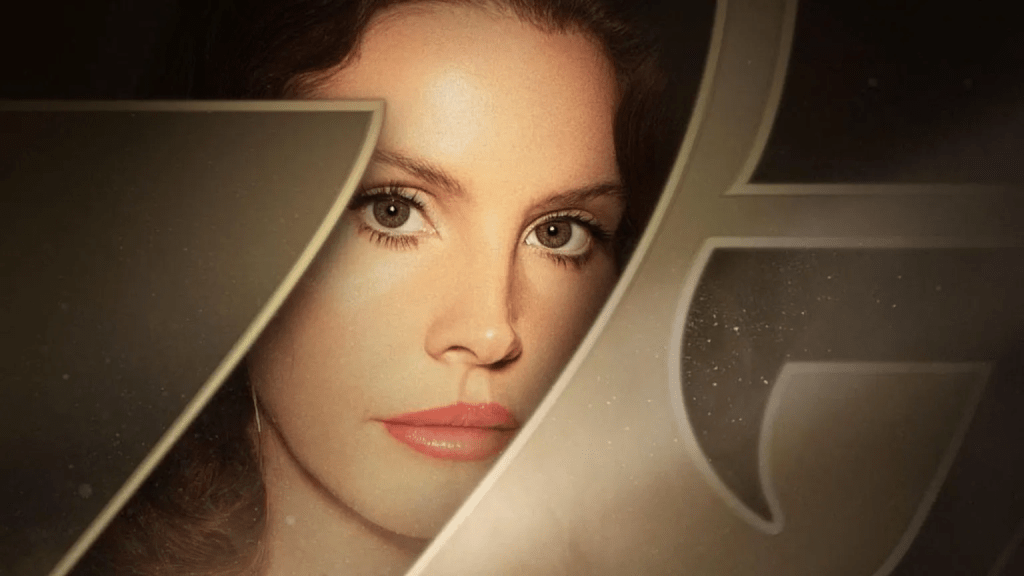
It was an enormously pleasant surprise to Bond and Lana del Rey fans alike last month to learn that not only was the new 007 game First Light coming out within a month, but that the long-hedged plan to bring the singer into the world of Bond again (after her rejected theme tune “24” for Spectre) had come to fruition. Even better, the title song to the ambitious action adventure has been composed by everybody’s favourite composer since John Barry created the 007 sound, David Arnold, even attaching it to a full-fledged title sequence in true classic style.
The song to me is a true winner, ranking among the best Arnold has contributed (even if I’m a massive fan of his rejected songs, “Surrender” by kd lang and “No Good About Goodbye” by Shirley Bassey) as well. Del Rey‘s soothing mystery allure soon explodes into orchestral mayhem and stringy heights in the chorus, and there is more than a hint of Garbage‘s “The World Is Not Enough” in its confident melodic line – it’s just a much stronger song overall. By the second round, the chorus was already worming its way into my ears and by the end of the bridge, I was craving for that brass to do its bold Bonding again and for Lana to push herself to new vocal vertigo at the end.
For a Bond nerd starved for good news between the end of the mixed Craig era and sparse news coming out of Denis Villeneuve and Steven Knight‘s kitchens, this was an invaluably welcome turn of events. You might find me next to a game console very soon (see here why that hasn’t happened before)!
— Sam
Ana Torrent in The Spirit of the Beehive (1973) and Cría Cuervos (1976)
The Cinema REX in Bern, which avid readers of A Damn Fine Cup of Culture know to be my favourite cinema altogether, is currently showing a series of films told through the eyes of children – and one of these films is Carlos Saura’s Cría Cuervos, starring the eight-year-old Ana Torrent. Fans of international cinema may remember her from Victor Erice’s darkly poetic The Spirit of the Beehive, in which Torrent starred as a six-year-old. Child actors are often difficult to gauge, doubly so in challenging, adult material, and triply so if they are very much the lead in such a film, but Torrent was in no small part the reason why The Spirit of the Beehive works: she is visually striking with her big, dark eyes that seem to take in everything, but she also has a presence that I’d simply not expect from someone her age.
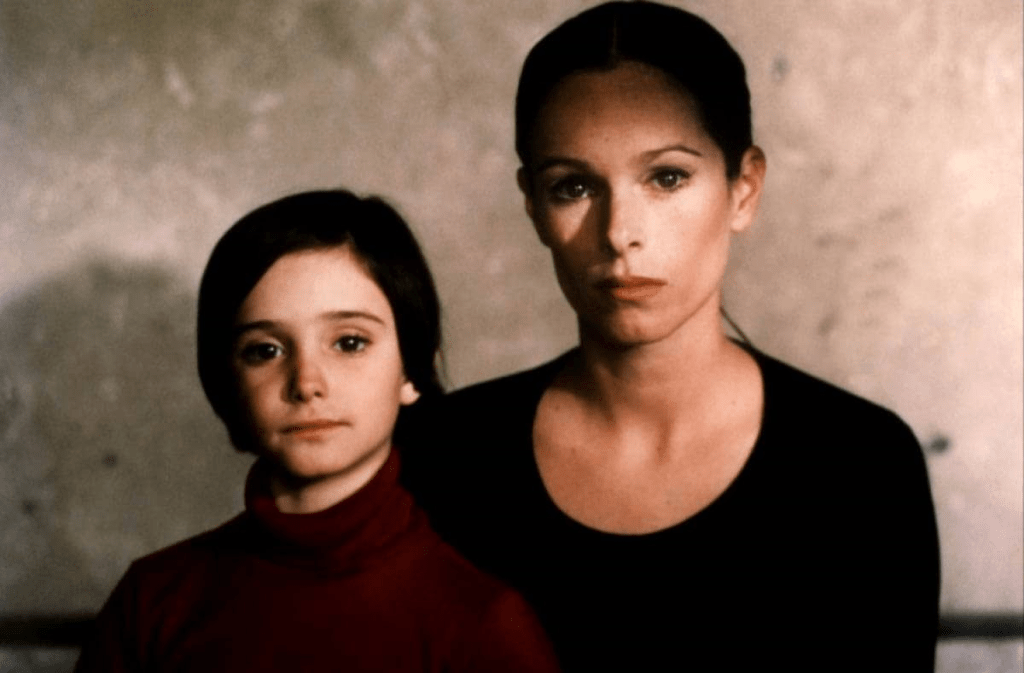
In some ways, it’s tempting almost to see Cría Cuervos as a sequel of sorts, Boyhood-style, to The Spirit of the Beehive, even though there is no direct link – other than Torrent being the lead in both films, and each film being about Spain under military dictator Francisco Franco. Arguably, though, Cría Cuervos asks its lead to do more acting: where her character in Erice’s film was certainly memorable, being a silent observer she is also something of a projection pane. Three years later, in Saura’s film, she is a more active participant in the plot: she is the middle daughter of three, her mother (played by Geraldine Chaplin) is dead but still very much present in the girl’s imagination, and her father, a ranking officer in Franco’s dictatorship, died while in bed with his lover – which the girl (Torrent’s character is named Ana in both films, which makes it even more tempting to see them as variations on the same character, and perhaps even Torrent herself) may have had a hand in.
Cría Cuervos is an atmospheric drama, evoking the stifling mid-’70s in Spain. It is also remarkably morbid: Ana is fascinated by death, perhaps more so than she is scared of it. Yet at the same time there is a warmth and even a sense of humour to the film, and much of it is carried by Torrent, who both comes across as a supremely confident performer at an impossibly young age, but who also doesn’t seem to be performing at all: there are none of the telltale signs of acting that you sometimes see in child performances. It may not be easy to get hold of both these films, The Spirit of the Beehive and Cría Cuervos, but they are both well worth checking out, and doubly so as a double bill. I certainly know that the moment Criterion upgrades its release of the latter film to Blu-ray (or even 4K), I’ll be there in a heartbeat.
— Matt

