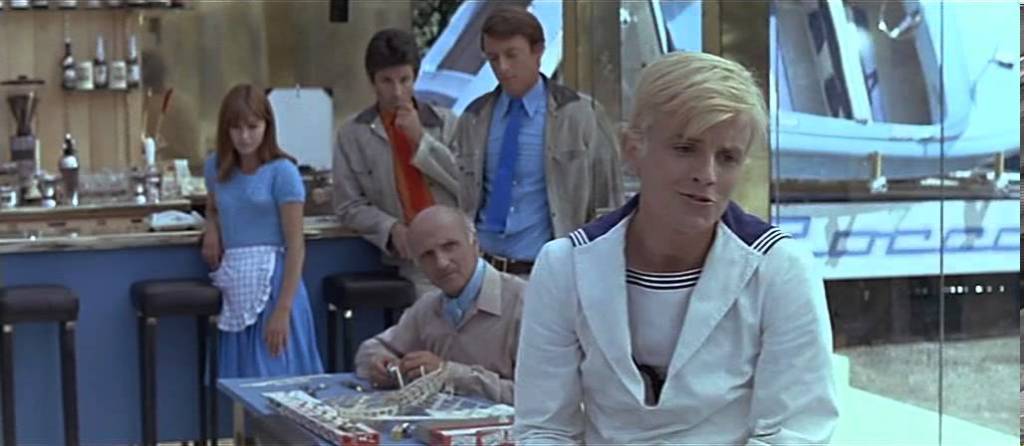
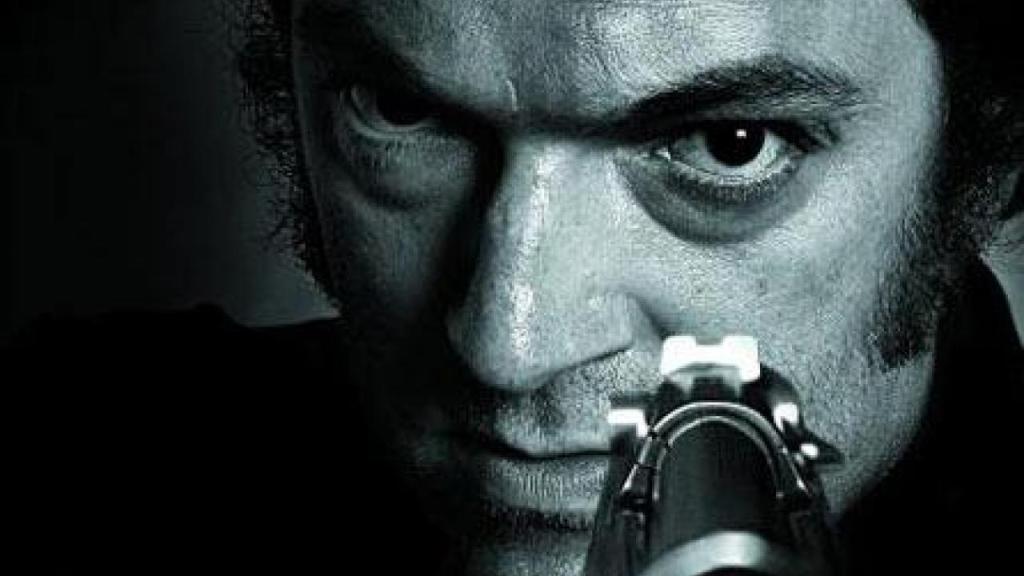
Six Damn Fine Degrees #48: Do you mind if I take just one more look? (A Star is Born)

Welcome to Six Damn Fine Degrees. These instalments will be inspired by the idea of six degrees of separation in the loosest sense. The only rule: it connects – in some way – to the previous instalment. So come join us on our weekly foray into interconnectedness!
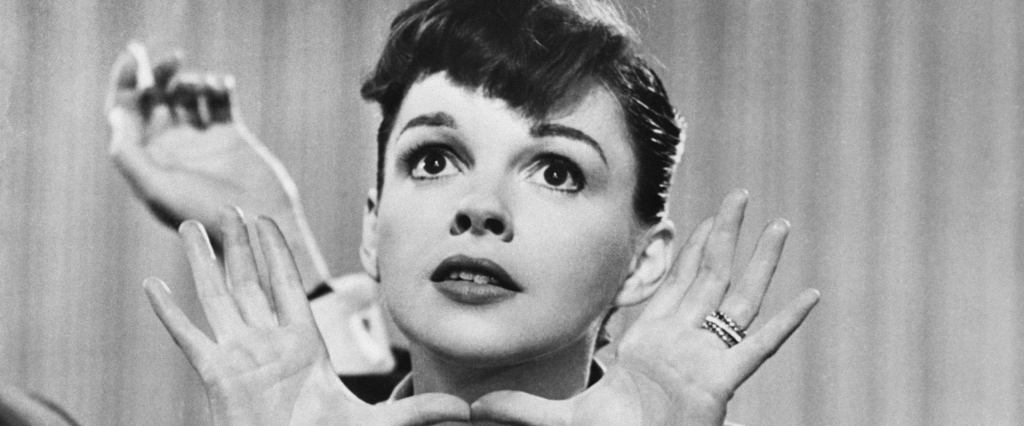
Hollywood likes to tell stories about itself. One of the most famous tropes is the rags to riches story, where a Hollywood ingenue finds success, only to realise that it comes with great sacrifices. The 1954 version of A Star is Born is one of the most beloved exponents of this trope. Not just because Judy Garland is great in it (and she is), but because of who Judy Garland is. Her painstaking rise to success led to the deterioration of her mental, physical and emotional health, which in turn proved detrimental to the career she sacrificed so much for.

Warning: spoilers ahead.

Continue reading
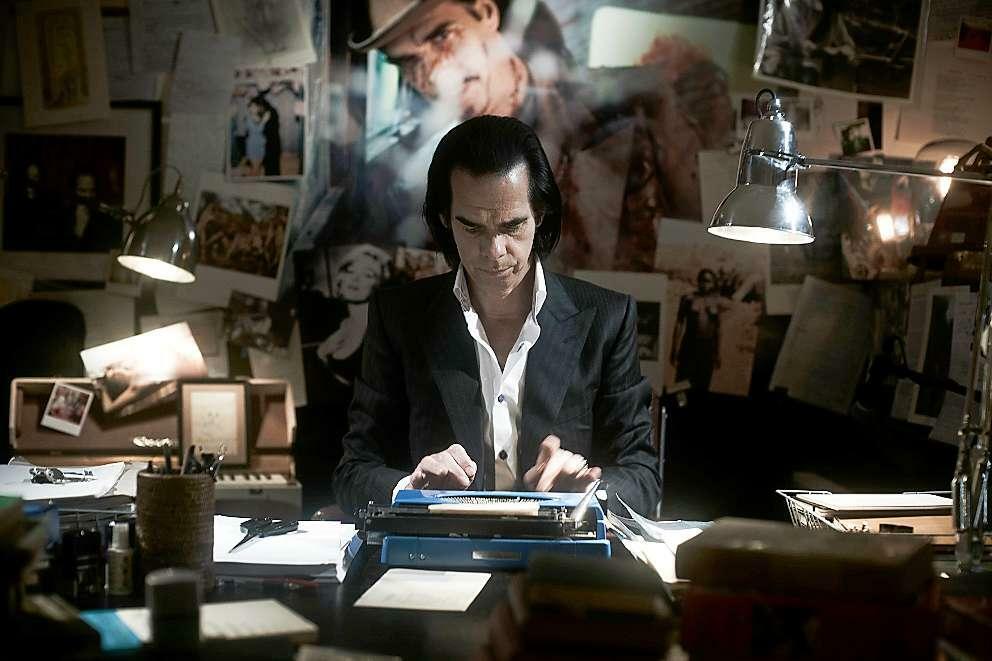

Family Anatomy: Kajillionaire (2020)

There is always a moment for me, early in any movie rather than late, where I ask myself if the storytelling is going to be good (or memorable, or quippy, or smart). Sometimes I am fooled into believing that it’s going to be great, as in The United States vs. Billie Holliday, where the movie starts out fine, gets bad and worse the longer I am sitting there, watching it crumble despite Andra Day’s fabulous performance. With Miranda July’s Kajillionaire, I knew that the story it was about to tell me was going to be a keeper, and I was not wrong. If you see Richard Jenkins standing at a downtown L.A. bus station, how can you not think of the pilot of Six Feet Under? The movie could easily be based on a graphic novel along the lines of Ghost World, and three streets along, Paul Thomas Anderson’s Magnolia might be unfolding.

Continue reading

Kuessipan means ‘my turn now’

Myriam Verreault’s Kuessipan (2019) is one of the best films about friendship in a long time. Mikuan and Shaniss grow up on the Innu reservation in Québec, and while the movie could easily showcase all kinds of social problems of the indigenous population, it contains refreshingly few scenes of actual violence. It has the good sense of letting us know that even between the two young girls, things are very different: while Mikuan grows up in a relatively stable family, Shaniss finds her mother dead drunk and unconscious on the kitchen floor, and when Shaniss is placed in a care home, it’s Mikuan who walks all those miles along the coast to see her bestie.

Continue reading

Six Damn Fine Degrees #42: Embracing darkness: Richard Harris

Harris in the studio recording an LP in 1971 (Image: Jack Kay / Daily Express / Getty Images)

“There, I gave you the stuff about Harry Potter”, Richard Harris pointedly remarks to his interviewer at the Toronto Film Festival in September 2001, just before the world would change. “But try to use the rest of what I said as well. Because, you see, I don’t just want to be remembered for being in those bloody films, and I’m afraid that’s what’s going to happen to me.”

Continue reading

Six Damn Fine Degrees #40: Pale Rider by Laura Spinney

Welcome to Six Damn Fine Degrees. These instalments will be inspired by the idea of six degrees of separation in the loosest sense. The only rule: it connects – in some way – to the previous instalment. So come join us on our weekly foray into interconnectedness!

Welcome to some sort of grim hat-trick. This entry might well be a part of our sadly ever-expanding series called Corona Diaries; it is also a revisit of what I once wrote for The Rear-View Mirror about Laura Spinney’s book Pale Rider; and the concept of six degrees carries a very cynical note when thinking about contagion, way back in 1918 when the Spanish Flu hit, and again today, for glaringly obvious reasons.

Continue reading

Six Damn Fine Degrees #37: Elmore Leonard

Welcome to Six Damn Fine Degrees. These instalments will be inspired by the idea of six degrees of separation in the loosest sense. The only rule: it connects – in some way – to the previous instalment. So come join us on our weekly foray into interconnectedness!

I don’t care how many movies you own, if your bookshelf doesn’t contain at least one single Elmore Leonard novel, there is a gap in your collection. There are very few novelists whose prose is already so close to a screenplay; in fact, if you, like me, imagine something very much alike to a movie scenes while reading a novel, you have it easy with Leonard, because his writing is, in the best sense of the word, graphic.

Continue reading

Six Damn Fine Degrees #36: Le Axe Murderer de Rochefort

Welcome to Six Damn Fine Degrees. These instalments will be inspired by the idea of six degrees of separation in the loosest sense. The only rule: it connects – in some way – to the previous instalment. So come join us on our weekly foray into interconnectedness!

Michel Legrand‘s score to 1967’s Les Demoiselle de Rochefort is one of that film’s many delights. Not only is it better than his score for The Umbrellas of Cherbourg (yes, it is, no, I will not be taking questions) but its a vital underpinning to a frothy delight of a film full of bright, vibrant colours, happy dance routines, beautiful people falling in love – and, of course, an axe-wielding psychopath.

Continue reading

Six Damn Fine Degrees #35: Michel Legrand’s Thomas Crown Affair

Welcome to Six Damn Fine Degrees. These instalments will be inspired by the idea of six degrees of separation in the loosest sense. The only rule: it connects – in some way – to the previous instalment. So come join us on our weekly foray into interconnectedness!

Gangster portraits in recent movies have tended towards more and more nasty realism, as Julie so admirably analysed in last week’s post on iconic  French gangster Jacques Mesrine. Long gone seem the late golden days of Hollywood gangster glamour, in which style prevailed over morality and sexiness seemed to make up for all crimes committed. 

Continue reading

Six Damn Fine Degrees #34: Jacques Mesrine

Welcome to Six Damn Fine Degrees. These instalments will be inspired by the idea of six degrees of separation in the loosest sense. The only rule: it connects – in some way – to the previous instalment. So come join us on our weekly foray into interconnectedness!

If Goodfellas is about the glitz, and Donnie Brasco is about the grind, the Mesrine dyptich consisting of L’Instinct de Mort and L’Ennemi Public No1 illuminates the cruelty inherent in a life of crime. Jacques Mesrine is a hard man. Not in the more stylized De Palma vein but as the real deal. Often racist, sometimes misogynistic, and extremely violent. The political incorrectness is not inadvertent, nor is it glamourized. It is simply symptomatic of a type who does not give a shit about anything at all. Not about people’s lost or ruined lives, either directly through his actions, or by their consequences. He wants what he feels he is owed, no matter the cost. Though certainly clever, articulate, intermittently charismatic and even charming – he has his moments –, Jacques Mesrine (Vincent Cassel) is a man of such staggering volatility and entitlement that he makes Tony Montana look like a parody.

Continue reading