Join us every week for a trip into the weird and wonderful world of trailers. Whether it’s the first teaser for the latest instalment in your favourite franchise, an obscure preview for a strange indie darling, whether it’s good, bad, ugly or just plain weird – your favourite pop culture baristas are there to tell you what they think.
Our summer of collaborations is coming to a close with one of the most iconic creative partnerships of Hollywood, going back almost 50 years: the collaboration between director Steven Spielberg and composer John Williams, which began in 1974 with Sugarland Express. Sam, Matt and Julie discuss this fruitful friendship, starting with Jaws (1975) and its iconic music that lives rent-free in the heads of millions of beachgoers before they enter the water, Close Encounters of the Third Kind (1977) and its mysterious five-note attempt at interstellar communication, and E.T. (1982), arguably the most sublime expression of that particular brand of sentimentality that Spielberg and Williams perfected early in their careers; they move on to the Indiana Jones series and the way Williams found the perfect score to accompany Indy’s nostalgic adventures (1981 – 2008 for the Spielberg-directed films); and finally ending with the last of the soundtracks heavy on iconic themes, Jurassic Park (1993), the changes in Spielberg’s filmmaking in the following years, and the ways Williams’ scores changed with them, focusing on the jazzy Catch Me If You Can (2002) and the historical drama of Munich (2005). Arguably, Spielberg and Williams quickly peaked, with some of their best work coming early in their collaboration, but did they maintain the quality of those early days? Williams created some of the most iconic soundtracks without Spielberg, but can we imagine Spielberg without Williams?
P.S.: For last year’s summer series of podcasts, check this link:
Each Friday we travel back in time, one year at a time, for a look at some of the cultural goodies that may appear closer than they really are in The Rear-View Mirror. Join us on our weekly journey into the past!
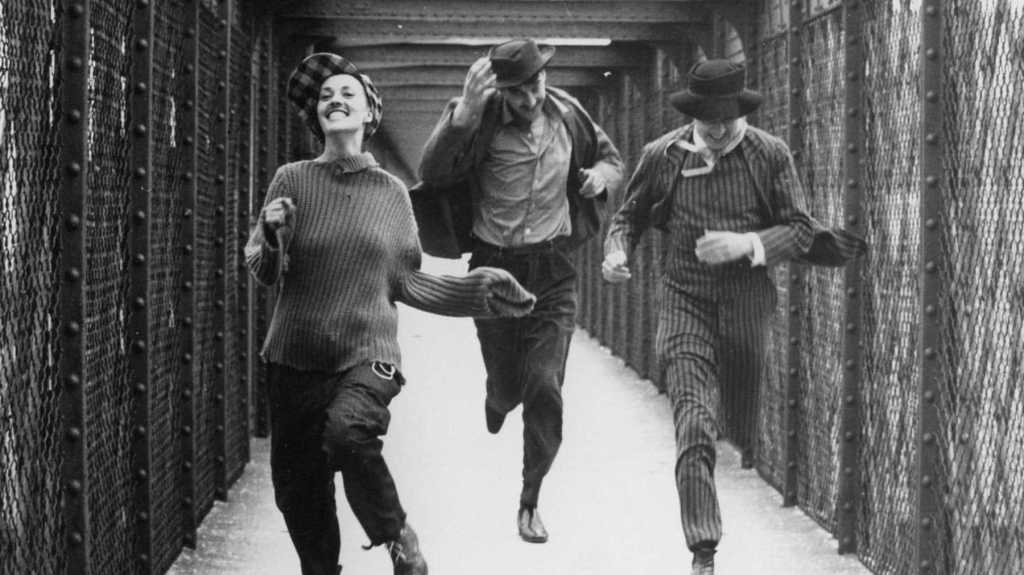
Jules et Jim (1962) wasn’t my first film by François Truffaut, but it might as well have been: while I saw The Last Metro (1980) earlier, it didn’t fully register that this was a film directed by Truffaut, one of the founders of the French nouvelle vague, and I only remembered The Wild Child (1970) very, well, vaguely. In fact, I was more aware of Truffaut in Spielberg’s Close Encounters of the Third Kind (1977).
This week I saw my first Hitchcock on the big screen. I grew up in the ’80s, which meant that I first and, more often than not, only saw the classics of cinema on TV – and in the ’80s that meant, what, screens that were 30 inches across if you were lucky? TVs were big, bulky monstrosities, but the screens weren’t particularly big – which was good, really, because television channels broadcast images that were relatively fuzzy. If you sat close enough to the screen so that it filled your field of vision (and you could smell that weird electric smell), what you saw was basically impressionist art.
P.S.: Was I the only kid who had sort of an older-woman crush on Melinda Dillon after watching Close Encounters of the Third Kind and A Christmas Story?

 A Damn Fine Cup of Culture