Welcome to One Best Picture After Another – where I attempt to watch all the winners of the Academy Award for Best Picture, starting at the very beginning. And attempt to answer two simple questions – is the film still actually any good? And why did it win?
6/10
It seems fitting that the first Academy Award for a Sound Picture should go to a musical. The arrival of the Talking Picture had caused all sorts of chaos in Hollywood as it struggled to get to grips with the new technology. However filling the Big Screen with songs was an immediate winner when it came to using the Modern Day Marvel That Is Sound™
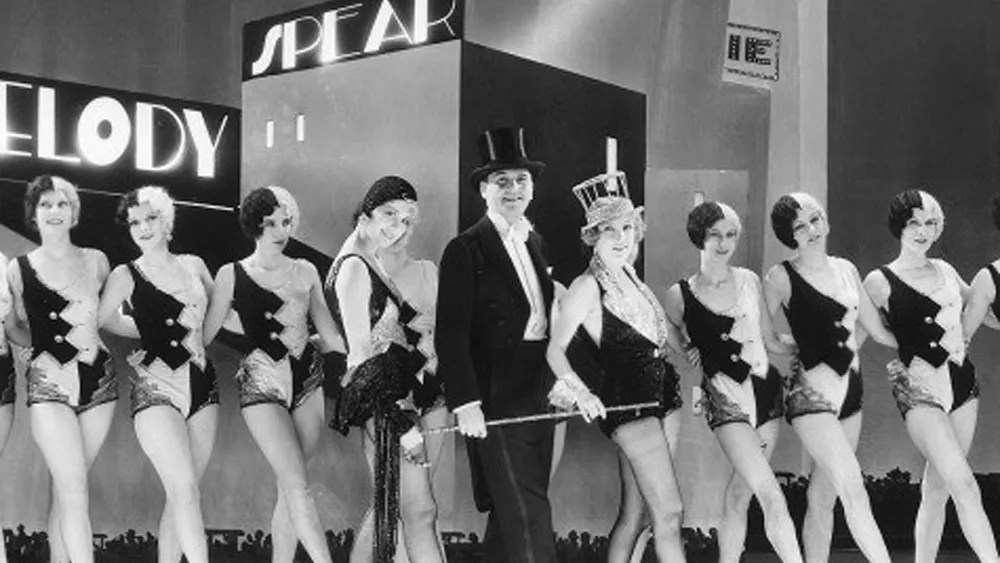
And, as if to bring home that they’ve got SOUND now, the makers of The Broadway Melody open their film with a true cacophony. We’re in the offices of Gleason Music Publishing and there’s a lot of music happening all at once, intercutting and overlapping different performances to overwhelm the audience with all this LOVELY SOUND. Finally it settles down and we get a rendition of the title track. Broadway Melody is a nice little number, and hopefully you like it. Because when it comes to the first four songs performed in this film, three of them are this one. I guess we’re still at a time when the genre was finding its feet, and having the same song performed three times in the opening thirty five minutes of a film was seen as perfectly fine.
Indeed its the musical numbers here that really show that this is a film from the dawn of the genre. Not one feels remotely cinematic. Instead it feels like they are all presented in the exact same way that would have been done had this been an actual musical performed on the stage. The theatricality of it all can work, but it really highlights the age of the film.
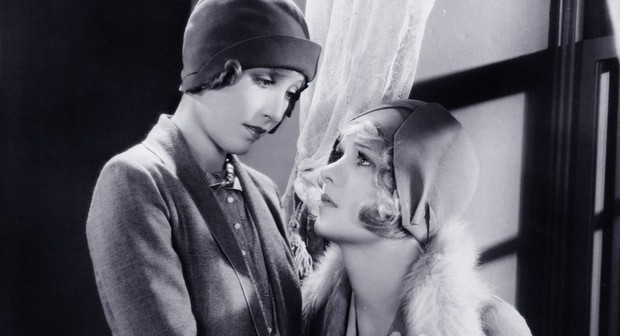
Watching technically limited musical numbers (especially if it’s the same number) is of limited appeal to me. But the film is mostly redeemed by its two female leads. Anita Page and Bessie Love play two sisters coming to New York in the hope of making it big and the heart of this film is basically their story. And thankfully it’s an interesting one and they both put in engagingly charming performances, Love especially.
Page plays the younger sister Queenie Mahoney, and the film doesn’t hold back from repeatedly telling us she’s the beautiful one and that every man is basically going to fall in love with her. Meanwhile Love plays the older sister, Hank Mahoney (yes – Hank!), who is meant to be the smart, sassy one who looks out for them both. I guess the film has to keep telling us that Queenie is the pretty one because visually they are both gorgeous and we might not pick up on this important difference without being told it.
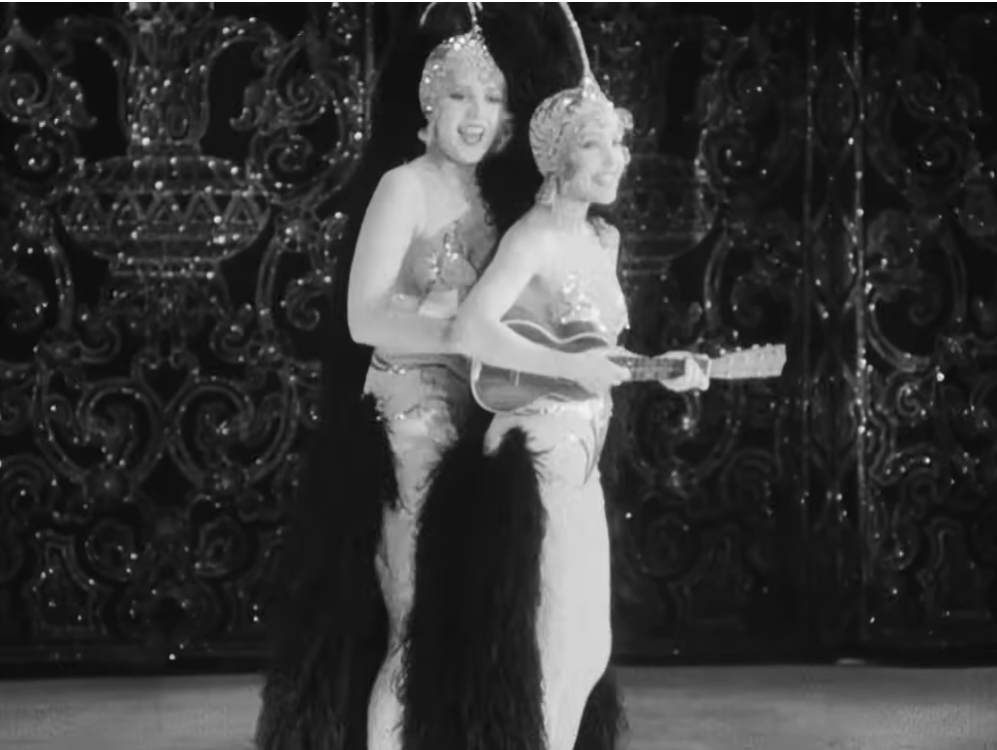
Given that Queenie is so beautiful, it is inevitable that crooner Eddie Kearns falls in love with her. This causes all sorts of problems because Eddie is the boyfriend of Hank, who is also beautiful but we have to pretend isn’t actually that beautiful to make this all work. And so begins a tale of heartbreak and sibling drama woven between performances of Broadway Melody.
The songs in this film were written by the partnership of Nacio Herb Brown and Arthur Freed, and one of the oddest things about watching the film is how eerily familiar several of them are. This is because they get reused in the much more famous Singin’ The Rain. Indeed, the genesis of that later film was simply to find a vehicle to dust of a collection of Brown and Freed tunes for a new musical. “You Were Meant For Me” gets its first outing here, and it’s a good tune. But the moment it starts I just start missing Gene Kelly’s more cinematic performance in the later film.
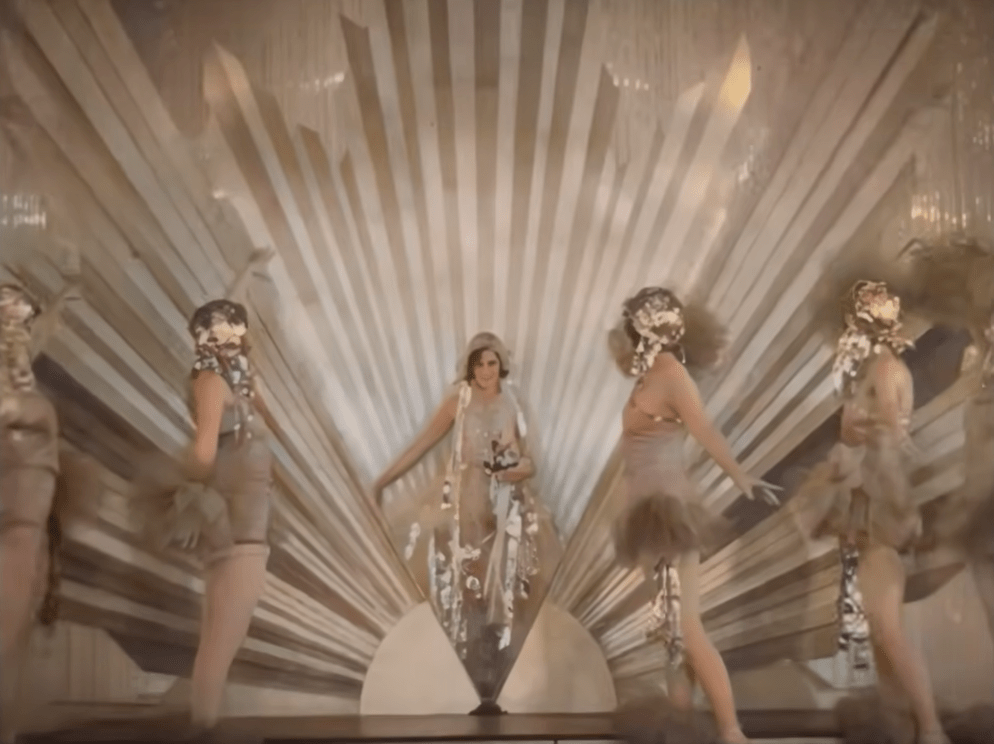
The film also has a truly surreal Technicolor interlude in the middle of it – a gaudy presentation of “The Wedding Of The Painted Doll”. Another tune re-used in Singin’ In The Rain, it’s fun to see this oddity in its original form – even if it doesn’t really make any more sense here. The fact the plot of the film basically stops with no explanation just so we can have a few minutes of colour and a bizarre fantasy number was unexpected – but even this grand indulgence feels incredibly stagey. Seeing colour as far back as 1929 is fascinating, but I think its telling that this didn’t herald an immediate transition to full colour, nor even make having a bit of colour within every film the norm. The arrival of sound had just transformed the whole industry in under two years. Colour isn’t going to become the standard for decades yet. That said – the technical achievement of a full blown colour musical moment is probably the reason this won Best Picture, because at the time that does seem to be what everyone was talking about.
“Boy Friend” is probably the stand out of the remaining tunes that don’t feature in Singin’ In The Rain – and with Page and Love central to the performance it’s charming even if – again – limited to just being a stage performance shot by a static camera. And when they come off stage after it’s finished, we return to the heartbreak and hijinks of the Queenie/Charlie/Hank (yes, its still Hank and it never stops being odd) love triangle. And this being the days before Hollywood censorship, the sexual content of it all is more than you’re going to get in five years’ time. Even if it is pretty tame. Predatory men aren’t as coy on screen as they were to become – and Page and Love get to strip down to their underwear several times for important plot reasons.
My tone throughout this review has probably been a bit sarcastic – but I did enjoy this film. It does live in the shadow of what the genre was to become, but it’s still fun, and I especially enjoyed the central relationship between the sisters here, as well as the fact that the showbusiness life doesn’t deal in easy resolutions. No character in this story is going to get anything close to a happy ending without having to make a lot of compromises. And for all its stageyness, you can still feel the exciting potential of the genre. It will get better and more cinematic than this.

