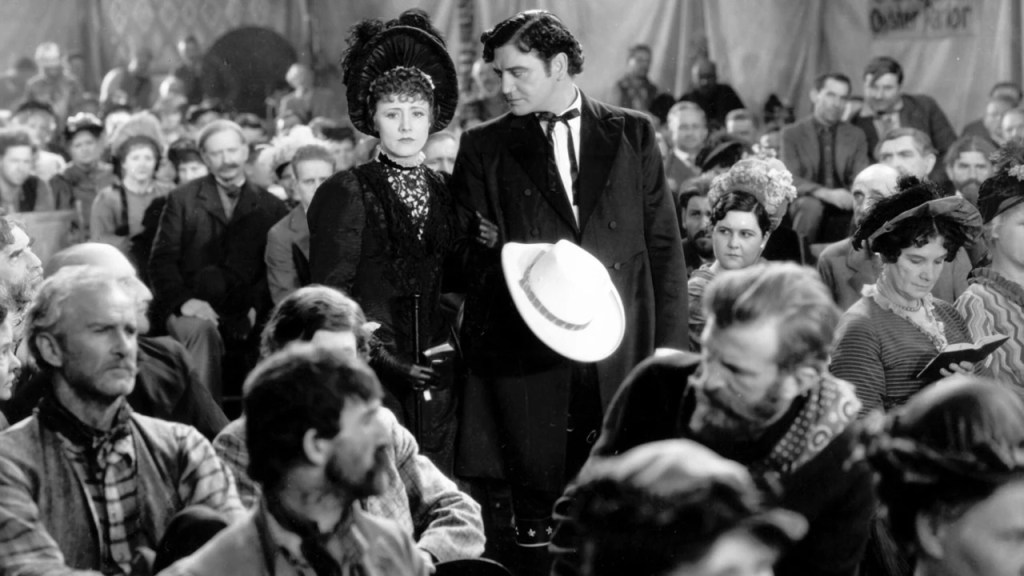
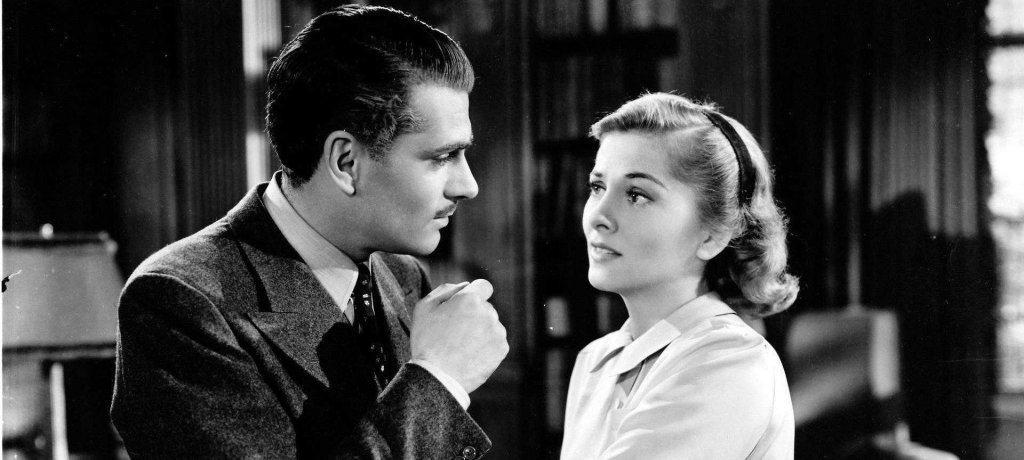
One Best Picture After Another #13: Rebecca (1940)

Welcome to One Best Picture After Another – where I attempt to watch all the winners of the Academy Award for Best Picture, starting at the very beginning. And attempt to answer two simple questions – is the film still actually any good? And why did it win?
8/10

Any list of Best Picture winners is often defined by the list of absences. You can look through a list of all the great films from the likes of Stanley Kubrick, Ernst Lubitsch, Fritz Lang and Howard Hawks: not one of them ended the night of the Oscar ceremony with the top prize.

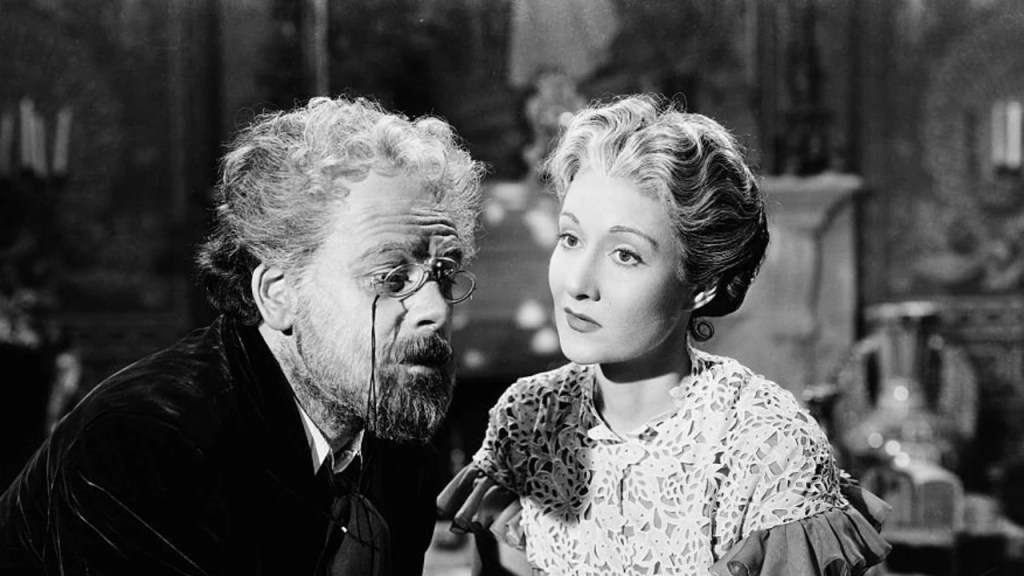
Bizarrely, though, Alfred Hitchcock does have a picture on that list. Because of Rebecca. Or perhaps he should still be on the list, as the producer re-edited and reworked parts of the film after Hitchcock had delivered his final cut. Hitchcock was to subsequently disown the film, and so its status as his only Best Picture win feels like it needs a large David O. Selznick-shaped caveat.

Continue reading →
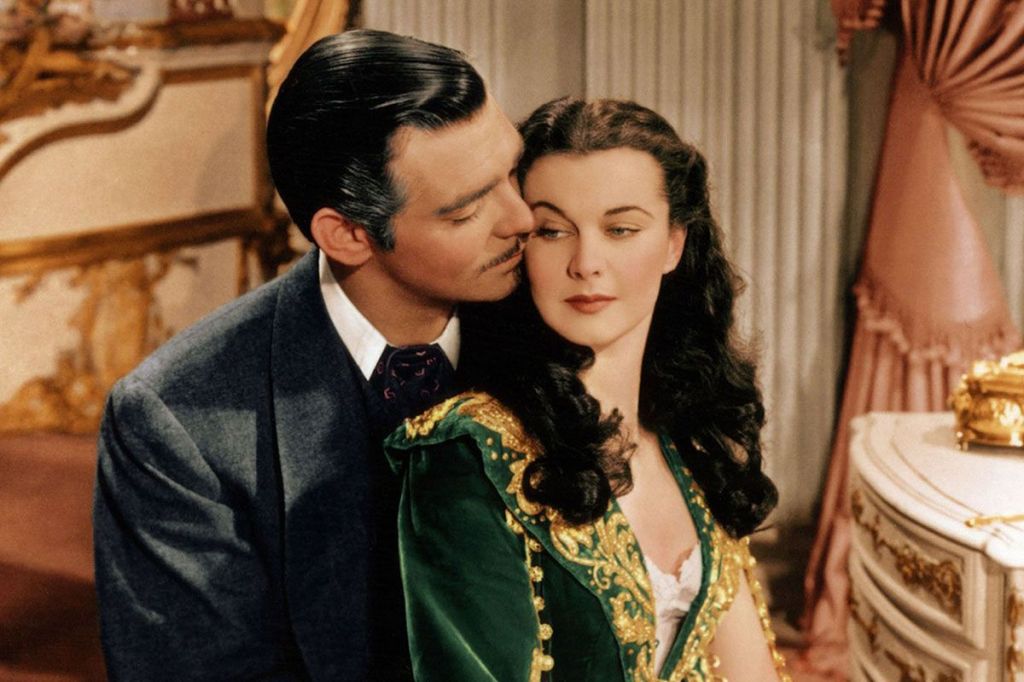
One Best Picture After Another #12: Gone With The Wind (1939)

Welcome to One Best Picture After Another – where I attempt to watch all the winners of the Academy Award for Best Picture, starting at the very beginning. And attempt to answer two simple questions – is the film still actually any good? And why did it win?

7/10

It speaks volumes about the vast cultural impact of Gone With The Wind that, when I was a kid, it still enjoyed some status as a reference point. We recognised the line “Frankly, my dear, I don’t give a damn”, even if we didn’t really know where it came from. This was over forty years after its release and yet it still had a popular legacy.

Despite all this, I did not actually see the film for quite a long time. Even when I got older and got into watching classic films, I never quite felt the pull to make me want to get the VHS, or later the DVD, of this film. It took until the 21st century, and a screening at London’s prestigious British Film Institute cinema for me to finally resolve to see it.

Continue reading →

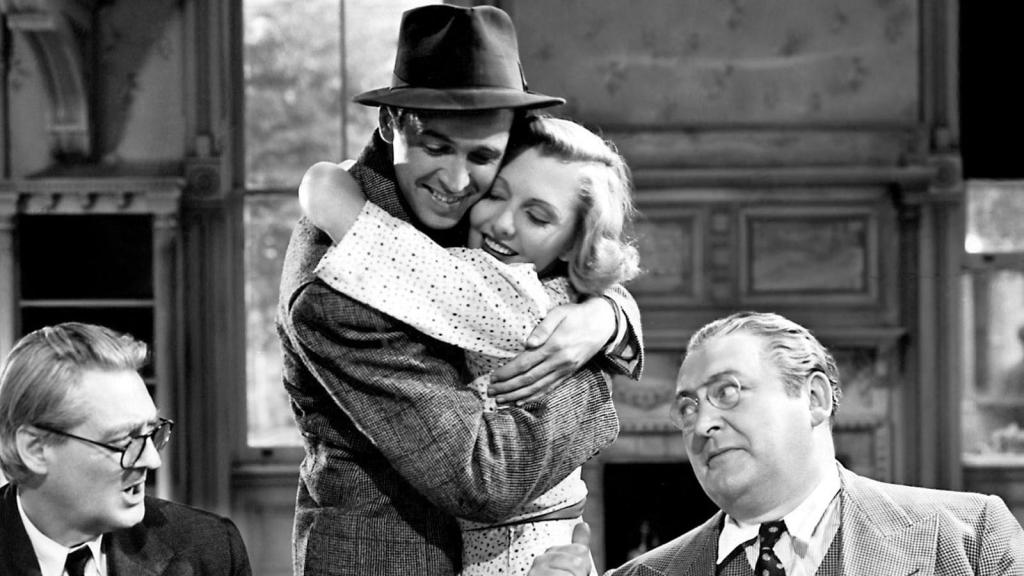
One Best Picture After Another #11: You Can’t Take It With You (1938)

Welcome to One Best Picture After Another – where I attempt to watch all the winners of the Academy Award for Best Picture, starting at the very beginning. And attempt to answer two simple questions – is the film still actually any good? And why did it win?

6/10

There’s a term that’s sometimes used to refer to the works of Frank Capra that I dislike. It’s “Capra Corn”. It feels too much like a sneer at the director who genuinely tried to make popular cinema, and embraced storytelling that would be emotionally engaging to the widest possible audience. I always want to push back against it, to celebrate an innovative director and his earnest attempts to make intelligent, heart-warming cinema.

But, bloody hell, he sometimes makes that difficult.

Continue reading →

One Best Picture After Another #10: The Life Of Emile Zola (1937)

Welcome to One Best Picture After Another – where I attempt to watch all the winners of the Academy Award for Best Picture, starting at the very beginning. And attempt to answer two simple questions – is the film still actually any good? And why did it win?

6/10

A surprising number of Best Picture winning films can be described as “Truly Forgotten”. For all their success at the time, they have left no cultural trace. They don’t get shown again in retro cinemas, nor do they get fancy extras-laden 4K Criterion releases.

Continue reading →

One Best Picture After Another #9: The Great Ziegfeld (1936)

Welcome to One Best Picture After Another – where I attempt to watch all the winners of the Academy Award for Best Picture, starting at the very beginning. And attempt to answer two simple questions – is the film still actually any good? And why did it win?

6/10

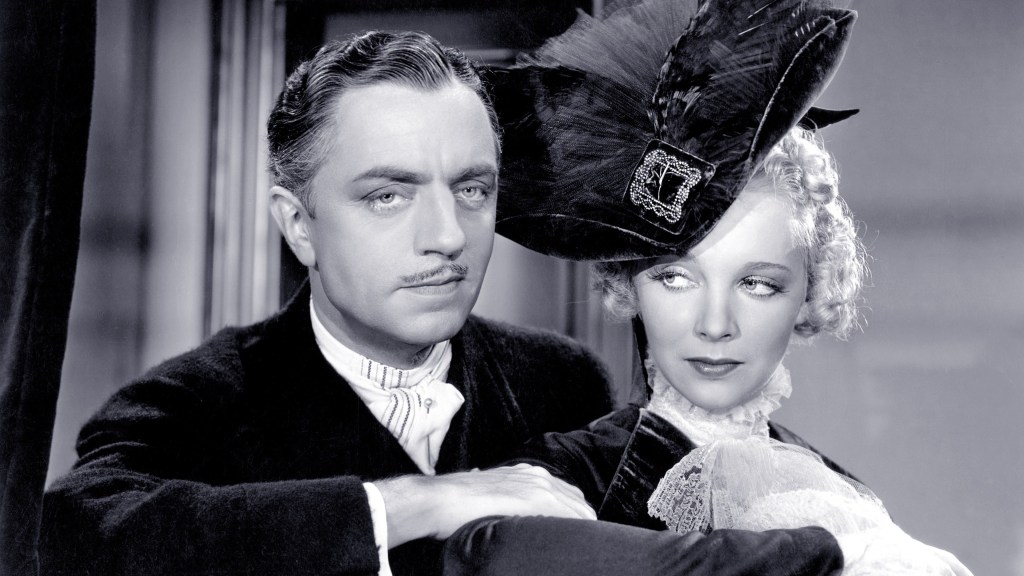
When I first looked through the complete list of films that I’d be watching for this exercise, one of the titles that stood out was The Great Ziegfeld. There was one reason for this – William Powell. He plays the lead in this film and I’m a huge fan of his. Yet despite being someone who long ago fell for the man’s charms, I’d never watched this particular film. Mainly because, unlike the likes of My Man Godfrey, How To Marry A Millionaire and especially The Thin Man, it’s not a film of his that gets remembered and rescreened alongside those classics. Even among dedicated Powell-istas (Powell-ites? Powell-ians?) its reputation is that of a bit of a dud.

Continue reading →

One Best Picture After Another #8: Mutiny On The Bounty (1935)

Welcome to One Best Picture After Another – where I attempt to watch all the winners of the Academy Award for Best Picture, starting at the very beginning. And attempt to answer two simple questions – is the film still actually any good? And why did it win?

6/10

A year after It Happened One Night won the Oscar and Clark Gable is already back in the next winning film with Mutiny On The Bounty. Another triumph that reflected his popularity with audiences and critics in the mid-1930s. Or, to put it more bluntly, he was a Star.

Continue reading →

One Best Picture After Another #7: It Happened One Night (1934)

Welcome to One Best Picture After Another – where I attempt to watch all the winners of the Academy Award for Best Picture, starting at the very beginning. And attempt to answer two simple questions – is the film still actually any good? And why did it win?

10/10

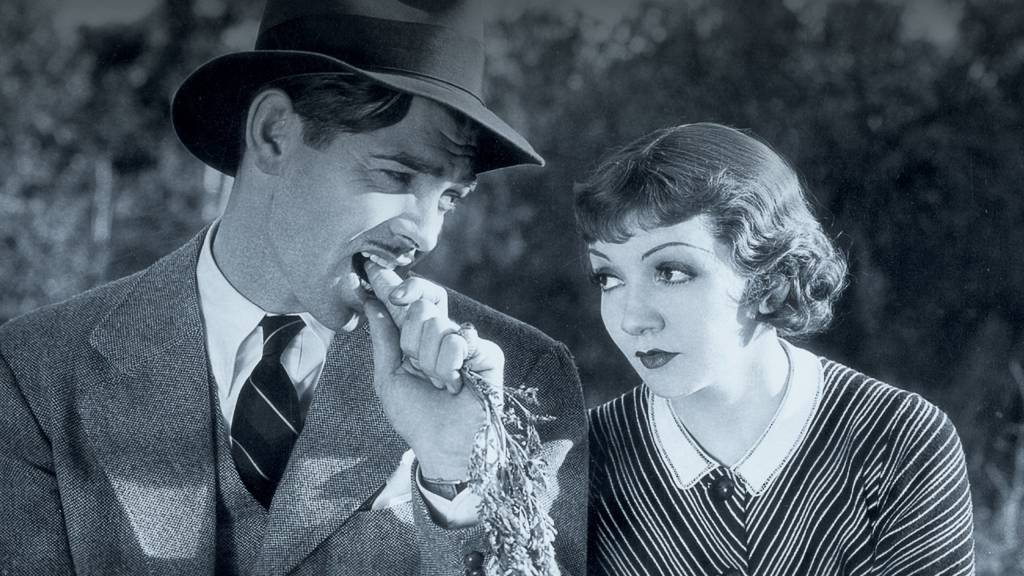
It Happened One Night is an Academy Award winning film that still has a high profile for a production made in the Thirties. It’s one of those movies that can be safely recommended to those who are interested in early classic cinema, and its the first film so far from all the Oscar winners that I was already a massive fan of.

But revisiting a few old friends is going to be part of this journey, and so it was joyous to dig out my own copy of this and put it in for the umpteenth time. And, unsurprisingly, it’s still brilliant. Rewatching it is also a reminder of why it’s hard to find anything new to say that hasn’t been said dozens of times before in the 92 years since it was a hit. This isn’t a complicated film: what it does is really quite simple. But it just does it so, so well.

Continue reading →

One Best Picture After Another #6: Cavalcade (1933)

Welcome to One Best Picture After Another – where I attempt to watch all the winners of the Academy Award for Best Picture, starting at the very beginning. And attempt to answer two simple questions – is the film still actually any good? And why did it win?

2/10

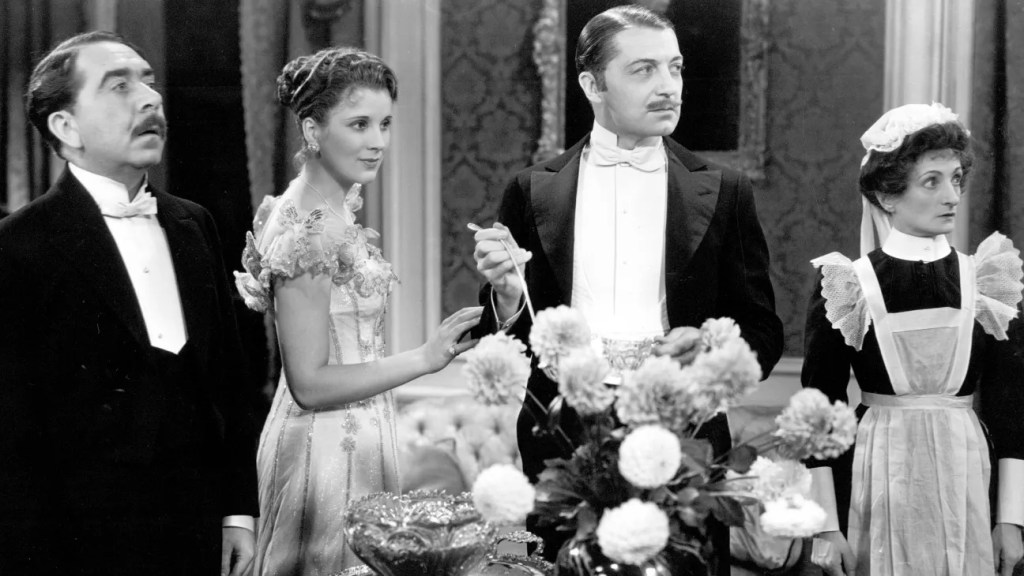
Cavalcade has a lot in common with previous winner Cimmaron. Just like that film, the story here stretches over decades, focusing on a few characters as they change and develop over time. It also references major events over that period, as we watch them impact on the ordinary lives we are following. Both films belong on the list of Oscar winners that have truly been forgotten by the passage of time.

It also shares the quality that it is utterly mystifying to me how such an incredibly awful film won the Best Picture Award.

Continue reading →

One Best Picture After Another #5: Grand Hotel (1932)

Welcome to One Best Picture After Another – where I attempt to watch all the winners of the Academy Award for Best Picture, starting at the very beginning. And attempt to answer two simple questions – is the film still actually any good? And why did it win?

7/10

In 1930 a play called Grand Hotel opened on Broadway and was an instant success. Such a triumph led to a film adaptation, packed full of some of the biggest stars of the day, that struck box office gold, critical acclaim and eventually won the Academy Award. None of this was an accident: all of it was masterminded by MGM’s super producer Irving Thalberg.

Continue reading →

One Best Picture After Another #4: Cimarron (1931)

Welcome to One Best Picture After Another – where I attempt to watch all the winners of the Academy Award for Best Picture, starting at the very beginning. And attempt to answer two simple questions – is the film still actually any good? And why did it win?

2/10

The past is a foreign country, they make films differently there. Both critically acclaimed and a box office hit back in 1931, Cimarron‘s appeal seems genuinely mystifying to me today. A Western saga set in Oklahoma that manages to be both clunky, messy and boring, despite having gun fights, family drama and a court case about sex work.

Continue reading →