At least for many of us here at A Damn Fine Cup of Culture, the days have become much shorter and the nights colder and darker – which means it’s a perfect time to get stuck in new series, books or films. What have we been watching, listening to or reading lately?
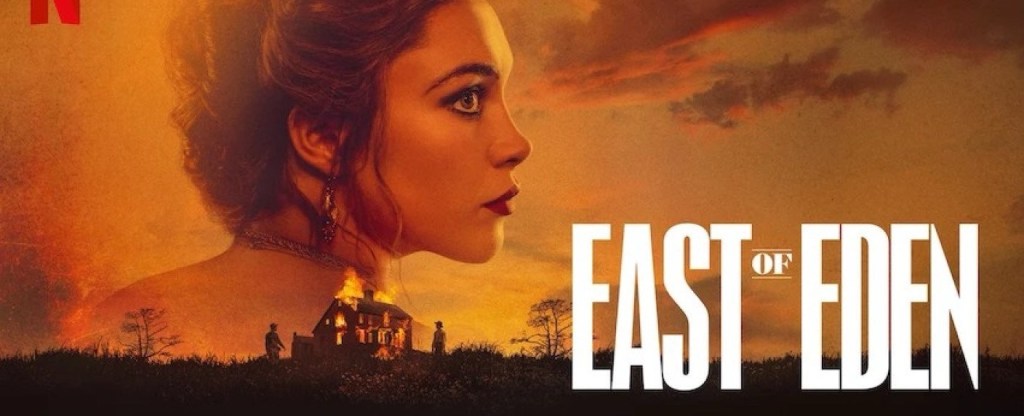
East of Eden (2026)
The biggest current hit on Netflix is Zoe Kazan’s (yes, Elia Kazan‘s granddaughter) retelling of John Steinbeck‘s seminal 1952 novel, made famous by her grandfather‘s 1955 adaptation starring James Dean. The new version refocuses the story and tells it all the way from the beginning in epic style: from the original Trask brothers (Christopher Abbott and Mike Faist), raised by a strict father and soon divided by the manipulative Cathy (Florence Pugh in another career high), who marries one and sleeps with the other, only to run away from her twin sons after birth and become the most successful Madame in the local brothel.
Whereas the James Dean classic told the story of the twins coming of age and discovering their parents’ sorry past, Zoe Kazan and a team of directors reshape Steinbeck‘s source material into a splendid, haunting and engaging family saga, with especially strong turns from Pugh and Abbott, as well as Hoon Lee as the Chinese American quasi-father and housekeeper Lee. His influence is vital both on the boys and the story as a whole, and his perspective lends this adaptation a fascinating insight into American history as well, through the eyes of the underappreciated and disadvantaged. The centre, however, is the powerfully strategic Cathy, who successfully forges her path only to realise she can’t escape her own trauma.
— Sam
All About My Mother (2026)
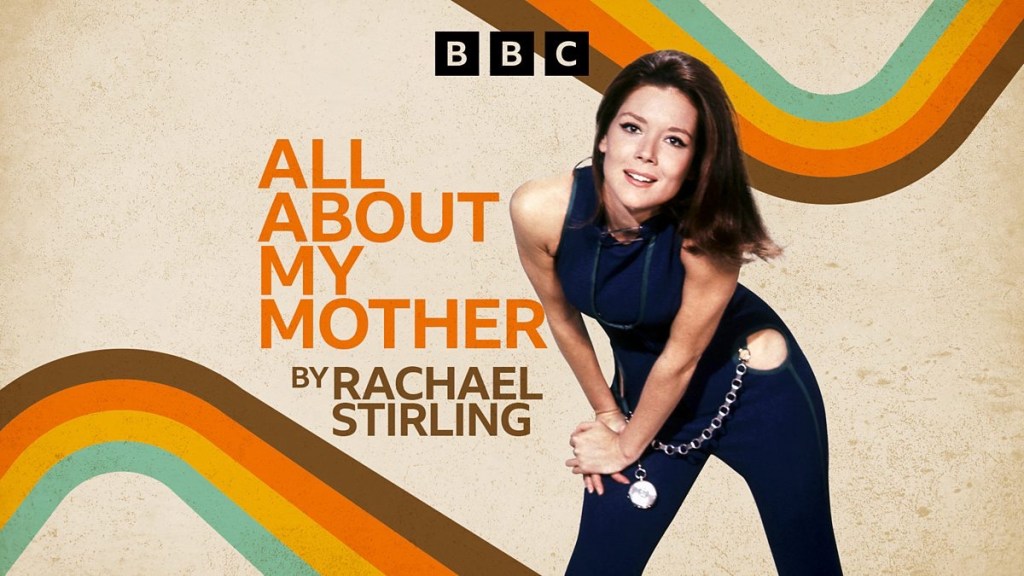
When we lost the great Dame Diana Rigg in 2020, the desperate need for a proper biography to appreciate this wonderfully feisty, adorable and multitalented actress became blatantly obvious. Her iconic roles on TV (from The Avengers and Rebecca to Game of Thrones) and in movies (as James Bond‘s wife, Hercule Poirot‘s murder victim or Miss Piggy‘s nemesis) are well known, and lovers of the stage would have the fondest memories of her legendary turns as Mother Courage, Medea or Phaedra. Yet, at the same time, Rigg was a fundamentally private person, whose life away from the limelight remained a bit of a mystery.
Thankfully, Rachael Stirling, her daughter and herself a well-known actress, has literally lifted the lid on her mother‘s life and retells it in this fabulous memoir (also read by her in the audiobook version available on Spotify). Going through her mother‘s trunk full of letters, reviews and photographs, she charts both Riggs upbringing and career, as well as her own memories of how she started to realise that her mother is famous. It’s as hilarious, deep, giving and open-hearted as we remember Diana Rigg to have been on screen and stage, with a wonderful insight into the person behind the glossy images of Emma Peel, Tracy Bond or Arlena Marshall. It‘s in equal parts a moving and very amusing revelation of a read (or listen!).
— Sam
Minions & Monsters (2026)
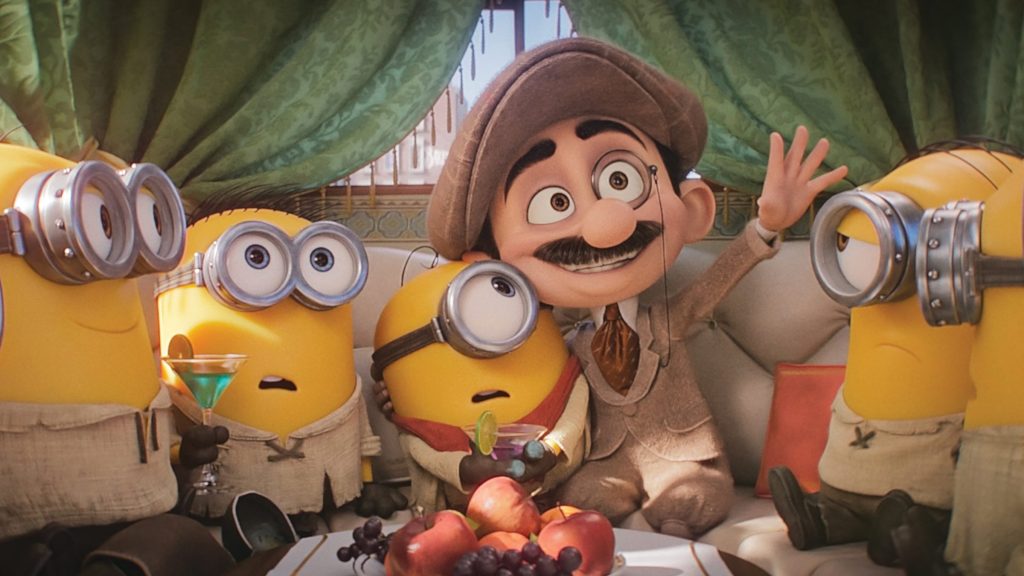
There’s a film currently sitting in the global Box Office Top Ten for 2026 that features Charlie Chaplin, Harold Lloyd and Buster Keaton. Sort of. Minions & Monsters is the latest in the Minions franchise, itself a spin-off from the Despicable Me films. Only this one decides to tell a historic story of the titular Minions finding themselves in Hollywood during the Golden Age. They play their part in the history of cinema, alongside saving the world from, well, Monsters obviously. The setting allows the animators to indulge a huge number of in-jokes, showing a clear love for the time period, while the fact that the Minions themselves can only ever speak in a gibberish language makes them a nice fit for the pre-sound era. I enjoyed this side of the film a lot, although I can’t help but wonder if these jokes rather detract from the film’s primary purpose of entertaining kids. Not that I mind, though: I don’t have kids and I love this era – meaning that I had a great time.
— Alan
Digger (2026)
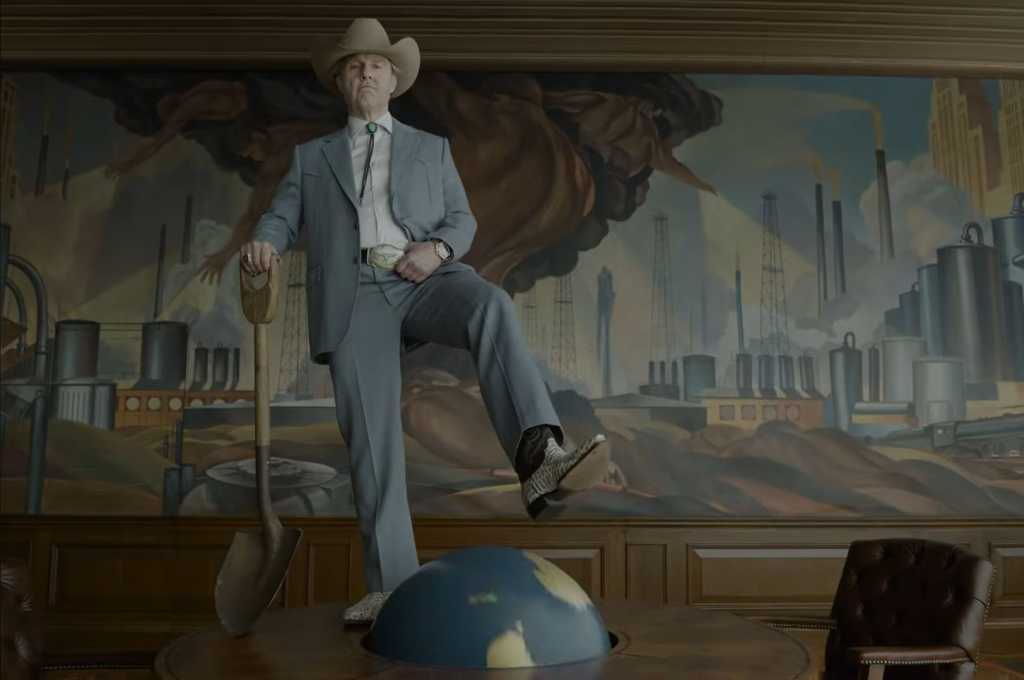
The big surprise with Digger was how much I enjoyed it. It’s a very different film to the one promised (threatened?) by most of the trailers. And Tom Cruise gives a great performance in it, which, again, is not something that I thought was likely, given how cringey and over the top the trailers made it look. All of which made me think that the problem this film suffers most is one of expectation. Not just those set by the promotional material, but even by the simple fact that it is a big-budget Hollywood movie with a big-name star. There’s a weird quality in a film made within that system that comes out wanting us to know how different it is – and I don’t think audiences really like that. I genuinely think that if the same story had been made for, say, $10 million dollars in Spain, in Spanish and with actors that most of the English-speaking world had never heard of, this film would be heralded as an awards contender – because being surprised by the oddity and the plot twists and the novel ideas seems to fit films with that profile. Whereas we have so much baggage with big-budget films with Hollywood stars that the same storytelling quirks feel jarring. Suddenly an odd decision is less charming but more one that asks the question they spent over $150 million dollars to do that?!
— Alan
Fatherland (2026)
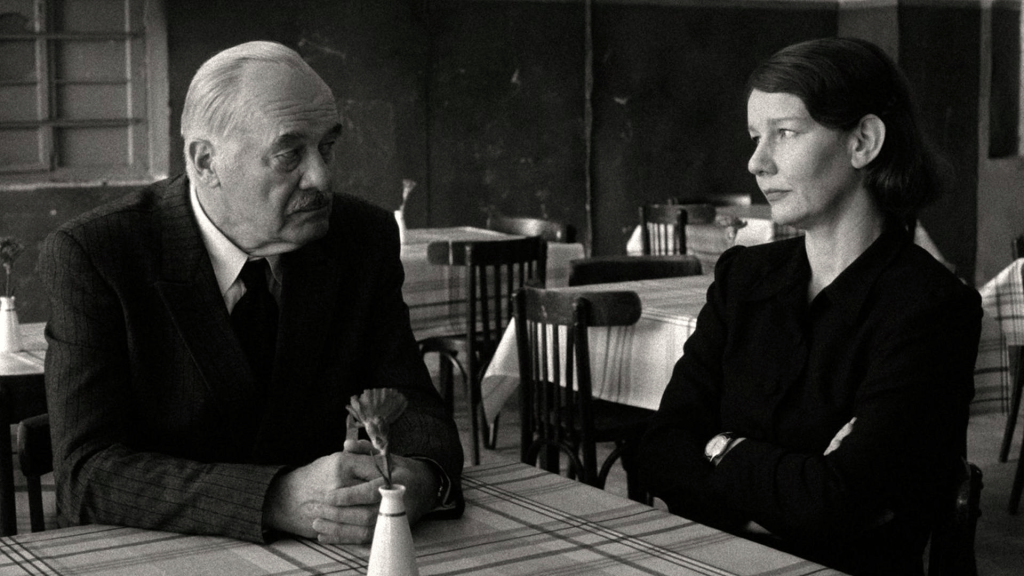
I liked Paweł Pawlikowski’s Ida and Cold War a lot. Both films did a fantastic job of taking stories in which private and national history intersected, often to the detriment of the people finding themselves at that intersection. Both were films that could have come across as novelistic intellectual exercises, but they came to live in ways that were entirely cinematic. Pawlikowski’s new film, Fatherland, is a more sombre, cerebral affair, at least on the surface, and its two main characters, German writer Thomas Mann and his daughter Erika (played beautifully by Hanns Zischler and Sandra Hüller, astonishing as always) may be less immediately engaging than the protagonists of the earlier films. As always when it comes to historical figures depicted in films, there’s the question: how well do I need to know Thomas Mann to understand what this film is about?
It helps to know, before seeing the film, that everything you need to know about the historical Mann is shown in the film: he was a writer of world renown who left Germany during the Nazi reign and lived in exile in the United States for many years. Fatherland is about exile and the impossibility of returning home, when that home has been changed irrevocably. It is also about fathers and their children (not only Erika but also Klaus, an anti-fascist and writer in his own right, played in the film by August Diehl), and the ways in which the family may prove to be as unsuited to providing a home as the nation. But while I found it easy to admire Fatherland, it kept me at a distance much more than Ida and Cold War did, so that the aforementioned intersection, which I found so effective in the earlier films, felt much less immediate in this film. I will remember many of the scenes, which tonally range from scathing sarcasm and anger to profound sadness, and both the acting and the cinematography are impeccable, but as a whole the film never quite let me in. Having said that: I do want to revisit it, and there is a good chance that Fatherland will find its mark much more on a second viewing.
— Matt

