Welcome to One Best Picture After Another – where I attempt to watch all the winners of the Academy Award for Best Picture, starting at the very beginning. And attempt to answer two simple questions – is the film still actually any good? And why did it win?
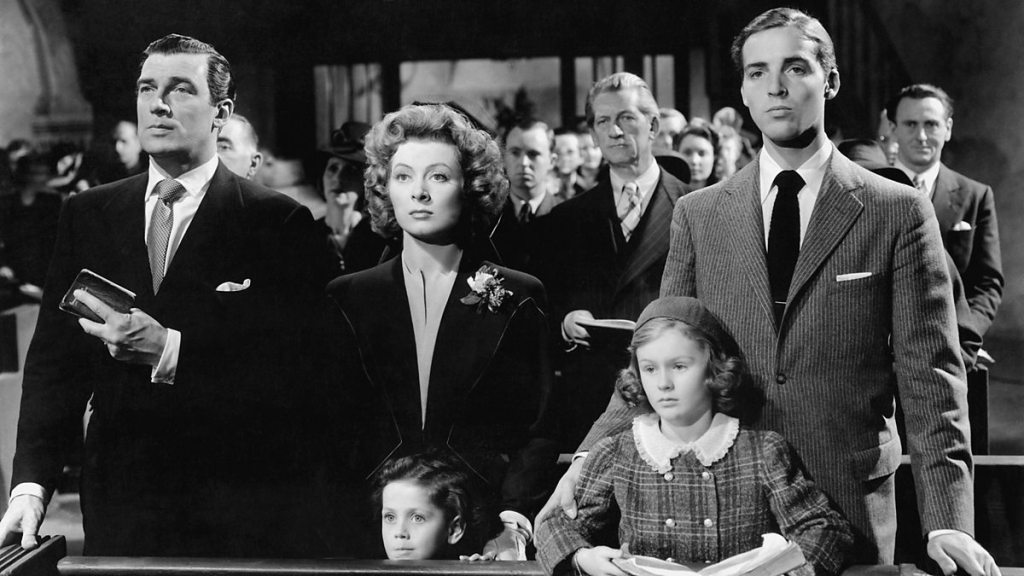
7/10
When I was first thinking about embarking on One Best Picture After Another, I had a look at all the films that had won Best Picture. It’s an odd collection: you have your bone fide classics, your populist barnstormers, also there’s quite good films that probably didn’t deserve the prize, the absolutely WTF, what were they thinking?! winners – and then a final category: the What? winners. Films I didn’t recognise, had never seen and hadn’t even heard of. The likes of Cavalcade, The Life Of Emile Zola and Cimarron.
And Mrs Miniver.
For fans of the Golden Age of Hollywood, the early 1940s are a gold mine. The studio system is at the height of its powers, the stars at the peak of their fame, and some of the finest talent Hollywood ever had produces some of their best work. So it’s both a surprise and a pleasure to watch a Best Picture Oscar winner from this period that I hadn’t heard of.
In the spirit of making the most of that ignorance, and to approach reviewing the film without the baggage of early Hollywood mythology, I decided to do no research on this film before watching it. I would go in completely cold. And the opening of the film made it pretty clear we were back to Hollywood at its most Anglophile.
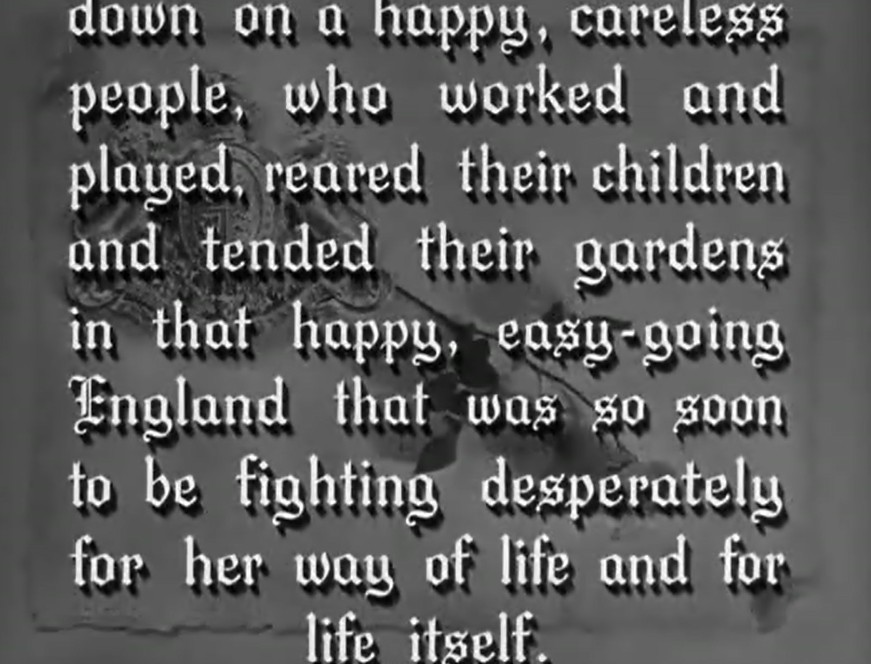
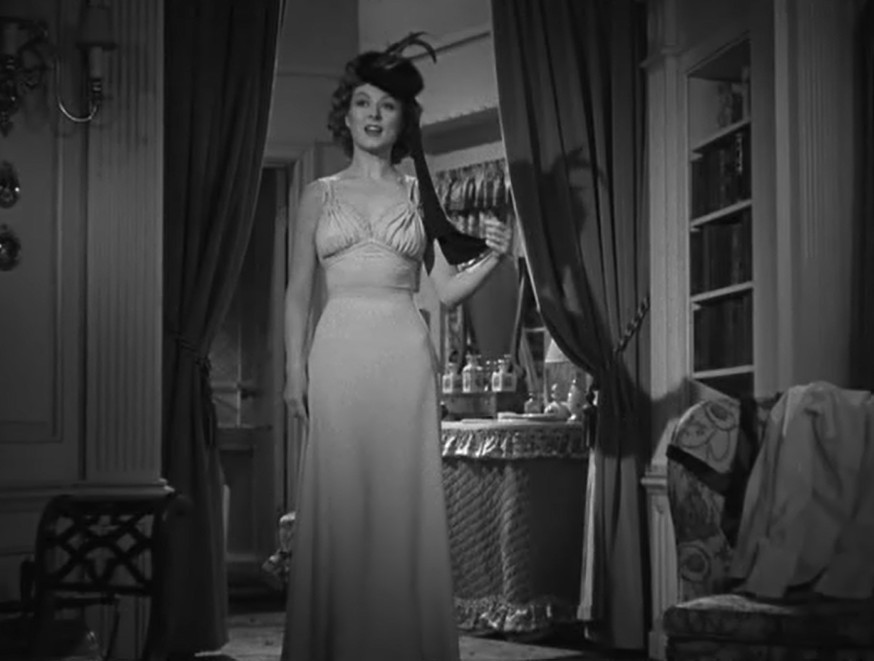
The twee opening crawl then sets up nicely what we’re going to be watching: the life of a very affluent English family whose cosy existence is going to be turned upside by war. Just as California passed for the Welsh countryside in the previous Best Picture winner, here Hollywood sets are used to recreate a fictional London, where Greer Garson goes through her life as an affluent house wife: shopping, housekeeping, raising children and generally being terribly pleasant. Actually Garson is great throughout this film, she centres it brilliantly. Her development and growth throughout the plot fits nicely within the recent trend of female-centred winners such as Gone With The Wind and Rebecca. She constantly gives great close-up here, where her face paints wonderful pictures of fear, stoicism, joy and sadness.
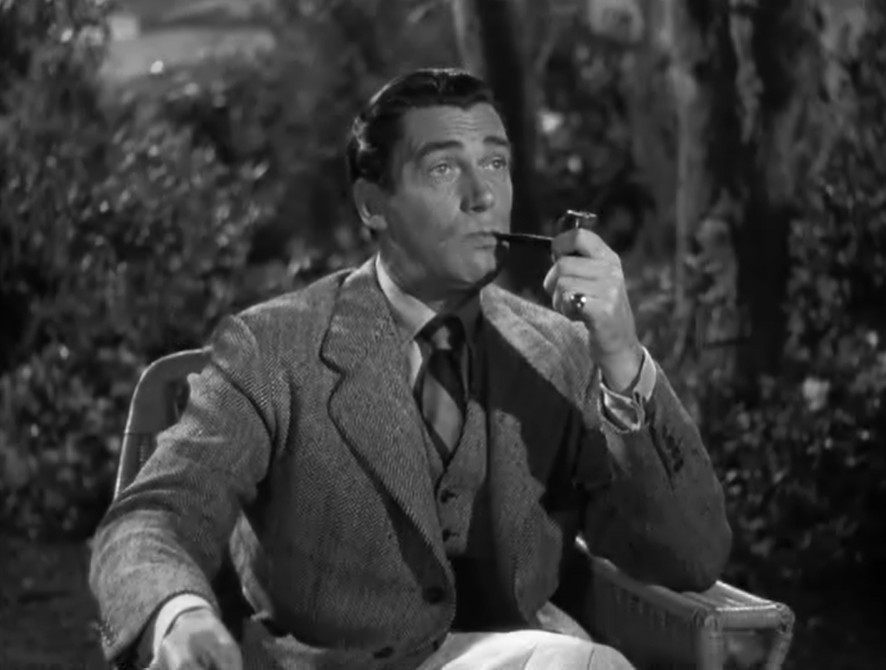
Another link to last year’s winner is Walter Pidgeon as her husband. The early scenes have them both generating a nice, warm chemistry as husband and wife. It doesn’t entirely convince as England, though; despite their accents their children are too textbook Hollywood ‘delightful’ – and the whole set seems more American than the suburbs of London. The house is just too big, the streets too sun-drenched.
Added to that is a very American-friendly take on the people on England. They’re just a little bit too nice and boring. All throughout I missed the wit Hitchcock brought to these background characters. He would have had minor characters bitch, gossip and joke about the others, in a way that felt funny and genuine but didn’t stop them being endearing. Not this endless sea of bland niceness.
Still, I knew from the opening crawl that all this twee (and dull) joy is going to be upset by the coming war. And, after half an hour, war is declared. Which, at first, doesn’t really change anything. Everything stays twee and domestic, though now interspersed with references to war. The nice old lady who vanishes in The Lady Vanishes is here playing a posh old lady who doesn’t want her granddaughter to marry the Miniver’s eldest son in a dramatic storyline that starts off cliched and uninvolving.
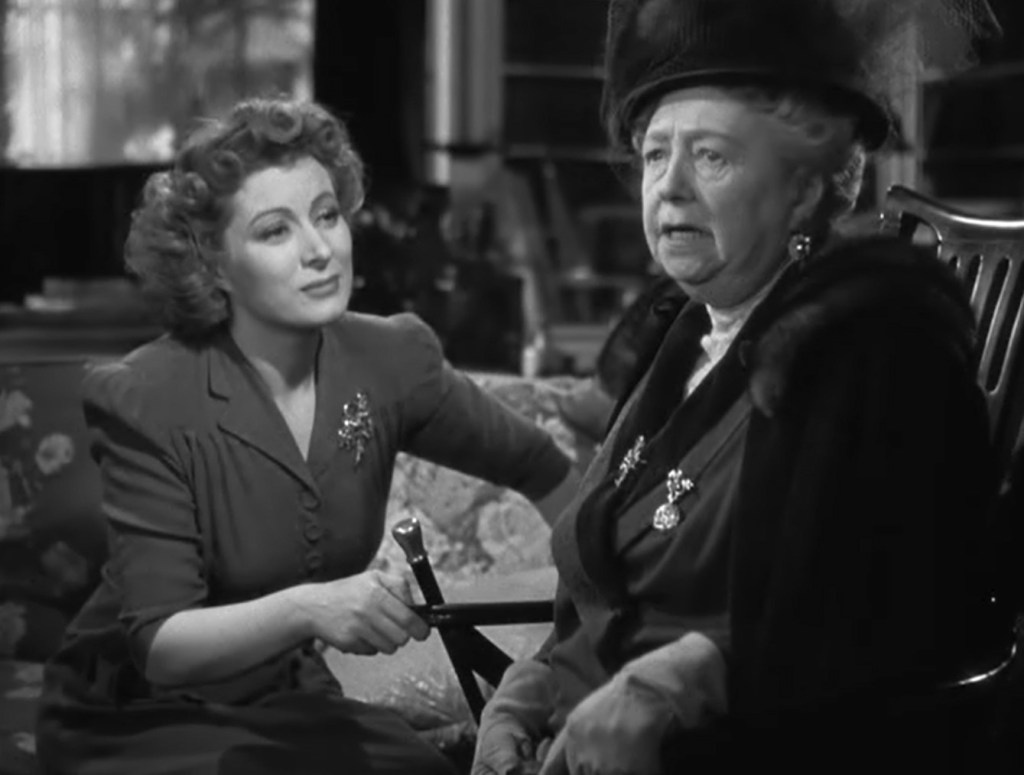
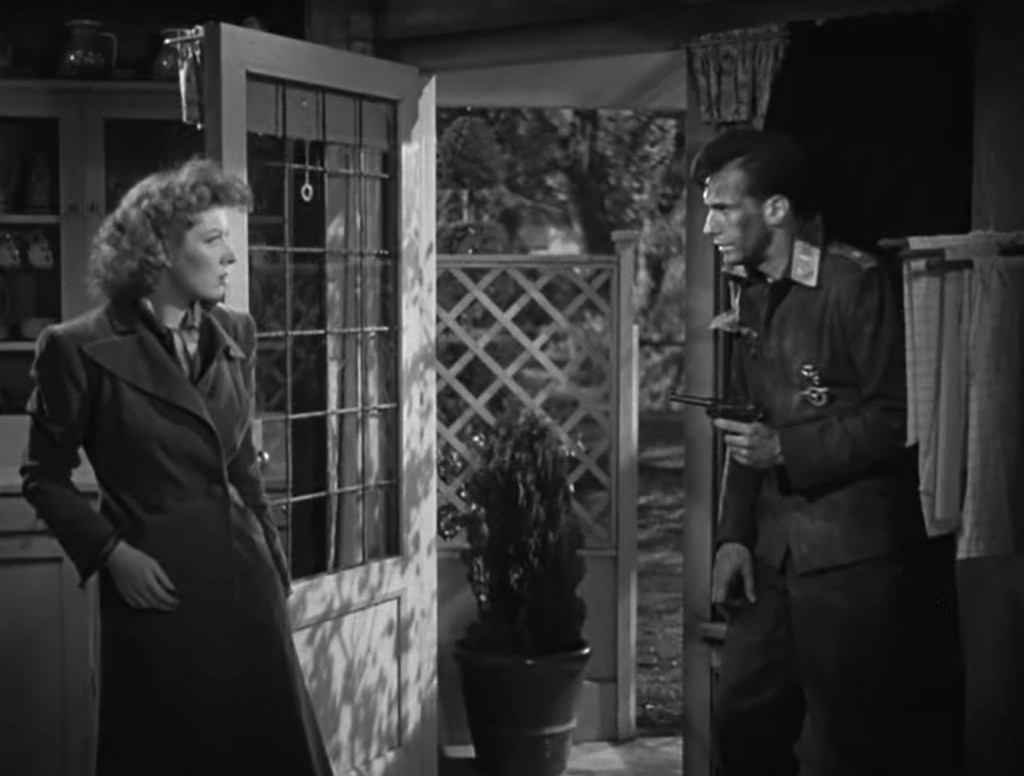
Things get more exciting when there’s a crashed German airman on the loose. More effectively, though, the second half of the film sees a slow ratchetting up of the costs, sacrifices and stresses that the family have to face. The earlier scenes of general niceness are put into a new context: they represent the world that is suffering, a world under direct threat.
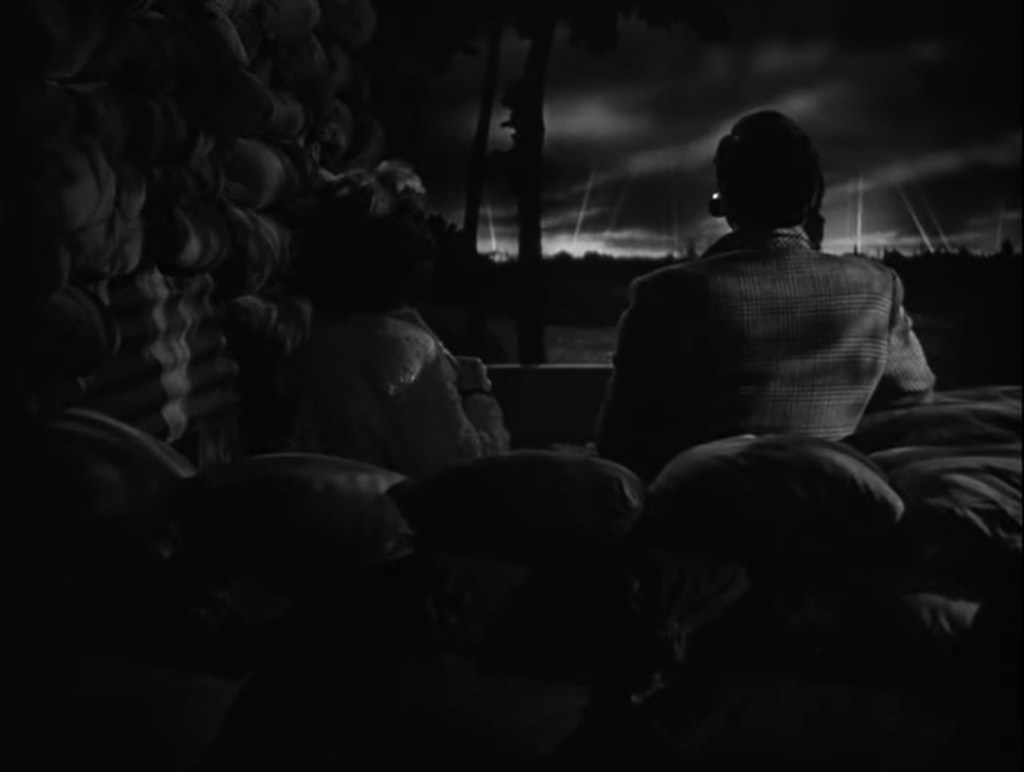
And so the film becomes revealed as a smart piece of propaganda. The narrative starts to weave in more serious elements: storylines meant to be both engaging and educational. The German airman turns up armed, Dunkirk is evacuated, London is bombed, tragedy strikes and all of it is seen through the eyes of a the titular character and her family. The absolute highlight of the film is one where Mr and Mrs Miniver sit in a bomb shelter, as the sound of explosions gets louder and closer, and just try to quietly stay normal about the whole thing. The domestic stoicism on display feels moving and realistic, as the tension and dangers rise. I was really surprised by just how moved I was by the scene’s conclusion.
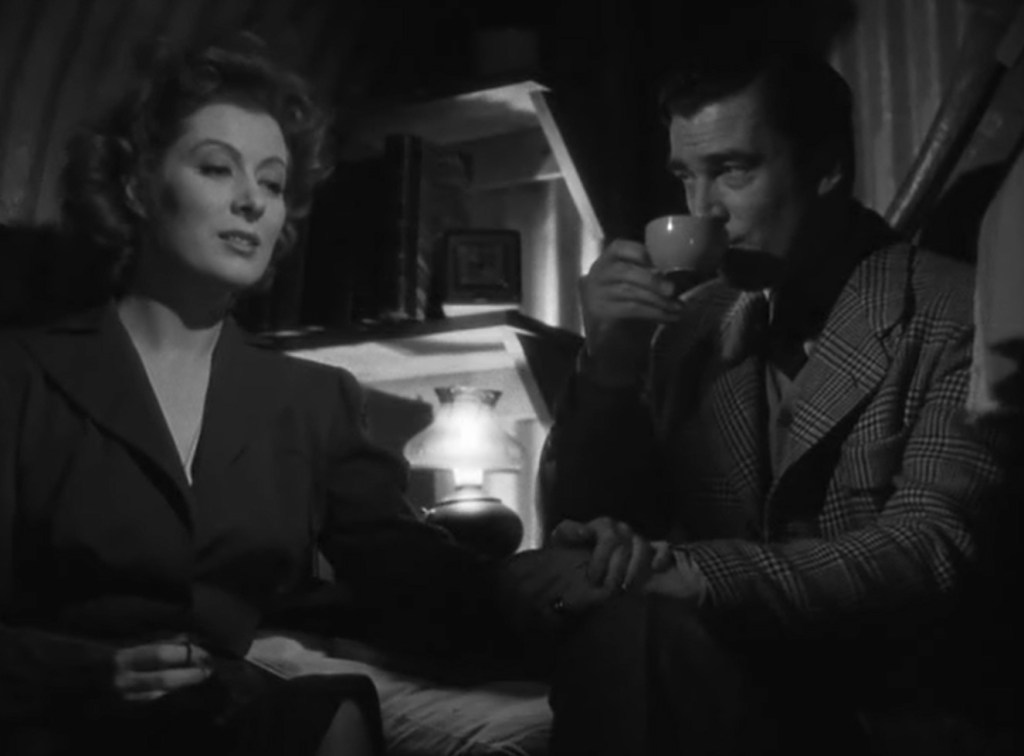
Another high point is very near the end – for all my sneering at the romance subplot earlier, the payoff to it all is beautifully well handled. This film celebrates the brave, struggling individuals doing their best at a time of war – being made at a time when this was something that needed recognition and celebration. When the end credits rolled, I definitely felt I admired this film far more than I enjoyed it. And I did really enjoy it.
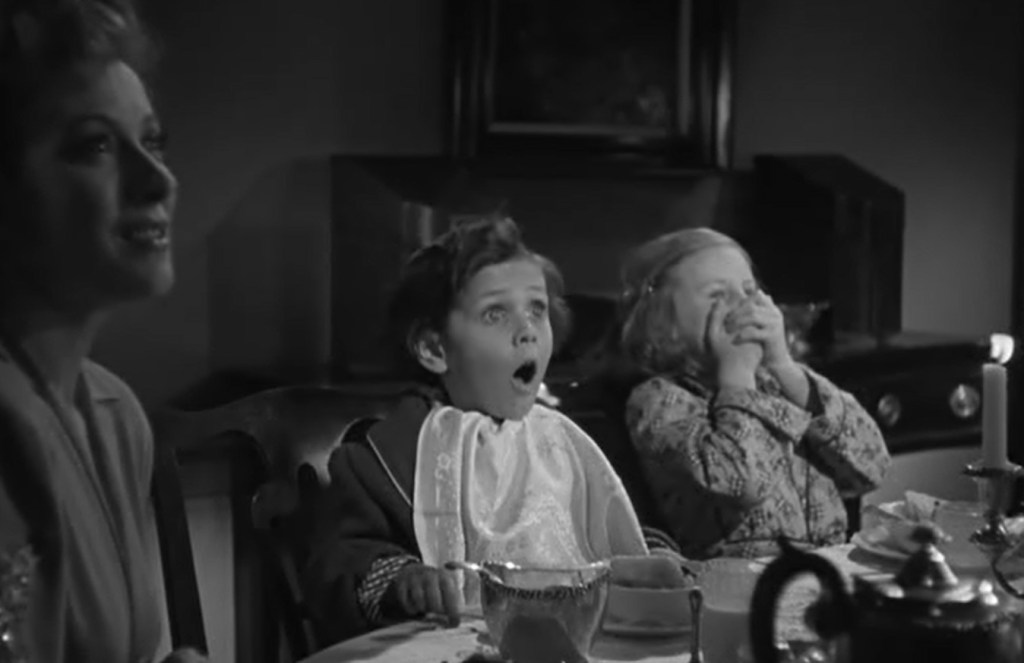
After I’d watched it, I researched into the film, which just made me admire it more. Conceived as a propaganda film when the US was still neutral, it was originally devised as a film that could increase sympathy for the UK without being seen as too anti-German. By the time of its release, however, Pearl Harbor had been attacked and Hollywood stopped being so coy about its presentation of the war.
Both the UK and US governments saw the film as an effective vehicle to inspire Americans to back the war effort, and reshoots and rewrites beefed up the propagandist message. A huge success at the US box office, its worth as a piece of propaganda is undeniable. By the time the Academy came to vote for Best Picture, it must have felt like a film that caught the zeitgeist, while the US government being such a vocal supporter of the film couldn’t have hurt either. Being so much of its time, though, it probably felt dated very quickly, hence its descent into relative obscurity. And apart from a few brilliantly realised scenes, it’s not really a lost classic – more an underseen historical curio that is nonetheless definitely worth a watch.

