I am going to go out on a limb and say that even those viewers who say they like Gaspar Noé’s movies don’t find them easy to sit through. It’s hard to like any of his movies in the conventional feel-good sense. Nobody likes von Trier that way, either. And while von Trier is on the darker side of the emotional cineastic spectrum, Noé can be almost maniacally, forcefully happy by way of a drug-induced high for a short time, but his movies, sooner rather than later, always tip over into loss and despair. Irreversible has that unflinching and seemingly endless rape scene, Enter the Void is about a guy overdosing and then floating above Tokyo, visiting his sister and other people. Love is about a three-way relationship breaking apart, which is almost conventional for Noé. All of them, however, have in common their pretty radical storytelling, floating unsteady camera, flickering primary colors, and their unapologetic leaps into nudity and/or violence.


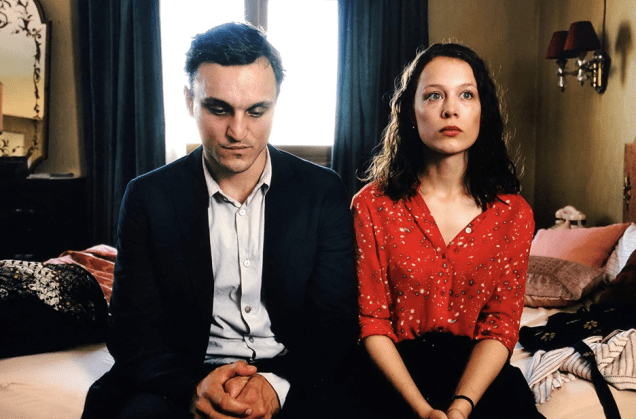
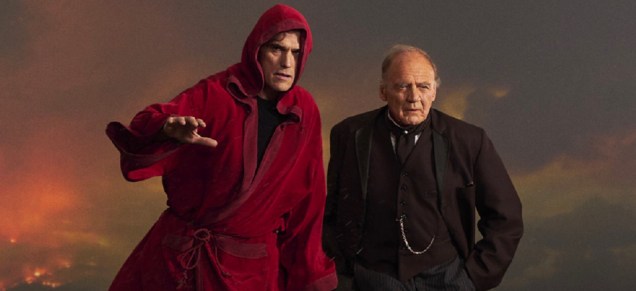 What should I do with a movie like The House That Jack Built? Not only is it a Lars von Trier movie, which can’t be a walk in the park at the best of times, but it seems to be his most controversial feature yet, and that is saying something. There are moments in Melancholia (2011) that are as good as anything I’ve ever seen in a movie. I’ve watched The Element of Crime (1984) more times than I can remember. He’s held parts of the movie-making scene hostage with his Dogma movement, producing some interesting results, only to break his own rules later. On the other hand, von Trier’s movies are, more often than not, unkind or cruel to its women. And The House That Jack Built is about a serial killer whose victims are mostly women. At least in this feature, von Trier’s misanthropy cannot fully obscure his misogyny. I know that it would be a grave mistake to confuse the writer-director’s attitude with the movie’s, but it’s von Trier’s oeuvre that seems to repeatedly mistreat its female characters. I try to give him the benefit of doubt, but there is a point where my doubt shows cracks.
 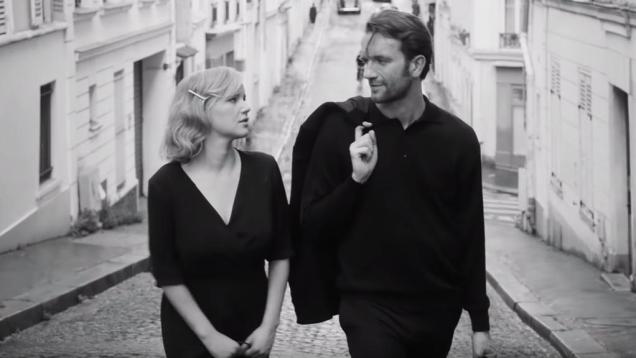 Pawel Pawlikowski’s Cold War is brim-full of music, singing and dancing, but it’s as far from a musical as it is possible to be. If you have seen Pawlikowski’s
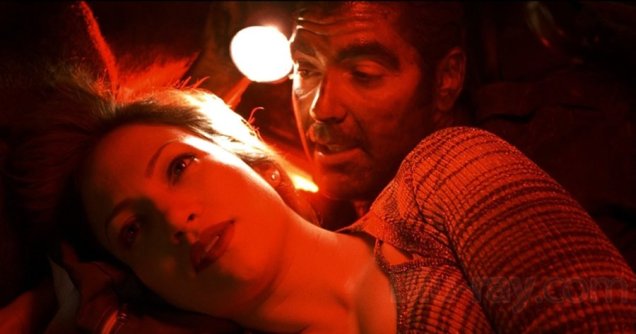
 Remember the 2014 movie
 The maddening thing with most of Michael Moore’s documentaries is that at some point, he hurts his own line of argument, whether it’s an unnecessary digression or a small mistake. Moore’s oeuvre is certainly not there for comfort viewing, but I always feel restless watching something new of his because he seems to veer off at some point into the undergrowth. Remember how he quoted wrongly from the hull of a Lockheed bomber plane in Fahrenheit 9/11? He starts to build up his argument with footage, witness accounts and pictures that seem too good to be true, and then he commits a blunder that makes the movie lose steam – not all of it, but the story he wants to tell gets weaker, and the movie has a hard time recovering from it.
  A Damn Fine Cup of Culture