Welcome to One Best Picture After Another – where I attempt to watch all the winners of the Academy Award for Best Picture, starting at the very beginning. And attempt to answer two simple questions – is the film still actually any good? And why did it win?
10/10
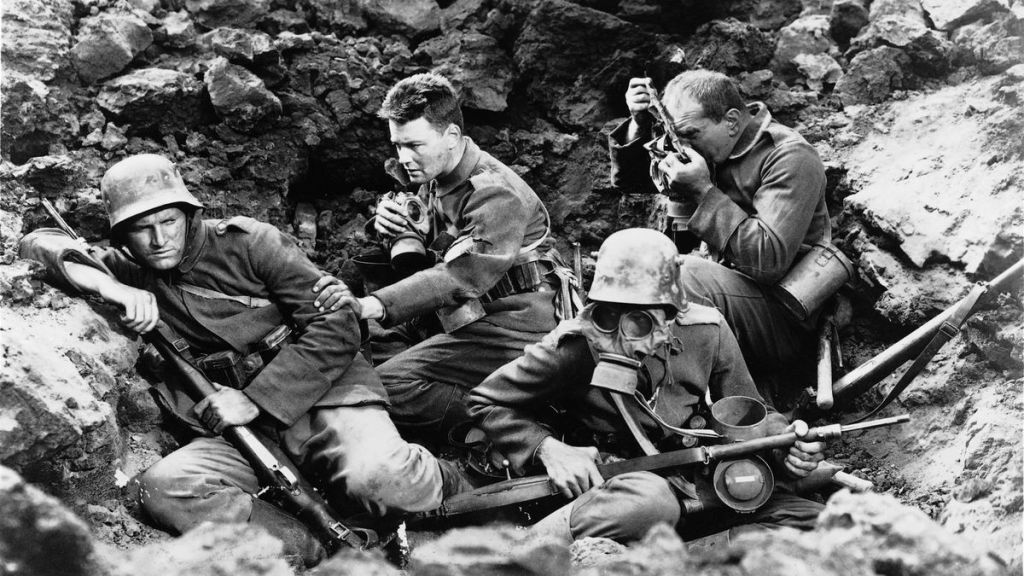
When I was watching All Quiet On The Western Front, I couldn’t shake off the incredible fact that this was made in 1930. It feels so ahead of its time, a brilliant piece of work that casts a shadow on so many films made, not just that year, but for years to come. Mentally I’ve become so accustomed to accepting a certain level of production values when it comes to films made in the first decade of sound, that the fact this film comes along and blows all of that out the water is striking.
Indeed, watching these films in order really makes this point hit home. One year earlier, The Broadway Melody had static cameras capturing mannered theatrical performances. And yet here there are sweeping camera shots surveying the trenches, epic landscapes blown apart and incredibly dynamic shots of men on the march. Even the interior shots seem to be making an effort to not look so obviously like a sound stage, larger rooms where the background seems to open up to wider world.
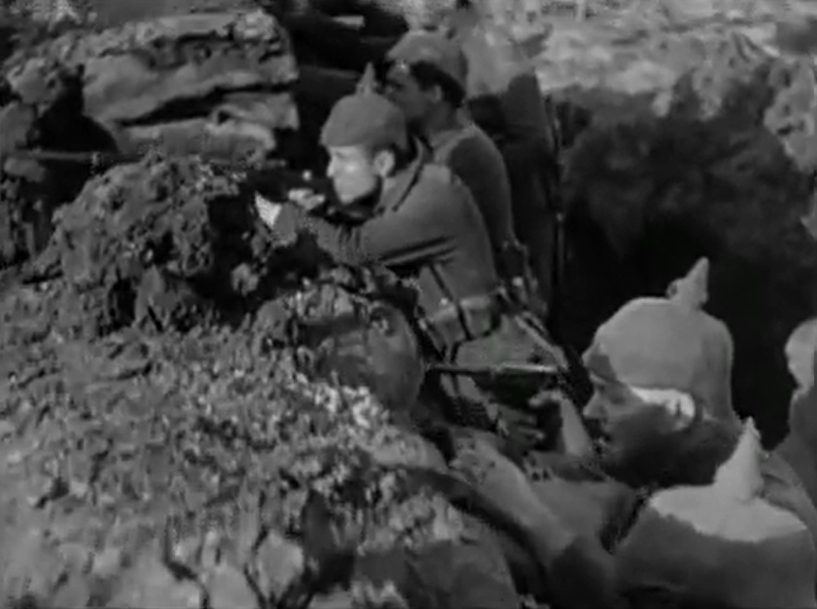
It even sounds more modern. When watching films from this period, you quicky adapt to the peculiarities of early sound – the mannered projection of the theatrical trained performance and the faux sophistication of the transatlantic accent. But there’s none of that here. The lead characters – all playing Germans – speak with recognisable American accents, creating a down-to-earth quality that still feels fresh.
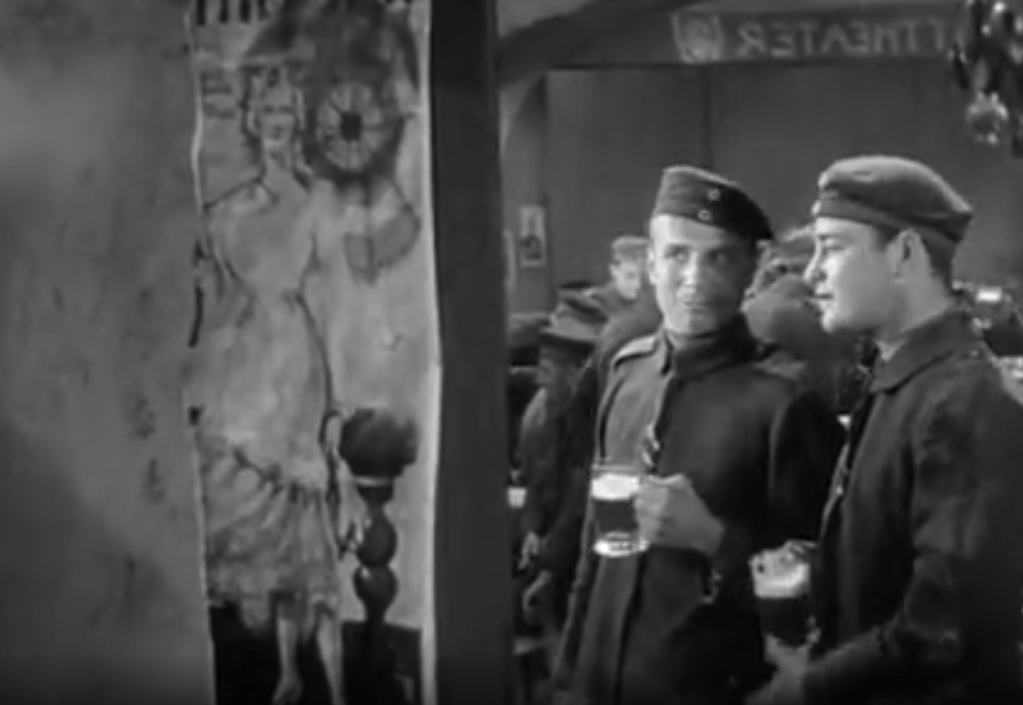
There’s a relatable quality to the way characters talk to each other here, two soldiers amusing each other discussing the pretty lady on a poster or the cynical way veterans scorn the newcomers. Maybe the dialogue isn’t exactly how things would be said now, but the sentiments are easily relatable in 2026.
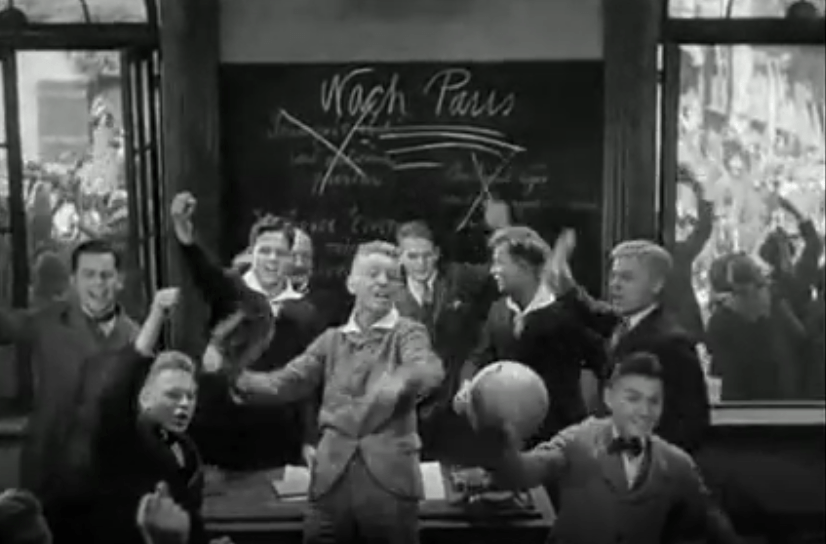
When the dialogue isn’t smartly being used to help us relate to these characters, it’s making points that still feel relevant. An opening monologue where a teacher inspires his class to sign up for the war with a brilliantly argued paeon to nationalism and pride has lost none of its power. You can easily see why Hitler hated this film – it all too cleverly undermines the rhetoric of the warmonger. The script makes us care for these boys, making their deaths feel all the more tragic.
On top of all this verbal brilliance, Lewis Milestone’s direction hasn’t forgotten the need for compelling visual storytelling. This is maybe not surprising as a silent film version of this was shot alongside the talkie version for international markets. I think it is a truth about cinema that even today the biggest of action blockbusters need to be able to convey their story visually to work. The dialogue should convey character, humour and emotion, but it’s the icing on the cake compared to great visual storytelling. From the sequence where we follow a pair of boots changing hands (changing feet?) to reflect the casualties of the ongoing war, to a masterful image of a regretful murderer that reminds me of a painting – Milestone’s achievement here is colossal.
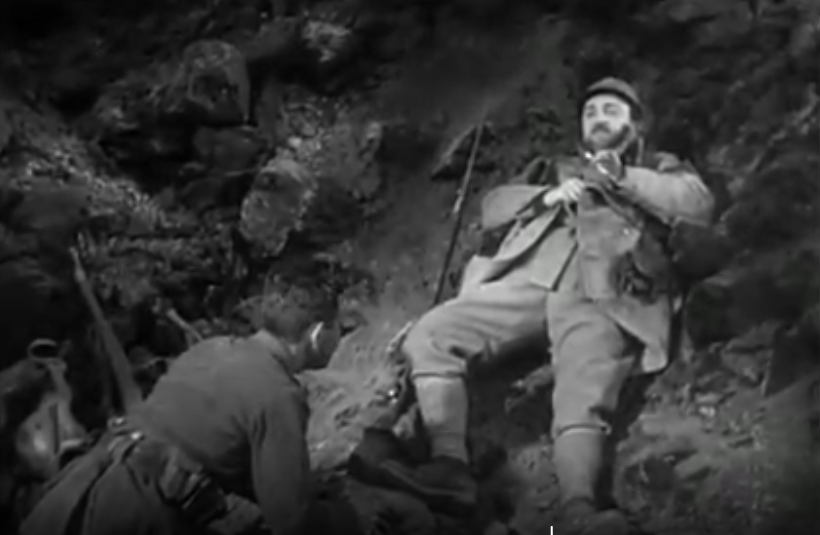
Vast in scale and ambition, smart in its storytelling and sophisticated in its characterisation of its adult characters, All Quiet On The Western Front is an unsurprising and fully deserving winner of the Best Picture award. This is the medium of sound cinema capturing the depth of a great story in a way that could only be done in this emerging medium, greatly enhancing its prestige at the time. And now, ninety six years later, it’s still a relevant and watchable piece of work.


2 thoughts on “One Best Picture After Another #3: All Quiet On The Western Front (1930)”