Welcome to Six Damn Fine Degrees. These instalments will be inspired by the idea of six degrees of separation in the loosest sense. The only rule: it connects – in some way – to the previous instalment. So come join us on our weekly foray into interconnectedness!
Oh boy, do I have opinions on actors and the right age to cast them. One of them being: You can’t fake age. An old actor, no matter how brilliant, can’t believably inhabit the role of a young man, or the other way round. The body doesn’t play along. It’s too stiff, or not stiff enough. The voice is too rough. The mind doesn’t play along. It’s too careful, or too reckless in how it launches the body forward to claim space. The really good actors who try, have a sort of uncanny valley effect on me, an unsettling nimbus of “not quite right”. This is what made Dorian Gray so compelling: he found a magical loophole to fake his own youth.
Age changes you. I mean, that’s a fatuous statement. You know this. But as you age, you hit points where you redefine yourself: who you are, what really matters to you, who you want to be in the world in the time you have left. (The mere fact that you’ve started thinking about the time you have left, and how to ration it out for the things you still want to do, is significant.) And then there’s the things you let go.
In fact, you absolutely need to redefine yourself periodically, or life redefines you by way of a terrific midlife crisis.
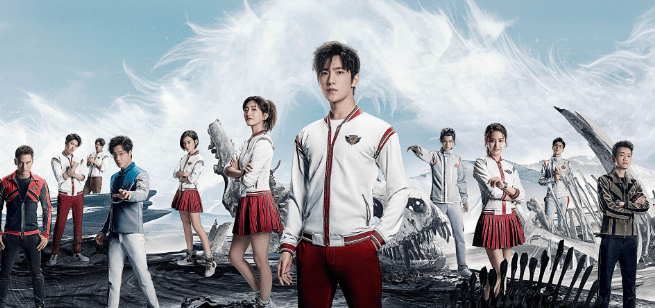
In The King’s Avatar, a man, seemingly at the top of his game, falls, and reaches such a focal point in his life. The King’s Avatar is a Chinese series set in, of all things, the world of e-sports. It is one of the most interesting, warmhearted and entertaining shows I have seen in a long time.

Now, I’m the last person to show an interest in e-sports. I’ve never liked any kind of team sports or virtual games. Also, I have little sense of direction and a bad memory for both faces and names. In e-sports series, there’s usually a large number of players and you have to memorise not only their real-world faces and names but also their on-screen names and avatars. Everyone darts around digital landscapes at top speed and then someone wins and you don’t know why.
This is different.
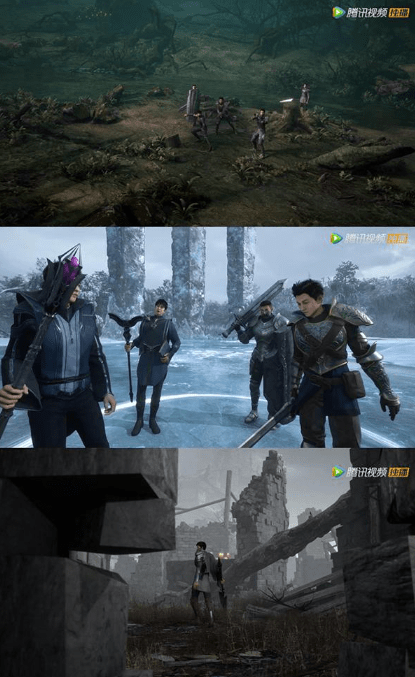
The King’s Avatar is a 2019 Chinese series based on the web novel of the same name by Hu Dielan. By 2017, it had already launched a successful donghua (animated) franchise. But the 2019 live-action series broke records.
The King’s Avatar is about many things. It’s about finding out what you really want to do with this new chapter of your life. It’s about the true meaning of glory: about what it means to win and to lose. And, of course, it is about the time-honoured motif of a pro leading a team of rookies to success.
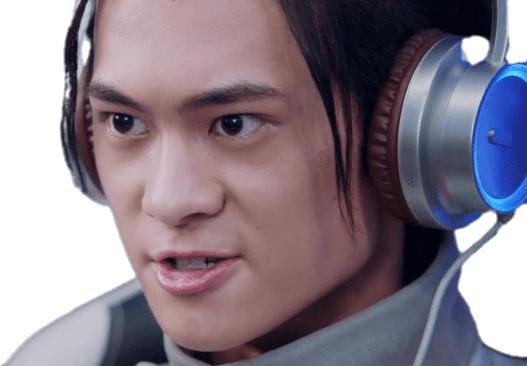
Ye Qiu is a veteran – in fact, the co-founder of the league – of an online multiplayer game called Glory. He’s a true battle god, the team captain of Excellent Era and a big shot. Then, management replaces him with a younger, hotter guy. The world of e-sports has changed, and Ye Qiu’s refusal to take off his mask and take part in marketing campaigns to please the investors costs him his captain’s position. They hope to keep him in some advisory role, but Ye Qiu has his pride.
He’s, what, in his early thirties, so practically ancient. His non-compete clause precludes him from joining other pro teams for a whole year. In professional e-sports, once you’re gone for a year, you’re really gone.
So naturally, what Ye Qiu does is hit up the next online gaming joint and start a noob character from scratch. He calls himself “Lord Grim”. At first, it’s not clear what he’s doing – maybe he’s trying to rekindle the joy that drew him to the game in the first place. But Ye Qiu has a new obsession: he wants to revive a secret mystery weapon that a friend once made and hid in the game, like an Easter egg. And he wants to use it to bring the spirit of joy and adventure back into what he feels has become a commodified game.
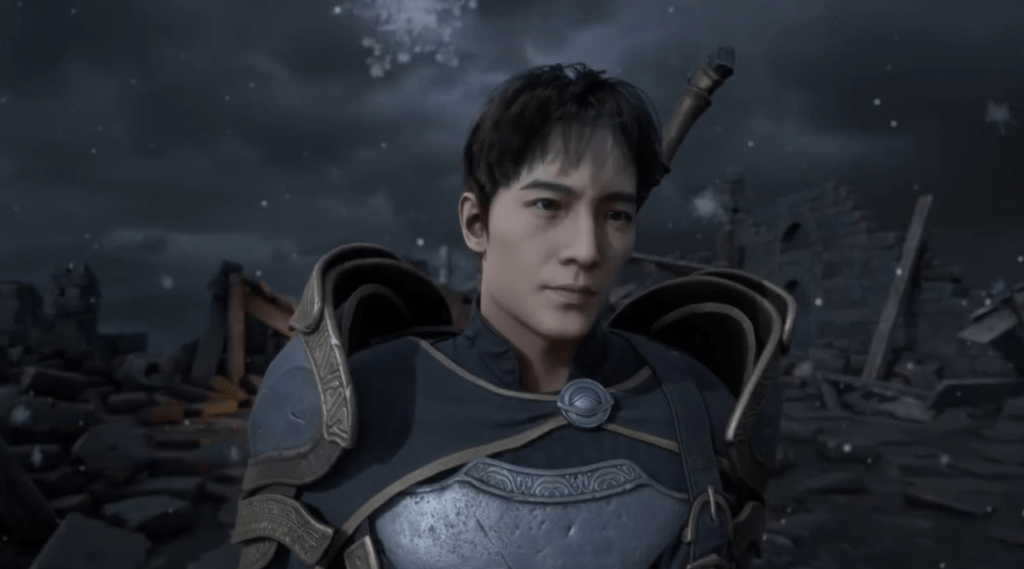
On the way, Ye Qiu finds new and old friends and enemies. He gets a job for the first time in his life and is terrible at it. He starts building a team. This is one of the greatest parts of the series. Ye Qiu is not the kind of team captain you might imagine in a US movie. His teammates all have their individual foibles and strengths, and he knows instinctively that each of them needs a different touch to find their style. He teaches like a slightly impish shi fu in a martial arts movie might: with a light and unpredictable hand. Some he challenges or encourages, some he ignores, some he teases and surprises.
One of the things he used to do in his past life as a hotshot captain was to keep his teammates on a short leash. The team was him, and when he left, it basically fell apart. This time round, he wants to build a thing that can outlast him. A thing that works on its own because all the idiosyncratic parts mesh together. He’s working on his legacy.
He calls it “Team Happy”.
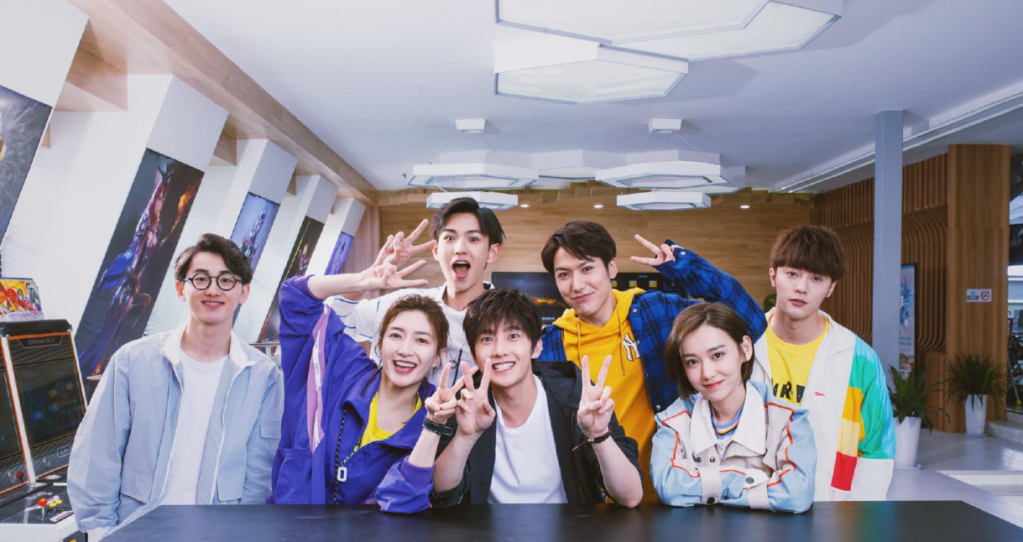
What Ye Qiu actually builds is Team Chaos. Nobody, not even they themselves, seems to know from one moment to the next what ridiculous move any one of them is going to pull. And it seems to work. It becomes clear that on this trajectory, Team Happy will soon face up to Excellent Era and its new captain Sun Xiang, Ye Qiu’s nemesis. Or is he?
Watching this, I learnt a lot of fascinating things about leagues and guilds and teams and how they work. I also learnt a lot about leading and teaching like an old school Daoist. About how to motivate people and how to motivate yourself. That you learn whether you’re a pro or not when you hit your first failure. That you can win a game and still lose, because it was a shitty game. I felt what it means to seek Glory.
The closest thing I’ve watched in terms of heartwarming is Apple TV’s Ted Lasso, a show about the eponymous American coach and his English soccer team. But Ted Lasso is very much a Western thing. It highlights themes of loneliness, interpersonal conflict, connection and salvation. Success is measured by goals scored.
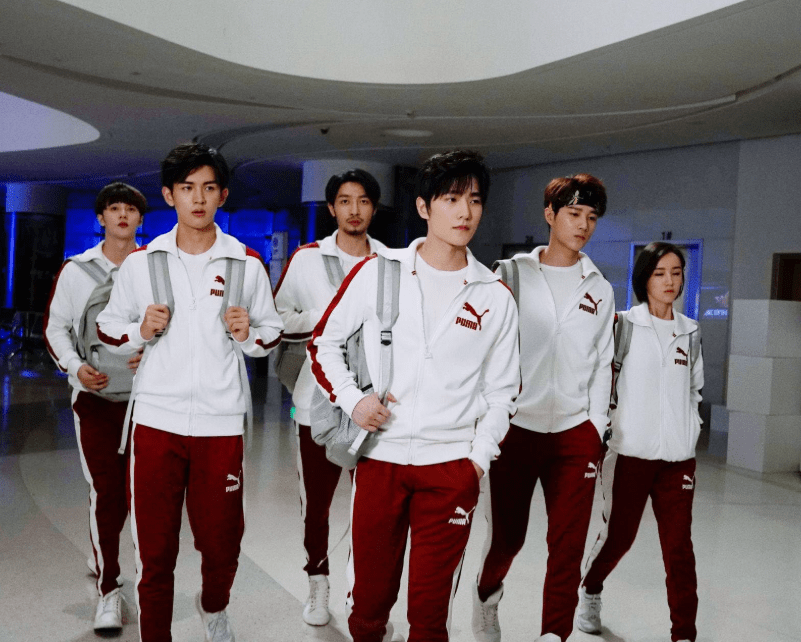
This is very different. It focuses on the team effort, and it finds salvation in the collective creation of something unique and wonderful.
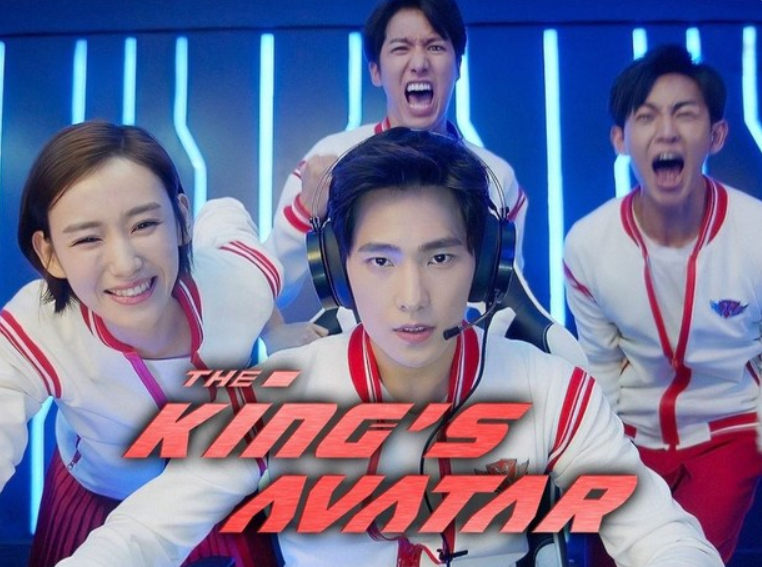
The King’s Avatar was a huge commercial success. In China, it’s widely regarded as one of the landmark e-sports dramas. According to Wikipedia, it attracted more than 3 billion views on Tencent Video. It quickly developed a cult following in the overseas markets and was praised by actual gamers for its grounded e-sports atmosphere, strategic gameplay and team dynamics (so you don’t have to take my word for that!)
You can watch it here.

