Welcome to One Best Picture After Another – where I attempt to watch all the winners of the Academy Award for Best Picture, starting at the very beginning. And attempt to answer two simple questions – is the film still actually any good? And why did it win?
2/10
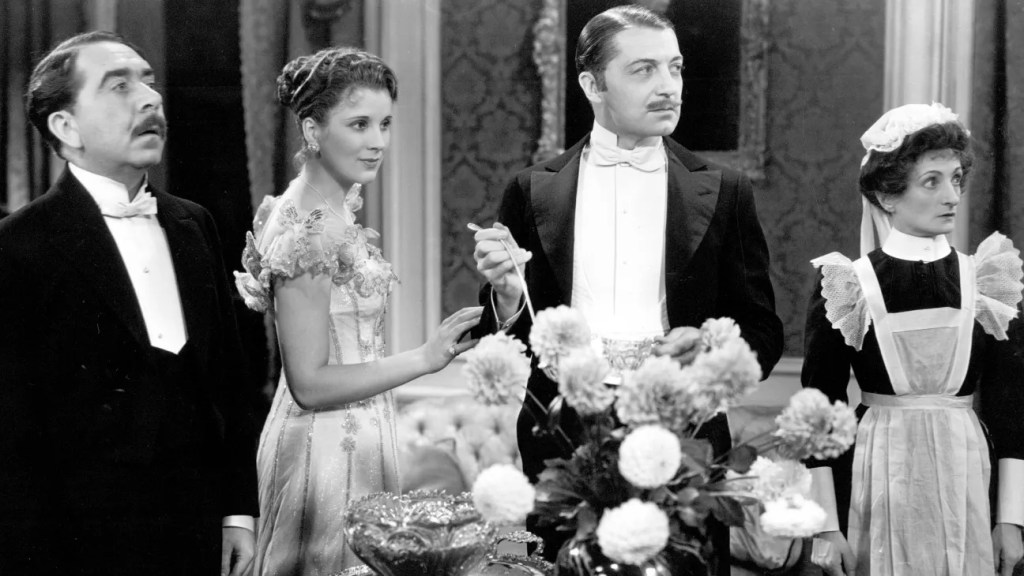
Cavalcade has a lot in common with previous winner Cimmaron. Just like that film, the story here stretches over decades, focusing on a few characters as they change and develop over time. It also references major events over that period, as we watch them impact on the ordinary lives we are following. Both films belong on the list of Oscar winners that have truly been forgotten by the passage of time.
It also shares the quality that it is utterly mystifying to me how such an incredibly awful film won the Best Picture Award.
Don’t get me wrong: this is a better film than Cimarron. There’s no performance quite as (ahem) interesting as the one given by Richard Dix. The direction is often striking, and the script, based on a play by Noël Coward, has a sharpness to it, allowing characters to develop in a way that resembles how humans do. But it still all feels so slight and inconsequential. Its episodic structure prevents any one story ever becoming engaging, meaning that it all ends up just feeling like a meaningless parade of events.
It doesn’t help that this isn’t Noël Coward writing to his comedic strengths – but rather one of his more pompous “serious” efforts, a style of writing of his that hasn’t aged well at all. Worthy and important moments happen, and we’re expected to take them terribly, terribly seriously. Except there are several serious moments here where I couldn’t help but laugh out loud… which rather killed the mood. Honestly, if you’re cackling at what are meant to be serious moments of death, something has gone wrong.
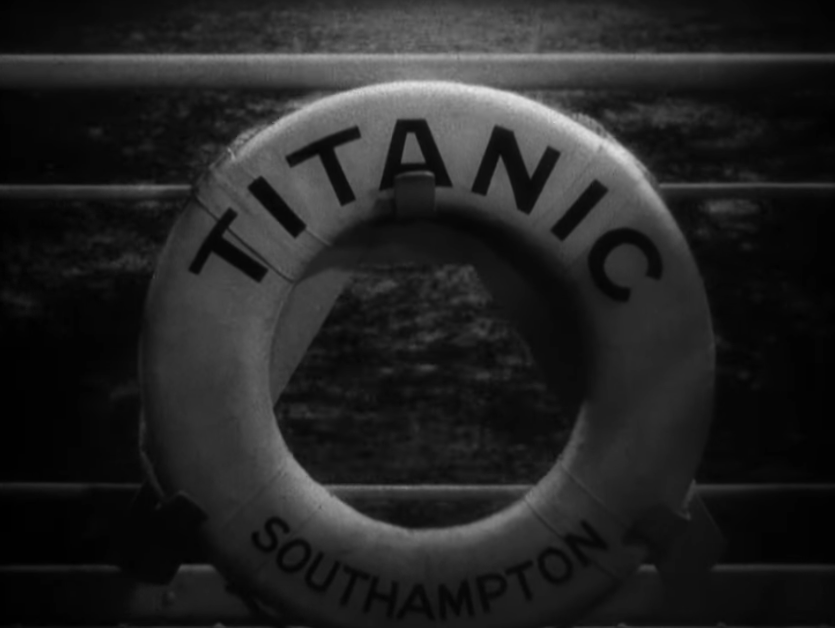
This being Coward, the dialogue is incredibly mannered – with stoic, reserved individuals holding discussions in the kitchens and drawing rooms of England. But the actual human emotions everyone is being so mannered about aren’t really that interesting. Even within the single film, it just seems to repeat itself with young couples having mannered discussions about what an adult relationship between them would mean – before the next big event happens, and we all move on. Likely to another moment of mawkish patriotism or bout of wistful stoicism.
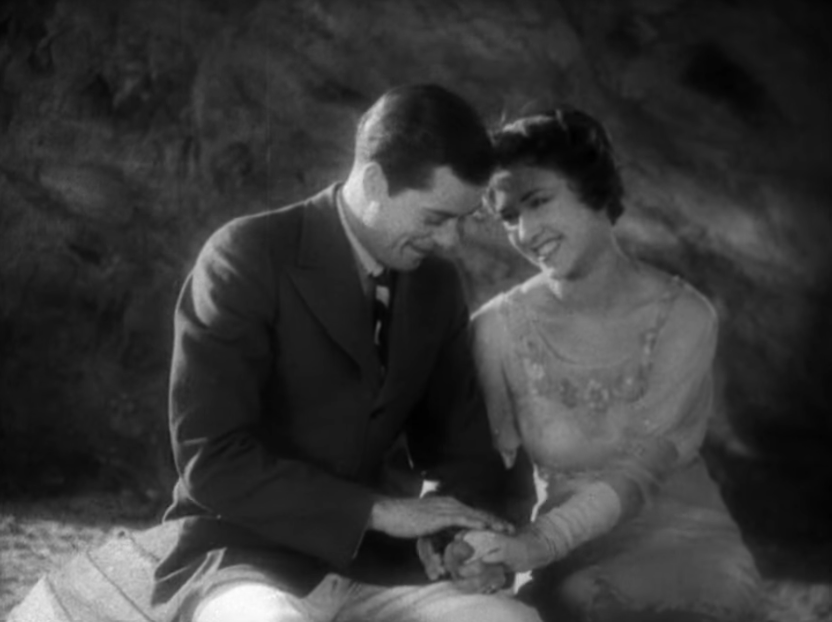
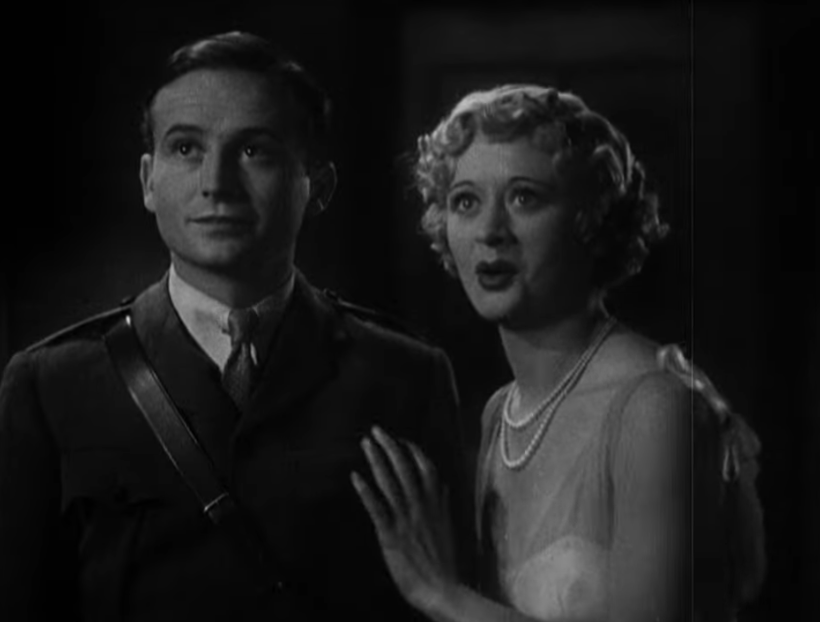
I could see what this film wanted to do – but I just don’t think the writing is good enough. Added to which, it is capped off by a trite final scene and pretentious montage sequence that just feels utterly clunky and hollow, an attempt to sound worthy and wise that feels empty of real content, which sunk the film in my estimation from being a mild diversion to being just a bad one.
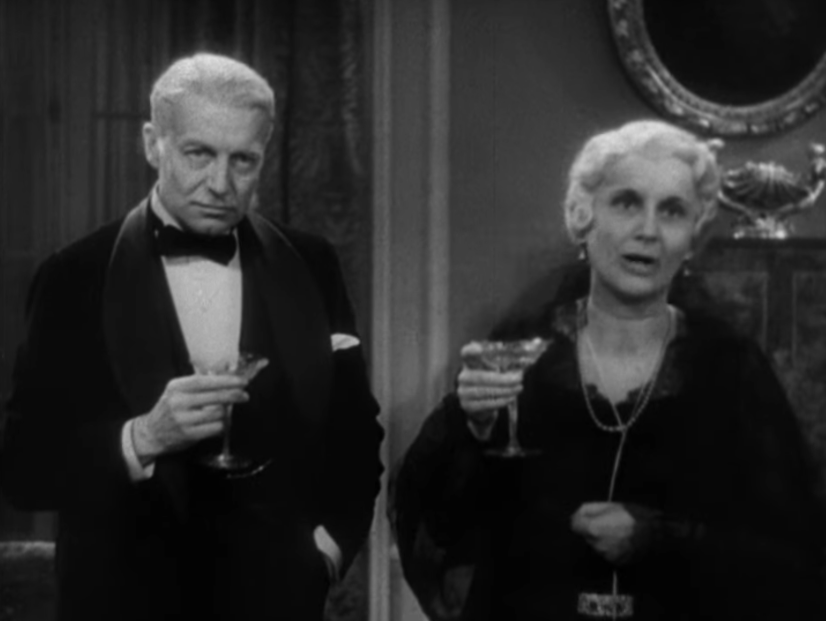
So why did it win that year? I think we’re still in the era where cinema feels in direct competition with the theatre, and as a result it aims for an earnestness that is seen as being more sophisticated – alongside a desire to sound like it too, which is an easy win for mannered, posh English voices. A story that spans decades is also easier to sell as “an event”: a night out to experience an epic drama.
So if Hollywood saw this as the sort of sophisticated grand event it wanted to be making, it might explain why it decided to give it the top prize. But, as we’ll see with the next Best Picture winner, audience tastes seemed to change, and Hollywood was to end up going in a very different direction indeed. The all-American sass of screwball was to render this type of film irrelevant almost immediately, leading it into the obscurity it has sunk into. I’m not especially motivated to try and get it out of there.
 A Damn Fine Cup of Culture