Welcome to One Best Picture After Another – where I attempt to watch all the winners of the Academy Award for Best Picture, starting at the very beginning. And attempt to answer two simple questions – is the film still actually any good? And why did it win?
7/10
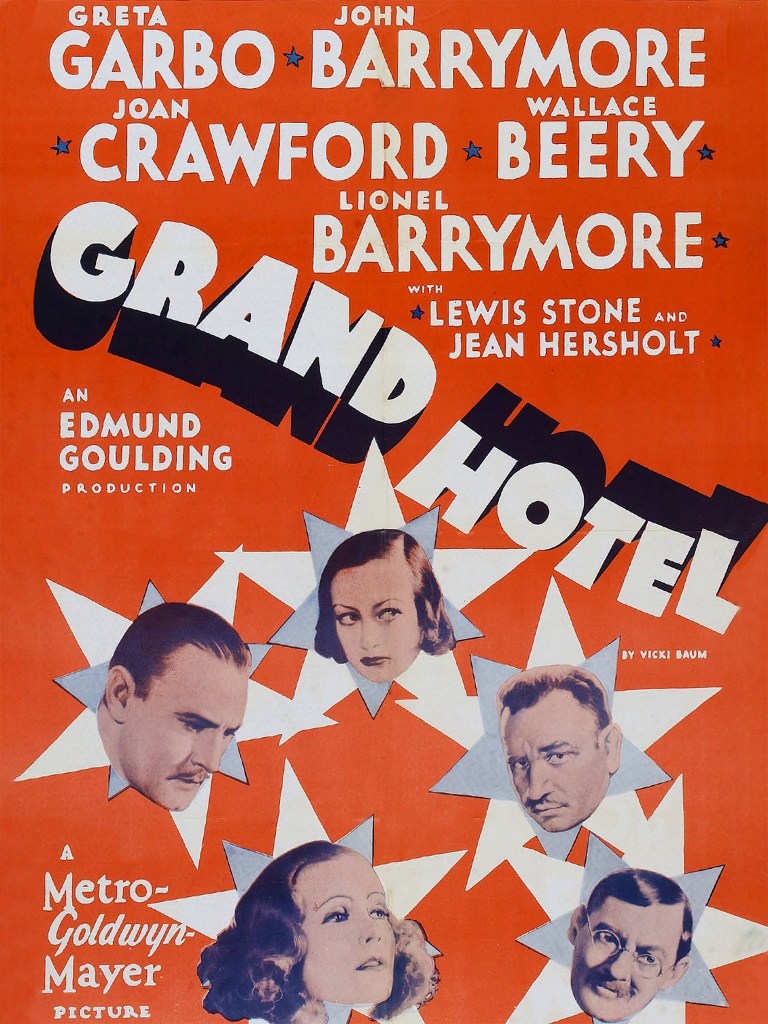
In 1930 a play called Grand Hotel opened on Broadway and was an instant success. Such a triumph led to a film adaptation, packed full of some of the biggest stars of the day, that struck box office gold, critical acclaim and eventually won the Academy Award. None of this was an accident: all of it was masterminded by MGM’s super producer Irving Thalberg.
Thalberg had become intrigued by the cinematic potential in a hit German novel Menschen Im Hotel by Vicki Baum, a story about the lives of a number of guests staying a few days in the titular hotel. Purchasing the rights, he decided to try out the format by paying for it to be adapted for the stage. Satisfied that this adaptation worked, he then paid more for this to be turned into a screenplay. He had already realised that this story, with multiple storylines across the key characters, could serve as a vehicle not for a single star, but a collection of them – all under the studio’s banner. And so 1932’s Grand Hotel was born.
And it’s pretty good, a fine entertaining drama. The key to its success is the star casting: all of them are brought in to bring exactly what they are famous for – what they can do brilliantly on the big screen.
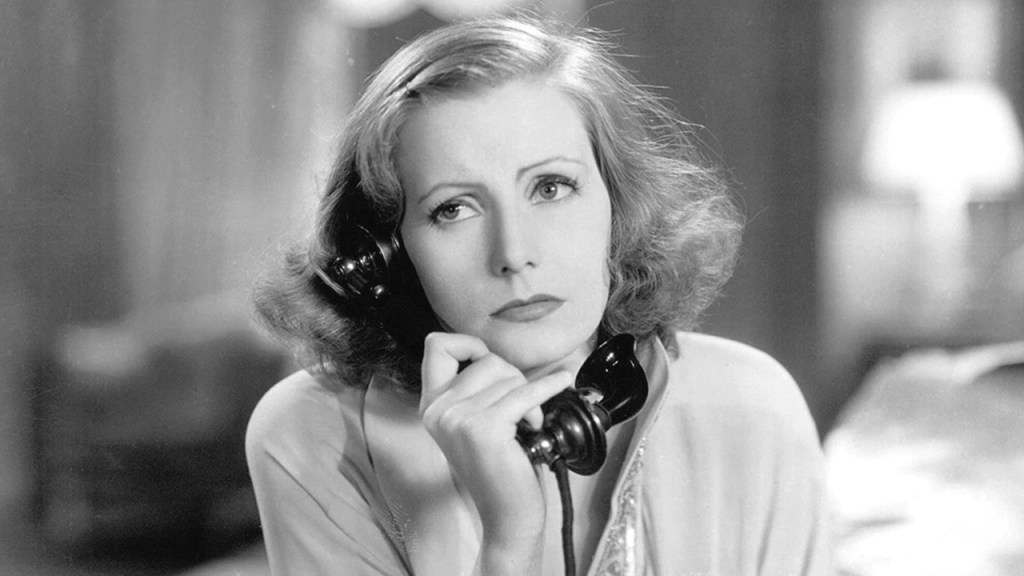
Greta Garbo gets top billing – and delivers an iconic Garbo performance. This is the film where she says, “I want to be alone,” creating a line delivery that still defines her screen persona. It does make it tricky to review the thing, though: saying that Garbo is fabulous as an icy, sad foreigner suffering beautifully as she desperately yearns to be loved is akin to typing out the revelation that water is impressively wet.
Alongside her at the top of the billing is John Barrymore, the suave hotel thief that seeks to melt her cold heart. And again this is John Barrymore at his most John Barrymore-y. He’s the charming, posh rogue with a heart of gold and a wonderful voice. He sails through the film with a casual sense of decency, interacting with the fellow guests and helping to nudge all their storylines along. Again, this feels like the sort of performance he could do in his sleep – and probably was doing in real life while completely drunk -, but that doesn’t really detract from how much fun it is.
His brother Lionel Barrymore gets to ham it up with some wonderful character acting, playing a humble accountant who has learnt he is dying and decides to treat himself to a stay in the Grand Hotel, a place normally beyond his means. Again, it’s not a sophisticated role, but he delivers exactly what the film needs. The interplay with his brother is delightful and when he gets to dress down his arrogant boss, played by Wallace Beery, its fabulous stuff.
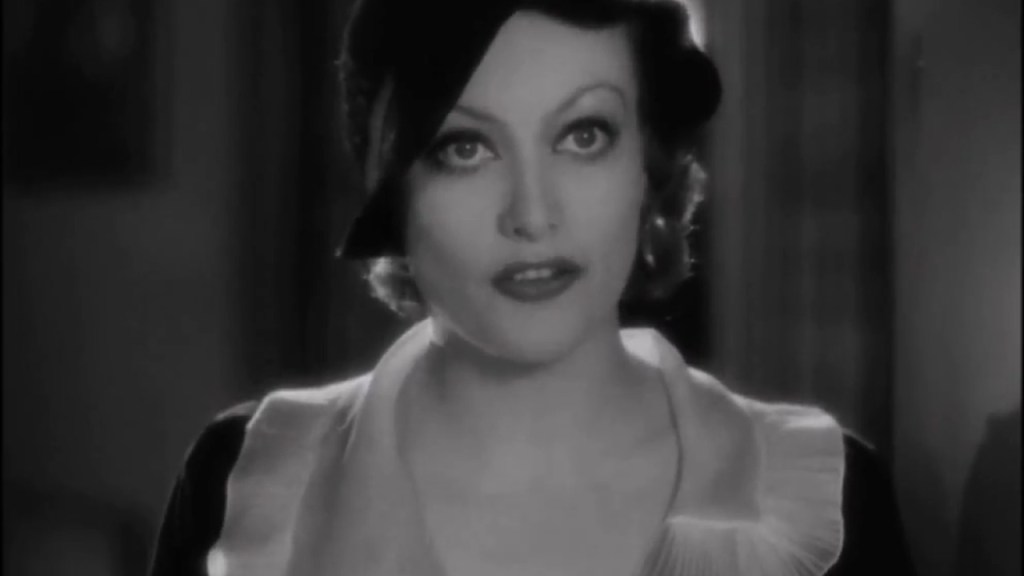
But the best of the lot in my opinion is Joan Crawford. It perfectly encapsulates everything that made her a star. She looks gorgeous, her witty exuberance hiding an inner steel born of desperation. Even with the all-star cast, she steals pretty much every scene she’s in as you can’t help focusing on her: not just with her incredible look, but her engaging character, delivering some great lines. We’re still in the era before the heavy hand of Hollywood censorship – so she gets the most adult storyline here, dealing with the advances of her employer. The only great shame here is that she never gets a scene to act alongside Garbo. I would have loved to have seen their contrasting styles clash on the big screen. Iciness versus Sassiness. Whoever wins, we win.
Despite its theatrical origins, there’s more than enough here to make it feel cinematic. The hotel sets are genuinely impressive – the main lobby is vast, while even short scenes take place in well-designed and perfectly lit rooms. Compared to the static camerawork of The Broadway Melody from just a few years earlier, it’s all dynamic and engaging, whizzing around the fabulous sets or giving all the gorgeous leads the close-ups they deserve.
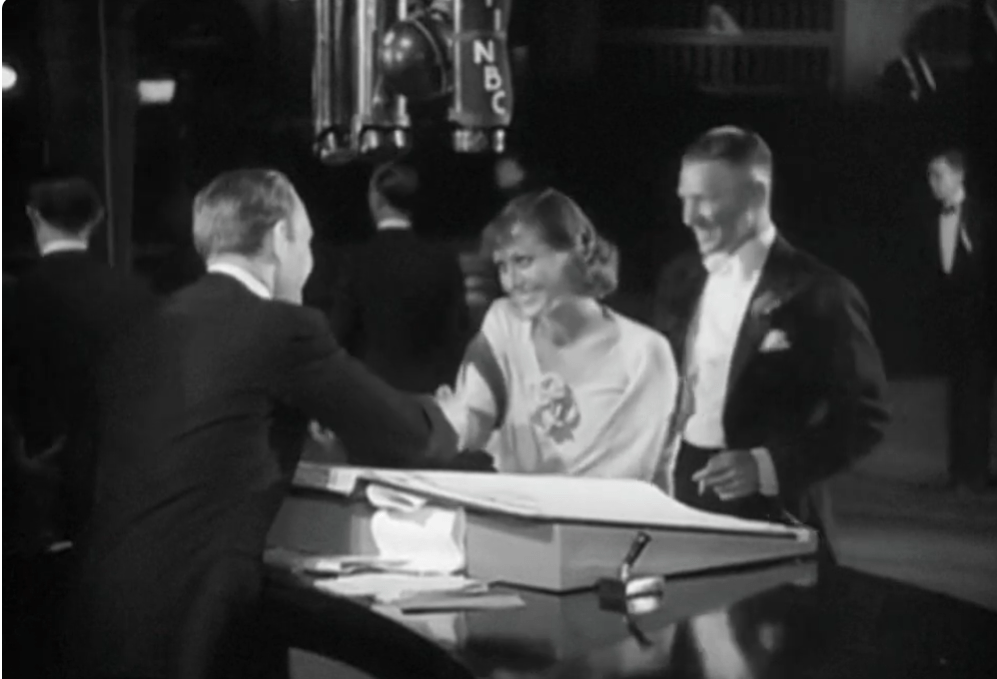
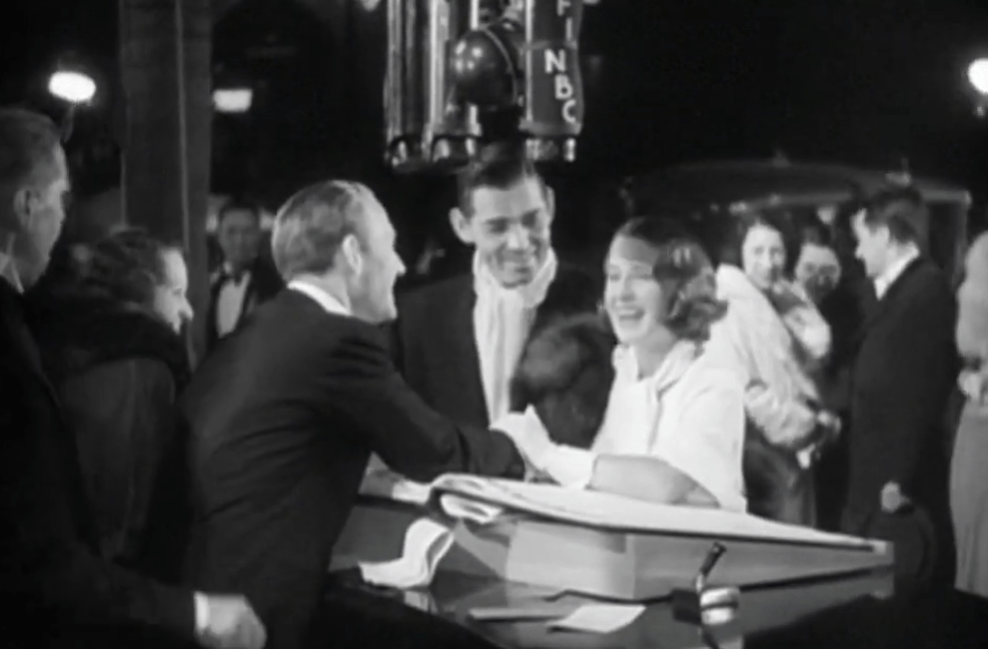
It’s a great film and it’s easy to see why it was a huge success on release. It went on to be influential in Hollywood in several ways: it popularised the studio star vehicle but also broke new ground in its promotion. The Hollywood premiere, as we understand it, was truly born with the launch of this film. All the glitz, glamour, crowds and press attention as the great and the good of Hollywood descended on a Grauman’s Chinese Theatre redecorated exclusively for the film’s first screening. You can even find footage of famous folk arriving and having to “sign in” on a large hotel reception guestbook in the revamped lobby, and it’s worth a look.
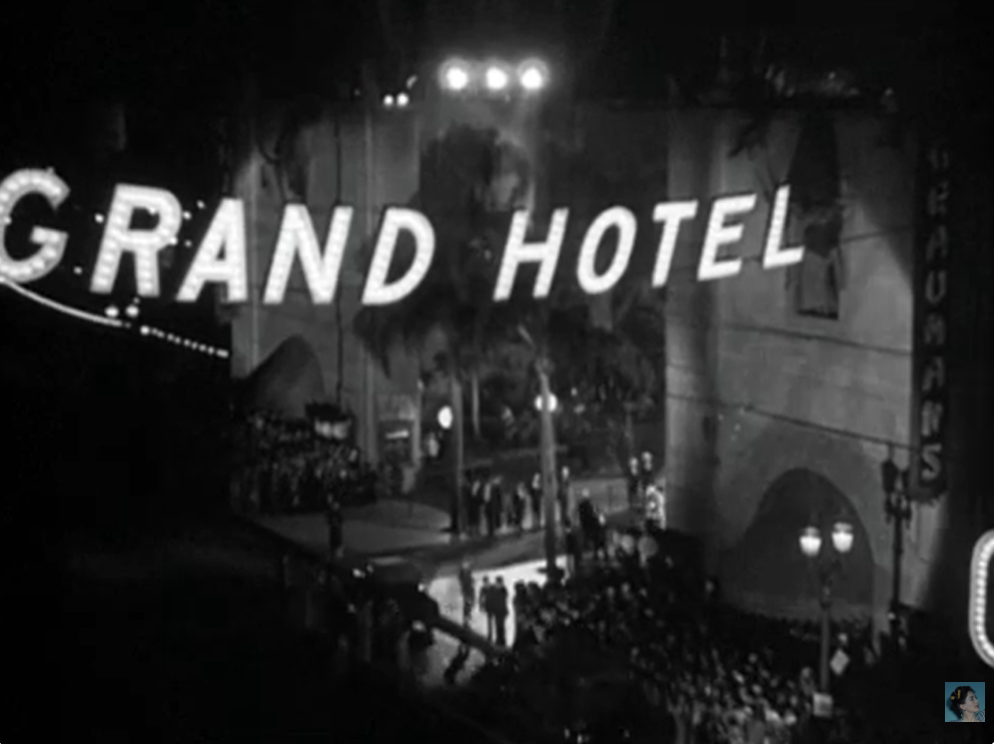
This promotion, and the film itself, all seem testament to producer Thalberg’s talents. Talents that Hollywood clearly wanted to reward in the only way it could: with the Best Picture award. Indeed, it remains unique in Oscar history as the only Best Picture winner that wasn’t nominated in any other categories. Given the look and some of the performances in the film, that oversight does feel remarkable, but it doesn’t really detract from the film winning a Best Picture award that I think it deserved

