Welcome to One Best Picture After Another – where I attempt to watch all the winners of the Academy Award for Best Picture, starting at the very beginning. And attempt to answer two simple questions – is the film still actually any good? And why did it win?
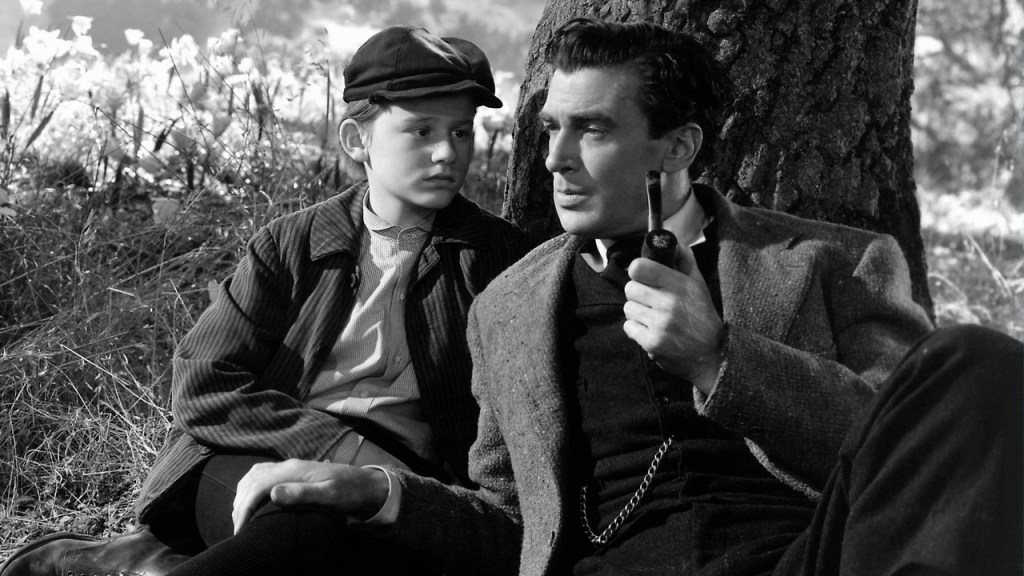
6/10
One thing I am aiming to do with One Best Picture After Another is to try and review these films without dwelling on the other contenders that year, or to make the inevitable comparisons to films that lost that year that are now seen as superior. This seems especially relevant for How Green Was My Valley, a film that probably most gets mentioned these days – if it gets mentioned at all – as the film that beat Citizen Kane to the Best Picture Oscar. How can any film stand up against that perennial critics’ favourite?
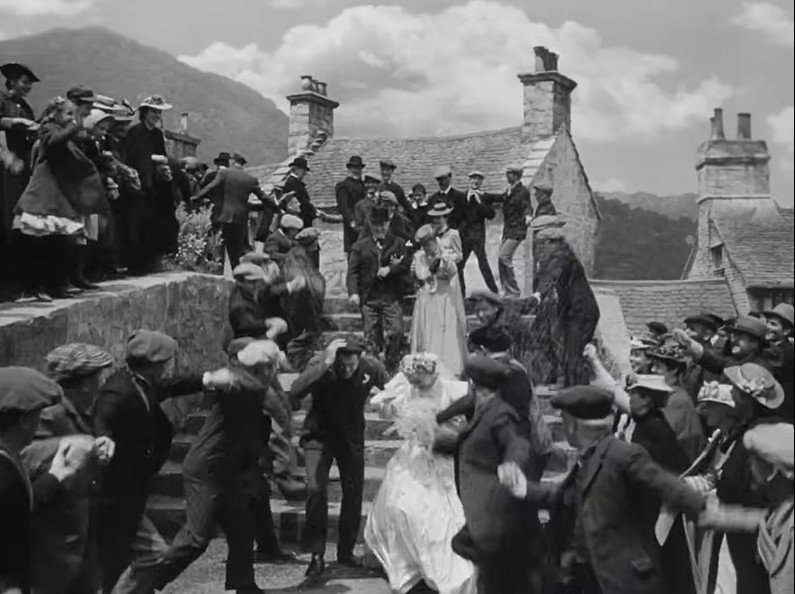
That it tends to be defined by being in another film’s shadow is probably a bit harsh. How Green Was My Valley is still critically well-regarded, and the fact that legendary director John Ford was behind the camera for this one means that it’s never going fade into complete obscurity. Watching it for this blog, I think it is the subject matter that, most likely, has meant it no longer enjoys the spotlight. While other genres like Westerns, Noirs and thrillers seem to present easy angles for modern audiences to get to grips with – a film about the domestic trials and tribulations of a family in a Welsh mining town at the very beginning of the twentieth century now feels utterly niche.
That said, I found it entertaining – up to a point. It’s yet another Best Picture winner with an episodic storytelling structure, but here it’s nicely pitched as a series of remembrances from a time now passed. A narrator opens the film, an adult voice looking back on events from his early life. He’s Huw, the youngest in the film’s main family. This conceit allows the narration to feel like a warm series of reminiscences made by a wistful old man looking back on his childhood.
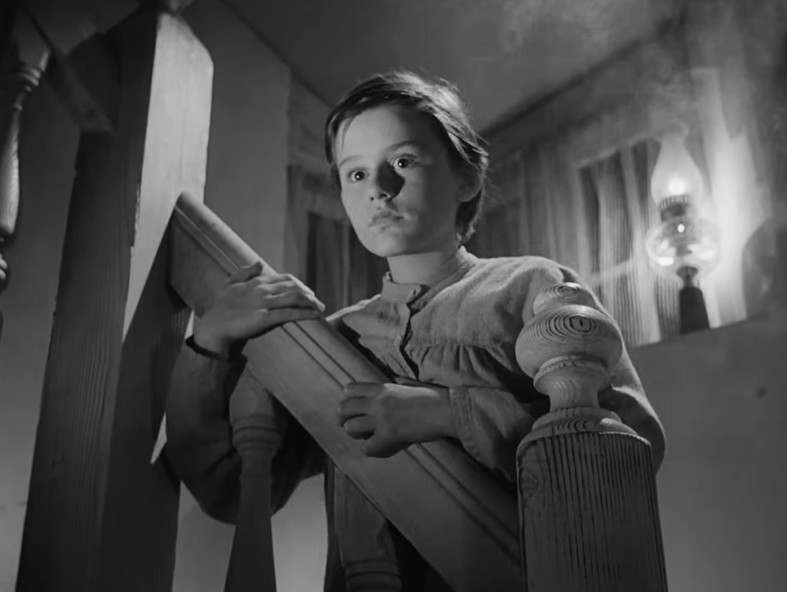
This is a film by Ford at his most sentimental, a celebration of the honest virtues of this working-class mining family. Such sentimental storytelling is a very tricky thing to get right without ending up producing something trite or mawkish – but Ford has a canny knack of getting this spot-on, and it mostly works well here. The drama between the family members is simple, but it never feels simplistic. It’s easy to get involved in their struggles, and interesting because there’s never really an obviously right answer.
I will admit that this sort of earnest sentimentality is not really my cup of tea, and sometimes the music seems lathered on so thick here it took me out of the film. So, for a lot of the time watching it, I felt I was admiring it rather than really liking it. I also struggle to take it seriously as a political film, dealing with any depth on the issues it skirts by. Yes, the mine owners treat their workers badly, and yes, the church elders are a bunch of hypocrites, but the moment they appear on screen, characters like the mine owner’s son or the righteous deacon seem utterly cartoonish. As a statement on these issues, its heart is in the right place – but I don’t think it has much to say beyond the obvious.
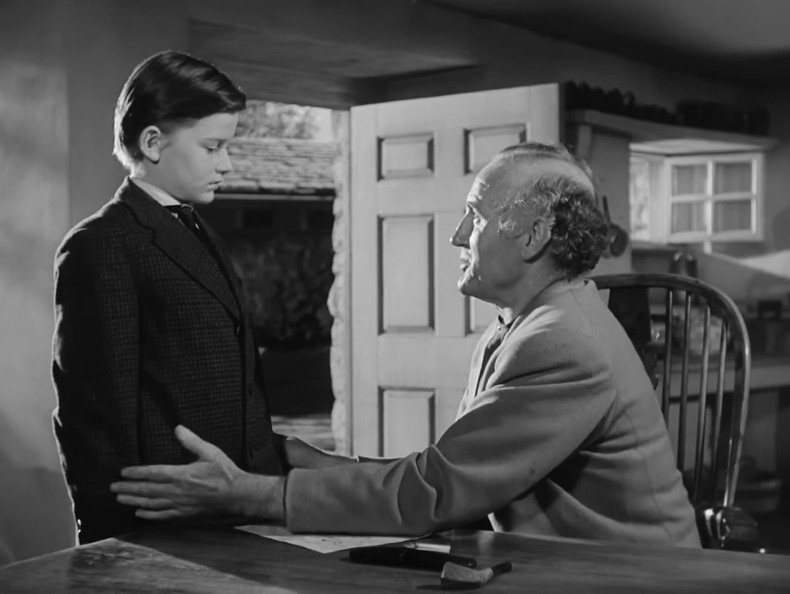
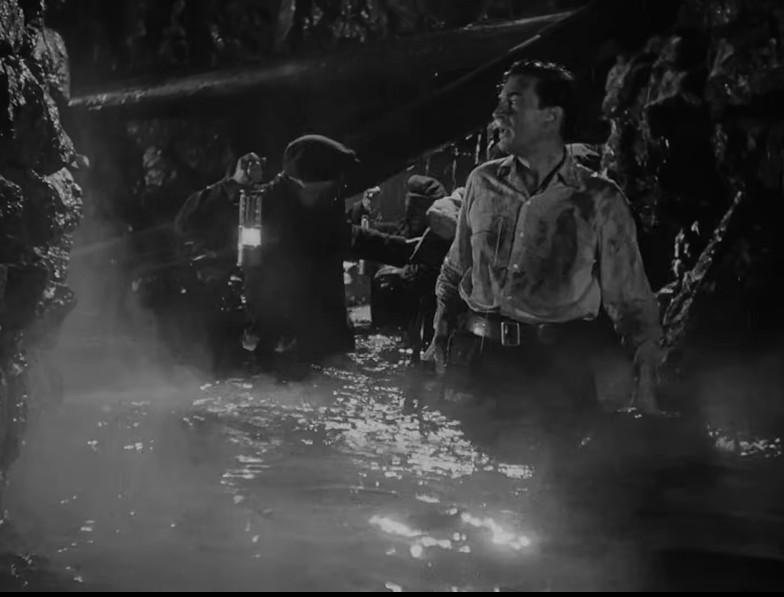
It helps that the film looks exquisite. At first it seems quite odd that a film from 1941 that references the intensity of a colour isn’t actually shot in oversaturated green, but very quickly I was won over by the look. The small Welsh village – that producer Daryl Zanuck had built in the Santa Monica mountains of California – works well at giving the whole story a sense of place. The family home, the mines, the church – even the school in the nearby town – feel authentic. And yet also beautiful, an incredible achievement.
Unfortunately, the authenticity doesn’t quite extend to the accents. There’s some speech going on here that feels recognisably Welsh, but a lot that isn’t. As I’ve watched Americans playing Germans, French and English with American voices, I don’t think this is too bad, and it rarely threw me out of the movie. There is unfortunately one performance that kept being jarring. Irish actress Sara Allgood plays the Welsh matriarch of the family – with an obvious Irish accent throughout. I don’t know why this annoyed me so much: maybe it reminded me of the truly appalling dubbing on the extra scenes in Bedknobs And Broomsticks that I talked about here. I am willing to indulge a lot of accents not being spot on, but I don’t like hints that they weren’t actually bothered.
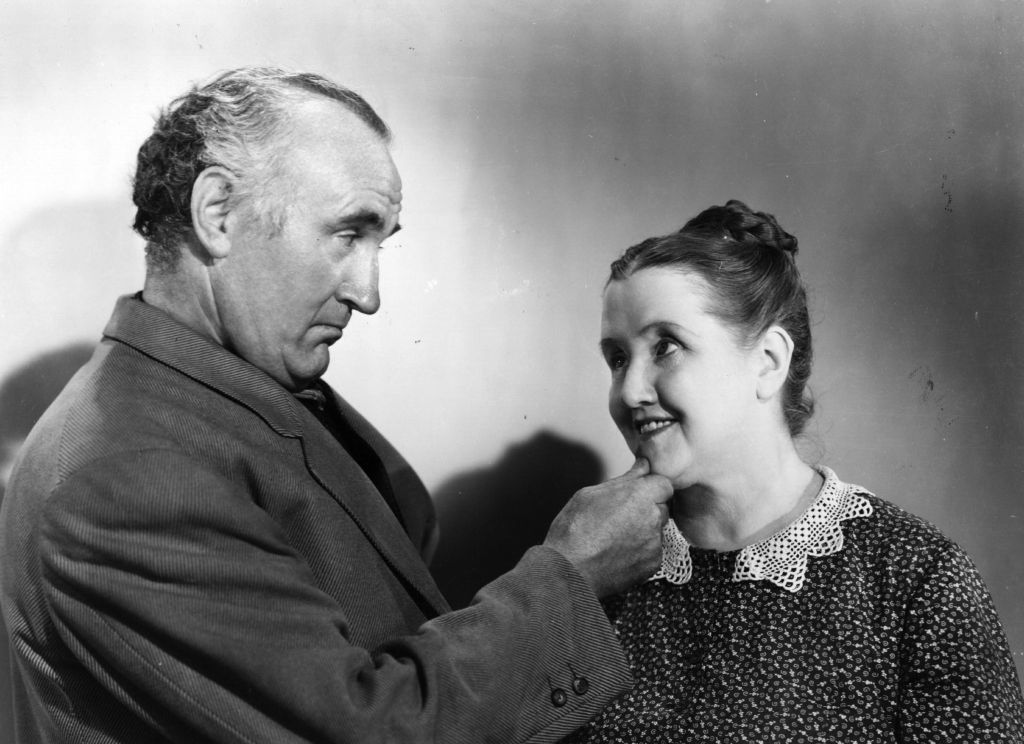
Still, apart from the accent, she puts in a great performance. As does Donald Crisp as her husband and family patriarch Gwilym Morgan. Walter Pidgeon also does solid work as the local vicar Merddyn – and his speech about the hypocrisy of the church near the end nearly makes me recount my earlier comments about the shallow handling of the film’s issues.
It’s especially fun to watch a very young Roddy MacDowell in the lead role as young Huw. He’s great, his accent even occasionally comes close to being Welsh, and he centres the film rather brilliantly. If I had a minor niggle, it would be that he doesn’t really visually change as the film progresses in a way that might reflect a boy becoming a man, which slightly robs the film of a sense of time passing in the life of the lead. It also creates an even more jarring sequence where he (played by a ten-year-old actor but presumably meant to be old enough to win a university scholarship) moves in with his brother’s widow (played by an actress nearly 30). But if you ever plan on curating your own Roddy MacDowell film festival – and let’s be honest, why wouldn’t you want to do a Roddy MacDowell film festival? – this would make a great opener.
A modest box office hit on release, it’s the third Best Picture winner in a row that’s based on a recent hit novel. I also think that, in centring the action on a poor Old World family, the film acquires a very relatable quality for so many Americans at the time. The story features characters leaving poverty to go overseas to find work, and many in the North American audience would have recognised this from their own recent family story. More than that, the story of a family surviving tough economic conditions, with a life centred on getting by and church on Sunday, would have also been relatable to their new life in the States.
I think the Academy would have gone with this as an example of a film that manages to be intelligent, yet also sentimental in a very populist way. Add to this the sheer beauty of how it is shot and a script that is engaging throughout, and its Best Picture win doesn’t seem that surprising. I also go back to the point I made when talking about Wings: the Oscar ends going to the type of film that the industry wanted to be seen to be making. They maybe weren’t quite so comfortable with crime melodrama or indulging the controversial whims of a hot new genius. But a studio picture from one of their most successful super producers, based on a hit novel and focused on family, nostalgia and faith? That’s what they would want the industry to be producing, and so they voted it Best Picture. It isn’t, but it’s still worth a watch.

