Welcome to Six Damn Fine Degrees. These instalments will be inspired by the idea of six degrees of separation in the loosest sense. The only rule: it connects – in some way – to the previous instalment. So come join us on our weekly foray into interconnectedness!
Before the eponymous alien of Ridley Scott’s film was turned from a biomechanical, psychosexual horror into a murderous bug, it was something much more potent. Even if functionally it’s basically not much different from the bogeymen of slasher movies, for which the original Halloween‘s Michael Myers is certainly the platonic ideal, it is also something more. I don’t like to use the term ‘cosmic horror’, mainly because it seems too flabby and loose a definition to be particularly meaningful, but the antagonist of Alien was more than just a monster or a killer in a rubber suit. When Ash, reduced to a head on a table, calls it the “perfect organism” and praises its “structural perfection” and its “purity… unclouded by conscience, remorse, or delusions of morality”, he’s reinforcing what’s already there in H.R. Giger’s design: the alien (I still don’t like calling it a xenomorph, the kind of term beloved of people who prefer leaden lorecraft over imagination) is, well, alien. Even when you know it’s a guy in a rubber suit, it doesn’t feel like it. That head, the extendable jaw, the acidic blood, and its uncanny ability to blend into the shadows so that every piece of industrial engineering aboard the Nostromo seems like it’s alive and out to get you: the alien is a living, walking nightmare.
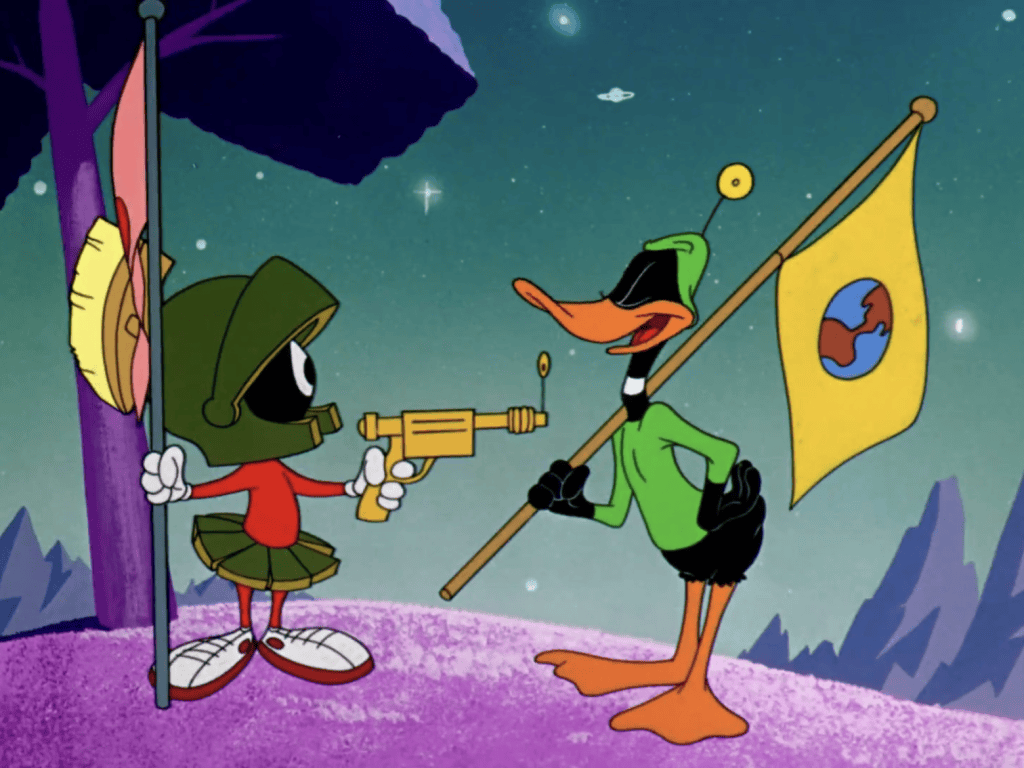
But while this is true, functionally the alien isn’t particularly, well, alien. It can be understood. It functions, on a naturalistic level, like a predator (no, not that kind of Predator! that’s a diffferent movie!), and on a structural level, like the aforementioned bad guy from a slasher movie. Truly alien aliens are exceedingly rare in so much storytelling, especially visual storytelling.
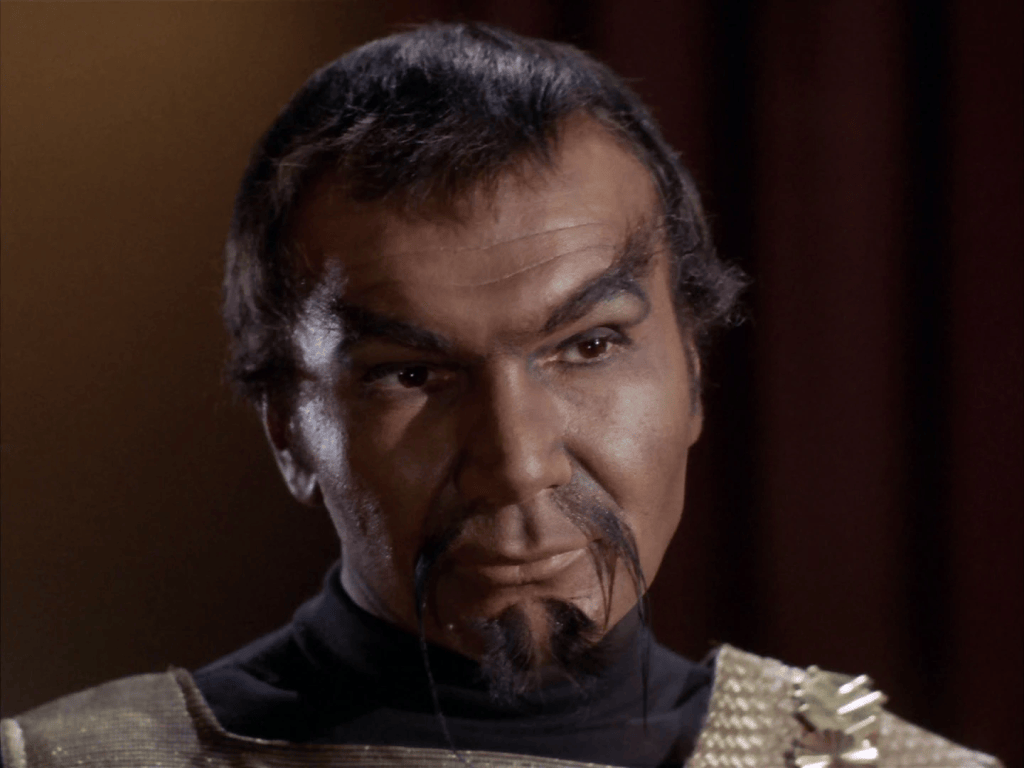
While I’m sure that he wasn’t my first alien, the earliest extraterrestrial being I remember seeing in a film was the extraterrestrial: Steven Spielberg’s E.T. I was seven when that film came out, and I loved it with an intensity I’d not experienced before. While I wouldn’t have put it like that at the time, in hindsight E.T. had no small part in making me a cinephile. Even as a kid I could sense how Spielberg’s filmmaking craft weaponised empathy to make this creature so effective. (Ironically, the same man was responsible for the creature effects for cute, wrinkly space friend E.T. and for that nightmare from outer space from Alien: Carlo Rambaldi, who won the Academy Award for Best Visual Effects for both films.) Alien, though? Sure, E.T. was somewhat visually strange at first, in particular in that masterful sequence the film starts on, but that strangeness soon gave way to something much more cosy. For all the wonder that Spielberg squeezed out of that wizened, leathery gnome of a Jesus stand-in, E.T. was cuddly, something between a pet and a friend. And we could understand him, his love for Elliott and his family, and his homesickness. Really, this alien was very far from alien.
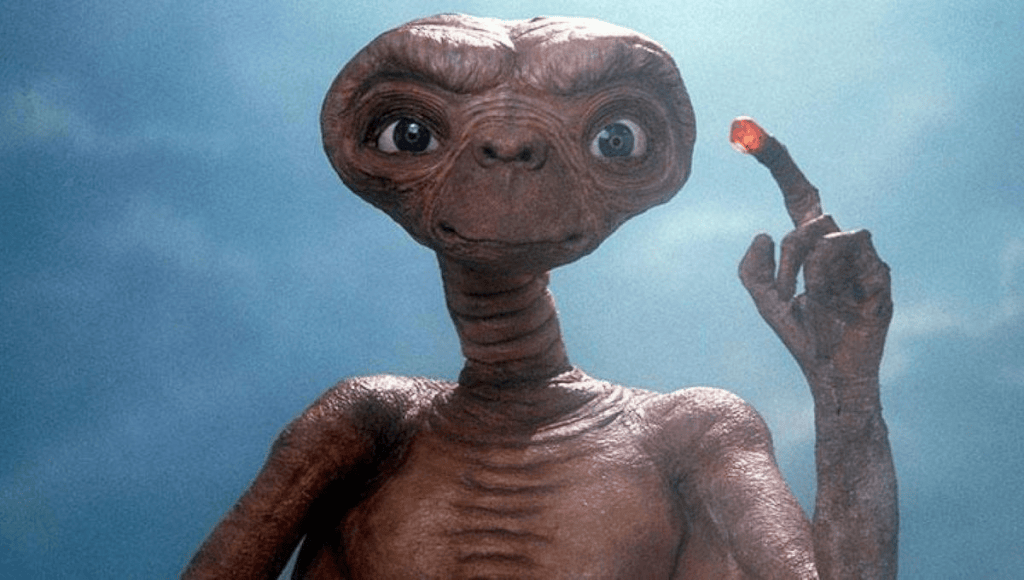
This was even more true for the alien races of Star Trek, and later The Next Generation. Apart from the occasional novelty space race, Star Trek‘s aliens were of the decidedly humanoid kind. They looked like human beings, just with some extra bumps on their noses and foreheads. (Which is already a step up from the original series, which didn’t even have the extensive forehead bumps and nose ridges.) Trek‘s easily made fun of for its supposedly lazy aliens with their made-for-TV make-up, and sure, the Star Trek universe often feels less infinite than very domestic and earthly – but then, Star Trek has always been about humanity, and what we encounter out there in space is ourselves. In that respect, it only makes sense that its aliens aren’t particularly alien. They’re humans, often reduced to one main trait (they’re warriors, or logicians, or ultra-capitalists), with some bits of latex stuck to their faces. The exceptions – say, the fluffballs procreating exponentially, or the sentient gas clouds – only proved the rule.
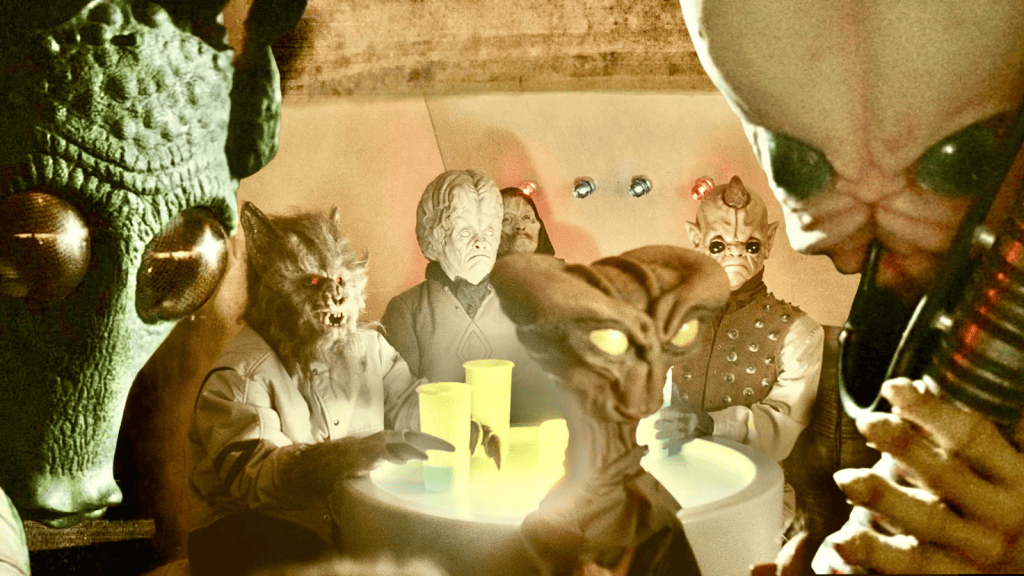
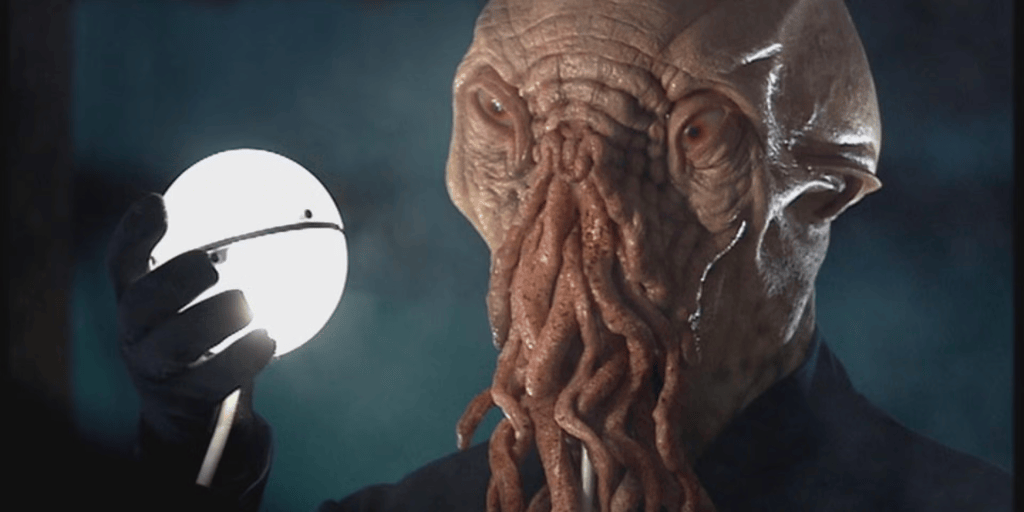
Star Wars succeeds a bit more in this respect, as even its humanoid(ish) extraterrestrials tend to look suitably alien, which the first film’s cantina scene is a good example of. Sure, the green-skinned Rodian Greedo (R.I.P.), Aqualish Ponda Baba (the one who loses his arm to Obi-Wan Kenobi’s lightsaber) and the Bith cantina band, the Modal Nodes, all have one head, two arms, two legs. They’re all obviously humans in rubber suits – but visually, they are all a step up from the rather pedestrian aliens of Star Trek. Meanwhile, Doctor Who has fun with its alien races on a relatively low budget, but it took me a few seasons before I could see the likes of the Daleks and the Cybermen as anything more than laughably silly and twee. There’s a charm to their cheap production values and the inventiveness with which the makers handled this – which is one of the reasons why the bigger budget wasn’t necessarily a boon to the series: Doctor Who may just work better if it looks and feels like it’s made on a shoestring budget, even if the occasional episode pulls it off and makes the snazzier CGI work in its favour.
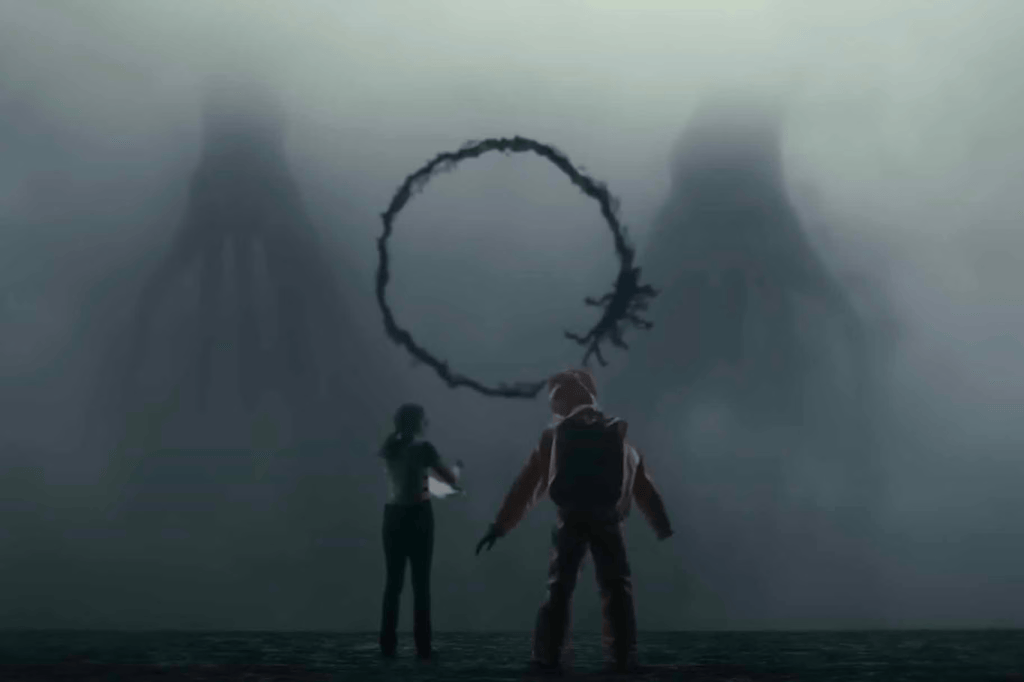
Still: where are the truly alien aliens? To my mind, Denis Villeneuve’s Arrival (based on Ted Chiang’s 1998 novella “Story of Your Life”) takes a respectable crack at this considerable challenge. Its alien visitors are visually weird, which is amplified by us only seeing them through vaporous mist: are they squid-like, or more like gnarled hands, intergalactic cousins of The Addams Family‘s Thing? What makes them so much stranger, though, is how they communicate, and how their language both reflects and shapes their perception of time. These visitors from outer space don’t perceive time as we do, as a linear, sequential flow from past to future; they perceive it all at once. (There are shades in this of the Prophets of Deep Space Nine, but Arrival puts more of an effort in conceptualising what this means, especially to the humans interacting with the aliens.) I’ve seen Arrival a few times, and even if I know what will happen (which fits few films as well as this particular one), it always gets me emotionally. I can never quite wrap my head around what the world must look like to the aliens, though: how can you exist perceiving all of time as existing already? Our own lives are so much built on the presupposition that we have some control over what happens, that we have agency at least when it comes to ourselves. The aliens of Arrival, and what the existence of such beings would mean to ourselves, remains irresolvable: these are extraterrestrial beings whose, well, arrival would necessarily shatter how we see the world.
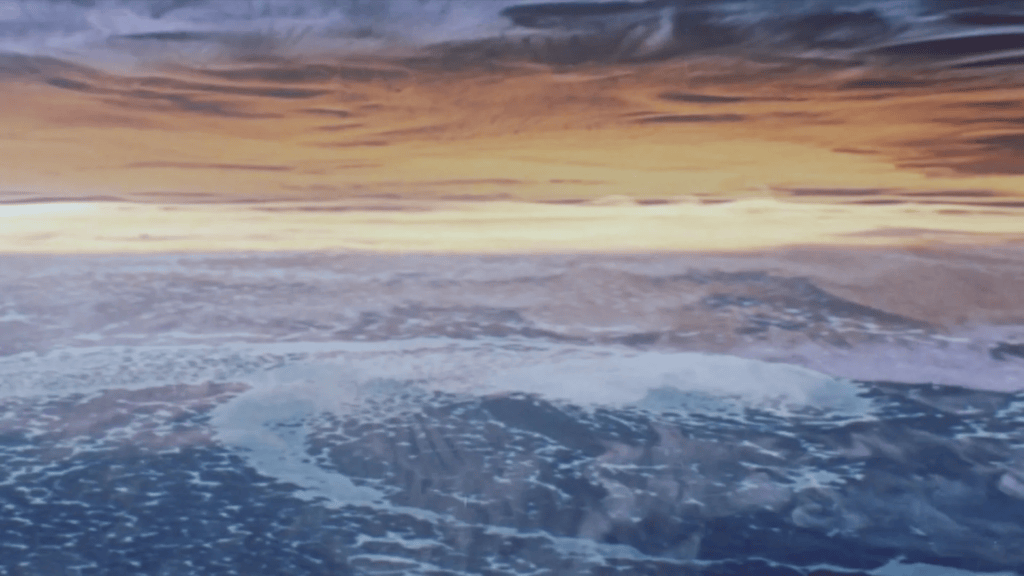
Still, these are individual beings, they communicate through language, they may look like giant hands, but hands are something we’re familiar with. Can we amp up the alienness some more? “Hold my vodka”, say Polish writer Stanisław Lem and Russian director Andrei Tarkovsy, conjuring up an even stranger extraterrestrial live form: Solaris, a living planet that communicates with humans through manifestations – though is it communication, or is it a form of defense? Is Solaris friendly, antagonistic or simply forever inscrutable? Do we even think of Solaris as an alien, or just as alien? Can we have our heptapods with their circular logograms and their unconventional views on temporality back?
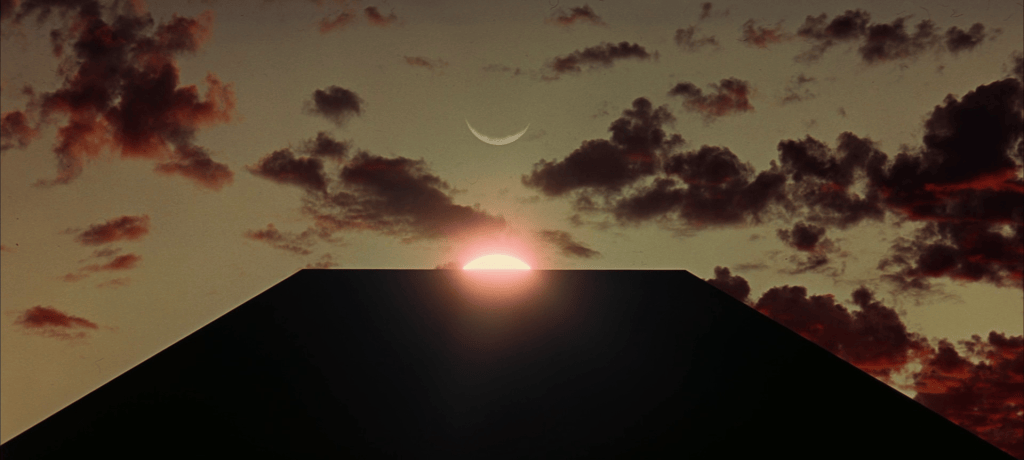
So, since we’ve now turned the alienness of our aliens up to 11, let’s finish (in crypto-celebration of Criterion releasing its monumental Stanley Kubrick collection) with… this. The Monolith out of 2001: A Space Odyssey. A pitch-black cuboid whose sides extend at a ratio of 1 : 4 : 9 (and, as Arthur C. Clarke wrote, “How naive to have imagined that the series ended there, in only three dimensions!”). Is it an alien? Is it just a tool, something left behind by aliens – and, if so, what are those aliens like? Once the aliens in our stories become this alien, will we even recognise them as such? Is a Wookiee a bear? Is it aliens all the way down? Alien alien, alien alien alien… alien?
P.S.: For another Kubrickian excursion, make sure to check out our espresso podcast from way back in December 2022, in which Alan and I visit the Stanley Kubrick Archive.

