The Rear-View Mirror: Lincoln in the Bardo (2017)

In 2017, Eagles on Pogo Sticks ended its ten years of soaring and went into a steep yet controlled ascent. After a quick dip into one of the few remaining phone booths, a suspiciously familiar-looking blog emerged: A Damn Fine Cup of Culture. Now, almost a year after we reinvented ourselves (or, more accurately, revealed ourselves as the cuppaholics we are) we’re launching a weekly feature: The Rear-View Mirror, where each Friday we’ll look at the cultural goodies, whether grande, venti or trenta, that may appear closer than they really are. We’re starting in the year of our (re-)launch, 2017. Join us on our weekly journey into the past!

Lincoln in the Bardo

Back when I was a student, I was pretty much subscribed to the Booker Prize winners. From Midnight’s Children (which, admittedly, I read more than 15 years after its release) via the likes of The Remains of the Day and The Famished Road, The English Patient and The God of Small Things to Amsterdam and Disgrace, I knew that the winning novels would be well worth reading. When I left university, though, I realised that life is very different when you’re not paid to read literature. After a day at the office doing things other than literary criticism, I found that my brain wasn’t necessarily in much of a state to plonk down with a book, and instead I’d watch an episode of something or play video games for an hour. The Booker Prize lost its appeal as any new books I ordered piled up on one of my Billy shelves. I still enjoy reading a lot, but it’s no longer the thing I do most of the time on most days, it’s something to do before going to bed (if I’m awake enough), over the weekend and especially on holidays.

Continue reading

Sick rom-com, bro!

What makes for a good romantic comedy? To be honest, I may be the wrong person to ask, since I have it on good authority that my narrative preferences lean towards the melancholy, if not the downright depressing. Which probably makes me the last person who should argue the qualities of good romantic comedies. Most entries in the genre strike me as manipulative, dishonest and often toxic in their notions of romance and courtship, not to mention their views on masculinity and femininity. And, last but not least, I have pretty dim views of the genre’s infatuation with phony happily-ever-after tropes.

The Big Sick

So it may not be a huge surprise that what may be my favourite romantic comedy of the last ten years (okay, nine years – I liked (500) Days of Summer quite a bit) revolves around one of the main characters almost dying and being in a medically-induced coma for much of its running time. Nothing more romantic than that, eh?

Continue reading

A Damn Fine Cup of Culture Podcast #11: Westworld

d1ad56da-abce-4afe-9f45-79294aede9e3Tune in for episode 11 of A Damn Fine Cup of Culture, in which we visit Westworld, look back at season 1 and discuss whether its Hosts are more human than human. Is the series great, cerebral sci-fi or is it a puzzlebox too far? We also talk about festivals, theatre and otherwise, and pay our respects to the late, great Sam Shepard, by way of Michael Shannon. Continue reading

Fog of Law

The men walk along the river. It is night. In the distance, the lights of the city glimmer. The man walking behind raises his arm, brings it down again, hard. A muffled sound of impact. The man in front goes down.  The man behind – the murderer – hits his victim again.

Again.

Again.

Once he is done and his victim is dead, he sets fire to the body and watches the flames.

The Third Murder

This is how The Third Murder begins. As may have become clear to the director’s fans: this is not your usual Kore-eda. Continue reading

What did you do in the war, Dad?

For many people, the 1982 war between the United Kingdom and Argentina over the archipelago known by one side as the Falkland Islands and the other as Islas Malvinas is little more than a historical footnote, or at best a handy conflict used by the leaders of both countries as a means of drumming up nationalist support in the last years of the Cold War. (Well, the original Cold War, not the off-brand sequel that seems to be fomenting these days.) It’s not the thing that comes to most people’s mind with respect to the early 1980s. They remember E.T., Ronald Reagan, Eye of the Tiger and Chariots of Fire, Dallas and Dynasty – but the Falklands War rings very few bells.

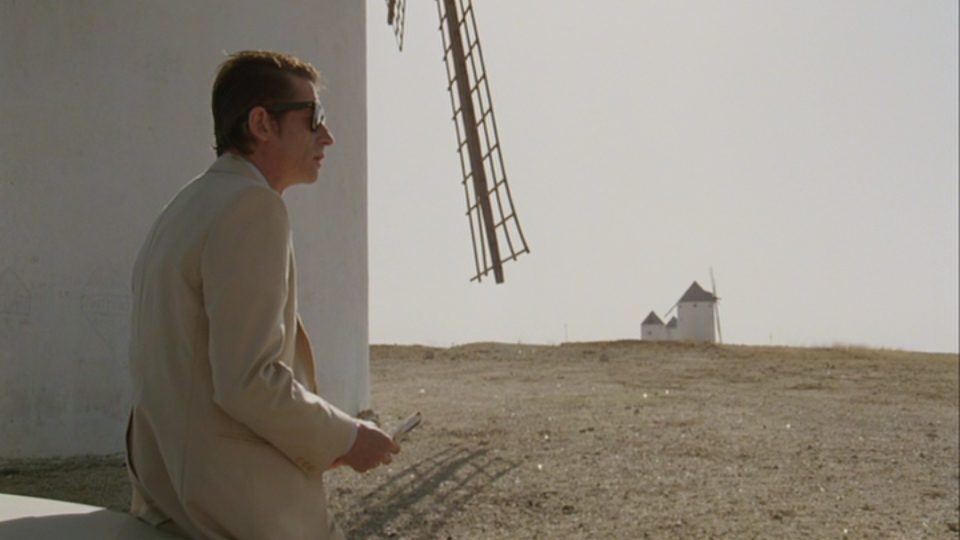
Campo Minado / Minefield

This is decidedly not true for the Argentinians – and, more so, for the soldiers who fought during those absurd 74 days. The Falklands War happened almost forty years ago, yet it is still very present.

Continue reading

The Loneliness of the Superstore Employee

There is a strange beauty to it all: the geometry of the almost deserted aisles, the precarious stacks of beer crates, the discrete whoosh of electric pallet carriers zooming to and fro (to “The Blue Danube”, no less!), and all of it during the graveyard shift. In the half-dark, the superstore is less of an abomination that is part supermarket, part warehouse: it is a refuge for the assorted sad sacks and losers that work there, most likely because they wouldn’t find anything else. These are the outskirts of East Germany almost thirty years after Reunification, and the reality is drab and depressing – but at night, in the aisles, you may just find something you don’t have anywhere else: a home.

In den Gängen

Continue reading

We need to talk about Tracy

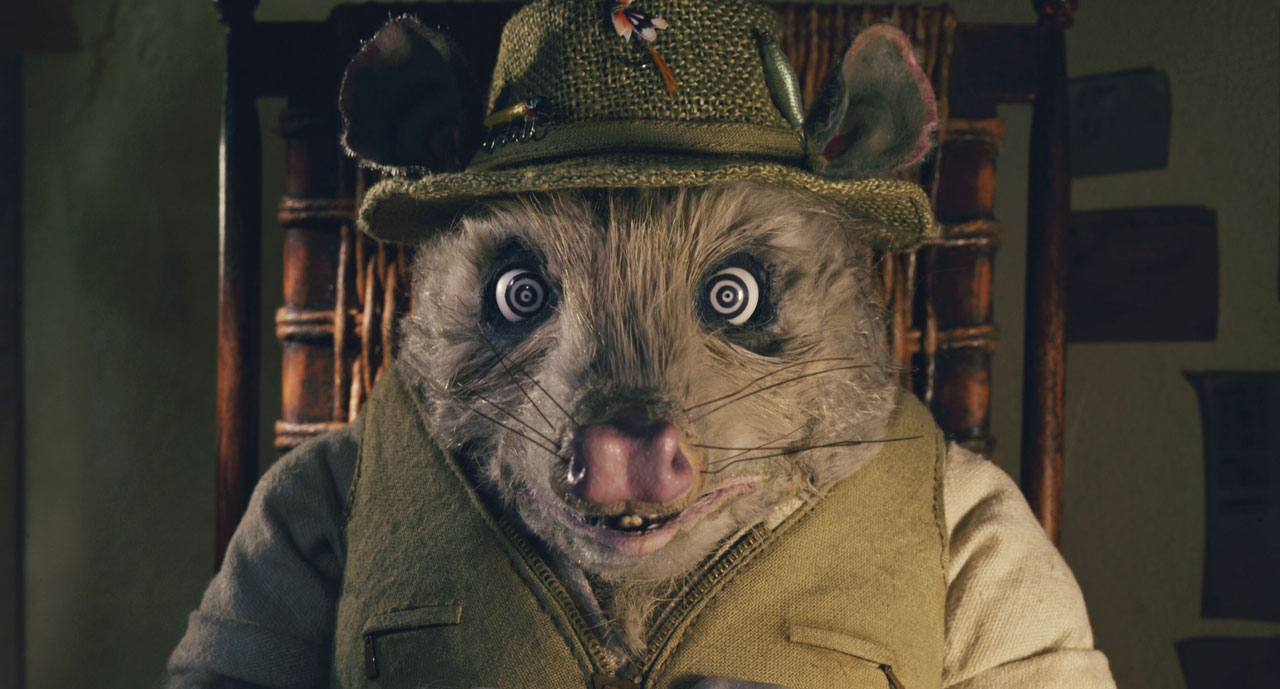
I was very much looking forward to Wes Anderson’s Isle of Dogs. It took me a while to warm to Anderson’s films, but I fell hard for his stop-motion adaptation of Roald Dahl’s The Fantastic Mr. Fox, even though I first saw it on a tiny screen in a cramped airplane, so the thought of another animated Wes Anderson joint featuring talking animals definitely appealed to me. I was lucky to finally see Isle of Dogs in a magnificent cinema in Florence, Italy – and much of it I enjoyed a lot. The craftsmanship is exquisite, the cinematography inventive and much of the canine characters’ writing and acting funny and endearing.

Isle of Dogs

However, a Fantastic Mr. Fox this ain’t. While the film’s premise is fine, the overall plotting feels like a draft in need of rewrites. The animal characters are quirky and neurotic but they rarely coalesce into something more genuine than the assembly of quirks that Anderson’s characters tend towards at his worst. More than that, though, there is a Tracy-shaped problem that makes you wonder: what was Anderson thinking? Continue reading

A Damn Fine Cup of Culture Podcast #10: Avengers: Infinity War

d1ad56da-abce-4afe-9f45-79294aede9e3Tune in for episode 10 of A Damn Fine Cup of Culture, in which we look in on the Avengers & friends and a certain titan with a temper. Is Infinity War a worthy culmination of ten years of the Marvel Cinematic Universe? (Beware: heavy spoilers for Infinity War, including the ending.) Also, Mege’s looked into a different kind of infinity with Béla Tarr’s Sátántangó, and Matt wishes he hadn’t seen the trailer last year’s indie darling Lady Bird five times before watching the film, and we share our impressions of Jon Bernthal in Netflix’ The Punisher and Cécile McLorin Salvant in concert. Continue reading

Death and the Politburo

In case the trailer didn’t already give it away, Armando Iannucci’s The Death of Stalin is a comedy. Its dialogue bristle with sharp, satirical thorns. It is at turns witty, goofy, absurdist and madcap. It is also like one of those works of art that, when you first look at them, seem to depict a rabbit or a beautiful young woman – but then you realise that you’re actually looking at a duck or an old crone, and once that realisation has set in, it’s difficult if not impossible to again see what you thought you saw at first. Once that moment has set in, The Death of Stalin becomes something much darker. The verbal humour remains, but it is revealed to be the poisonous icing on a meal that tastes of ashes and death.

The Death of Stalin

Continue reading

Annihiladaptation

Although I got the novel as a Christmas present, I only read Jeff VanderMeer’s Annihilation after seeing Alex Garland’s movie adaptation, finishing it last weekend. There are some adaptations that ruin the original for you, but that’s rarely been a major problem for me: if a story is enjoyable primarily because of what happens next, I usually don’t feel all that much of a need to read it in the first place. If there are interesting characters or ideas, if the prose is evocative and atmospheric – generally, if it’s the storytelling itself that makes the story thrilling or funny or generally engaging rather than what happens next – then I’m definitely up for experiencing a story more than once.

Annihilation

Continue reading