Welcome to Six Damn Fine Degrees. These instalments will be inspired by the idea of six degrees of separation in the loosest sense. The only rule: it connects – in some way – to the previous instalment. So come join us on our weekly foray into interconnectedness!
Last week, Julie wrote about two attempts to tell the same story on the big screen – a reminder that, ever since the beginning of cinema, people have gone back to what has gone before to have another stab at it. And as long as there have been remakes, there have been critics giving them a bad reputation. All my life I’ve had to read movie think pieces that declare that cinema is doomed by the lack of new ideas, as exemplified by the latest high-profile remake.
My usual response to this is one of a weary shrug. Remakes, like any film, can be great or they can be awful. I’ve seen remakes full of fresh and interesting ideas, just as I’ve seen supposedly new concepts shuffle along lifelessly, desperately wanting for an idea they could have just reworked from an earlier success. Hollywood has always been obsessed with milking successful intellectual property and doubling down on whatever has just worked, and its weird to pretend otherwise to put a gloss on the past.
Yet for all my grandstanding on this point, I have a guilty secret. For there is a type of film, a micro-genre of movie that over the years I have grown to loathe. They are the Technicolor Remakes. These are films that Hollywood released at the end of the ’40s and into the ’50s, when they wanted to lure audiences back into the cinemas with large colourful experiences. There’s nothing wrong with that: I genuinely love the gaudy visual excess of a Technicolor extravaganza. And yet, somewhere in the development process, they took a step that sounded reasonable. They decided to remake relatively recent black-and-white films in this new format. I really wish they hadn’t.
My Man Godfrey (1936) and My Man Godfrey (1957)
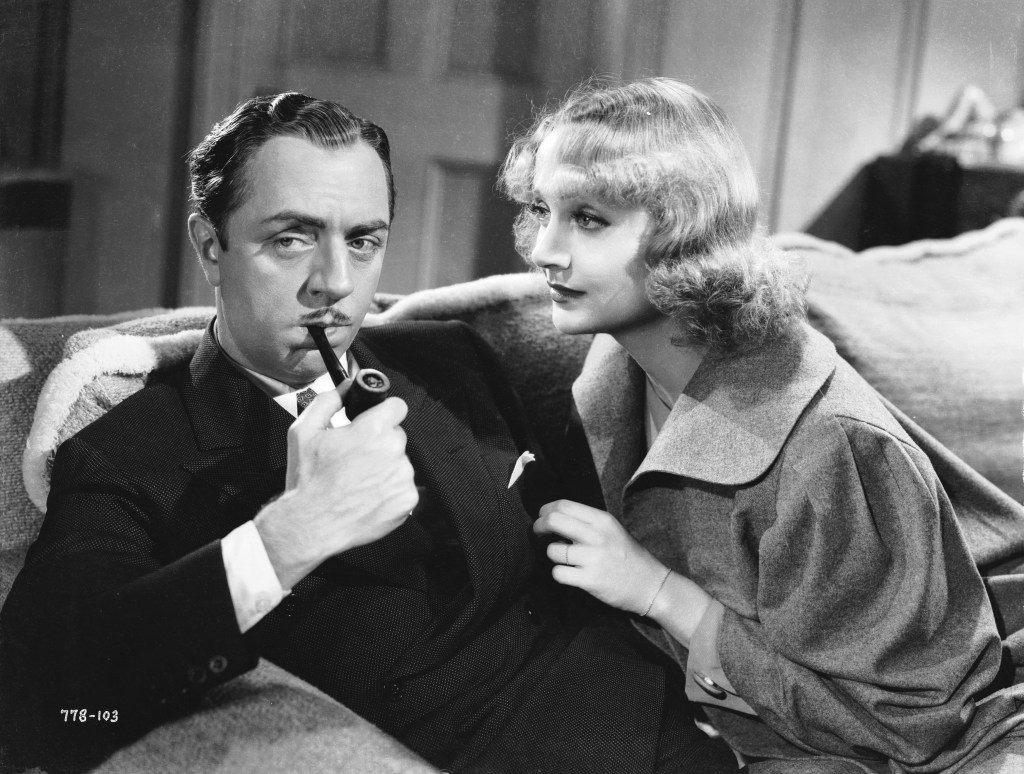
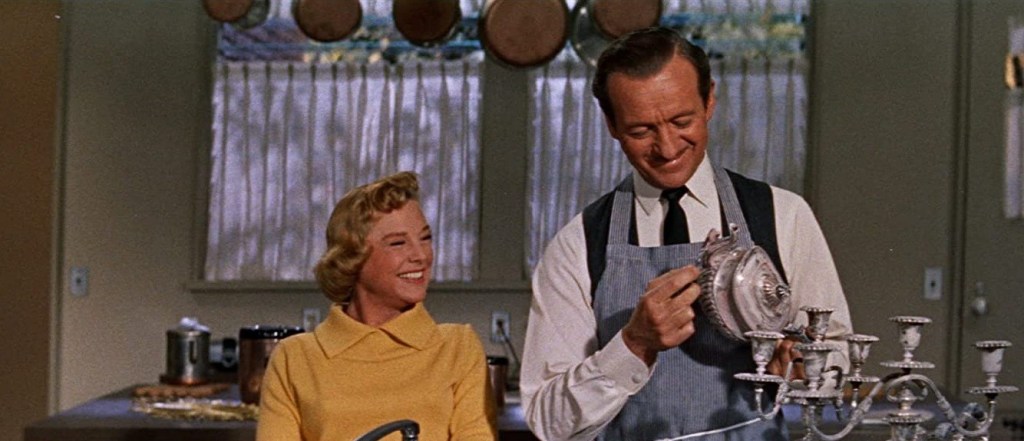
The first time I discovered one of these films was the 1957 remake of My Man Godfrey. On paper, it looked intriguing, by which I mean it had David Niven in it – and while he isn’t quite William Powell, he’s not a bad choice to play Godfrey. Also, and I appreciate this is probably something I need to whisper, the original film feels remakeable. There’s a very solid idea at the heart of the story, and plenty of room for a new film to do something new with it.
In part, that’s because silliness reigns in the earlier version. Even the central romance between William Powell’s Godfrey and Carole Lombard’s Irene exists within this slapstick world: they’re a couple because they fancy each other, stupid! No further explanation is necessary, and even the resolution feels like a comic aside. Lombard’s manic insistence that they love each other and should get together is just the type of craziness I want to buy into in a screwball – but romantic it ain’t.
Which creates a lot for a remake to play with. And when the opulent, colourful title sequence opened the film, it suggested this might be an elegant romance. More sophistication than screwball. Then the same story from the earlier film kicks in… and I begin to feel detached from it all. It’s akin to the experience of hearing a talented comedian telling a funny joke, and then hearing someone who isn’t nearly as skilled retell the same joke. There’s something maddening in knowing that the joke could be told in a good way, but having to experience it in this non-optimal form.
I kept having this negative feeling as I watched the remake. Scenes and gags get transplanted wholesale into the new production, which just keeps reminding me that I saw them before and they were funnier. And it’s ironic, because David Niven has new, very funny lines in this, and I just think I’m unfairly ill-disposed to them because they’re surrounded by repeats.
The plot is slightly rejigged for the new decade. Niven’s Godfrey isn’t a Forgotten Man from the Great Depression, but an exiled Austrian noble, trying to make amends for his experiences in the Second World War. In fact, in many respects, the reshaping of the plot is quite well handled: the slightly wonky resolution to the original is cleverly reworked into something more credible. And yet, every new step seems surrounded by three rehashed ones that remind me of the earlier film. Godfrey’s past is very different – but his feud with the character of Martha Hyer’s Cordelia, or the story of the useless protégé cluttering up the household or the trials of the wealthy father figure are all note-for-note pretty much exactly the same. And just like the rehashed gags, the rehashed plot and character elements evince the same reaction.
The worst aspect of the remake, though, is how they depict the leading lady, Irene. Casting June Allyson means this is an older Irene, with an impressively smoky voice and clearly a talent for a wisecrack. There is so much mileage here to play to her strengths as an actress, and create a new Irene that can romance Niven’s exiled aristo. Only the film doesn’t do it, instead making a forty-year-old actress play the role in the same petulant manner the much younger Lombard did. And Lombard, at twenty-eight, was on the upper limits of playing whiny teenage brat and just about getting away with it. When Allyson repeats the same lines of spoilt manic obsession with the new butler, I just ended up feeling embarrassed.
All in all, the whole experience was very disappointing: like listening to a bad cover of a favourite tune. But not long after watching this, I heard of another such remake. Warily, I decided to give it a go.
The Shop Around The Corner (1940) and In The Good Old Summertime (1949)
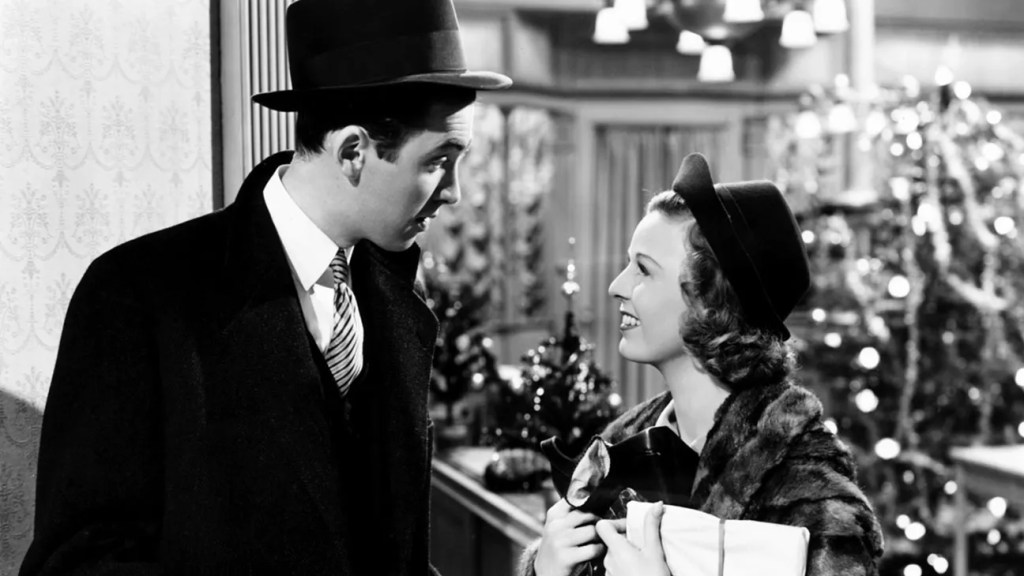
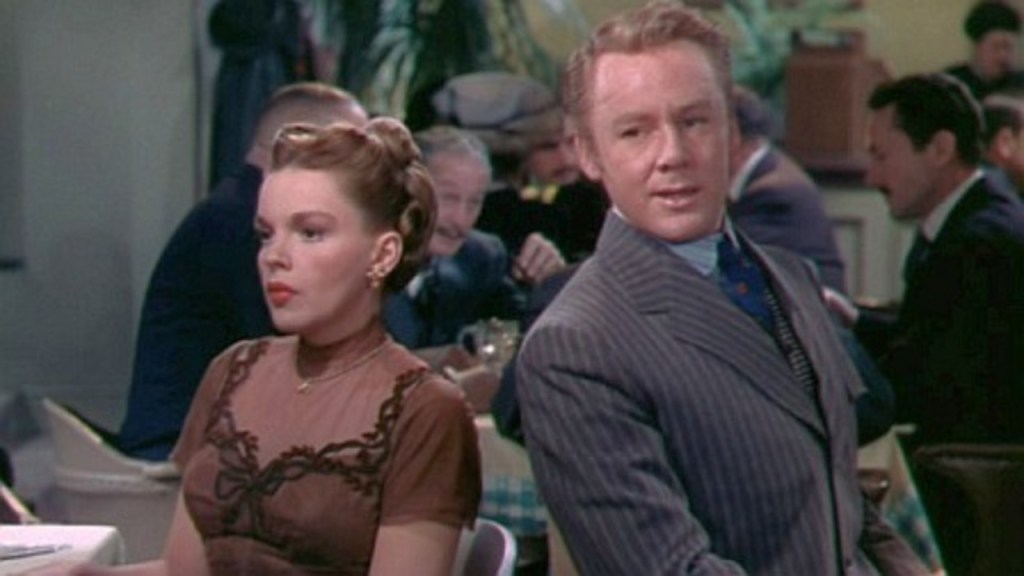
Just nine years after The Shop Around The Corner was a hit, Hollywood was to rework the basic plot into a Judy Garland vehicle: the Technicolor musical romantic comedy In The Good Old Summertime. I adore the earlier film – it’s something of an annual Christmas rewatch for me – so it’s fair to say I approached the remake with trepidation. To be forewarned is to be forearmed, as they say, and I’m very glad I was.
Maybe it’s because I think the jokes in the original are even funnier than anything in My Man Godfrey that I found the attempts to tell the exact same gags here even more jarring. The same punchlines feel awkwardly crowbarred in, failing to land every time. The impression I get is they took good gags from the earlier film, put them in the new script, and just assumed if they shot this, it would land the same way. There’s a laziness to it all here that I find just unforgivable. We’re watching a film that’s been so clearly constructed – a musical number here, a funny scene there – without any real sense of having it work together as a film.
“Oh, a musical film feels episodic, does it? What a surprise,” I can hear as I type that criticism. It’s a fair point, sarcastic inner voice – but it does beg the question why take an incredibly well-constructed original script and hack it up in this way to fit musical numbers and large, lush Technicolor sets in. When you could just take the basic idea and redo it from scratch? Nora Ephron’s You’ve Got Mail works surprisingly well taking this approach.
In the end, though, I can’t help thinking that this stuff isn’t working comedically because the makers of the film can’t do comedy. One of the reasons I watched this film despite reservations was that it has Buster Keaton in it. And the whole production wastes him completely. Even Keaton apparently hated the experience of making it. If you don’t know how to use Buster Keaton in a comedy – you shouldn’t be making a comedy. Moreover, elsewhere in the film, you can’t just give the lines of the great Felix Bressart to just anyone to repeat joylessly.
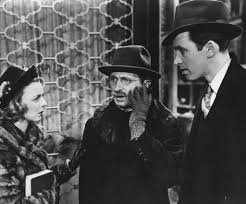
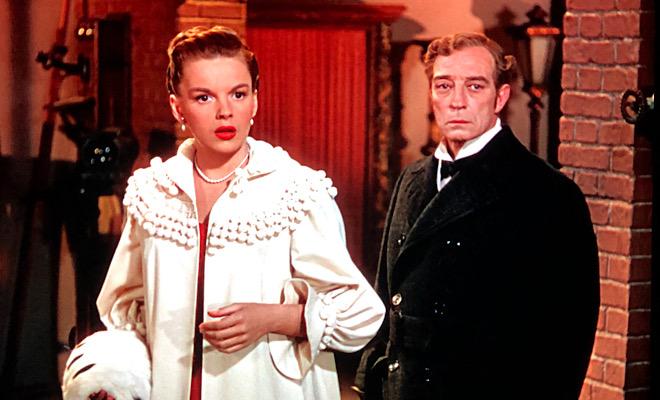
There’s a saccharine, feel-good nostalgia vibe written through In The Good Old Summer Time and yet the story it is remaking is ill-suited to such a brightly-coloured, happy production. One of the reasons that The Shop Around The Corner works so well is that there is a real desperation in the lives of the leads. They live in genuine fear of poverty or loneliness – and this leads to them clinging to the promise of a blind date or a kind moment from a work colleague. There’s none of that in this film – nobody could really feel sad in such a wonderfully colourful world. The whole thing is too busy making the two leads look beautiful that at no point do I think either of them could have any trouble in love.
It also really doesn’t help that the leads Judy Garland and Van Johnson have zero chemistry here. And this is a further problem because the plot relies on two people who are clearly into each other also being antagonists for a good chunk of the film. When they are verbally sparring as enemies, I need to see that they still spark off against each other. Watching Garland and Van Johnson be mean to each other just looks like two work colleagues being mean to each other. When they finally get together, it feels like the two work colleagues who everyone in the office knows shouldn’t get together.
Maybe I’m especially negative on all this because the lure of Buster Keaton was sufficient that I purchased a physical copy of this film to watch, and I sat through what felt like a very long 102 minutes resenting the money spent. I can try and find positives – the Technicolor really does look gorgeous, and as far as onscreen gaudy nostalgia fests go, very few can match this for the look and the costumes. But even what should be the strengths of a Judy Garland musical – the actual numbers themselves – are, at best, average. Honestly, when I came to the end, I figured I’d have to be mad to ever watch another Technicolor remake again.
Ball Of Fire (1941) and A Song Is Born (1948)
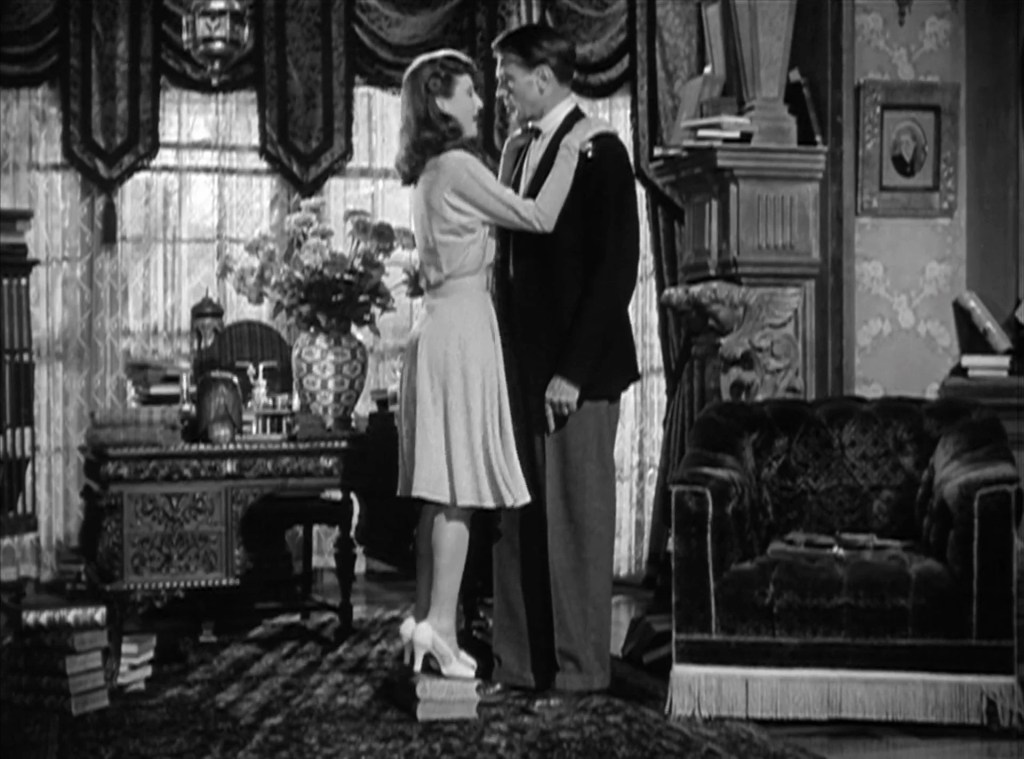
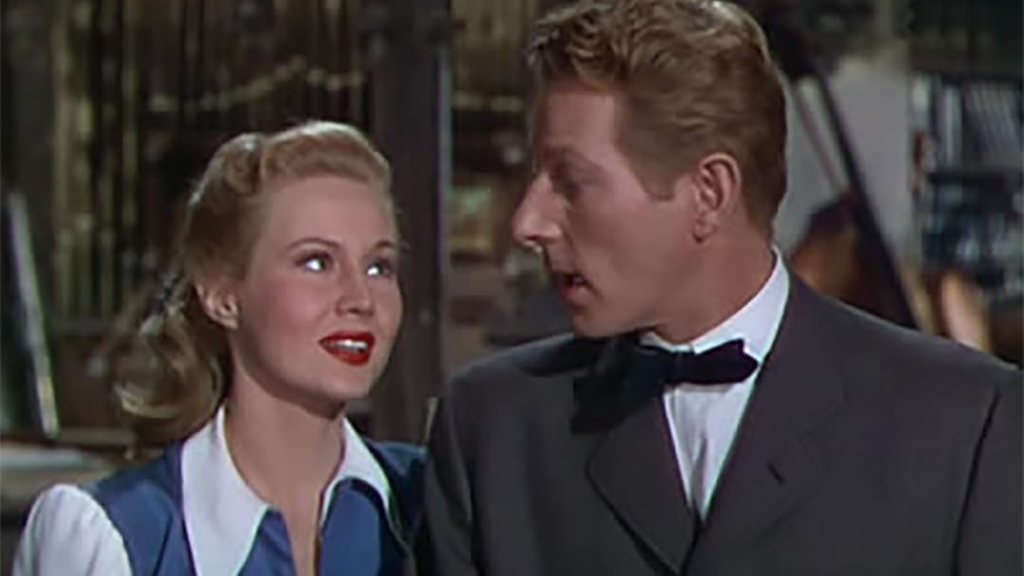
I adore Ball of Fire so much, I’ve even written about it before in an earlier Six Damn Fine Degrees. So imagine the creeping dread when I discovered that it, too, was the subject of a Technicolor remake. This time, just seven years had passed since the original, with the same basic premise re-worked as another musical. The two leads, Danny Kaye and Virginia Mayo, were hardly inspiring me to give the film a chance. I’m not getting fooled again!
However, Howard Hawks seems to have been tempted to remake his own film, and from a brief outline it was clear that some effort had been made to rework the set-up in an interesting way. The amiable old professors of Ball of Fire were now a team of musicologists, compiling a musical encyclopaedia – a set-up that allows the film to feature cameos from the likes of Louis Armstrong, Benny Goodman, Lionel Hampton and a whole host of names that were big at the time. I didn’t really know those names, but I became increasingly curious about such groups as The Golden Gate Quartet and Buck and Bubbles.
Also, there was a tiny part of me intrigued by just how bad it might be. And this whispering voice tempting me to check out a disaster just got louder and louder, and, in the end, I succumbed.
And it’s… not very good at all.
It’s frustrating because it actually starts really well. It efficiently sets up the premise, and I genuinely grinned when I realised that Mary Field was back playing their financial backer Ms Totten. It quickly sets up the idea that the musical element has the potential to inject a lot of fun. When the musical professors realise that their encyclopaedia is lacking the modern jazz sounds of 1948, they head out to explore, leading to a fun collection of musical cameos. And Danny Kaye is surprisingly charming as the professor out of his depth in these scenes.
And then it all completely falls apart when it finally brings in the plot from the earlier film. Compared to the absolute barnstorming drum boogie that heralds the arrival of Barbara Stanwyck’s Sugarpuss O’Shea – a ball of fire that’s going to transform a stuffy professor’s life-, Virginia Mayo’s Honey Swanson gets to croon a bland family-friendly song. And after Stanwyck’s brilliant arrival, driven by Gene Krupa’s amphetamine-fuelled drumming, the script does a great job of setting up the idea that she really doesn’t care about the stuffy professors she’s hoodwinking – Stanwyck delivers a brilliant combination of phony showbiz flirting and street smart ruthlessness.
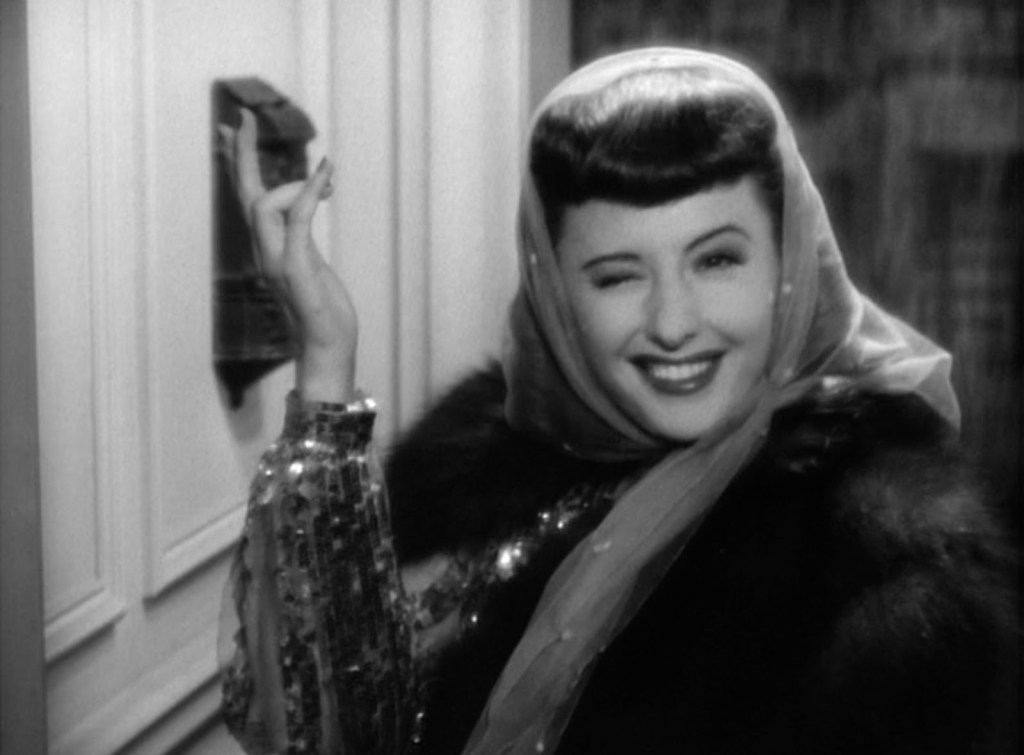
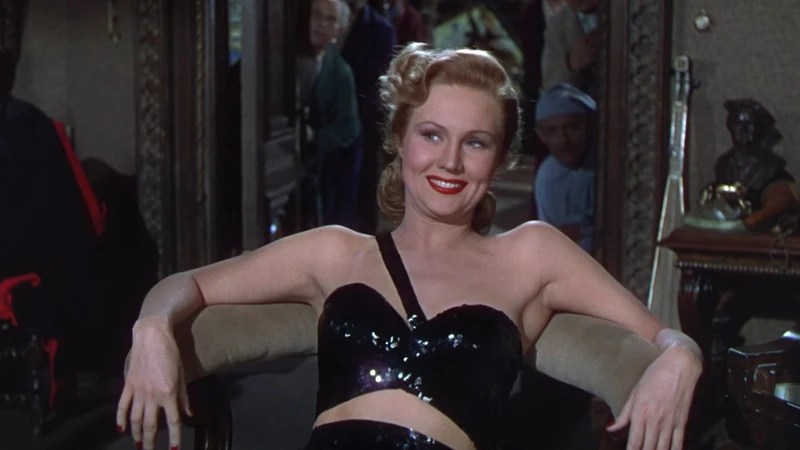
Unfortunately, Virginia Mayo just seems too nice from the off, and then the script thinks it can give her the same energy by simply having her repeat the lines and mannerisms of Stanwyck. Again, there’s no attempt to rework a character to suit the talent onscreen. I don’t think it would have taken much to devise a Sugarpuss that would work with Mayo’s own talents. There’s no reason that a gangster wouldn’t be interested in a seemingly respectable singer – nor that this classy performer wouldn’t still want to wrap elderly professors around her fingertips for initially selfish reasons.
The rest of the production then falls into the exact same trap of feeling like someone badly retelling a joke. It’s recognisably the same, just not as good. The vital moment of the original film for me is Sugarpuss realising that she doesn’t want to dupe these lovely old men anymore, and the awkward kindness and genuine fumbling affection of Gary Cooper have won her heart. Stanwyck can nail this moment. I don’t buy Mayo on any of this.
After watching it, I learnt that Hawks hated the film and only did it for the paycheque. Mayo was imposed by the studio, against Hawks’ own judgement, and Danny Kaye was apparently a mess after his wife had left him over his infidelity. The resulting film ultimately seems to share in all that unhappiness, a clunky mess of a watch. Right, that settles it – I’m definitely not doing this again!
The Philadelphia Story (1940) and High Society (1956)
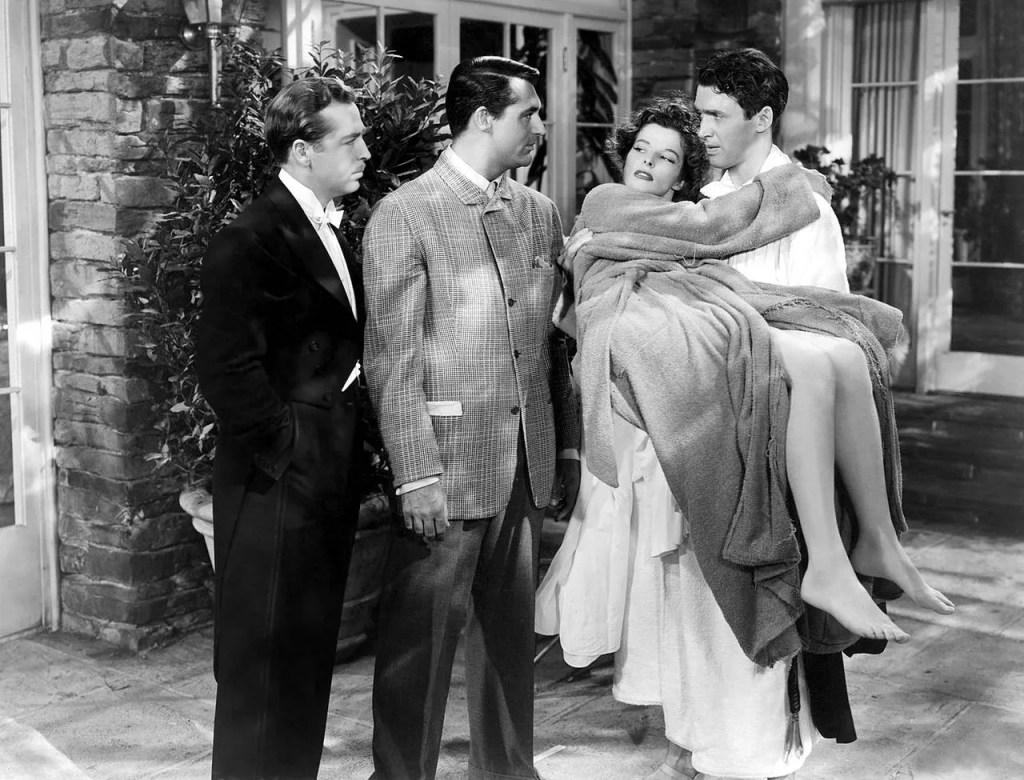
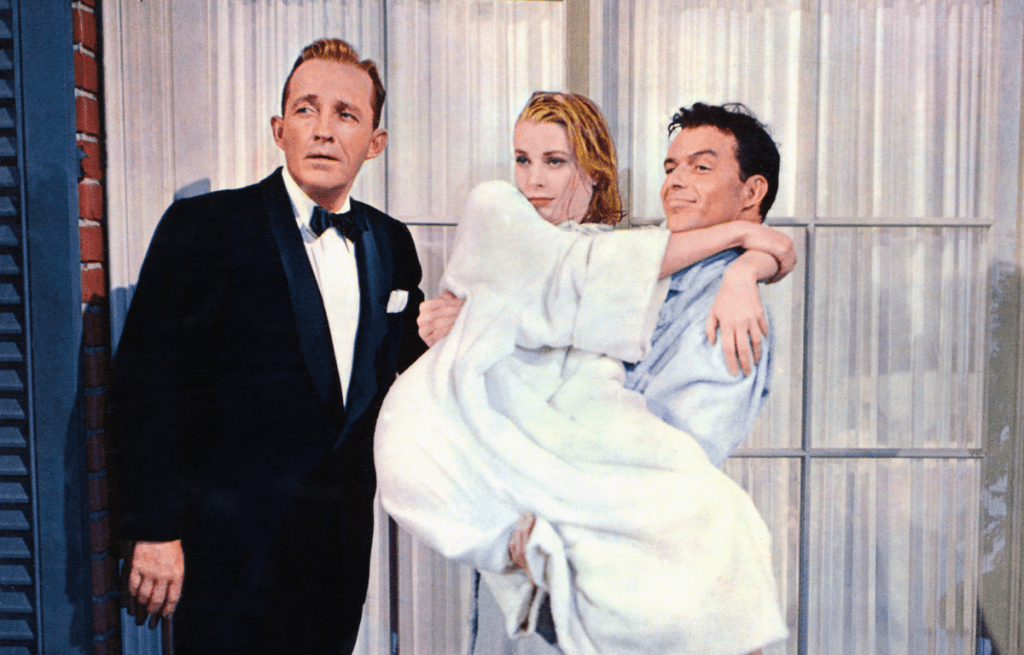
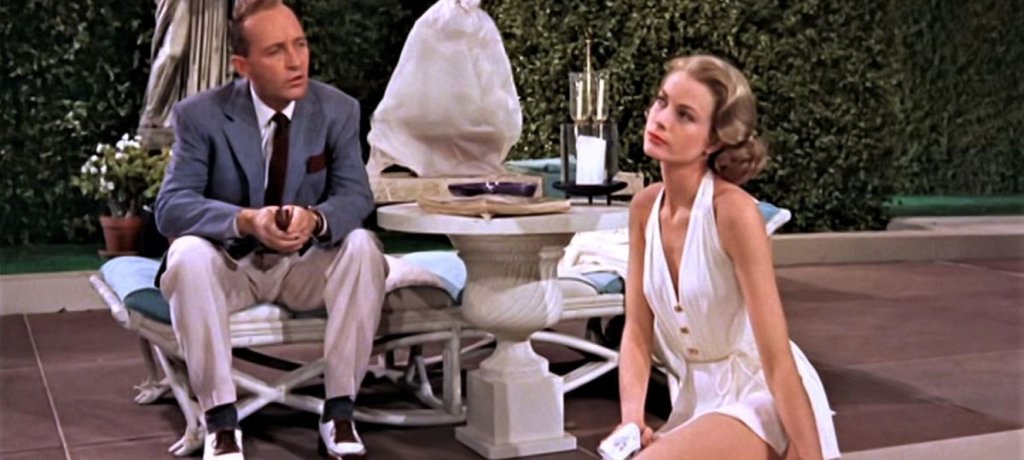
It was only after seeing the previous three, and swearing off these Technicolor remakes, that I suddenly remembered the film that is probably the Granddaddy of them all: 1956’s High Society, a musical reworking of The Philadelphia Story. I’d seen this expensive remake many years ago – possibly before even the original film it’s based on. I remember finding it okay, but in the years since, I’ve seen The Philadelphia Story a number of times and grown to love it. Could a rewatch of High Society survive my subsequent adoration of the original?
The first thing that was clear from the rewatch is that High Society is far and away the best of the Technicolor remakes I’ve talked about here. It’s just the one that feels the most coherent and well-made as a film. The look is an incredible showpiece of the vibrancy of Technicolor, they’ve streamlined and simplified the characters to suit the charm of the performers and added some cracking tunes. I can see why – as a standalone film – it’s fun.
I do miss the complexity of the original, and I especially think that in reworking Katherine Hepburn’s part for Grace Kelly they’ve removed a lot of what makes the character interesting. She’s robbed of any real transformation here, and just seems to sail through the film looking pretty. Bing Crosby has also lost the genuine flaws that made Cary Grant’s CK Dexter so compelling. The worst thing he did, apparently, was get into jazz – but as this movie also shows us – jazz is great. So instead of a flawed, decent man struggling with booze, we get a nice guy who was wronged by the pretty lady.
By robbing Frank Sinatra of much of his back story, we lose the whole subplot of journalistic intrigue, but also the dynamic that brings Katherine Hepburn and Jimmy Stewart together in The Philadelphia Story. Instead, that connection is made here by Sinatra just finding Kelly gorgeous. And, I mean, she is gorgeous, but it’s such a shallow take in comparison to the original.
But here’s the thing: I can understand why they made these changes for the film. They’re not my cup of tea, but they do work. Instead, I found myself thrown out of High Society for the same reason as the earlier films: whenever the film trod the exact same path, I was left cringing at the good joke retold badly, the plot contrivance that felt crowbarred in. Which feels like this is very much a me problem.
And yet, I think I can identify why there’s a fundamental flaw in the whole idea of making these particular remakes. In every case, the earlier black-and-white comedy was built on a sharp script and studio limitations. Scenes exist to be funny, and the plot exists to get us from one funny moment to the next. The fact that sometimes real human emotions can be felt on top of all that is a bonus, but these films exist to be scrappy, fun entertainments. By the time we get to the era of Technicolor opulence, you can’t just bring those scripts and daft screwball contrivances in and expect them to work. We’re here to luxuriate in a fabulous world of beautiful people – and there’s little room for great comedy, underdog losers and daft plotting in such a pretty utopia. In a sense, both types of film are lightweight affairs – but one is sharp and silly, the other aspires to urbane frothy gorgeousness. You also aren’t going to get much emotional engagement if the leads are left mimicking the way somebody else played the same character.
So, for me, those two worlds just don’t mix well at all. Maybe I’m wrong on this – and I’m missing a film from this microgenre that turns around my opinion on this. I’d actually love that to be the case, but I’ve not found it yet. Any suggestions of ones I’ve missed are gratefully received. Until then, I’m heading back into the black and white.

