Welcome to One Best Picture After Another – where I attempt to watch all the winners of the Academy Award for Best Picture, starting at the very beginning. And attempt to answer two simple questions – is the film still actually any good? And why did it win?
6/10
A surprising number of Best Picture winning films can be described as “Truly Forgotten”. For all their success at the time, they have left no cultural trace. They don’t get shown again in retro cinemas, nor do they get fancy extras-laden 4K Criterion releases.
The Life Of Emile Zola is one of those films. I didn’t recognise it when I first looked through the list of winners when considering this project. It’s also telling, I think, that when I went online to research the film, almost everything I found was produced by people who watched it on the basis that it was an Oscar winner.
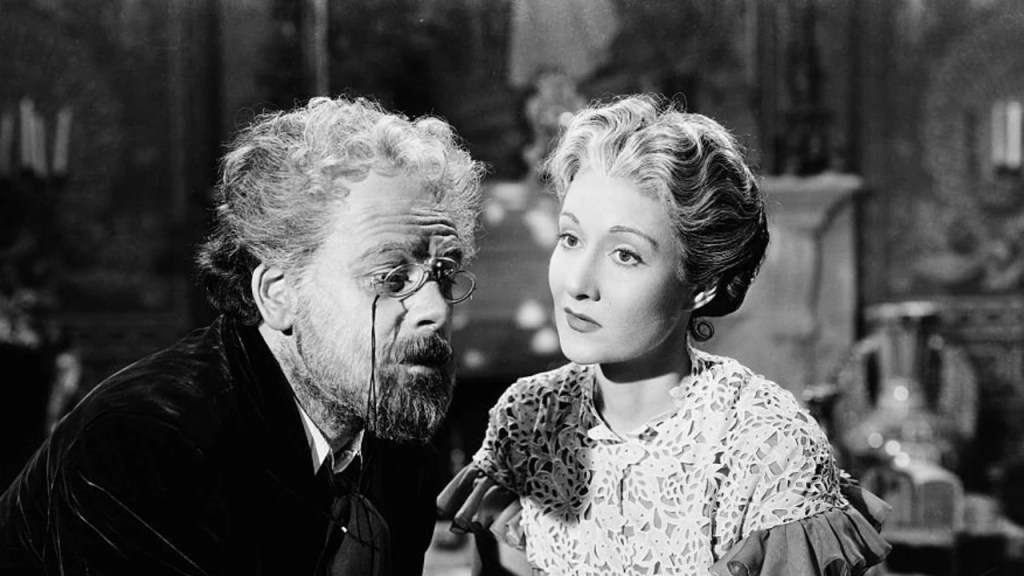
In a similar vein, it stars Paul Muni, an actor I recognised from Scarface, but who, like the film, has left little mark on cinema history. Which is a shame because he’s very good in this. It’s especially striking because his acting feels so much more naturalistic than anything found in all the Oscar winners I’ve watched so far. Just based on these limited reference points, it feels like an evolution in cinema acting is happening. We’re a long, long way from Richard Dix in Cimarron here.

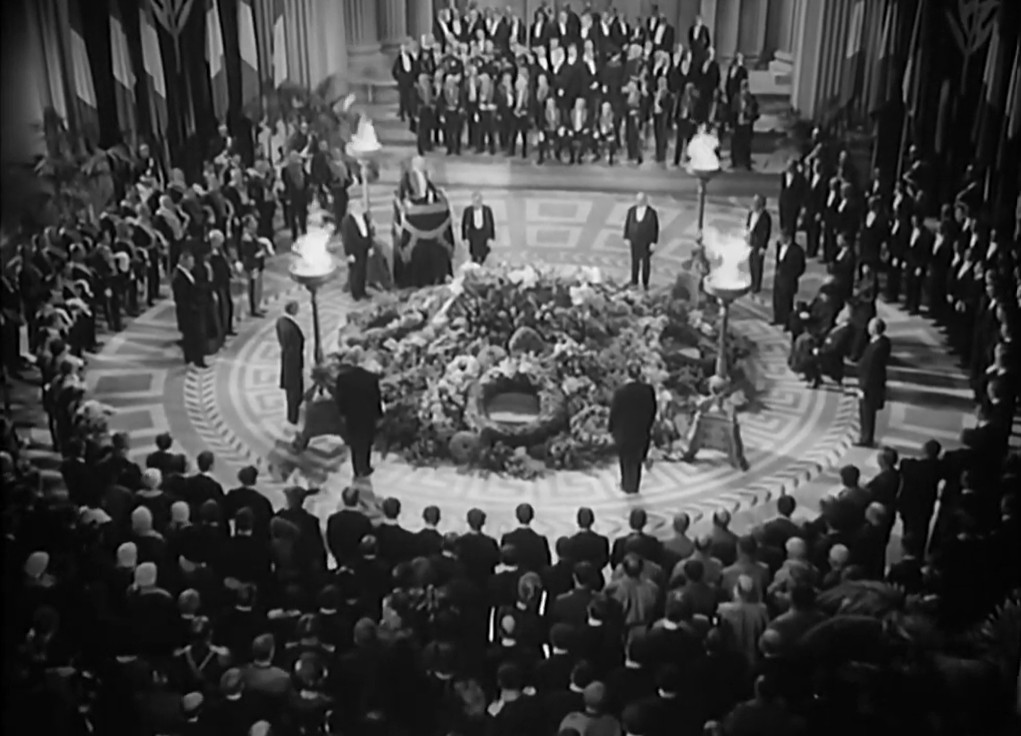
Biographies were clearly all the rage in the late 1930s, and for the second year in a row, the Academy awarded their biggest prize to one. This film and The Great Ziegfeld have a very similar weakness: they seem inclined to just present episodes from the life of the lead. The audience get an education on these key events rather than much insight into the main character. At the same time, this film feels connected to The Mutiny On The Bounty in the way it seeks to celebrate patriotic sentiments of a non-American country – where that earlier film ended with a rousing chorus of “Rule Britannia”, here Zola’s life is celebrated in a speech that lauds French culture and his glorious place in it.

I enjoyed The Life Of Emile Zola more than those two earlier films, but it still has some pretty glaring problems. The opening scene, showing a young struggling Zola alongside his fellow unknown, is some of the clunkiest writing I’ve seen so far. It’s all “I tell you, Zola, but I, your friend and struggling artist Cezanne, will never be famous”. Characters have to outline facts to us in the dialogue rather than be presented as real people in a believable scene.

There is visual invention here, but for the first forty minutes it all feels like a clunky Wikipedia page being presented visually, one fact after another, as we watch the struggling Zola become a famous author. It’s more educational checklist than gripping drama.
But then, about forty minutes in. the film really comes to life. This is when the scandal of the Dreyfus Affair enters the story. All of a sudden, it feels like there’s a drama, that characters are in peril, where Zola is faced with a moral choice and where I’m engaged in why he chooses to fight for justice and worried about the threats he faces.
The Dreyfus Affair was a real scandal that rocked the French army, and French society. Following a military defeat to Prussia, it was discovered that there was a spy in the senior ranks of the French army. This spy had sent state secrets to Prussia. Suspicion fell on… Alfred Dreyfus, his loyalty questioned in no small part because he was Jewish. Completely innocent of the charges, he was nonetheless convicted, stripped of his rank and sent to the notorious prison on Devil’s Island.

However, while all this was occurring the French military discovered who the real spy was and had information proving Dreyfus’ innocence. But fearing the reputational loss that might come from admitting they were wrong, they decided to let Dreyfus rot in prison. This, in real life, is where Zola comes in: a hugely famous writer by this point, he used his standing to fight for justice and for Dreyfus to be released. A huge risk, as the French army and state sought to cover up what it had done.

There are all the ingredients here for a great drama, and The Life Of Emile Zola uses them to great effect. There is just one fatal flaw, and it’s so jarring that it really undermines so much great work being done here. Which is that, at no point, does the film mention that Dreyfus is Jewish, or that antisemitism played a part in his downfall. Instead he’s just an innocent French patriot wronged..
Telling an inspiring story about a grave injustice doesn’t quite land if you’re not really honest about what the injustice actually is. So even though there is so much to like here – the courtroom scenes are fabulously tense and Muni brilliant as the crusading Zola – it’s hard to forget this absence. This makes it difficult to wholeheartedly recommend this film, because however much I want to praise the cinematic presentation of the Dreyfus Affair, it feels that every highlight needs to be prefaced with a caveat. And the early part of the film that isn’t the Dreyfus Affair is pretty dull. Overall I’m glad I watched the film, but it’s ultimately a flawed curio rather than a lost classic.
Why did Warner Brothers decide to remove any reference to Dreyfus’s Judaism? After all, they were themselves Jewish and acutely aware of antisemitism. It’s been argued that this was a concession the studio made to Nazi film censors to allow Warners films to still be shown in the lucrative German market. I don’t know enough to rule this out, although I imagine that antisemitism in the US market also played a part. Why risk alienating a chunk of the American and global audience who might not want to root for a Jewish victim when you can still tell his story without mentioning it? After all, many in the audience would know about this angle to the story, and maybe accepted that seeing it presented in this reduced way was better than it not being presented at all?
I don’t know the answer to this, which also makes it tricky to make a judgement over why it won the Oscar. Did the Academy see it as a case of it doing enough to highlight this story at all? Or did it want to reward the act of censorship itself? Or just did it want to celebrate a successful biopic when they were all the rage? Whatever the reason, it is, at least, an interesting winner.
Best Picture 1938

