Welcome to One Best Picture After Another – where I attempt to watch all the winners of the Academy Award for Best Picture, starting at the very beginning. And attempt to answer two simple questions – is the film still actually any good? And why did it win?
10/10
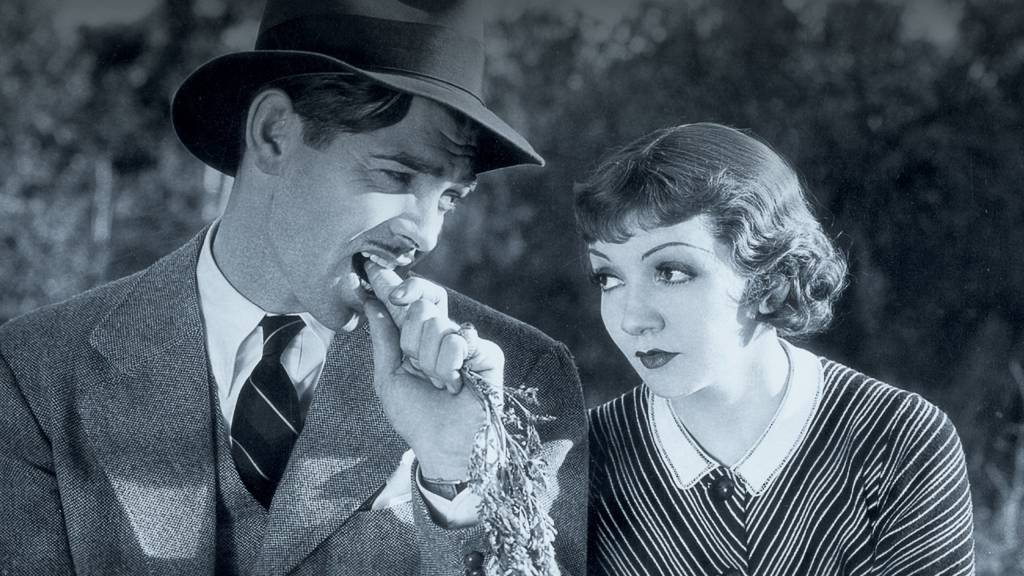
It Happened One Night is an Academy Award winning film that still has a high profile for a production made in the Thirties. It’s one of those movies that can be safely recommended to those who are interested in early classic cinema, and its the first film so far from all the Oscar winners that I was already a massive fan of.
But revisiting a few old friends is going to be part of this journey, and so it was joyous to dig out my own copy of this and put it in for the umpteenth time. And, unsurprisingly, it’s still brilliant. Rewatching it is also a reminder of why it’s hard to find anything new to say that hasn’t been said dozens of times before in the 92 years since it was a hit. This isn’t a complicated film: what it does is really quite simple. But it just does it so, so well.
Not that everyone seemed to notice when they were making it. Filmed at Colombia – then one of the lesser studios -, Frank Capra struggled to cast the leads for this film. Many weren’t impressed by the script, or the prospect of working for a minor studio. In the end, Colombia’s boss Harry Cohn agreed to stump up the extra cash to persuade a sceptical Claudette Colbert to sign on. For Clark Gable, appearing in this film was intended as a punishment: a contract player at Warner Brothers, he was loaned out to the cheaper studio to stop him getting big ideas about how important he was. The hasty four-week shoot also seems to have been difficult, with Colbert especially glad to get away once the final scene had been completed.
This all feels so bizarre watching it now, given how well executed it all appears on the screen. Yes, on paper the story of opposites meeting, turning from antagonists to lovers thanks to a set of obstacles is a hokey cliché (and was even seen as such at the time) but the presentation of this simple set-up is perfect. Colbert is able to invest her arrogant rich girl with a real sense of charm, her stubbornness may well be petulant but it’s also curiously endearing, while Gable’s everyman walks the fine line between cynicism and decency and makes it look effortless. It’s incredible how quickly the film gets us to root for both of them.
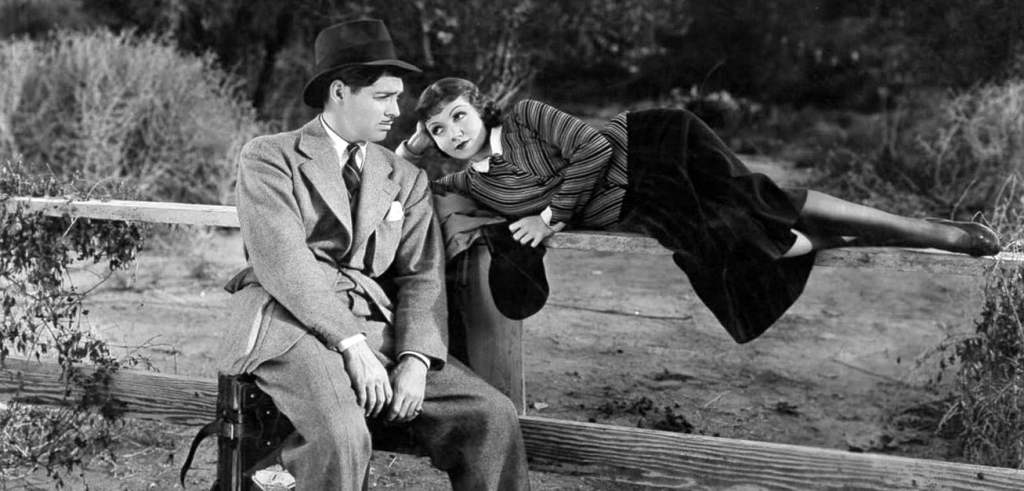
Key to this is the script. The humour has not dated at all – it’s still an incredibly witty piece of work. Everything in the comedy is rooted in the characters, not a laugh is wasted, every single one is geared towards getting us to like and understand these protagonists. There’s a lot of commentary about this film centred on whether it counts as a true screwball – because there’s nothing more unending than a debate about what exactly a film genre is – but if it isn’t quite screwball yet, it’ll do till the actual thing comes along.
Certainly the classic scene where the two leads discuss how to hitch-hike has incredible screwball vibes. The repartee is fast and incredibly funny. There’s an energy in how they’re interacting with each other that is utterly compelling, it’s obvious they belong together even if they themselves don’t quite know it yet. It’s unpredictable, silly, and it ends with a little bit of sexiness. Just a year earlier, Cavalcade had extremely mannered posh types ruminate on the bittersweet nature of love; this just has them falling in love via funny, relaxed relatable dialogue. Instead of watching a couple be melancholy and make stoic declarations together, we watch these two improvise to fool detectives, laugh and tease each other, and even share in their thoughts as a hung sheets divide them in the bedroom. I know which one I prefer and which has also passed the test of time better.
The need to shoot quickly and cheaply meant that the production did a lot on location, eschewing the time-consuming business of building many sets. This has an added bonus of making everything seem even more real and alive. So far in watching these Best Picture winners a quality that has been hard to shake off is the “theatrical”, the storytelling feels like it’s taking place on a stage. Not here: we’re out on the open road, and it makes the experience more cinematic. In this regard, as well as in the handling of love, watching this film immediately after Cavalcade is like an extreme form of big-screen whiplash: the differences could not have been more stark.

Frank Capra’s sentimentality and heart-warming humanism are perfectly judged here. It never becomes too mawkish, or feels like the director is desperate to let you know that he sees the good in the common folk via a cloying romantic caricature. The singalong on the bus just looks like fun, so, of course, it’s going to bring people together in enjoying it.
Robert Riskin’s screenplay is a masterpiece of taking us on an emotional journey, without ever doing anything that might upset the enjoyment. Watching Gable mistakenly think the woman he’s about to propose to has been lying to him the whole time is witnessing a perfectly realised little cinematic heartbreak – judged just right to set us up for the feelgood ending.

Alongside all these great aspects of the film, there’s probably one other element that helped it win the Oscar. The little film that nobody really seemed to believe in didn’t do great business on release. It didn’t do too badly either, but after a few weeks, cinemas began the usual process of replacing it with newer films. Except the few screens that still showed it started filling up. People were returning to watch the film again and again and again. Word of mouth was so strong that more people begun checking it out, and once they’d seen it, they started recommending it. Suddenly the film was a massive box office hit. As Capra himself put it, “the people discovered that movie” – and there are few films more beloved than ones that folk joyously discover for themselves. That story of success probably helped swing the Oscar its way.
As a sidenote, it’s interesting that this film beat fellow nominee The Thin Man to the Award, because there are many parallels between the two. The wealthy leading lady and the charming drunk are likeable, funny characters on an adventure. Where Nick and Nora Charles are solving a crime, these two are falling in love. With Hollywood censorship in the process of becoming all-pervasive, both these films seems to trying to find ways for men and women to have fun together that isn’t going to offend the self-declared Legion of Decency. There’s flirtation and innuendo, silliness and wit, but nothing overtly immoral. Its a good formula to try, even if few films that followed come close to these two.


One thought on “One Best Picture After Another #7: It Happened One Night (1934)”