If you had told me earlier in the year that one of my favourite cinema experiences this year would be a set of long-form documentaries about subjects ranging from political institutions through bureaucracies to libraries, galleries and fine dining, and that I’d not only go and see several such documentaries three or four hours (and sometimes more) in length, after finishing one I’d want to see the next one pretty much right after? I would have laughed in disbelief.
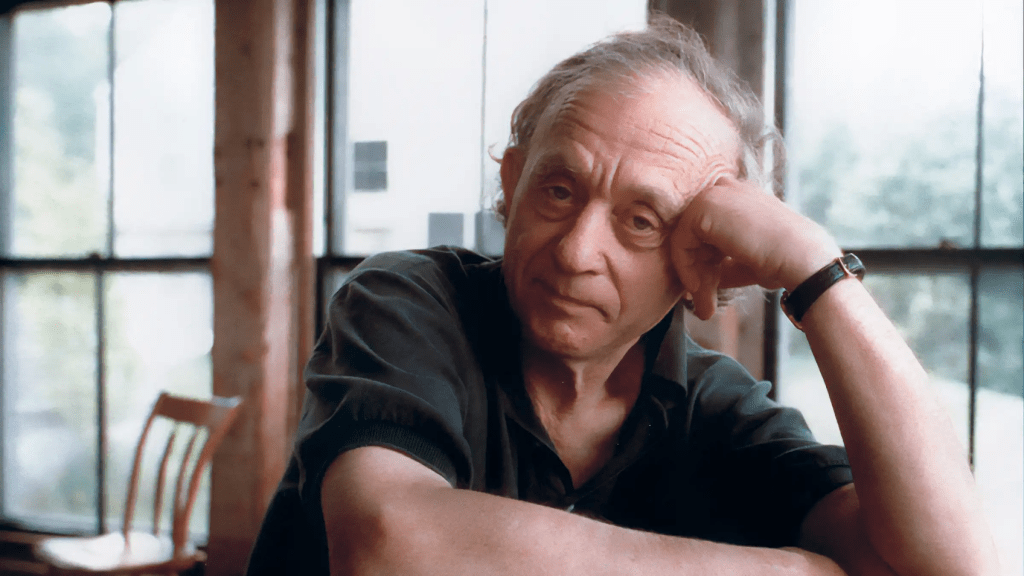
Well, call me a convert: a one-month curated programme of documentaries by Frederick Wiseman, who died last February, turned me from someone who had heard of Wiseman into a card-carrying believer.
Admittedly, part of the appeal was that the best cinema in town is one of the coolest places to be, and not just metaphorically: during a heatwave that seemed like it just wouldn’t end, what better place to spend a hot day than in a cinema with temperatures 10-15 degrees below the sweltering heat outside? And what better time than this to spend up to 272 minutes (excluding the intermission) feeling blessedly cool?
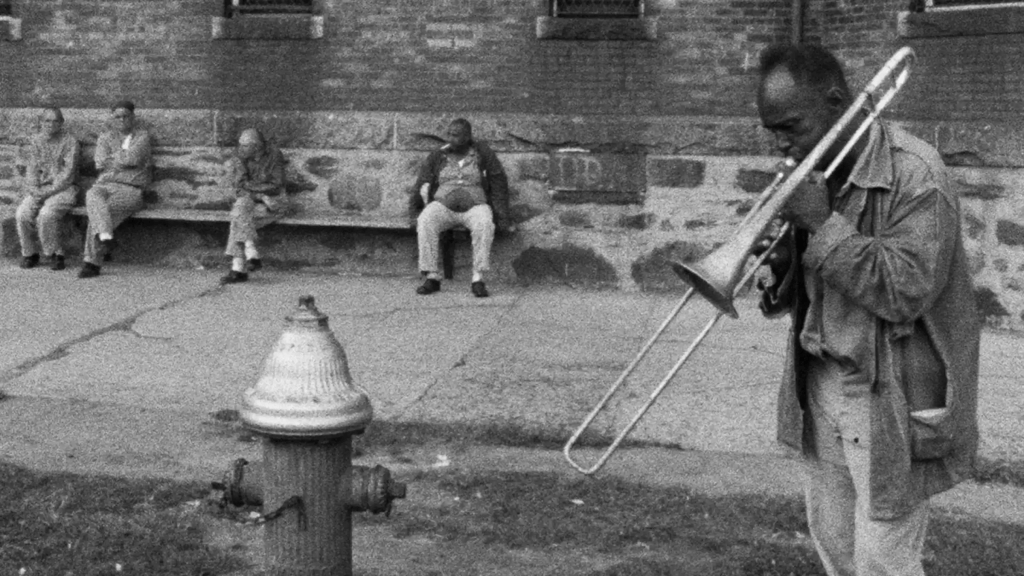
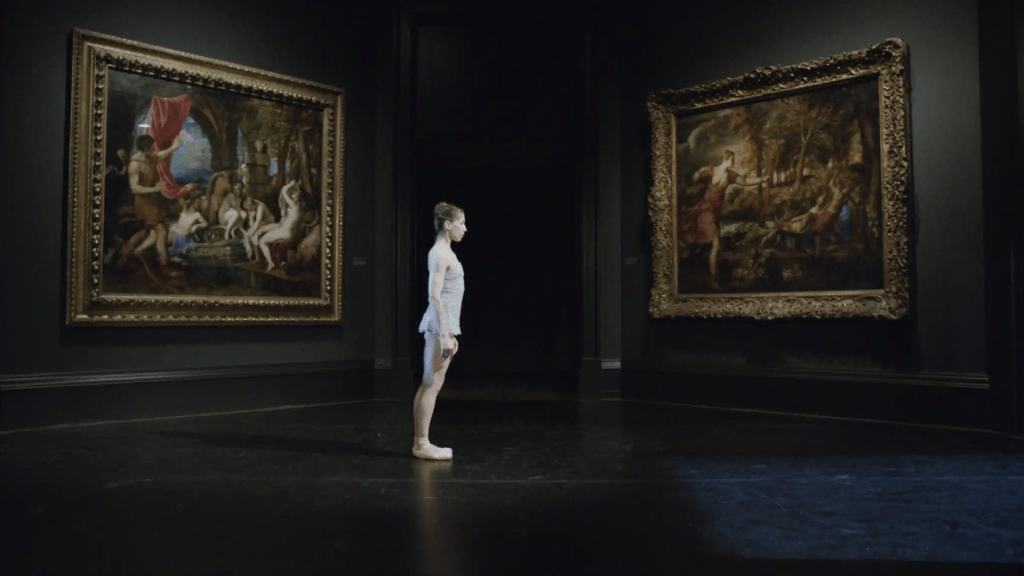
Heatwave or not: when the Cinema REX announced their Wiseman series, I was curious, but in a rather abstract way. I don’t consider myself much of a fan of documentary films; I wouldn’t outright avoid documentaries, but I’d say that, for me, fiction is where it’s at. I’ve come to appreciate documentary filmmaking more in recent years (again, in no small part due to the REX and its fantastic curation), recognising that its potential for storytelling is considerable in the right hands, and I remembered seeing the trailers for Wiseman’s Menus-Plaisirs a few years ago and thinking that it looked interesting. But, I thought, we’d perhaps go and see three or four of these films. One of the older, black-and-white ones, that French restaurant one, and perhaps National Gallery, seeing how its subject is one of my favourite museums in London.
What I didn’t expect was the extent to which I would become downright addicted to the way Frederick Wiseman’s films feel like gateways to other worlds. Before watching any of them, I’d read about his observational technique, which has been described as “direct cinema” (although apparently Wiseman didn’t like the term itself). At a glance, it seems neutral: the films don’t use voiceover, they don’t have ‘talking heads’., and they don’t even use captions to help the audience orient themselves. What exactly is it we’re watching at any time, and how does it fit into the larger whole? We observe as if we’re new to these places – which we are: few of us have ever found themselves in New York’s Metropolitan Hospital Center, or in one of the almost 100 locations that make up the New York Public Library, or in a Michelin three-star restaurant in France, for hundreds of hours, just watching. Obviously, the films themselves are not hundreds of hours long – some are just over an hour, though most are at least three hours in length -, but once you become attuned to their rhythms, they feel exactly the length they need to be. It is the accumulation of observations, the repetitions (returning characters, conversations that pick up on earlier conversations, processes that happen several times, sometimes with subtle variations), that make for an almost hypnotic and utterly engaging experience. You’re not just watching these places and institutions and people: you feel like you’re there in the middle of it all. In a way, you are: if you’ve spent several hours watching the ins and outs of Boston’s government or the community of Jackson Heights, Queens, the window into these worlds becomes so big, you forget about its frame.
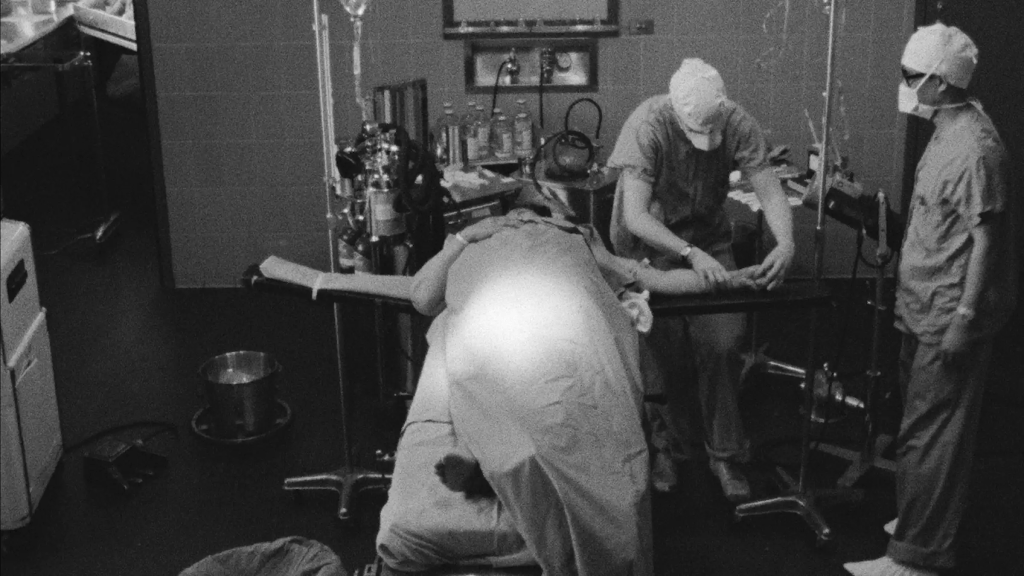
Wiseman’s technique seems at first to be minimally invasive: the camera is rarely ever acknowledged, making the viewer forget at times that, especially in the early films, it must have been disruptive to have crew, cameras and microphones taking up considerable space – these particular flies on the wall must have been difficult to ignore, but somehow Wiseman seems to have managed to make himself blend into the background. This should not be mistaken for guilelessness: we are not watching unfiltered reality. In his editing, and in a remarkably low-key way, Wiseman shapes his material, telling us stories that accumulate to form a world. There is a sprawl to many of the director’s films that makes for a very different experience than a more overtly focused, authored documentary: the pointillism of the individual scenes that range from the banal (I’ve seen more budget meetings in a month of Wiseman films than in my entire professional life) to the harrowing (Titicut Follies, which depicts the prison-inmates of the Bridgewater State Hospital for the Criminally Insane, features a sequence that cuts between the force feeding of an inmate and that same inmate’s body being prepared after his death) slowly turns into something almost hyper-real as these small, focused observations add up into a grand canvas.
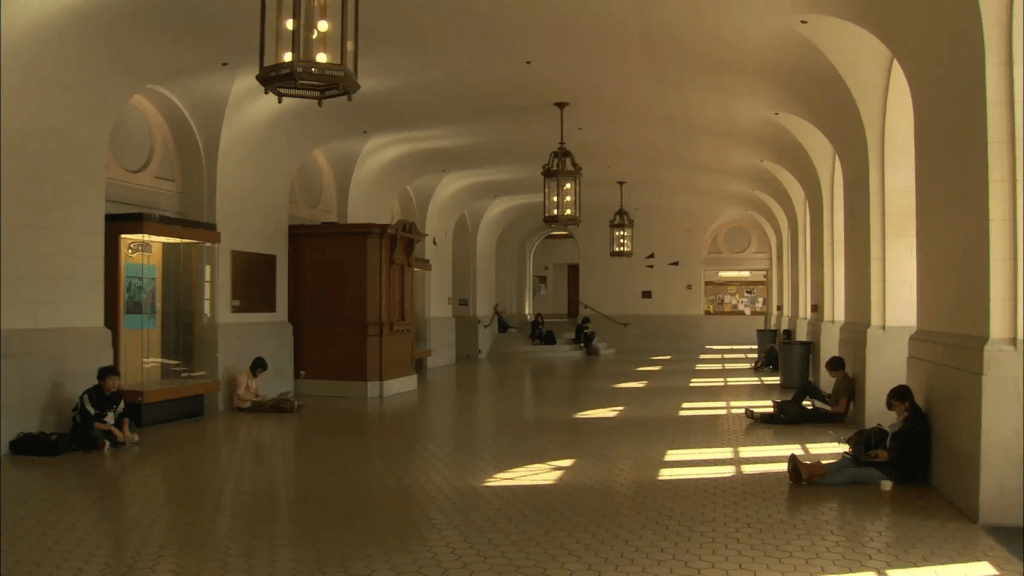
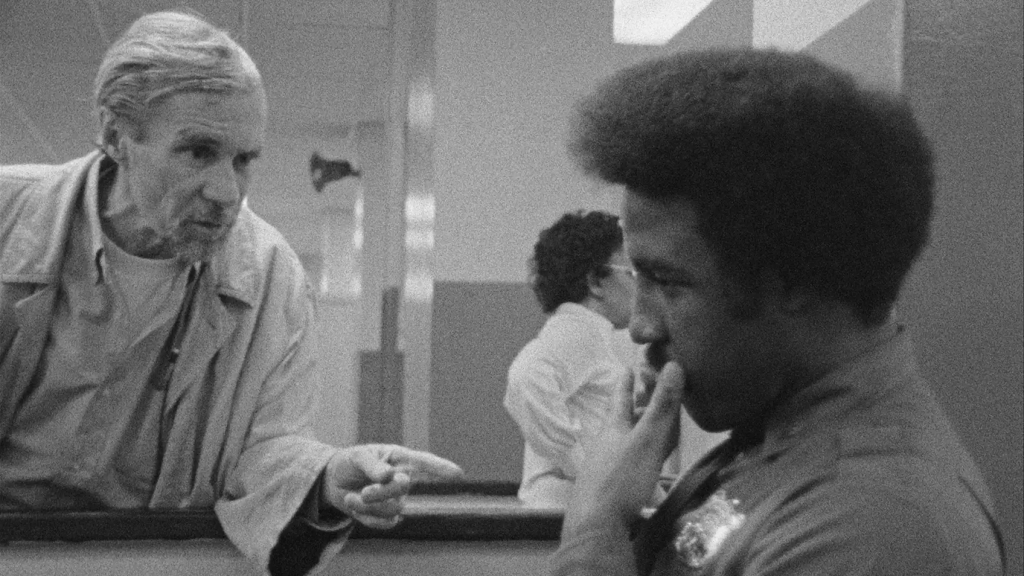
Over time, it also becomes easier to grasp Wiseman, his interests and his development as a filmmaker, in his subjects as much as in what he shows and how he shows it. This is perhaps a more slippery aspect of Wiseman’s filmmaking: again, the observational technique can leave us with the impression of a filmmaker trying to depict reality objectively. But repetition makes our eyes and ears attuned to what Wiseman chooses to show and tell. The steady, arduous work of institutions, for good and for ill; the constant, banal struggles, the small triumphs and the defeats that can be life-changing for some and everyday for others. Of the films I’ve seen during this programme, it is Welfare (1975) that stands out most: it is perhaps the perfect match between the subject (Waverly Welfare Center in New York City) and Wiseman’s technique, with many of the most memorable characters and conversations (and even monologues!) in this series of documentaries, and the many stories coalesce into something so thematically tight and rivetting to witness that wouldn’t be out of place on a stage. Welfare is a perfect illustration that a documentary doesn’t have to use well-worn techniques such as voiceover narration or people talking straight to the camera in order to make a statement – and a complex, nuanced statement that has a striking focus and force.
There were times when I very much didn’t want to be there in one of Wiseman’s worlds: the sheer mass of observations charging you to consider what you’re seeing and form your own opinions can become almost overpowering. But in the end, I didn’t regret a single minute I spent in these places, with these people. The films of Frederick Wiseman feel rich and generous, in their subjects as much as in how they look at these locations and institutions and people. There is a humanism to Wiseman’s filmmaking that feels both old-fashioned and bracingly radical: how often do films take the time to just observe, and how often do they invite us to join them, for hours on end, without telling us in clear terms how we are to feel about what we are watching? Wiseman’s many worlds are well worth the time it takes to visit them. In the end, it did not feel like I had given dozens of hours to the films of Frederick Wiseman: instead, it felt like they had given all this time to me.

 A Damn Fine Cup of Culture