Welcome to Six Damn Fine Degrees. These instalments will be inspired by the idea of six degrees of separation in the loosest sense. The only rule: it connects – in some way – to the previous instalment. So come join us on our weekly foray into interconnectedness!
Note: while I conscientiously try to avoid spoilers in this short review: if you want to go in clean, you may want to come back to it later, as small spoilers on London Falling are inevitable in the text below.

There are always dilemmas inherent in trying to tell, what you could loosely gather under the umbrella of “true crime” stories. A lot of them to do with the ethics of telling these stories to begin with – but significantly also with the approach. Perspective and memory are not just notoriously unreliable on their own, but they also have the slippery tendency to change over time. For narratives to diverge from one another, until all that is left are piles of stories and perspectives, like pebbles on a beach. Impossible to, in good faith, gather into one linear true crime narrative which leads to one distinct binary solution. Real life is not a detective novel. Questions linger and remain. Threads go nowhere. Seemingly throwaway details take on an ominous significance, whether they deserve to or not. And loved ones are left behind in limbo, to try and deal with uncertainty on top of the unimaginable loss.

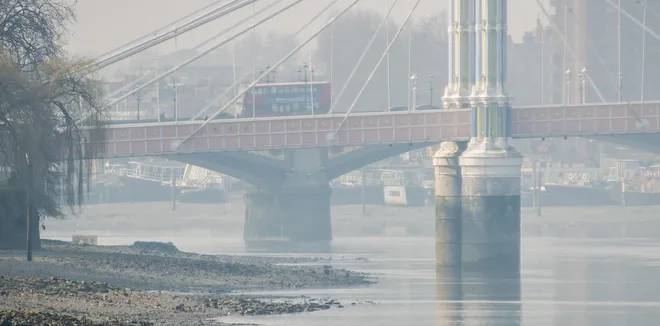
When Zac Brettler, barely out of his teens, is found deceased in the Thames in 2019 and it looks, on grainy footage from the security camera on the opposite side of the river, very much like he jumped: that is merely a headline. There is always more to such a story. Much, much more as it turns out, and in his new book London Falling, Patrick Radden Keefe sets about to not just tell this story, but to contextualize it. The book is only a true crime story in the sense that it deals with a tragic death, that may be a crime. Though what kind of crime, and whether it is a crime in the way we’re used to reading about, in such narratives, is in itself an object of the investigation.
The author is frank about the perspective he chooses, and how he has decided to string all the loose beads of the narrative together. In the epilogue, and throughout, he is clear that the devastated parents are the thread around which this book is woven. We read their initial impressions, even if we later learn that their impressions turned out to be incorrect. We read of their questions, even if the book does not necessarily provide us with the answers. As there are contemporaneous notes and recordings, explains the author, it is possible to tell the story in this way. We read of their family history, in depth, in several asides that may not pertain to the tragedy directly. But all by themselves would be worth an entire book, as the author justifiably points out in the epilogue. And the crime itself, if it was a crime, is similarly threaded into a larger tapestry, which is not just the backdrop to this particular tragedy, but also tells a larger story, about London, its money, and its dark side.
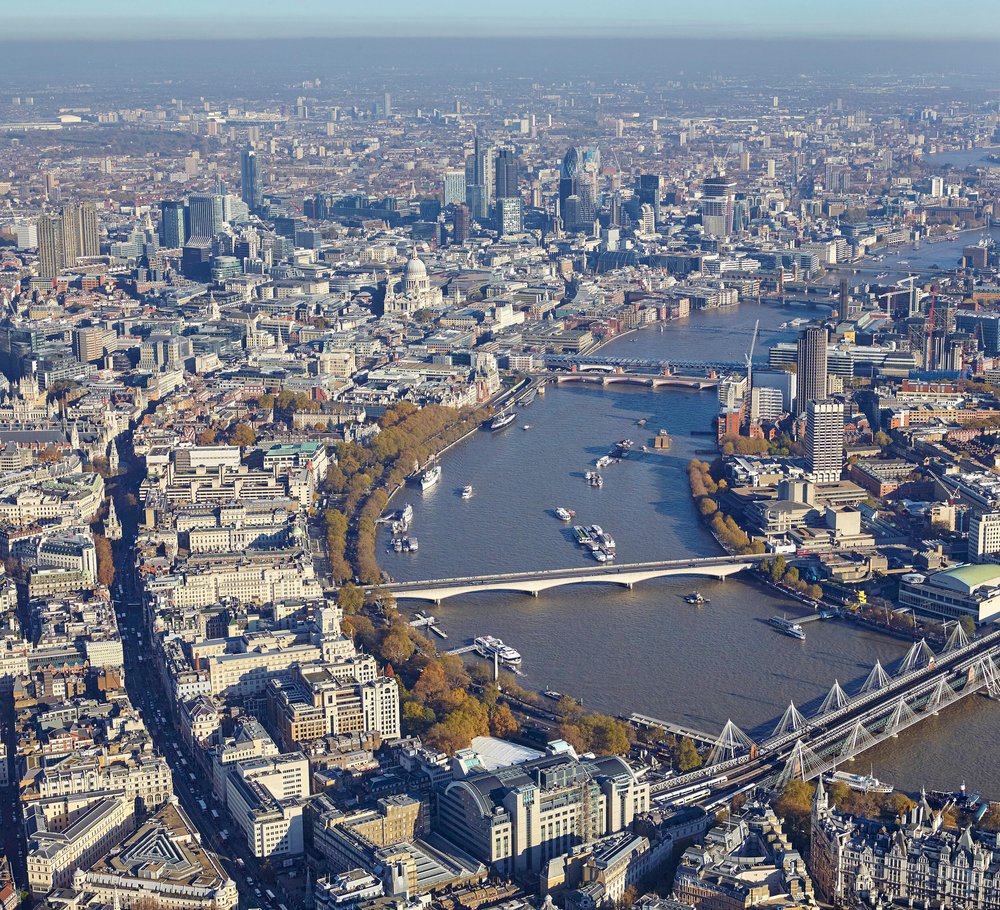
This larger story is brought into sharp relief because, when Zac Brettler goes missing and an investigation is ultimately initiated into his death, it turns out that he invented a whole other life for himself. A life in which he is not just a smart kid from a reasonably affluent family, but a whole elaborate fantasy life in which he is not just rich, but unimaginably, fabulously wealthy. The scion of a powerful family of oligarchs, no less. With the sort of excessive glamorous lifestyle you only acquire if you operate outside the law, or are prepared to deal with those who do. Pure invention, a pack of lies frankly, which will ultimately lead him onto the precipice. In the tangle of the investigation, police will come up with one conclusion, the family will focus on another. The book itself will also pose a theory of the case. But regardless of which perspective, which theory, or whose version: the immutable, stark, deeply tragic fact remains. That Zac stumbled ever forward into that darkness, and it would end his life.
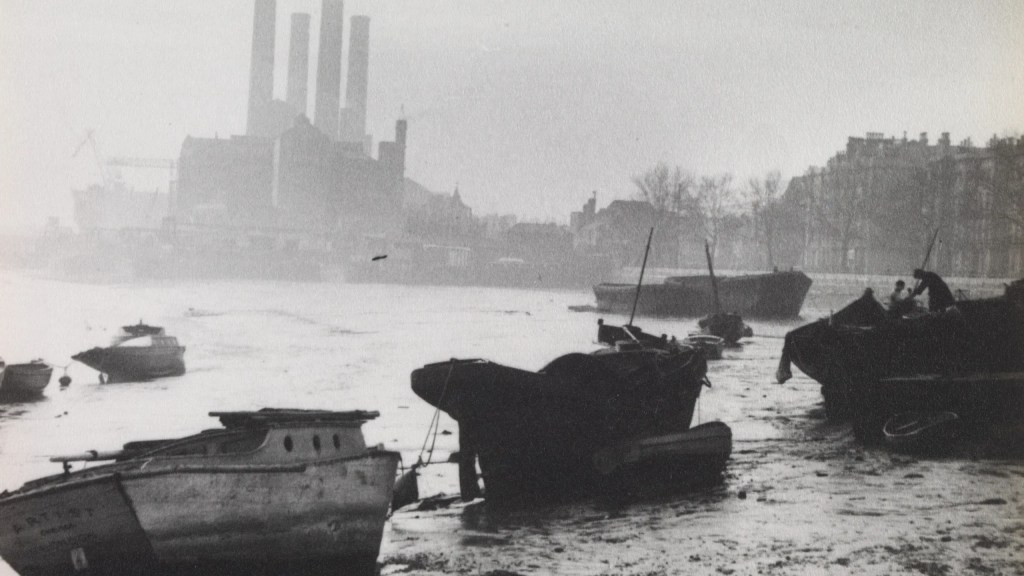
The book, is a particularly fascinating entry in the genre. Radden Keefe’s books are highly recommended anyway, (especially 2018’s heart-wrenching Say Nothing). And as is often the case with his work, London Falling is less “true crime”, and more of a meditation, on how an ever-present undercurrent of fraud, corruption and greed, can infect the relatively innocent, just as much as the actual players in the sort of demimonde it deals with. How even a normal family, who may not even be consciously aware that this undercurrent exists – and why should they – can suddenly and shockingly be confronted with its excesses.
Worth diving into.
*Of note are also some of the sources, the author mentions at the end of London Falling. Books such as Oliver Bullough’s Moneyland and Tom Burgis’ Kleptopia, which I would also recommend if you want to take the nauseating and headspinning trip into the world of excessive wealth and how, and what, it corrupts.
** With the exception of the header, images are sourced from the London Museum at https://www.londonmuseum.org.uk

