The year is almost at its 2/3 mark, so this is us getting in a few more shortcuts before we enter that final third, which always tends to accelerate more and more quickly until we blink twice and it’s already Christmas… Here are some thoughts on what we’ve been watching and reading recently.
Amrum (2025)
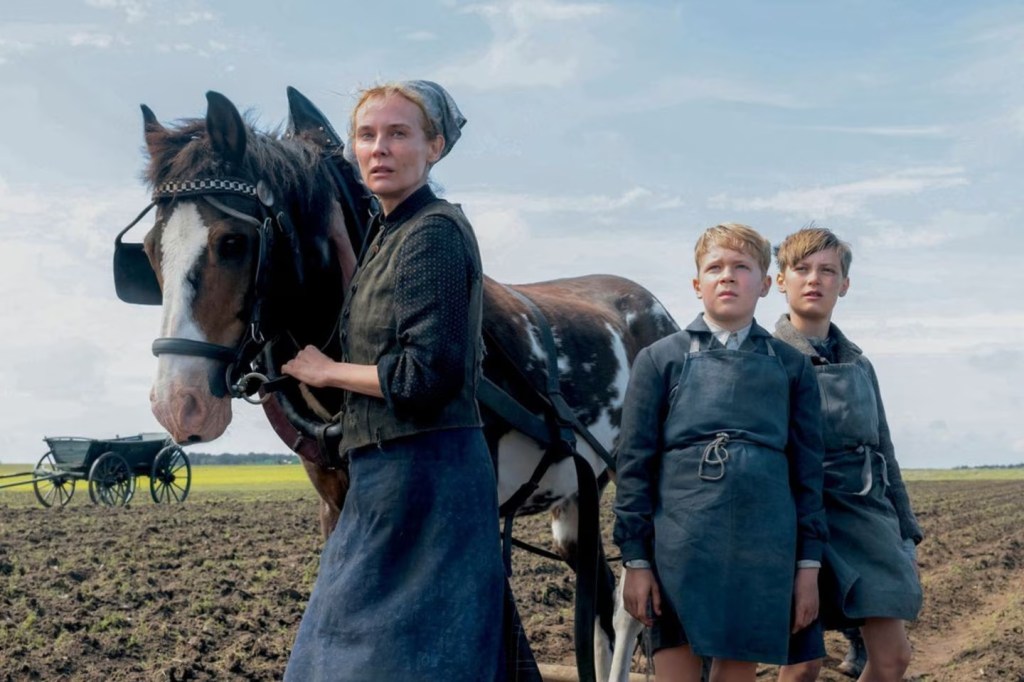
This should have been Hark Bohm’s last movie, but he was already too frail to helm his own boyhood story. Rather surprisingly, it is Fatih Akin who, based on Bohm’s screenplay, delivers a heartfelt movie about a boy who returns to Amrum from Hamburg. His family has roots on the island, but the other kids don’t much care – young Nanning is an outsider. His dad is away on Nazi business, his mother admires Hitler, his aunt finds her sister’s patriotism ridiculous – on which side will Nanning fall?
As a movie about a boy growing up on an island that is not really familiar to him, being confronted with crass ethical questions at a too early age, I liked it – it’s routinely done, and I wanted Nanning to turn into a decent man who can think for himself. And Akin certainly knows how to capture that small place surrounded by the sea. Other than that, it is another decent coming-of-age story, routinely done.
— Mege
Bugonia (2025)
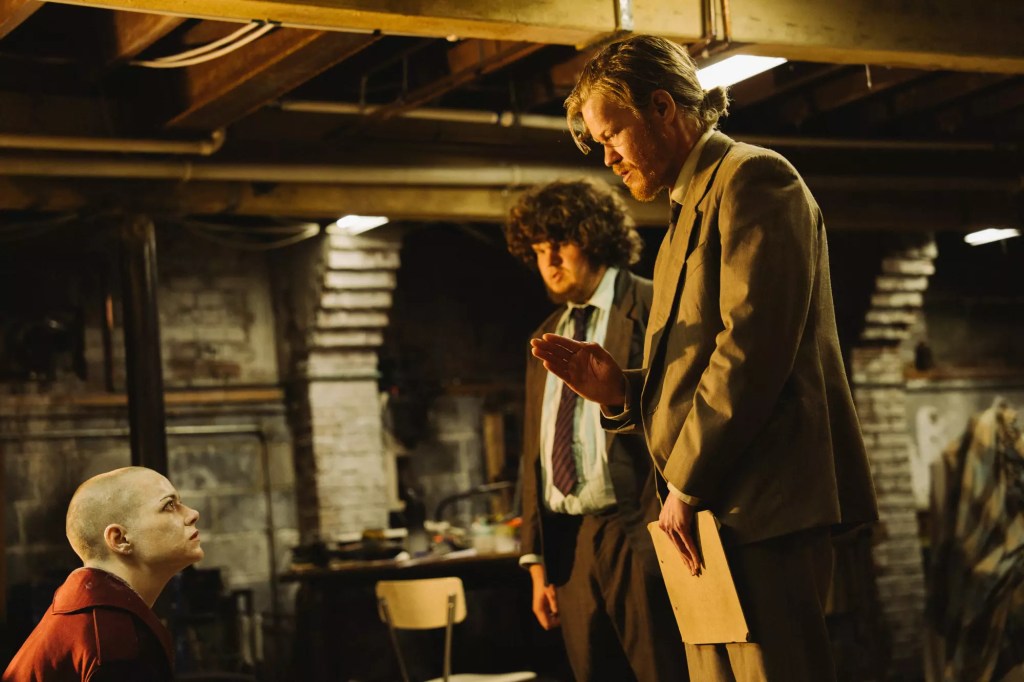
I like Emma Stone and Jesse Plemons, so seeing them deliver fantastic performances in a mediocre screenplay made me cross. And I usually find Yorgos Lanthimos’ movies good to great. Here, he tells us the slightly simplistic story of two conspiracy nuts kidnapping a CEO because they think she is from an alien race intent on taking over, or even destroying, our planet. Both parties think they are the good guys, so how will that kidnapping play out? Stone’s smarts are pitted against Plemons’ pig-headed convictions. I was interested as long as the movie was running, but there is the stale feeling during the credits that Lanthimos usually tells a much more intriguing story.
— Mege
Hamnet (2025)
As long as the movie was running, I liked it – Jessie Buckley, Emily Watson, Shakespeare and his time, what is not to like. It was only afterwards that I found that deep-felt connection that Agnes and Will both have with nature is just not enough to characterize them. Agnes is very outspoken, so she could have said more about her inner life. Will is strangely pedestrian in his speech; it’s as if he prefers to communicate through his plays. That may have worked in another movie, but not this one, where Agnes goes to the woods to give birth all alone underneath the moss-covered roots of an ancient tree. Yes, the performances are fantastic, but it’s the puzzle pieces of the screenplay that just won’t fit.
— Mege
Carol (Patricia Highsmith, 1952)
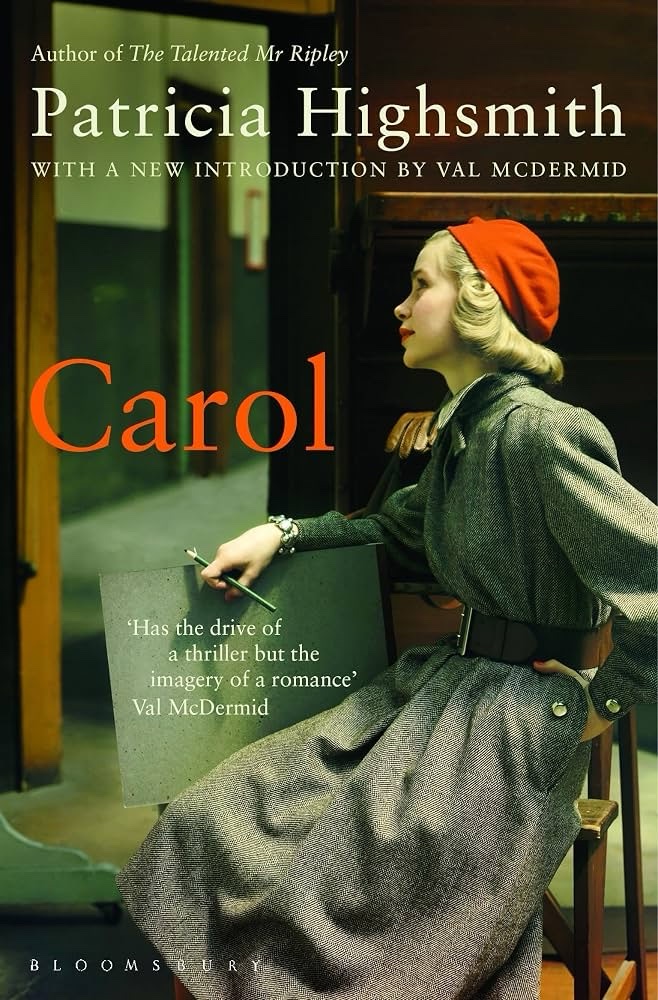
I’ve thoroughly enjoyed Patricia Highsmith‘s crime thrillers in the past and the darkly humorous setup of Strangers on a Train, and the cool genius of The Talented Mr Ripley and its sequels have all been memorable reads. Her lesbian love story Carol (published under a pseudonym and still a veritable hit for many clandestine decades), however, both is and isn’t a very different animal, and I’m finally getting round to reading and enjoying it.
What‘s not surprising about it is her precise and evocative style, but I do marvel at how closely protagonist Therese resembles the inaccessible Tom Ripley in his true feelings and motivations. Both are at times rather distant observers, yet both are also able, once triggered, to take things into their own hands, for better or worse. At times, Carol therefore reads rather like a thriller, and the suspense of course is squarely directed at the question whether these two women from very different social worlds can eventually be together. The suspense is real and Highsmith certainly at the top of her game here.
— Sam
Another look at Looking (2014-2016)
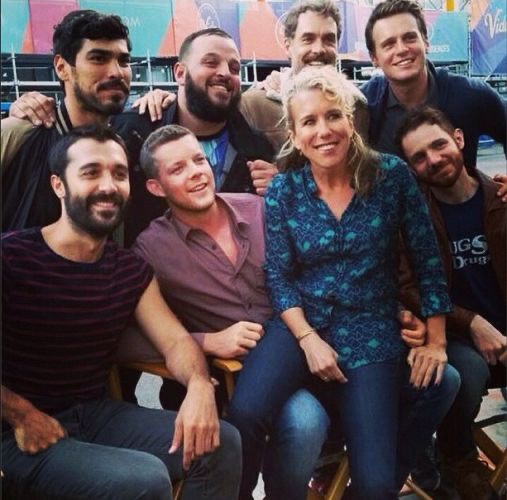
I remember the veritable outcry among gay audiences and fans of Looking when it was cancelled after two excellent seasons. Maybe 2015 was a difficult and seminal year in American culture altogether, but the loss of this show in particular felt jarring and telling of a cultural shift. Not only politically, the achievements of the San Francisco-led LGBTQ movement were entering stormier waters (despite the Obama-era Supreme Court decision for gay marriage in 2015), but the city itself was changing away from a safe haven for everyone to a tech industry backdrop, with people increasingly pushed out of neighbourhoods like the historic Castro district by housing prices and skyrocketing costs of living.
On a recent rewatch, Andew Haigh’s Looking now seems like a nostalgic look at the time just before that (before Trump, the pandemic, the next Californian tech bubble, …), when the group of protagonists are trying to realise their dreams, find love, make business ideas happen and especially maintain their friendships. Led by Jonathan Groff‘s Patrick, his friends, lovers and acquaintances (among them Murray Bartlett, Russell Tovey and Scott Bakula) entering their middle age in a city full of opportunities and confusions, survive especially because they discover the power of community and their true feelings. Just like Haigh‘s other projects (Weekend and All of Us Strangers especially), this is both utterly compelling and marvellously captured. Thankfully, instead of a third season, a final movie brought Looking to a satisfying, if early, conclusion in 2016.
— Sam
 A Damn Fine Cup of Culture
I will be definitely going to add Carol to my list.