Welcome to One Best Picture After Another – where I attempt to watch all the winners of the Academy Award for Best Picture, starting at the very beginning. And attempt to answer two simple questions – is the film still actually any good? And why did it win?
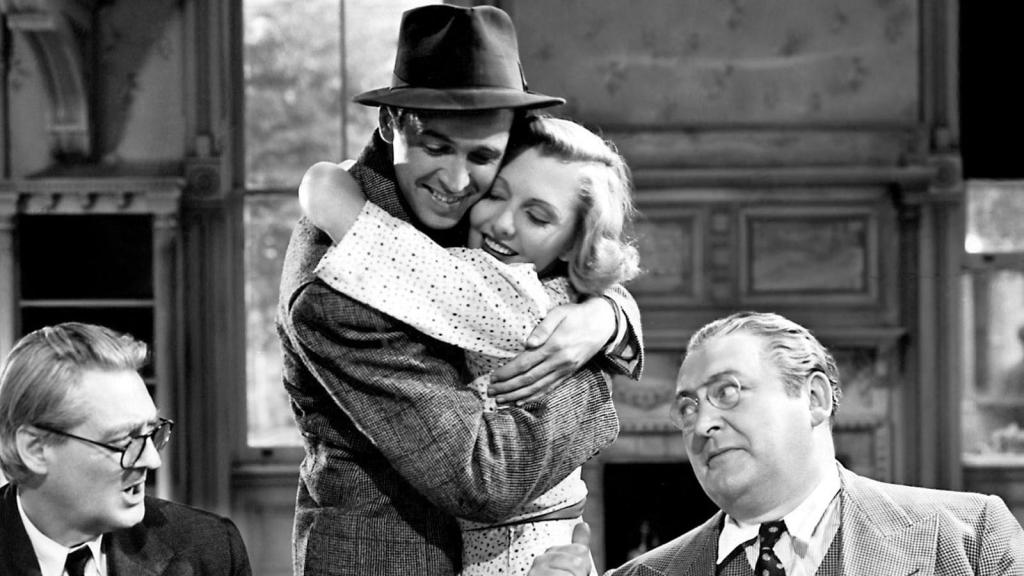
6/10
There’s a term that’s sometimes used to refer to the works of Frank Capra that I dislike. It’s “Capra Corn”. It feels too much like a sneer at the director who genuinely tried to make popular cinema, and embraced storytelling that would be emotionally engaging to the widest possible audience. I always want to push back against it, to celebrate an innovative director and his earnest attempts to make intelligent, heart-warming cinema.
But, bloody hell, he sometimes makes that difficult.
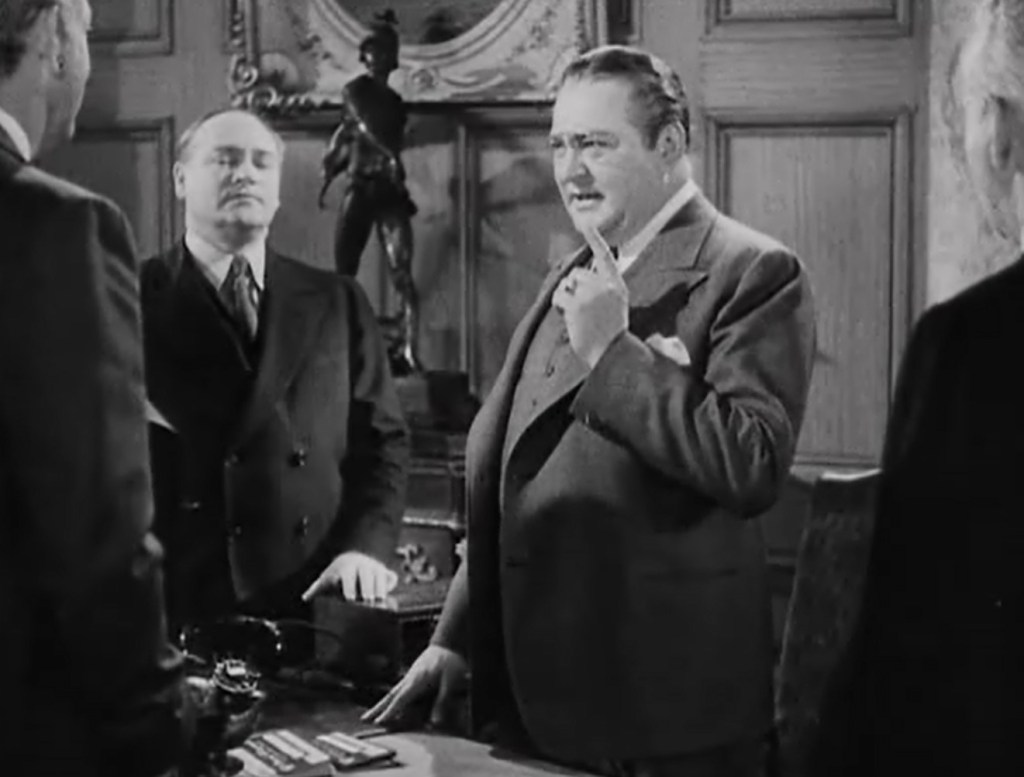
When You Can’t Take It With You begins, it is all too easy for his detractors. We’re introduced to Evil Businessmen and their bullying aides that are so two-dimensional they feel straight out of a ’60s live-action Disney film about a Talking Car or a Magic Dog. These Evil Businessmen have an Evil Business Scheme that requires them to purchase all the properties in a particular location. But one man won’t sell, meaning that the Evil Businessman is considering Evil Means to enact his Evil Plan.
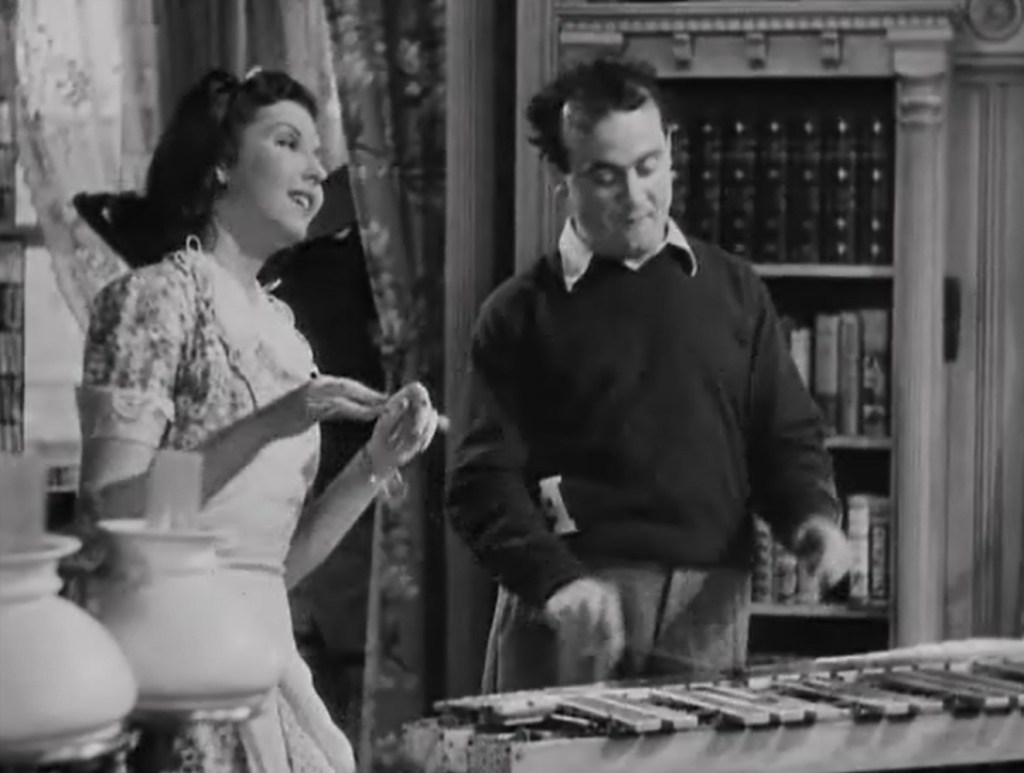
Who is the one holdout? Well, he’s a lovely old man who shares that house with a collection of lovable eccentrics. I say lovable, but as their eccentricity seems to involve a lot of annoying xylophone playing and self-indulgent dancing, it’s hard not to start wishing for the wrecking ball.
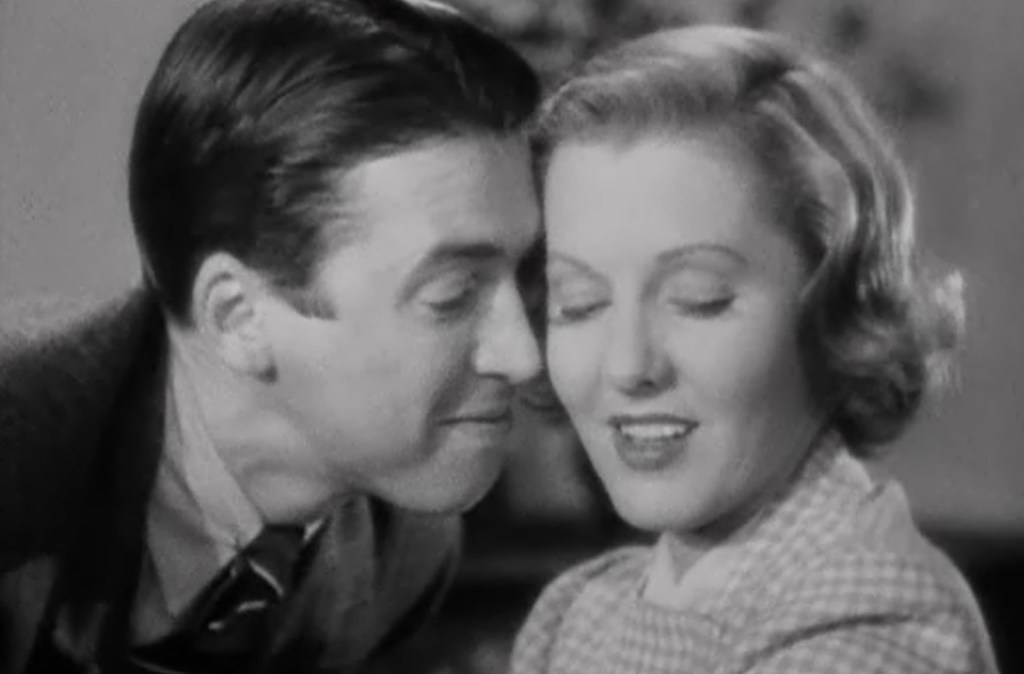
There is, of course, an added complication here: namely that Head Evil Businessman’s Son and Loveable Old Eccentric’s Granddaughter are in love. How can their relationship survive this background, and what sort of obstacles will they face when the Evil Businessman’s Scheme begins Evilling up the joint?
The answer to that is, surprisingly, not much. Whereas Capra’s earlier Oscar winner It Happened One Night had fun with a couple whose differences sparked so much of the drama, these two lovebirds are just far too nice. James Stewart and Jean Arthur play these two lovebirds, two nice people who are very good at playing nice people. There’s just one huge problem with this: whenever the film contrives to suggest that they might not get together, I don’t buy it for a second because these are two reasonable people who will clearly, inevitably talk to each other, nicely sort it out. So there’s never any real drama here.
So it’s a film with contrived Villains and Good Guys, and a very undramatic romantic couple. This is not going to be a good film, right? Well, I do have to say that, while I think this is far from Capra’s best, there are still moments in it that work. The direction throughout is subtle but constantly engaging. There’s a real craft to the visual storytelling, the way the camera moves and focuses on what’s important without ever overdoing it. Capra always did the simple stuff like framing and editing so well, you barely notice how good he is.
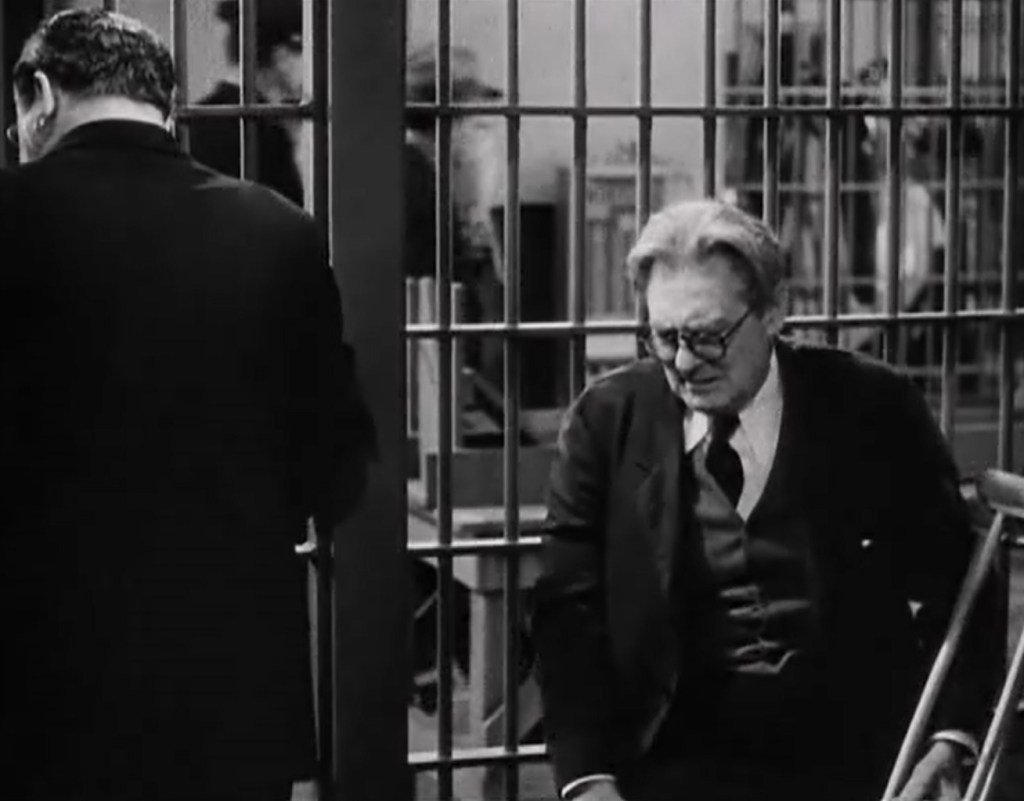
Additionally, the acting talent is great, and they have the ability to invest these two-dimensional characters with a real humanity. There’s a lovely moment where Lionel Barrymore loses his temper, rages at someone and then instantly regrets the cruel words he’s said. It’s a perfectly performed moment, and his very human regret really is quite moving. This is Lionel Barrymore’s second appearance in a Best Picture win after Grand Hotel, and both performances are great and really want me to seek out a lot more of his work.
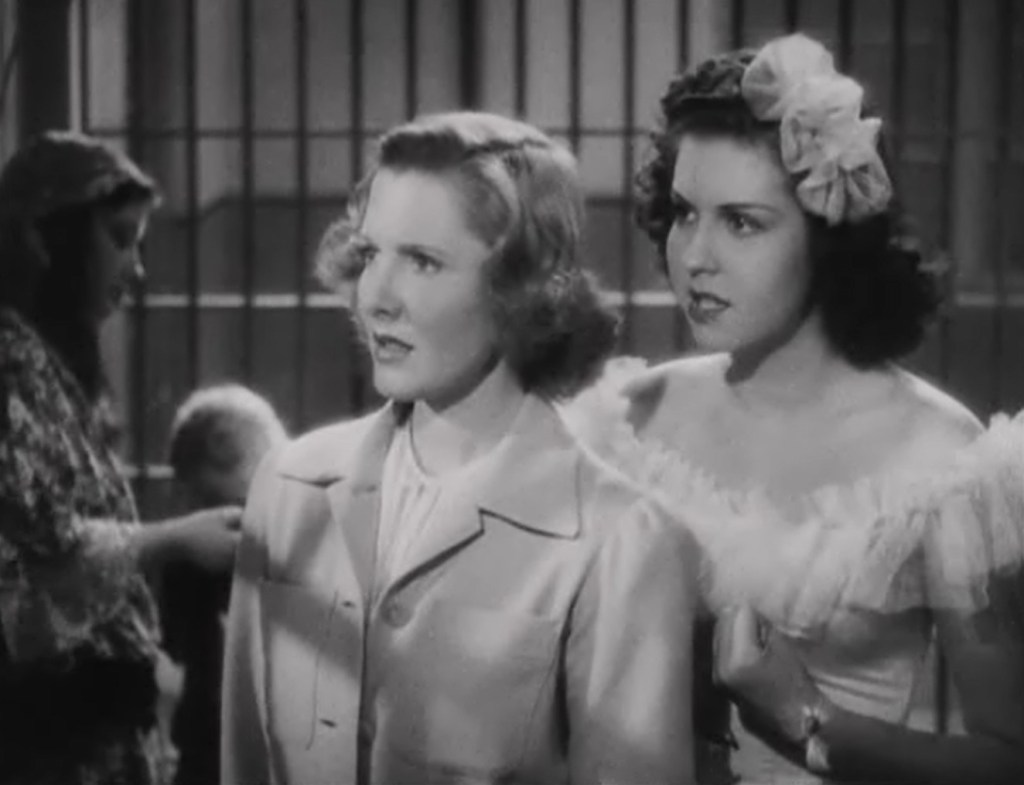
And while I moaned that Arthur and Stewart are just too undramatically nice to make their romance storyline that engaging, this doesn’t take away from the fact there are still rather delightful, delivering simple moments with real charm. In fact, Jean Arthur is especially charming throughout, playing really well against all her co-stars.
But, for me, it’s just not enough. I can find emotional moments to love in this film but the bigger emotional story is trite and the conclusion of it is surprisingly underwhelming. Also, for a story that is about the folly of the wealthy choosing money over pursuing a life they’d like, there’s nothing to suggest the supposedly “poor” family are in any way struggling. I imagine Depression-era American audiences probably didn’t want to see too much poverty on the big screen, but it rather undermines the film’s central message if there’s no discernible difference in how comfortable you are with money or without. Just a little grit in the lives of the bohemians might have helped make more of a pearl of this story.
As for why it won an Oscar: it was a commercial success on release, building on the reputation of the hit play it was based on. That play was still running on Broadway when the film came out, so the whole production must have been quite ubiquitous at the time. It’s undemanding light comedy fare was probably very much in the conservative Academy’s wheelhouse – and for 1938, its surprisingly strident anti-war message must have played well with a film industry that still wanted America to avoid the increasingly likely war.
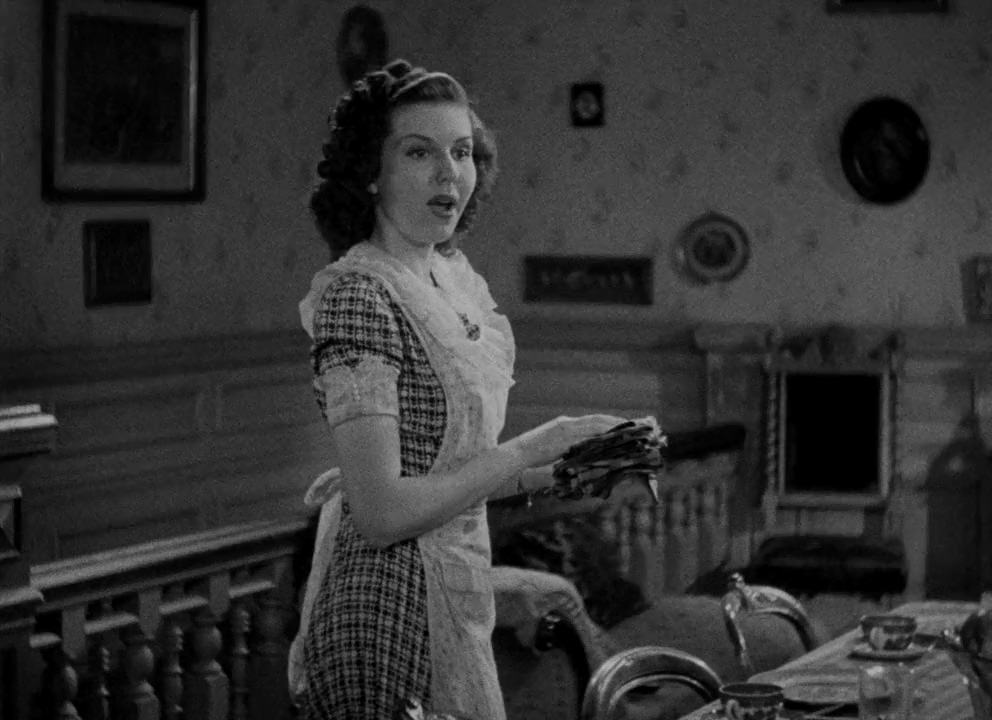
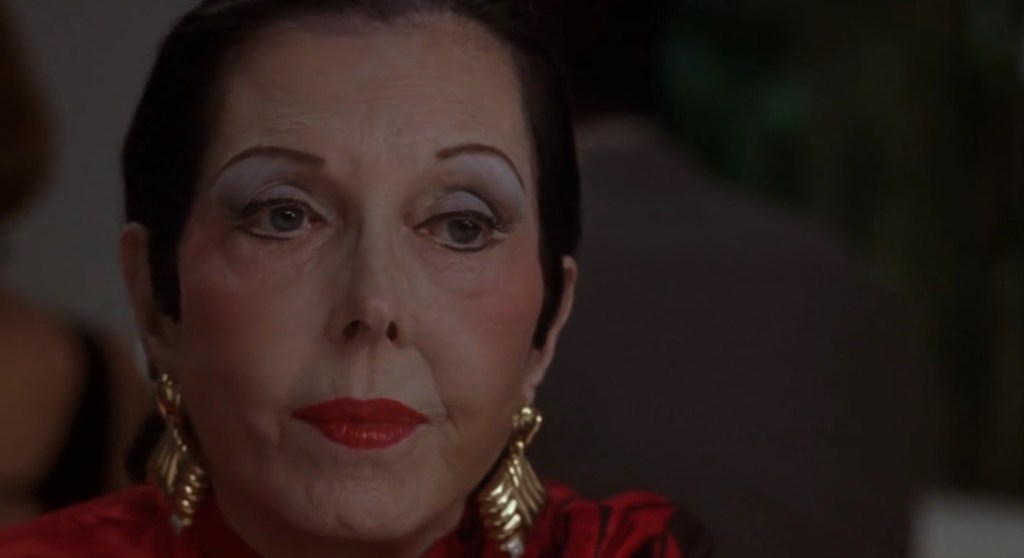
As a final curio, though, I enjoyed learning after watching this film that it stars Ann Miller in her Hollywood heyday. She very memorably plays Coco in David Lynch’s superlative Mulholland Drive, and it’s quite fun to see two very different eras of Hollywood connected by a talented actor’s performance.

