Each Friday we travel back in time, one year at a time, for a look at some of the cultural goodies that may appear closer than they really are in The Rear-View Mirror. Join us on our weekly journey into the past!
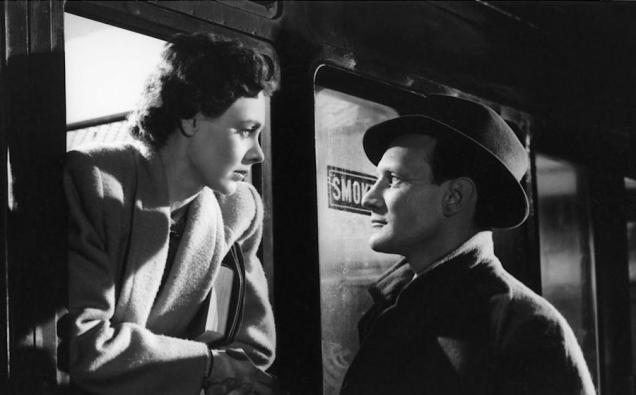
My mother was an emigrant from England. Since both my parents were from countries other than the one where I was born and where I’ve always lived, I always felt to some extent that wherever I was from, it was elsewhere – and if pressed on the matter, I would have said that I felt a connection to England and to the UK that I didn’t feel to the place my father came from. However, over the last few years I’ve very much had both an opportunity and a reason to re-examine my feelings towards the UK. Probably it started before then, but ever since the summer of 2016 it’s been impossible to avoid the escalating conversation/shouting match/toxic circle-jerk that, at its core, seems to be about identity: what does it mean to be British? What does the UK want to be? What does it want to represent in the world? Does it want to look forward or backward, outward or inward?

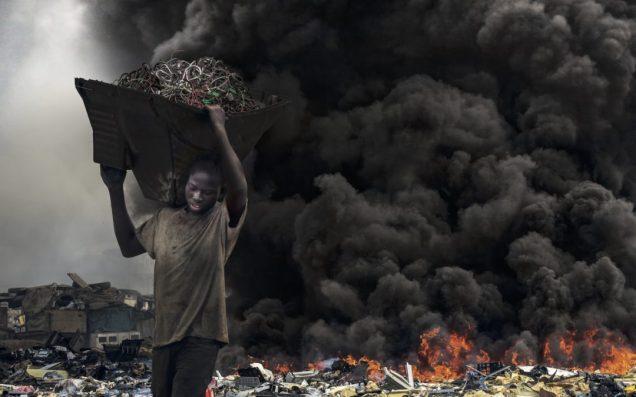 I am writing this on a laptop with internet connection. I’ve got another laptop without internet that I use for writing because if I have to research something, it might lead to unbridled surfing. You know how it is. I have owned four or five laptops before, and maybe seven or eight cellphones until now. Then there is all that hardware at work that got upgraded regularly. That must be thirty to fourty units of hardware just because of me. I am a moderate user because the digital superhighway is not my preferred means of communication, but not using laptops or cellphones makes you a hermit without wanting to be one. Even my daughter gets her homework online. So yes, I have my hardware needs, and so have you. But where do our machines go after we dispose of them?
  Each Friday we travel back in time, one year at a time, for a look at some of the cultural goodies that may appear closer than they really are in The Rear-View Mirror. Join us on our weekly journey into the past!
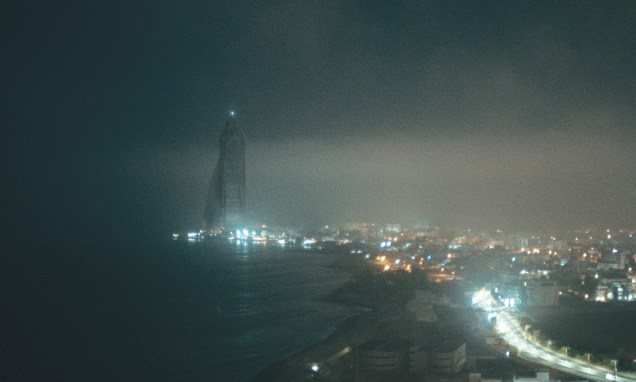 There is a gigantic supertower in Dakar, Senegal, and it is almost complete, and the men who work construction there soon have to find other jobs, especially because they haven’t seen their wages for the last three months, but work is scarce, so most of them will pay their passage on a boat for Europe. One of them is Souleiman, and he falls for a young woman named Ada, who is promised to a rich guy named Omar. Next day, word on the street is that Souleiman has left. There is that memorable scene where the women are wearing their best dresses and go to the beach hut where they hang out – and there are no men. Many of them are gone, and most of the women already know they will stay behind.
  It is finally time for us to talk about the Grand Old Wild Man of German cinema, the director who made Klaus Kinski drag a boat across a mountain, the man who directed a film where all the actors were under hypnosis and another film where Nicholas Cage may have been one of the more normal parts of the whole. Join your cultural baristas for a conversation about Werner Herzog and his films, ranging from Nosferatu the Vampyre (1978) via Grizzly Man (2005) to Encounters at the End of the World (2007).