The Rear-View Mirror: Archibald Leach (1904)

Each Friday we travel back in time, one year at a time, for a look at some of the cultural goodies that may appear closer than they really are in The Rear-View Mirror. Join us on our weekly journey into the past!

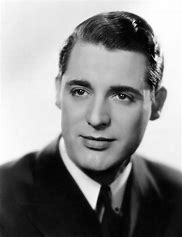
On 7 December 1931, a little known stage actor, just signed to a Hollywood studio entered an office and emerged with a brand new name. Everyone in the room agreed that the one he’d been born with wasn’t quite striking and glamourous enough for movie posters and fan magazines. And so, in one short meeting, Archibald Leach became Cary Grant.

Continue reading

The Rear-View Mirror: The Story of the Kelly Gang (1906)

Each Friday we travel back in time, one year at a time, for a look at some of the cultural goodies that may appear closer than they really are in The Rear-View Mirror. Join us on our weekly journey into the past!

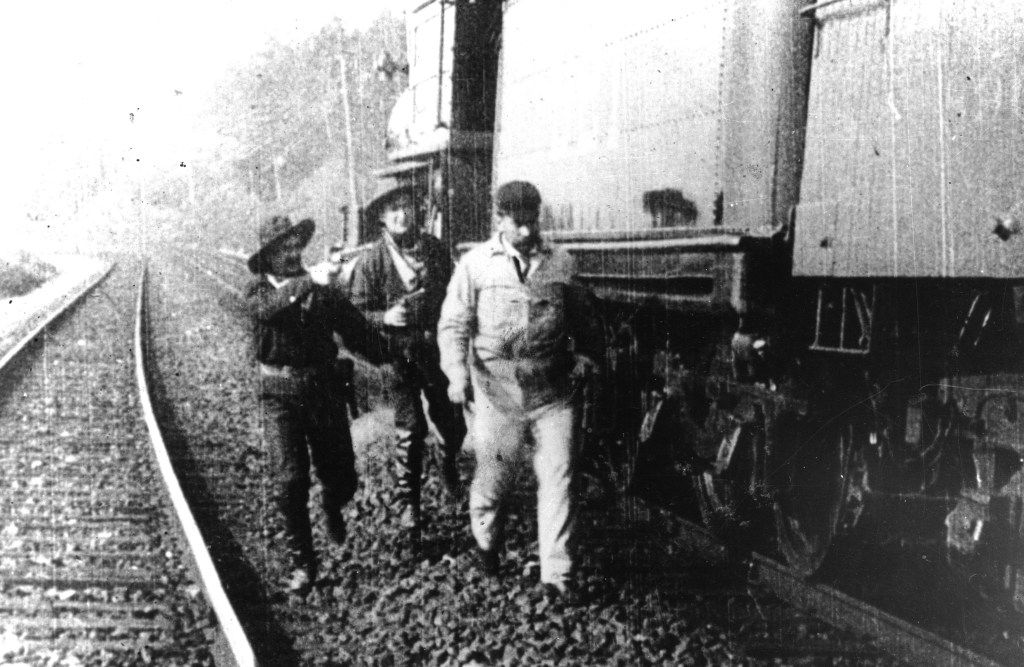
When The Story of the Kelly Gang opened in Melbourne Australia on Boxing Day 1906, it was standing room only. Advertised by its producers as “The longest film ever made”, the reels ran over 1200 metres, about an hour. Today there are those who claim it was the very first narrative feature film ever made. Of course films were made before that time, mainly shorts; the Salvation Army, for example, had released many short biblical films in Australia by 1900. Whether they were Australian, American or European films, however, they rarely exceeded 30 minutes, or about 600 metres of film.

Continue reading

The Rear-View Mirror: Rilke’s Panther (1907)

Each Friday we travel back in time, one year at a time, for a look at some of the cultural goodies that may appear closer than they really are in The Rear-View Mirror. Join us on our weekly journey into the past!

Everyone has a Rilke story, whether they realize it or not. How could it be otherwise that mine starts with that Panther behind bars. I swear, it must be a staple of a lot of movies and series just like the story of the scorpion and the frog, or the Wilhelm scream. Rilke’s Panther a story of entrapment: the panther paces back and forth, back and forth behind bars in its own hospitalistic way, because that is all it knows. It is one of many poems published in Rilke’s New Poems, published in 1907, although that specific poem might have been written as far back as 1902, when Rilke had a look at the menagerie at the Jardin des Plantes in Paris, where there was a real black panther in a cage.

Painters in the Jardin des Plantes, Paris
Continue reading

The Rear-View Mirror: Clyde Barrow (1909)

Each Friday we travel back in time, one year at a time, for a look at some of the cultural goodies that may appear closer than they really are in The Rear-View Mirror. Join us on our weekly journey into the past!

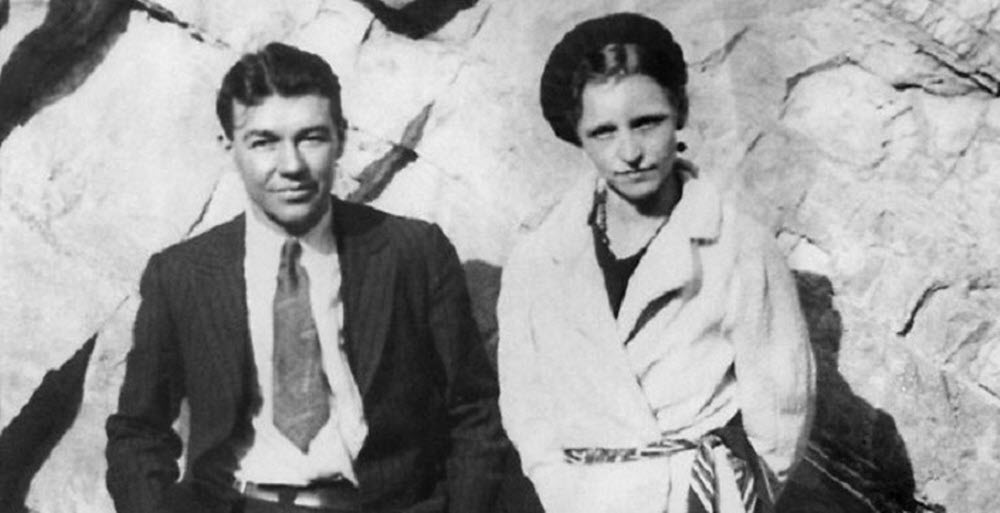
Somehow, I’ve forgotten that Clyde Barrow was a real person. Born in 1909 and shot dead in a hail of bullets only 25 years later during the Great Depression, an era that is not short of gun-wielding criminals, he is one of the prototypes of the bad boys I’ve written about some time ago. Together with his partner and lover Bonnie Pointer, he robbed more than a hundred stores, banks and gas stations. Although most of the violence came from Barrow, who shot at police officers as well as innocent bystanders, Parker never wavered in her complicity.

Continue reading

The Rear-View Mirror: Bernard Herrmann (1911)

Each Friday we travel back in time, one year at a time, for a look at some of the cultural goodies that may appear closer than they really are in The Rear-View Mirror. Join us on our weekly journey into the past!

You don’t have to be into movies all that much to have been scared by Bernard Herrmann (1911-1975). He started composing when still a teenager and also worked as an orchestrator and conductor later on. One of his first notable contributions was for Orson Welles’ original 1938 broadcast of War of the Worlds. Hermann’s music must have had a hand in the fact that so many listeners thought that the Martians were really coming.

Continue reading

Gambling away your credit

Villains are interesting because we cannot believe what they are prepared to do and then get away with their crimes while we keeping looking on, appalled, but also slightly amazed. With unsympathetic characters, it’s slightly different. My guess is that we are caught in the dilemma of not condoning their actions or beliefs, but somehow understanding them. We wouldn’t act their way because we are not them, but if we were, maybe we would make the same choices. The main character in Pablo Larraín’s Ema (2019) makes no effort to win our sympathies, but we get why she does what she does. To a lesser extent, we might also understand Francis’ decisions in Burhan Qurbani’s Berlin Alexanderplatz (2020), but chances are that we will never have to risk our lives crossing the Mediterranean, or deal with the violent antics of an adopted child.

Continue reading

The Corona Diaries: Drunk on Déjà-Vu

I

A month ago, most stores and businesses have reopened around here. That includes movie theaters, many of which show the films they were showing the day they had to close. Those films are also already out on DVD and BluRay, so you are in the luxurious position to be able to choose whether you would like to watch 1917, Onward or Once Upon A Time in Hollywood at the movies or at home. There are movie drive-ins and movie open-air festivals, the closest of which will open tonight and last until Sunday. Better times, for now.

Continue reading

The Rear-View Mirror: Lois Weber – Suspense (1913)

Each Friday we travel back in time, one year at a time, for a look at some of the cultural goodies that may appear closer than they really are in The Rear-View Mirror. Join us on our weekly journey into the past!

Even according to Wikipedia, J.W. Griffith “seems to have been the first to understand how certain film techniques could be used to create an expressive language”. Griffith is credited to have been “the first” to invent such innovations as intercutting, or even, absurdly, the close-up. However, he did not. There were many filmmakers before him to use such innovations, and during the span of his career, there were many others using these techniques to great, or better, effect. It is often difficult, seeing how much early film is lost, to determine who was “the first” to do anything. But it is certain that many early filmmakers used such techniques to “create an expressive language” before Griffith’s career was made by the massive, though controversial, success of his racist, excessive tour de force in 1915.

Continue reading

I’ll be in my trailer… watching trailers: money, mermaids, MeToo, and Miranda

Join us every week for a trip into the weird and wonderful world of trailers. Whether it’s the first teaser for the latest installment in your favourite franchise, an obscure preview for a strange indie darling, whether it’s good, bad, ugly or just plain weird – your favourite pop culture baristas are there to tell you what they think.

Read more

The Rear-View Mirror: James Joyce, Dubliners (1914)

Each Friday we travel back in time, one year at a time, for a look at some of the cultural goodies that may appear closer than they really are in The Rear-View Mirror. Join us on our weekly journey into the past!

Now that most of us have so much time to read – did you pause and think about Bloomsday the other day? That’s June 16, and it’s the day that James Joyce’s Ulysses takes place. The whole weighty tome is set on less than 24 hours. Every year, there are people who walk the city of Dublin on that day, novel in hand, and go from one location to the next.

Continue reading