
Each Friday we travel back in time, one year at a time, for a look at some of the cultural goodies that may appear closer than they really are in The Rear-View Mirror. Join us on our weekly journey into the past!
When MGM got William Powell on loan from Warner to make The Thin Man with Myrna Loy, the studio anticipated they had just green-lit a quick B-movie. Director W.S. Van Dyke was known to be able to keep to his deadlines and they managed, incredibly, to shoot the film in two weeks, with only a few days’ extension. Perhaps it was due to the spontaneity of Loy and Powell, the cinematography by James Wong Howe, perhaps is was partly because it was a passion project for Van Dyke. But far from being a throwaway comedy, it went on to secure four Oscar nominations and spawn five sequels, three of which were directed by Van Dyke himself. (MGM was never a studio to give up a lucrative formula).
Continue reading
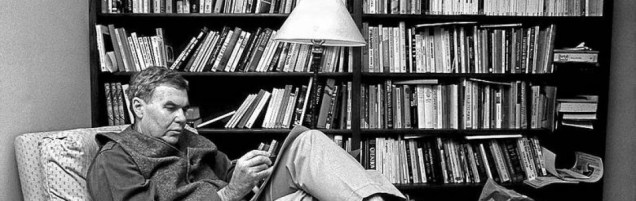 The most grassroots definition of a writer’s writer, I guess, is one whose writing you love to bits and immediately want to tell your friends about. In other words, somebody really good but still undiscovered. Katherine Dunn. Marisa Matarazzo. Esther Morgan. Sofi Oksanen. Greg Hollingshead. Rick Bass. Please feel free to add your own favourite obscure authors, and you will never run afoul of the definition above. Another, slightly looser definition might be that there is a lot you can learn from a writer’s writer for your own writing, such as dialogue from Elmore Leonard, or cliché-free sci-fi from China Miéville.
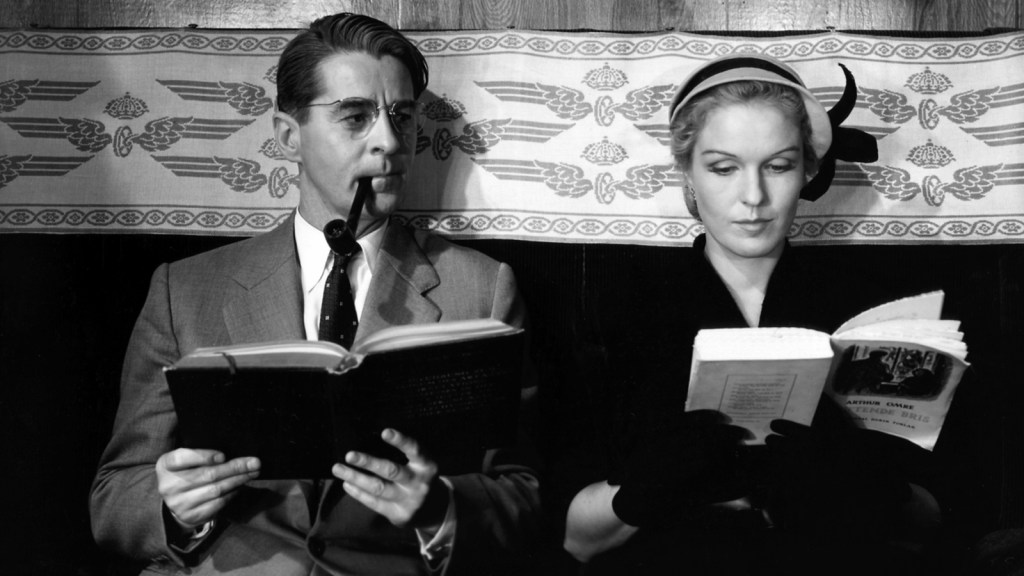


 I am writing this on a laptop with internet connection. I’ve got another laptop without internet that I use for writing because if I have to research something, it might lead to unbridled surfing. You know how it is. I have owned four or five laptops before, and maybe seven or eight cellphones until now. Then there is all that hardware at work that got upgraded regularly. That must be thirty to fourty units of hardware just because of me. I am a moderate user because the digital superhighway is not my preferred means of communication, but not using laptops or cellphones makes you a hermit without wanting to be one. Even my daughter gets her homework online. So yes, I have my hardware needs, and so have you. But where do our machines go after we dispose of them?
 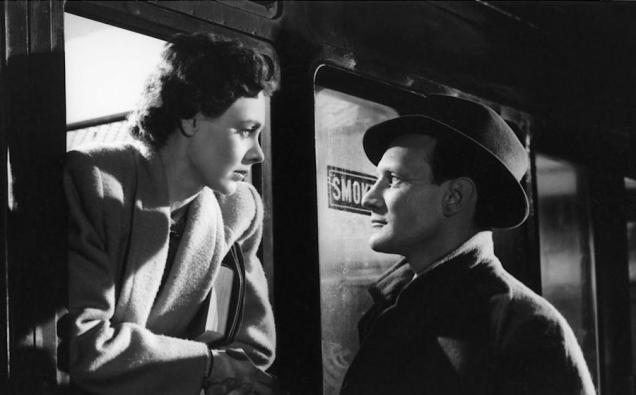 Each Friday we travel back in time, one year at a time, for a look at some of the cultural goodies that may appear closer than they really are in The Rear-View Mirror. Join us on our weekly journey into the past!
 A Damn Fine Cup of Culture