Welcome to Six Damn Fine Degrees. These instalments will be inspired by the idea of six degrees of separation in the loosest sense. The only rule: it connects – in some way – to the previous instalment. So come join us on our weekly foray into interconnectedness!
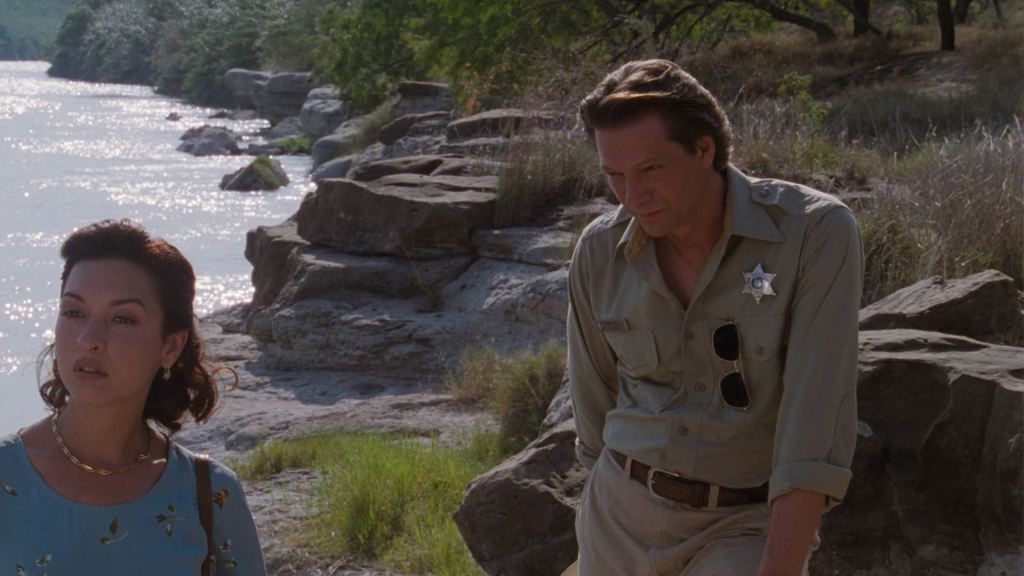
Back in the mid-’90s I was living in a shared house, and one evening we decided to rent the Tony Scott movie True Romance. We enjoyed its mix of action, violence and Tarantino dialogue – all of which seemed to match the popular zeitgeist of the time. Then we got to the ending, when one of my housemates suddenly got incredibly animated.
“That’s NOT how it ends!”
We turned, slightly perplexed. I mean, we had just watched the thing. We had all seen the same ending, with the two leads driving into the sunset.
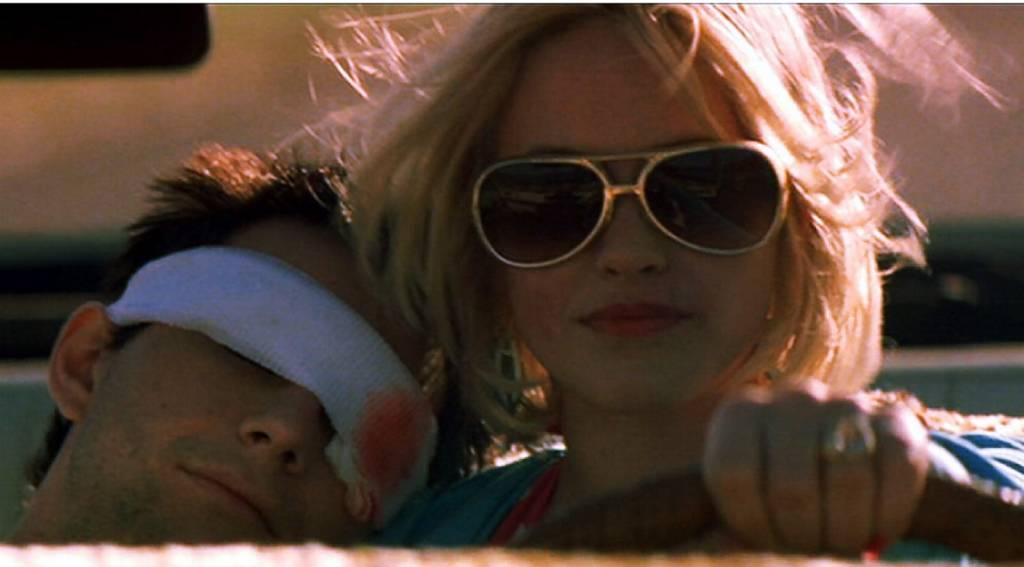
“No, no, no,” my housemate insisted. “He DIES at the end! I saw this in the cinema, that’s not how it ends.”
This flummoxed us even more. We had just seen the ending. He didn’t die. It wasn’t even ambiguous that he might have died. Nor had we rented any Special Edition or Director’s Cut – neither of which remotely existed back then. We had seen the film on VHS. Which seemed very much to be the same film as had been released in the cinema.
It should be said that this was years before everyone had routine and easy access to the internet. So, by way of research, we asked for more detail from our confused friend about how the film should apparently end.
“He gets shot. And he dies. He doesn’t get up. And she drives off alone.”
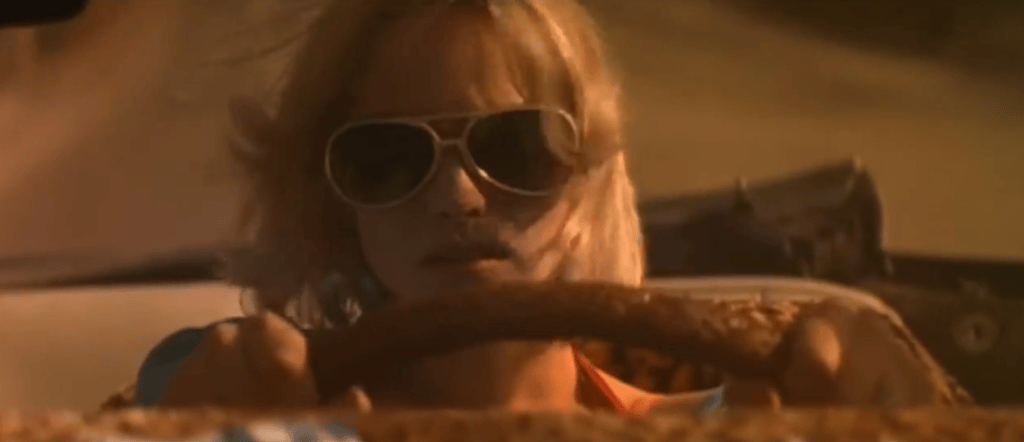
We rewound and rewatched the final moments of the film. Yes, Christian Slater’s Clarence gets shot. But he clearly survives. They clearly drive off together. Our friend was clearly imagining a different ending. Maybe he’d dreamt it? And yet the more we insisted he clearly hadn’t seen such an ending, the more adamant he became that he hadn’t imagined it. He had seen this in the cinema while on holiday, and had seen an ending where the guy died and his lady drives off alone. Since this wasn’t a Tarantino-scripted encounter, where the argument would have continued escalating until being resolved in a hail of bullets, we sort of agreed to disagree. He would continue to believe he had somehow seen an ending that clearly wasn’t in the film – and the rest of us would continue to believe the daft eejit had imagined the whole thing.
Well, years passed, and the available resources concerning movies has since grown exponentially compared to what we had in the mid-’90s (which is basically: if it wasn’t mentioned in Empire, it probably didn’t happen). And I’ve since learnt that he hadn’t imagined that ending while stuck in a filmic fugue state. It had actually existed. Tarantino had written it that way, it had been shot that way. But the director Tony Scott – and test screening audiences – had disliked it and so insisted on the happy ending.
Which basically means that my old housemate had – while on holiday in the US – somehow wandered into a test screening without realising it. Sat through the film and then wandered out before being asked anything about it. Which sounds unlikely to anyone who had never met the guy.
Or quite possible, he had just misremembered the whole thing.
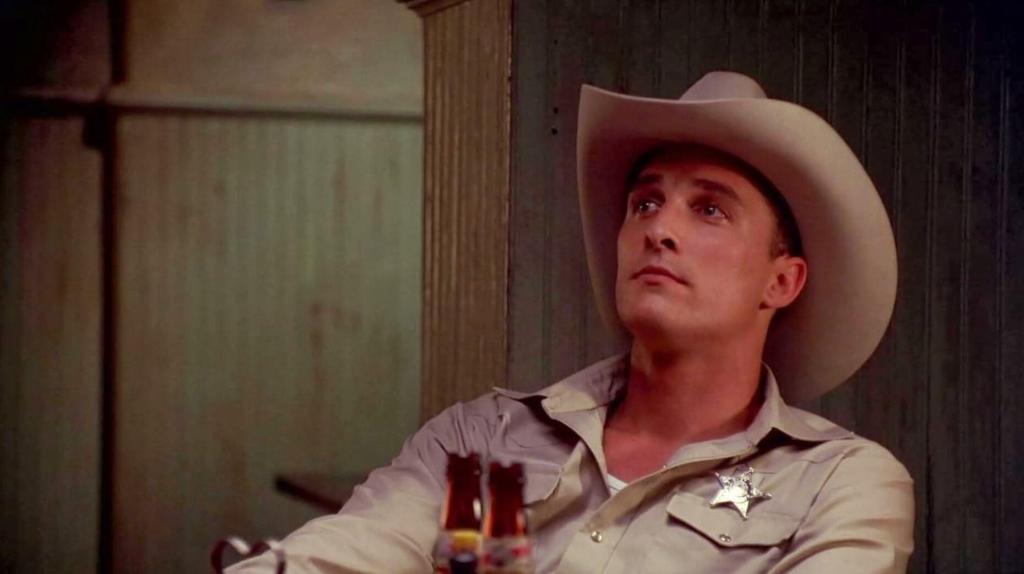
I was reminded of this incident not too long ago when the Criterion Collection released John Sayles’ 1996 neo-Western Lone Star. I remember seeing it when it came out, and really liking it. Its slow, languid pace suited the sun-baked, oppressive environment of a Texan town near the Mexican border. The story delves into how the past shapes the future, how borders shape politics and psychology. Alongside a cracking mystery that has a very satisfying resolution. Alongside a doomed romance.
A romance so doomed that I remember the film ending with a break-up. I definitely, clearly remembered the final scene – and the way it ended with a couple who wanted to be together but knew they could not.
And then the film got a limited re-release in cinemas. And I went to see it. And the ending was not that. It was the complete opposite. A couple who wanted to be together, knew that others would insist they couldn’t be together, resolved that they would instead try to make it work. And that’s the ending. I remembered the way the scene was presented, the characters themselves, even the way they talked and how the shot was framed. But, crucially, I completely misremembered the actual ending.
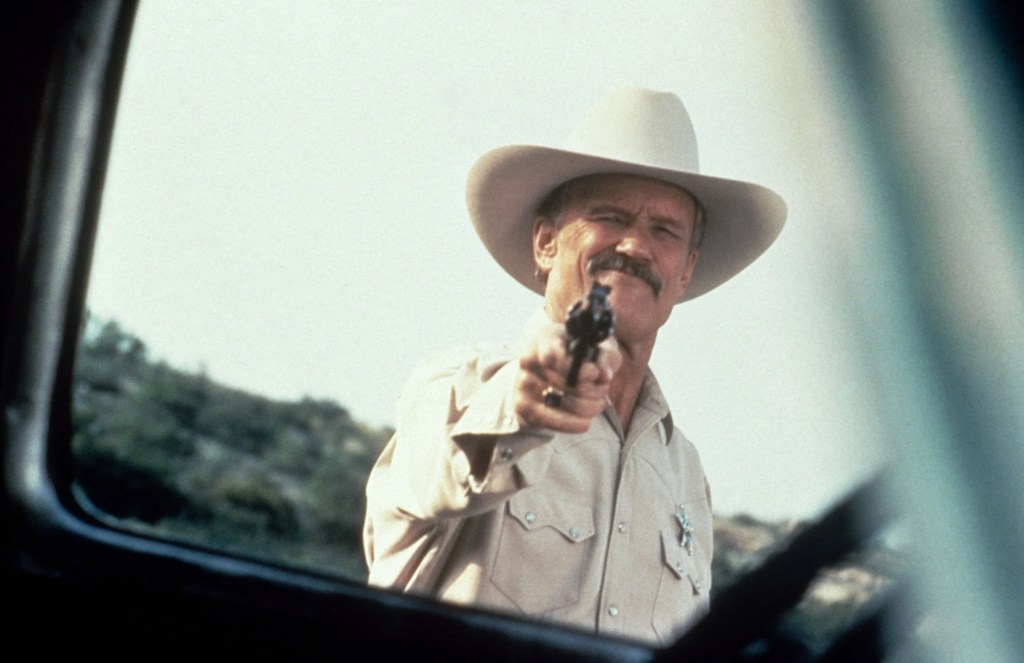
And, in this scenario, there is no Director’s Cut excuse. The ending wasn’t reshot for the re-issue. It had always been that way. I had just completely misremembered the ending.
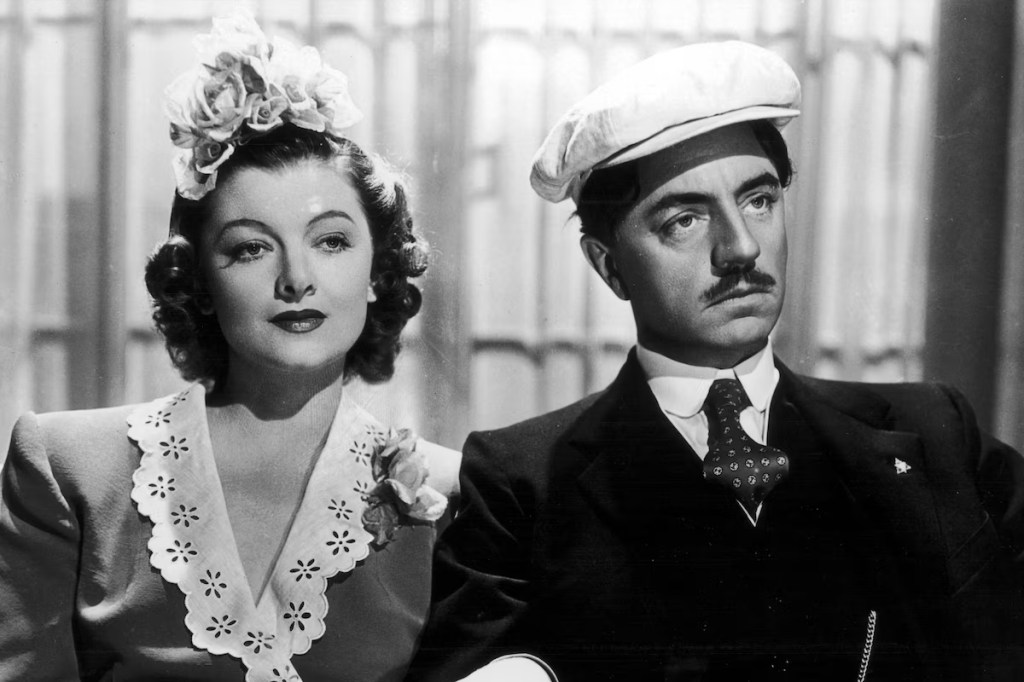
It’s not the only one. Years ago I stayed up very late to catch William Powell and Myrna Loy in I Love You, Again on a rare TV screening. One of the better comedies they starred in together, it’s a chaotic screwball mix of amnesia, devious scheming and, ultimately, love conquering all. I vividly remembered the final scene, as Loy, suddenly aware of the whole truth as to what’s been going on, storms into a room to sort out the plot. Only when I acquired the recent Warner Archive Blu-ray of the film, I realised that the version of the scene I had stored in my memory banks bore no relation to the one in the film. The location was different, she looked different. Yes, she swept in and resolved the plot with about four minutes left of the film’s runtime. But how I had remembered it happening was wrong.
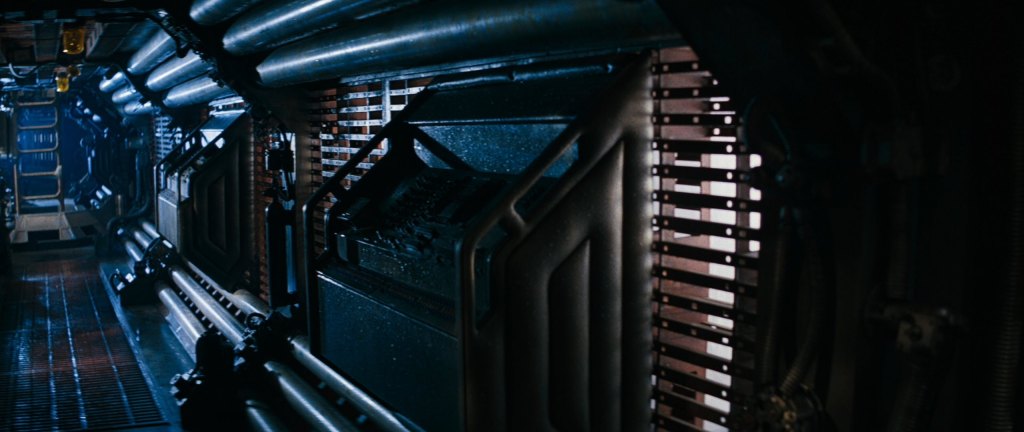
This mental decay has its advantages. Whenever possible, I always try and catch Alien on the big screen. Not only is it one of my favourite films, but every time I’ve watched it in a cinema I’ve seen a shot I’m convinced I’ve never seen before – an angle on a dark corner of the spaceship, an atmospheric establishing shot. It’s like a jolt of seeing something for the first time. Again. And horror films in general are a good genre to rewatch moments and realise they weren’t quite as they had seemed the previous time. The use of darkness and implication means it’s possible to end up thinking you’ve seen something grotesque when you haven’t – a misremembered dismembering, as it were.
I do wonder whether others have experienced films this way – to go back and realise that they had completely misremembered key moments. Alternatively, whether folk have seen alternate versions only, assuming them to be the definitive take. Either way, it’s quite fun to think there are films that you think you know, only for their true self to be rediscovered on a rewatch!
Click here for the previous link in the chain
Next link coming 25 September
 A Damn Fine Cup of Culture