Welcome to One Best Picture After Another – where I attempt to watch all the winners of the Academy Award for Best Picture, starting at the very beginning. And attempt to answer two simple questions – is the film still actually any good? And why did it win?
8/10
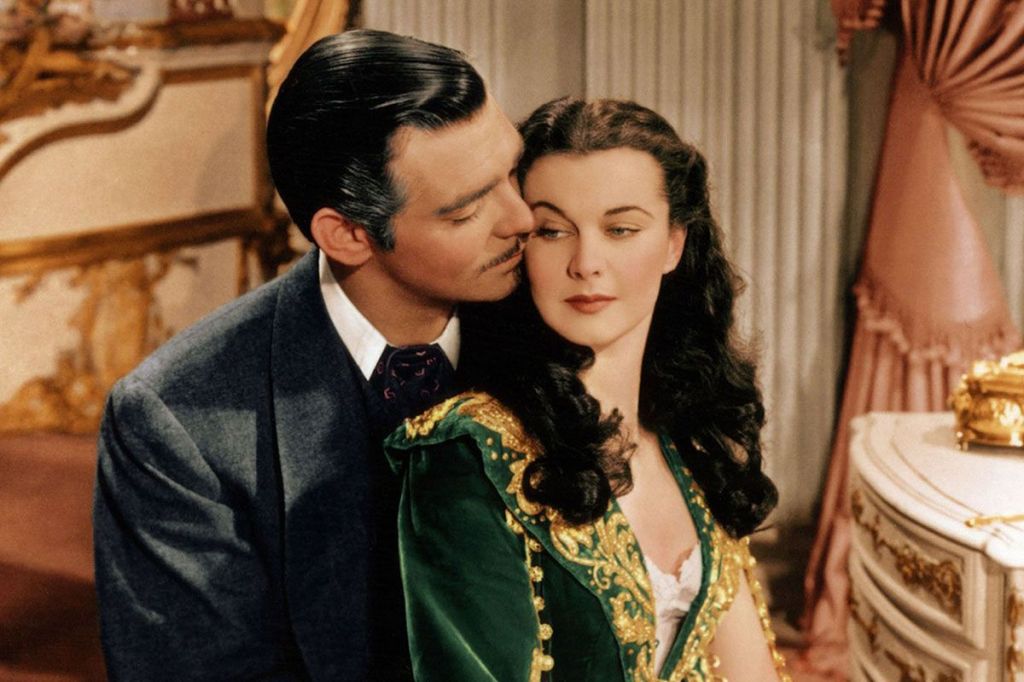
It speaks volumes about the vast cultural impact of Gone With The Wind that, when I was a kid, it still enjoyed some status as a reference point. We recognised the line “Frankly, my dear, I don’t give a damn”, even if we didn’t really know where it came from. This was over forty years after its release and yet it still had a popular legacy.
Despite all this, I did not actually see the film for quite a long time. Even when I got older and got into watching classic films, I never quite felt the pull to make me want to get the VHS, or later the DVD, of this film. It took until the 21st century, and a screening at London’s prestigious British Film Institute cinema for me to finally resolve to see it.
I’m glad I got to see this film first on the Big Screen, with all the bells and whistles of a fully restored version, treated like a grand cinematic event and with a proper intermission. It definitely feels like the way this film was meant to be experienced. A while back I wrote about seeing Breakfast At Tiffany’s for the first time on the big screen, and there was an obvious parallel. I mean, I knew the film had issues with racism – indeed the screening even put up a disclaimer when it started – but there’s still a sense of shock watching something that is so full of racist stereotypes and which buys so wholeheartedly into the myth that the Confederacy was the last great gallant society on Earth.
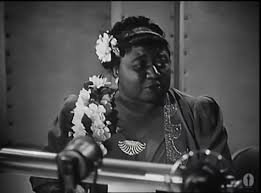
It’s easy to pretend that these issues were somehow acceptable back then – but this is a film that was made when the celebration of the Old South was a live political issue, inseparable from movements to enforce segregation, disenfranchise black voters and – as enshrined in Hollywood censorship – forbid interracial marriage. It’s tricky to watch Hattie McDaniel in this and not be reminded of the many voices who, at the time, criticised the character as a racist stereotype. It’s depressing that nearly a decade after the offensive Isiah in Cimarron, Prissy is arguably even worse here – are things moving backwards?
All this meant that after seeing it on the Big Screen, I was in no rush to rewatch it. Coming back again to it now, at least there isn’t the shock of the first watch. I think this makes it easier to compartmentalise this issue, and to look at the rest of the film as a film. I think anyone who gets into Classic Hollywood has to learn to compartmentalise the bigoted elements in many films, alongside the bigotry of the stars and the sheer poison in the industry that made this stuff. How much of an excuse is it really that there are far more racist films from this era out there? Does Hattie McDaniel’s success in her role mitigate the fact she was made to play such a stereotype? At some point classic Hollywood fans have to duck those questions to consider everything else in the film. The rest of this post will attempt to do that.
I think the first impression I had on this watch after having just reviewed all the earlier Best Picture winners is that it feels like a compendium of so many so far. At the time it must have felt like the perfect mix for a Best Picture winner. You’ve got a big budget being used to present a sense of scale, like Wings, All Quiet On The Western Front and the opening scenes of Cimarron. That last film alongside Cavalcade had presented stories told over a vast span of time, highlighting societal changes and their impact on the main characters. You’ve got the prestige that comes from it being a period drama like The Life Of Emile Zola and Mutiny On The Bounty – a format that has dominated the list of winners so far. You’ve got the same pretentious overture, entr’acte and exit music of The Great Ziegfeld. Finally you’ve got Clark Gable in his third Best Picture outing and, best of all, it made pots and pots and pots of money.
So in many respects, this film feels like an obvious winner fitting into all the winning trends set by earlier winners. But there’s one area where it’s unlike the earlier movies, but which is probably its strongest feature. The whole story is centred on one woman.
There’s been a few interesting female characters in previous winners, not least Joan Crawford in Grand Hotel but none of them have had the lead role. And none of them have played a character whose character evolution over the length of the film is the story we’re here to see. There’s an irony here given that the last eleven years of awards have covered a period where Hollywood made a lot of films with female central characters for the sizable female audience. Especially in the years before the Production Code brought in strict censorship, it was a central pillar of the industry, and the star power of Mae West, Barbara Stanwyck, Marlene Dietrich, Jean Harlow and many many others had been ignited by playing central female characters in a string of great films. But none of these successful woman played the main role in a film that came close to a Best Picture Oscar. Although the industry knew it had to make movies for the large audience of women out there, the Academy in this era was much less keen to reward it.
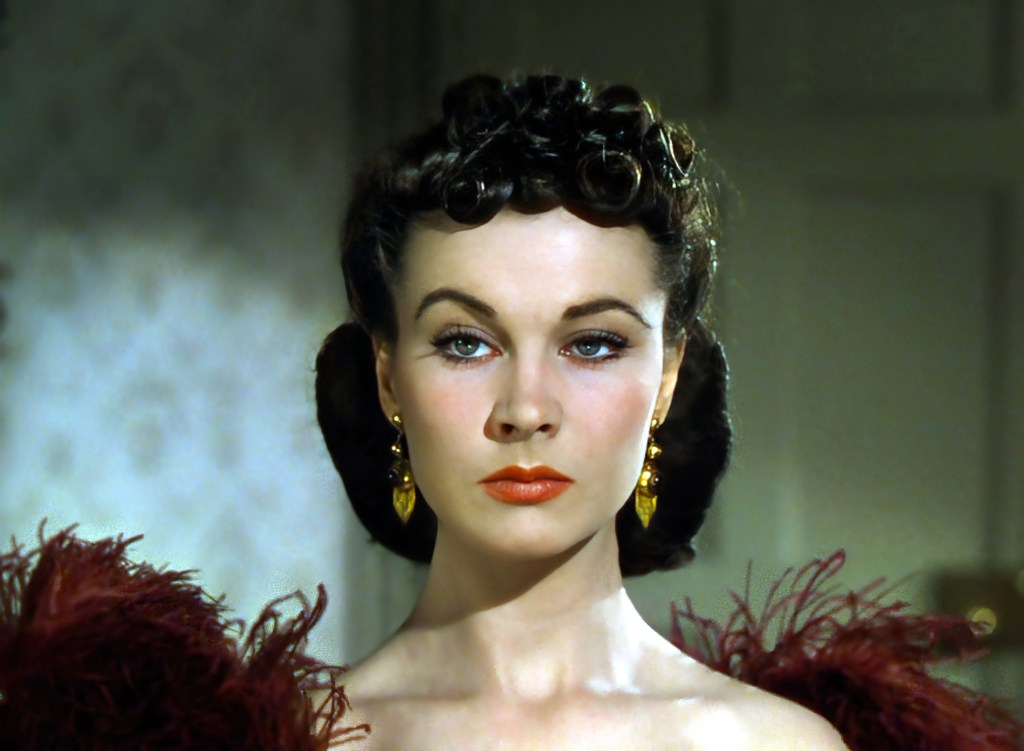
The fact that Scarlett O’Hara’s story is so central to the film means that the whole thing lives or dies on the strength of Vivien Leigh’s performance. And I really enjoyed it. I don’t think it would be at all easy to get through the three hours and forty four minutes of this film if you’re not engaged and invested in her performance. Her character arc is famous – from flighty teenager to heartbroken independent woman – but Leigh’s talent is to really sell it as all coming from the same woman. It’s also surprisingly satisfying that her journey isn’t really about becoming a sensible and redeemed character: all throughout the film she has striking moments of being selfish, moody and unreasonable.
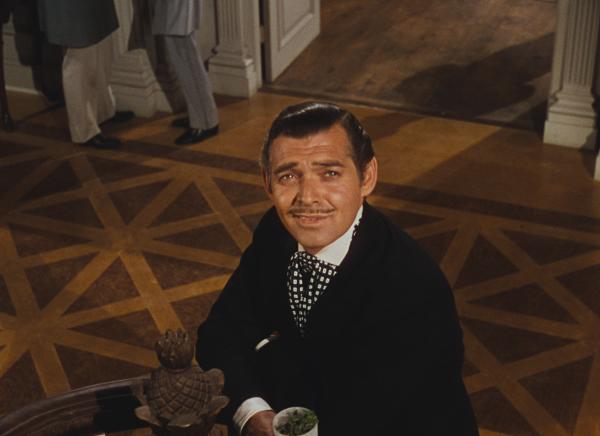
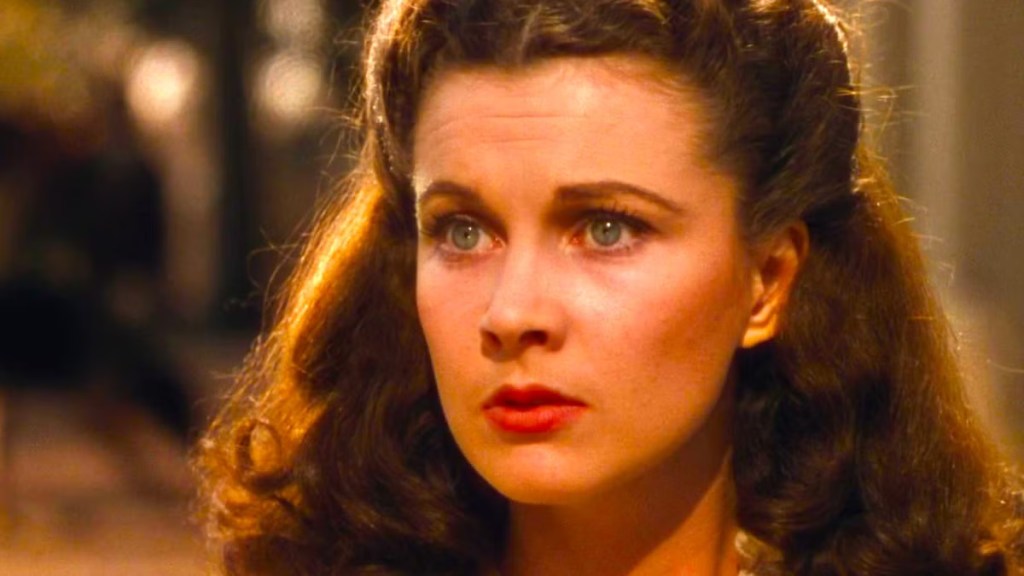
Clark Gable also delivers here. Yet again he’s playing a distinct character convincingly, while also being unmistakably Gable – which, I guess, is the mark of a Hollywood star for much of the Golden Age. He doesn’t have to cover the range that Leigh has, but his character has to tread a fine line between arrogant, smug and likeable, and he makes it look effortless.
It’s also a testament to the success of the script here that, both times I’ve watched this film, the fact it has a running time close to four hours has not felt like a burden. I get engrossed in the narrative and the melodrama of Scarlett’s supposed love for Ashley Wilkes, her hostility towards the saintly Melanie Hamilton and the developing relationship between her and Rhett Butler. The collapse of society around these characters and the impact it has on all the dynamics between them is brilliantly written – every new historical event drives the plot forward. So far on One Best Picture After Another, I’ve seen several films that tie the story being told to real-life historical events, but this is the only one that’s actually done it really well.
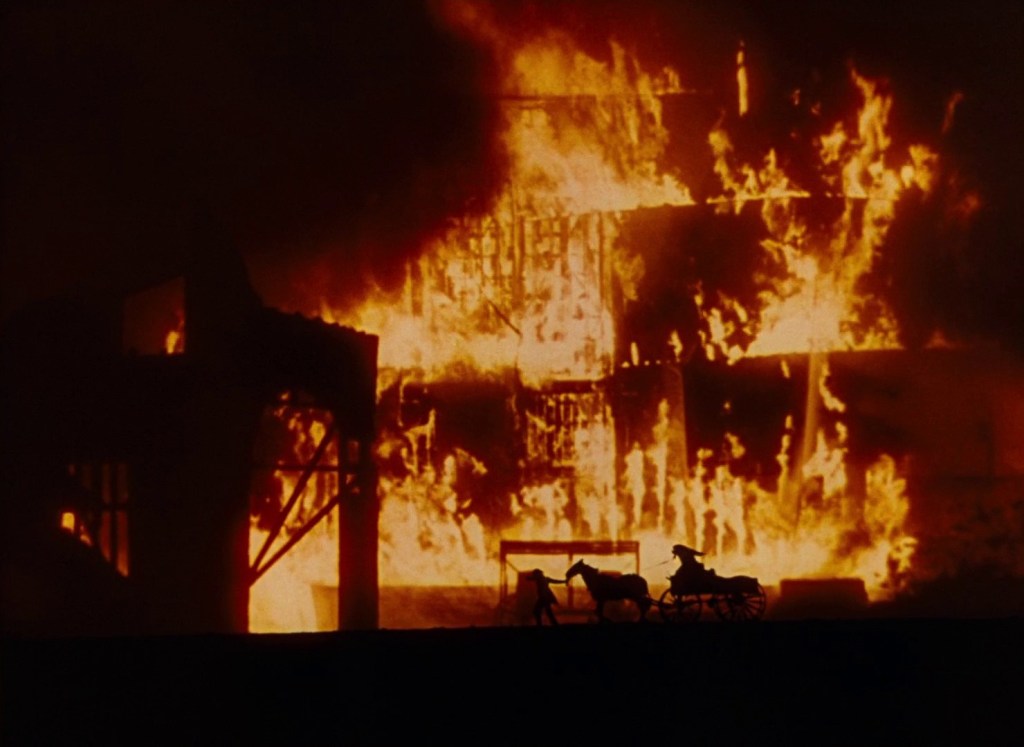
There’s an underrated skill in making an epic that feels like we’ve gone on a proper journey. Many films don’t really manage it, even with a wearying long runtime. Yet I felt I’d seen an epic by the time of the intermission, and that’s not even halfway through. The plot in the second half of the film is just as engaging and still feels suitably vast in its scope, including several twists I didn’t see coming on that first watch. Although I wish I had been warned about some of them, there’s a scene that’s intended to be tragic that made me burst out laughing when I first saw the film, causing three very angry women in front of me to turn round and scowl at me aggressively while trying not to cry. I was able to stay to the end, and so I caught the very satisfying ending: Rhett Butler’s final line may have become cliché, but it still has its power.
The Academy were never going to be able to ignore a success on this scale, both in terms of realising its ambition and in generating vast ticket sales. It is an incredibly impressive achievement that befits a memorable Academy Award winner. And yet given its strengths in so many areas I don’t think it has the cultural standing it had when I was young. In the end, embracing bigotry helped it enjoy huge success at the time. But this came at a price that has seen its legacy diminish since my youth. There are so many ingredients in this that could have put it in the top tier of untouchable Hollywood classics, frequently reshown and constantly talked about. But by making something that all too often feels like propaganda for a racist political worldview, none of those strengths will be able to prevent it becoming a movie that increasingly only really gets mentioned in books on film history. An academic footnote rather than an endlessly rewatched classic.
Best Picture 1938 “You Can’t Take It With You“
Best Picture 1940
 A Damn Fine Cup of Culture