Smiles of a Summer Night was going to be a tough one to follow. It’s an utterly delightful film: fun, sweet, poignant, well paced. Criterion was right to suggest it as the first film to watch on their Ingmar Bergman’s Cinema. Crisis (1946), by comparison, is clearly lesser Bergman: its story about an 18-year-old finding herself having to decide between her kindly foster mother and simple country life on the one hand and her more well-off biological mother and the big city is more predictable, its themes handled less interestingly, and its tones balanced less deftly. Crisis was Bergman’s first film as a director (he’d previously worked on scripts, first and foremost); it was based on a radio play by writer Leck Fischer, though Bergman wrote the adaptation for the screen.


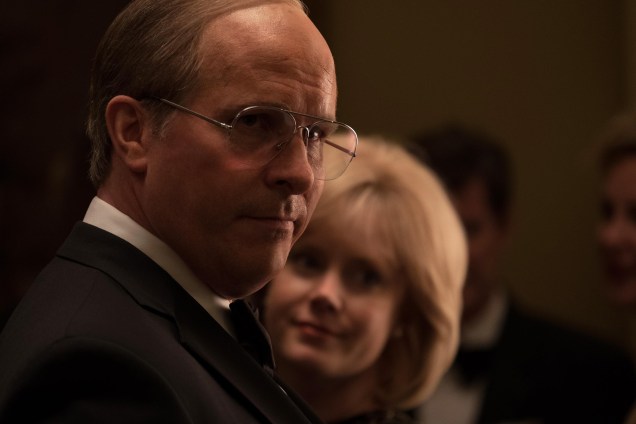 Vice is not a comedy. It’s not a drama either. It has platypus-like qualities, so it’s probably best to describe it as a mash-up of a Michael Moore style documentary and a bumpy farce with a very talented cast. It’s bumpy because it not only jumps around in time, attributes real footage of carpet bombing to Cheney’s daydreams, and suddenly lets fake credits roll at half-time, but also because it’s almost as eclectic as Adam McKay’s earlier opus





 A Damn Fine Cup of Culture