I was prepared not to be a big fan of The Shape of Water. It looked twee and self-indulgent, and several people whose tastes I trust were lukewarm on it at best. The Hellboy movies didn’t do much for me, nor did Pacific Rim – but worse, I’d never really warmed to Guillermo del Toro’s biggest critical darling, Pan’s Labyrinth. I liked Cronos and The Devil’s Backbone, and I have a clandestine soft spot for Blade 2‘s comic book operatics, but more often than not I’ve liked del Toro’s endearing enthusiasm and the aesthetics of his films more than the films themselves.
Imagine my surprise when I really enjoyed The Shape of Water.


 Remember Tonya Harding? She was that American ice-skater who bashed her opponent’s knee in with an iron rod, right? When was that? Late Eighties, no? What was the name of the other skater? Nancy… something. Hmmm. Nancy Kerrigan, yeah, that’s it. And that was just before the Olympics in Atlanta? Or Alberta?
  Frederick Wiseman has done it again. Two years ago, I wrote about
 Tune in for episode 7 of A Damn Fine Cup of Culture, most of which we spend with Moonee, Jancey, Halley and Bobby at the Magic Castle motel, discussing Sean Baker’s The Florida Project. We also stop by Charlotte, Tennessee for a quick chat about Logan Lucky and take a quick glimpse at the upcoming Academy Awards.

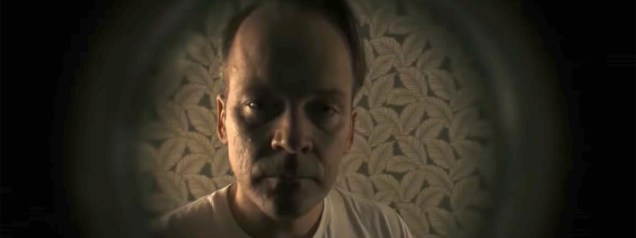 It’s somewhat surprising that Errol Morris’ Wormwood seems to be the first documentary to combine a cast with big names for the dramatic scenes with the traditional doc-staples of talking heads, collages, home movies and grainy photos. It’s a balancing act in more ways than one, and here, it seems to work, if only just. Wormwood is about the death of Frank Olson, who seemed to have fallen out of a 13th story hotel room window in New York and died on the sidewalk in his underwear. He was a CIA chemist who worked for the U.S. army and did research for biological warfare. For years, the story went like this: Olson, together with some of his workmates, was drugged with LSD in November 1953 for a new project about mind control, had a bad trip and finally committed suicide ten days later by leaping to his death. It was an accident, the CIA said, and they were sorry, and the Olson family got to meet President Johnson, who apologized for the tragedy, and the CIA promised to stop all mind-control projects, and that was that.
  A Damn Fine Cup of Culture