Each Friday we travel back in time, one year at a time, for a look at some of the cultural goodies that may appear closer than they really are in The Rear-View Mirror. Join us on our weekly journey into the past!
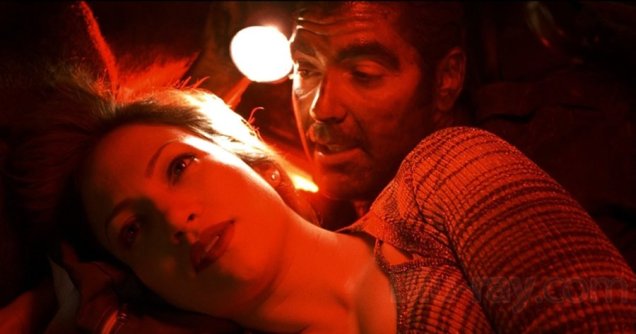
Car trunk shot, bare feet, vintage tunes, Samuel L. Jackson: Jackie Brown is clearly a Quentin Tarantino movie, there’s no doubt about that. At the same time, while all the telltale features are there, the film is an odd one out in Tarantino’s oeuvre. Where Tarantino’s movies often have a jittery, adolescent quality in their characters, language and use of violence, Jackie Brown feels like a more… is “mature” the word? … a more mellow film. Compared to the excesses of Reservoir Dogs, Kill Bill, Inglourious Basterds and Death Proof, there’s a grown-up quality (for lack of a better word) to Jackie Brown that is sadly underestimated by some of the director’s fans. At the same time, it would be a huge mistake to think that because of this Jackie Brown lacks the exuberance of Tarantino’s other films – and this is shown beautifully, in miniature, in the movie’s title sequence.

 Remember the 2014 movie
  In the November episode of the podcast, Mege and Matt are returning to the island of Utøya to take a look at Paul Greengrass’ filmic take on the massacre. How does Greengrass’ film compare to Erik Poppe’s interpretation (
 The maddening thing with most of Michael Moore’s documentaries is that at some point, he hurts his own line of argument, whether it’s an unnecessary digression or a small mistake. Moore’s oeuvre is certainly not there for comfort viewing, but I always feel restless watching something new of his because he seems to veer off at some point into the undergrowth. Remember how he quoted wrongly from the hull of a Lockheed bomber plane in Fahrenheit 9/11? He starts to build up his argument with footage, witness accounts and pictures that seem too good to be true, and then he commits a blunder that makes the movie lose steam – not all of it, but the story he wants to tell gets weaker, and the movie has a hard time recovering from it.


 We have been to the edge of the cinematic universe together more than once, haven’t we? We have pinched shut our noses against the stench and filth of Aleksey German’s Hard to be a God with its very own weird cinematic language and drab medieval sci-fi outlook on life. We have waded through the seven-hour long Satantango, Bela Tarr’s masterpiece, puzzled by the fact that we didn’t know what the hell was going on. Both movies might take huge liberties in storytelling: they seem to redefine or even abuse the notions we have of plot, story, or dialogue. German’s movies pretend that they have never heard of a reaction shot. There are whole takes that seem to go against anything that we seem to have learned about cinematic grammar, but no matter how shrewd or outlandish those movies might get, they still are – movies.

