A Damn Fine Cup of Culture Podcast #24: Psychopaths (1)

d1ad56da-abce-4afe-9f45-79294aede9e3From the Weimar Republic child murderer of Fritz Lang’s M (1931) via Reverend Harry Powell from the dark fairy tale The Night of the Hunter (1955) to Hitchcock’s seminal Psycho (1960) and its twitchy Norman Bates: what better way to celebrate summer with your cultural barristas than with a chat about some good, old-fashioned classic films with and about psychopaths?

We will return to the psycho well to discuss more modern movie psychopaths for our 25th episode, coming to your earbuds this August.
Continue reading

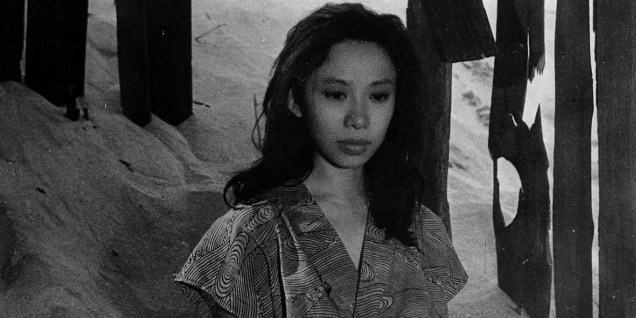
The Rear-View Mirror: Woman in the Dunes (1964)

Each Friday we travel back in time, one year at a time, for a look at some of the cultural goodies that may appear closer than they really are in The Rear-View Mirror. Join us on our weekly journey into the past!

There is that insect collector on holiday who misses his last bus home and so is stuck on that sandy beach, and then he climbs down into that pit where the young widow’s house stands and asks her if he can stay the night while the other locals pull up the ladder so the collector has to stay down there. He thinks he is going home the next day. The widow knows different. She has to shovel sand every night or her house will be filled with it.

Continue reading

What is the man in the moon afraid of?

Damien Chazelle likes protagonists who have one defining goal. They are driven and they are ready to sacrifice in order to achieve their goals. Their ambitions are jealous gods and don’t allow for any other gods beside them. Relationships? Happiness? Love? These take a backseat. Chazelle’s characters’ pursuit of excellence requires them to be singleminded. You don’t get there by being good at many things, you get there by being excellent at the one thing that gets you there. And there’s a price to singlemindedness.

Looking at it differently, you could also say this: Damien Chazelle’s protagonists are frightened, of their feelings and responsibilities – and if you want to run away, what better destination than the moon?

Continue reading

The Rear-View Mirror: For A Few Dollars More (1965)

Each Friday we travel back in time, one year at a time, for a look at some of the cultural goodies that may appear closer than they really are in The Rear-View Mirror. Join us on our weekly journey into the past!

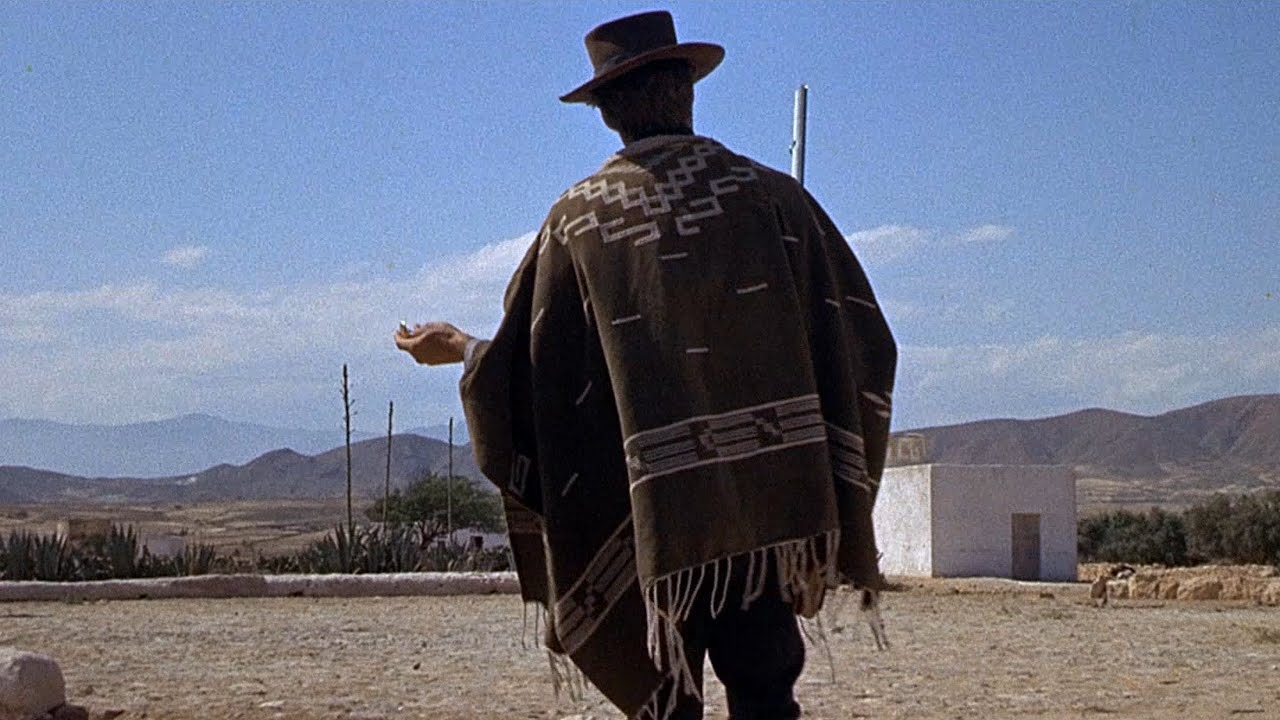
In the opening sequence of For A Few Dollars More, a man rides a horse along a canyon in long shot, while we hear musical whistling. A shot rings out, and the ant-sized man drops off his horse, dead. During the entire opening the man lays there, dead-on centre screen, while the credits roll.

ForAFewDollarsMore1
Continue reading

The Rear-View Mirror: The Good the Bad and the Ugly (1966)

Each Friday we travel back in time, one year at a time, for a look at some of the cultural goodies that may appear closer than they really are in The Rear-View Mirror. Join us on our weekly journey into the past!

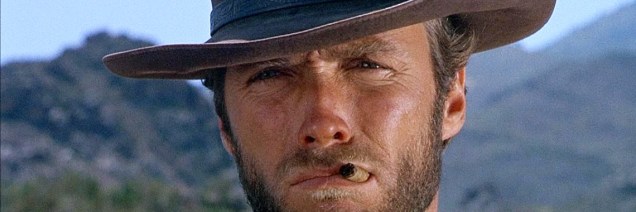
Please don’t think less of me, but my introduction to Westerns was Sergio Leone’s The Good, the Bad and the Ugly. Not only was the peak of the western genre, if not over by 1966, then at least in decline, but this one here also got not made anywhere near the New World, but mainly in Spain, and by an Italian. In a way, it’s a western twice removed, but it uses some set pieces and arrays them into a three-hour spectacle that seems to know exactly how much it can stretch any kind of suspense without actually reaching breaking point.

Continue reading

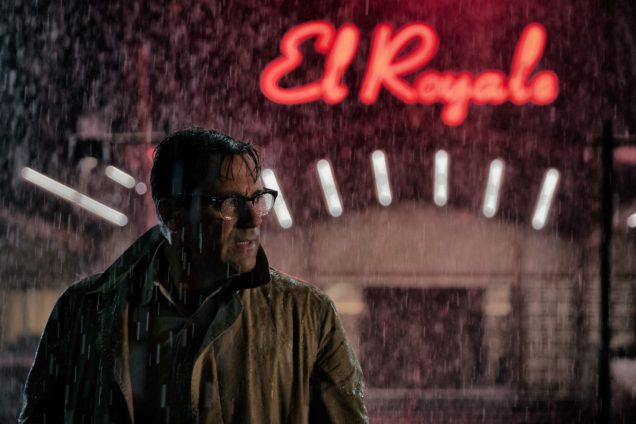
El Royale, Come Down in the World

I recently read an interview with a game designer. Among other things, she talked about how, in many computer games, your avatar is often in mortal peril, and how such a situation is not only an option, but the very point of many computer games. You might die, so your main goal is to survive. She called that the stress of dying. I am very much a non-gamer, but I know what she means. Although the drama of life vs. death, whether it be your avatar’s or any other character’s in a game, is higher in a potentially fatal scenario, it might take your attention away from the intriguing story, the elaborate graphics or the well-written characters themselves. Sometimes it’s about exploring and going places, about living in a new universe, not just surviving it. Or about admiring the craft. Continue reading
A Damn Fine Cup of Culture Podcast #23: The Lives of Others

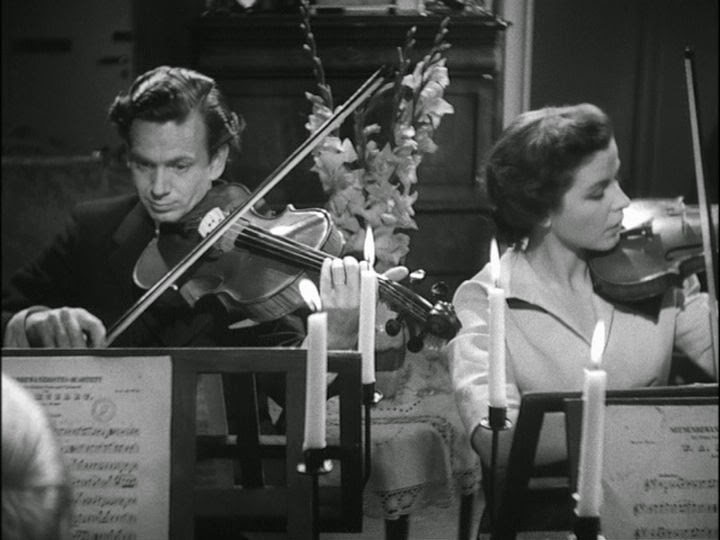
d1ad56da-abce-4afe-9f45-79294aede9e3For the June episode, join your cultural baristas as they discuss The Lives of Others (2006), the Academy Award-winning drama about East Germany in the 1980s, Stasi surveillance, the redemptive power of art and its tragic limitations. When not listening in to the artist couple in the apartment on the floor below, we also talk about Amazon Prime’s adaptation of the near-apocalypse, Good Omens, Béla Tarr equine mood piece The Turin Horse and Richard Powers’ 2003 novel The Time of Our Singing.
P.S.: In keeping with the thwarted surveillance motif, Matt’s recording equipment wasn’t quite up to the task this month. We apologise for any problems with the audio quality and promise to do better in July.

Continue reading

The Rear-View Mirror: Night of the Living Dead (1968)

Each Friday we travel back in time, one year at a time, for a look at some of the cultural goodies that may appear closer than they really are in The Rear-View Mirror. Join us on our weekly journey into the past!

So you’ve got zombie fatigue, too? I don’t blame you. Even my teenage daughter has given up quite a while ago on Rick Grimes and his merry gang (and resorted to vampires, but that’s a story for another night). Even the most ardent zombie fan has to admit that the survivors of a zombie apocalypse are much more dangerous than those slouching, moaning, shuffling undead. In a way, George A. Romero had it easy: when he made his Night of the Living Dead in 1968, zombies were not yet a (excuse the pun) recurring staple of horror movies. And indeed, Romero’s debut doesn’t even use the term.

Continue reading

The Rear-View Mirror: Butch Cassidy and the Sundance Kid (1969)

Each Friday we travel back in time, one year at a time, for a look at some of the cultural goodies that may appear closer than they really are in The Rear-View Mirror. Join us on our weekly journey into the past!

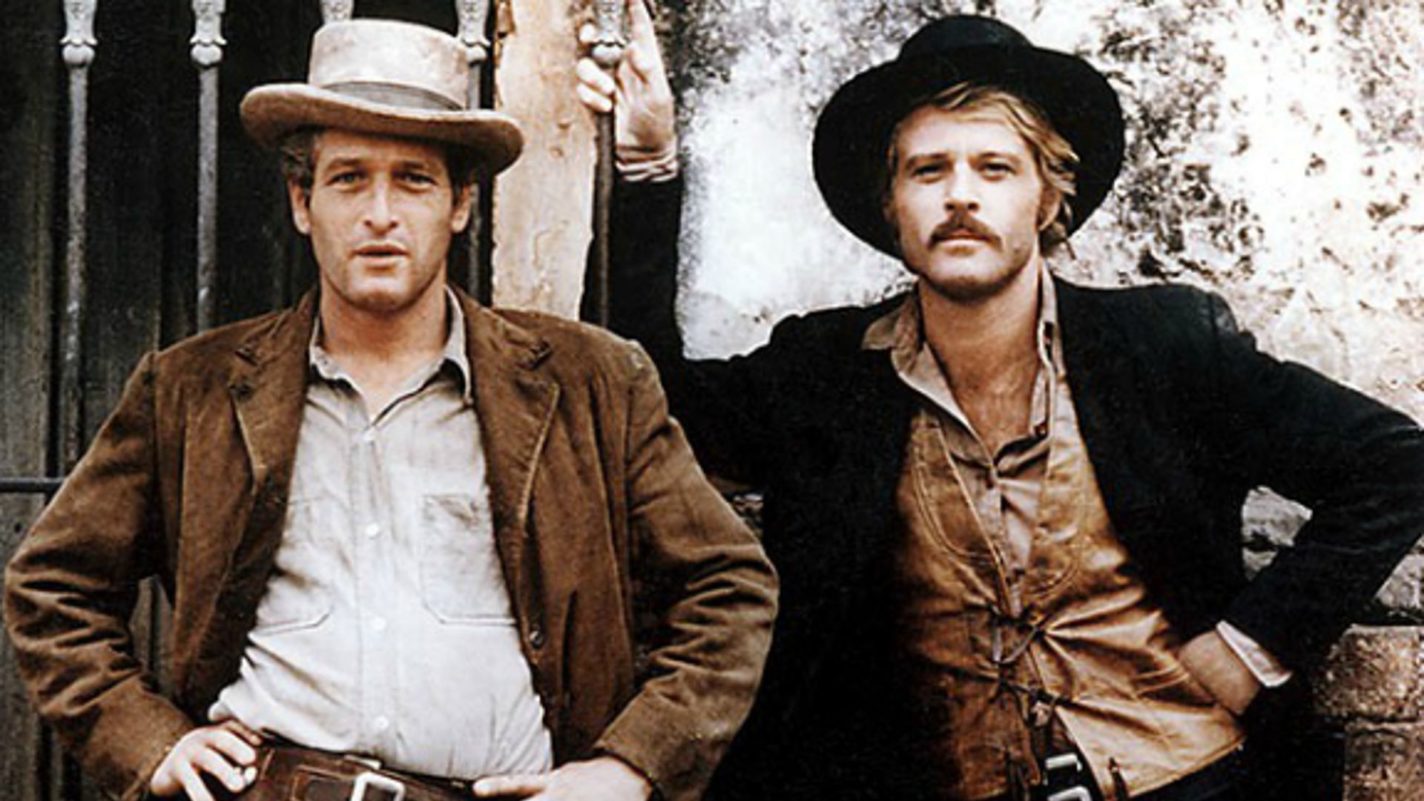
If there was alien life out there that had discovered a method to objectively measure charm and they used that to discover intelligent life in the universe, they would surely have discovered the Earth after the release of Butch Cassidy and the Sundance Kid in 1969, directed by George Roy Hill, written by William Goldman, but most importantly starring one of the greatest double acts in Hollywood history, Paul Newman and Robert Redford as the titular characters. The effortless chemistry between Newman and Redford, combined with Hill’s assured direction and Goldman’s wit, make the film a master class in ’60s cinema. There are few films that are as purely enjoyable as Butch Cassidy and the Sundance Kid.

Butch Cassidy and the Sundance Kid

Continue reading