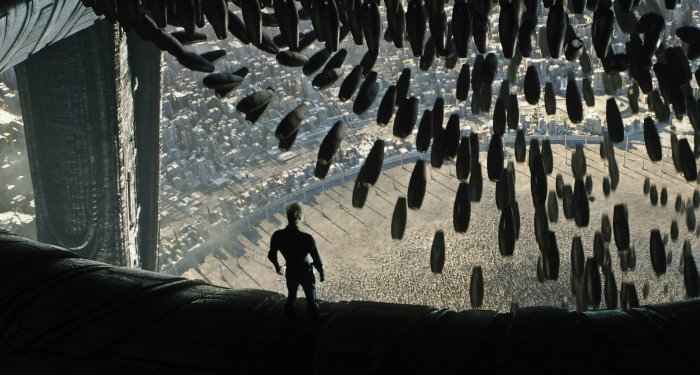
 Alien: Covenant is a notch better than Prometheus, maybe two, but it still leaves much to be desired. The main problem, for me anyway, lies not within the film, but outside it. My main complaint is this: I am no longer afraid of the Xenomorph and its many manifestations. Oh sure, I am going to lose my shit for a moment at a jump scare (they are named that way for a reason), but even facehuggers and new-born chestbursters don’t do it for me anymore. I might suffer from what Mr Thirith calls Alien fatigue. Continue reading
Uncategorized
We are family
In the past I’ve called Hirokazu Koreeda’s films “gentle”, which is perhaps a misleading term. It makes the director and his works sound soft and pleasant and, well, sort of nothingy. Which is giving both them and the adjective short shrift – these days especially, both on and off the screen, we could do with more gentleness. It also suggests that it’s easy to underestimate Koreeda and his films, because doing what he does – and, more importantly, doing it well – is exceedingly challenging. Koreeda’s films have an uplifting humanity that is sadly rare, not just in cinema.

The world is your blurry oyster
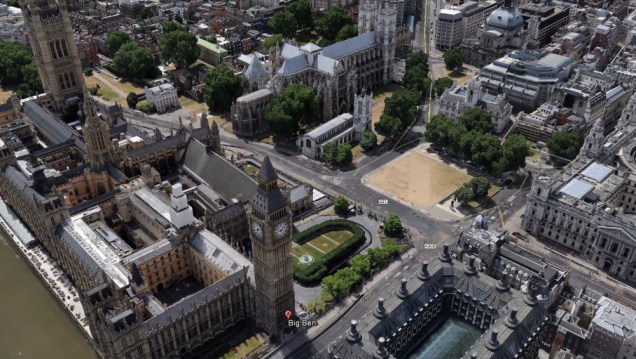
It’ll soon have been a year since I got my Oculus Rift and joined the small but growing ranks of people who don’t care how stupid they look wearing VR goggles. Even after all that time, and hours spent exploring a virtual reality that thankfully doesn’t look anything like The Lawnmower Man, the tech still can leave me awestruck, and the latest instance of this is when I finally checked out Google Earth VR (which doesn’t officially work with Oculus Rift, but hey, the internet isn’t just full of porn and cat videos, it’s also where you’re likely to find a solution for each and every one of your tech problems.)
One of the first things I did: I went home.
Okay, no: first thing I did was be a virtual tourist, as one does.
This is a test – but for whom?
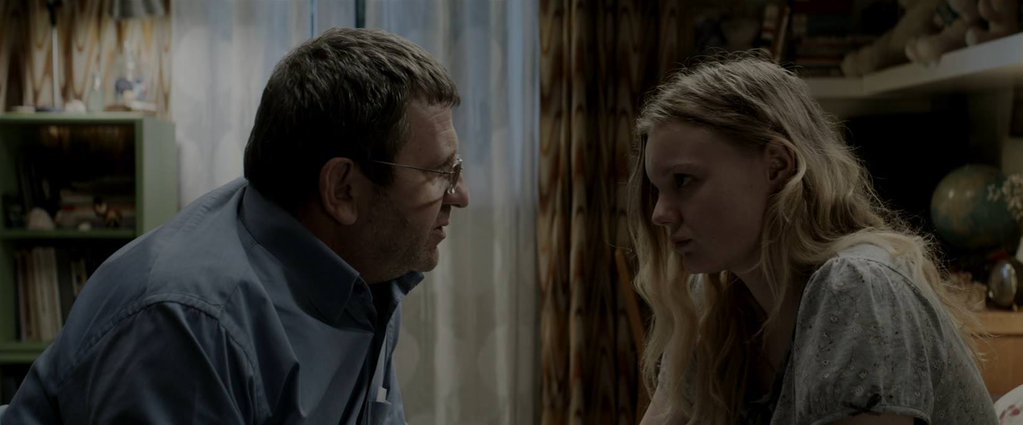 Cristian Mungiu’s Bacalaureat (2016) (or Graduation, as it is called in English-speaking countries) is firmly rooted in realism, but manages to turn some of its characters paranoid. Somewhere around the movie’s middle mark, I turned slightly paranoid, too. It’s entirely possible that this paranoia might be intentional, and that it might refer to the fact that this is a Romanian production, with its subtle hints to the Ceausescu regime which had the whole country in its grip until 1989, but it doesn’t have to be. We could also just witness a system that works with favoritism and secret handshakes, but the thing is: the favoritism in the movie, while not legitimate, does not increase the elite’s power, but helps single individuals overcome their problems. It’s a film about morals without wagging its finger at you. Continue reading
Here comes the Train again
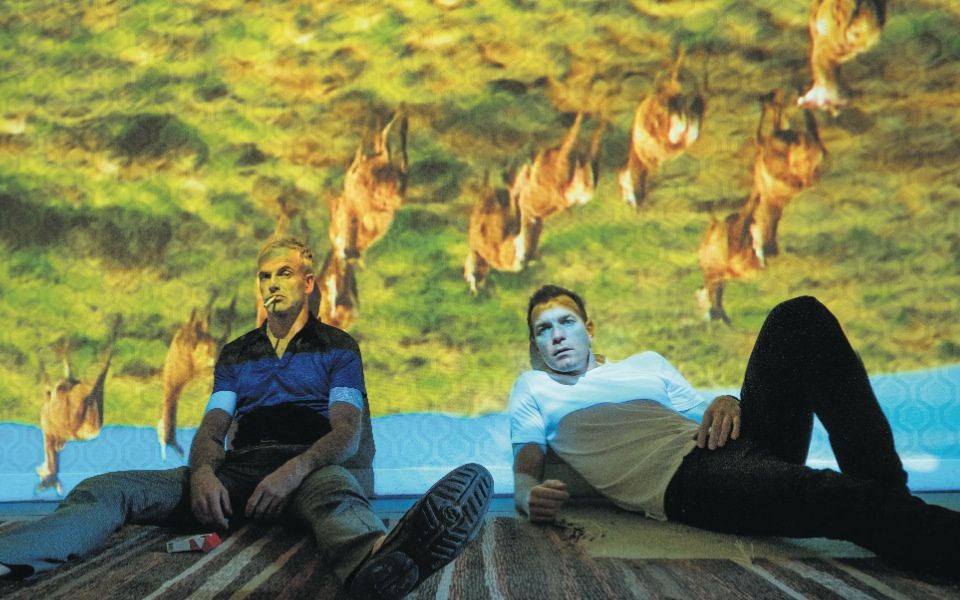 Why does Mark Renton return to Edinburgh 20 years later? I don’t know which reasons Irvine Welsh’s novels give, but Danny Boyle’s T2 Trainspotting lets us take our pick. I like that ambiguity – it keeps you guessing about the characters and about the story. Renton says he is here because his wife is going to divorce him. Could be, but we never see her. There is also the money he wants to give back to Sick Boy out of guilt. Sick Boy, still very blond, now runs his dead auntie’s run-down Leith pub and calls himself Simon. I have another theory: Renton simply remembers the best of times and the worst of times he had with Simon, Spud, Diane and maybe even Begbie, as depicted in the original Trainspotting (1996). Everything else since then wasn’t half as intense as those times 20 years ago, even if it almost killed him. Continue reading
They create worlds: Dishonored 2
One of the things that video games can do magnificently is create worlds. These posts are an occasional exploration of games that I love because of where they take me.
One thing that video games struggle with more often than not is giving their worlds a palpable sense of history. Sure, fantasy and sci-fi games are in love with convoluted lore, but that’s different from creating a world that feels old. We regularly play games where we traverse spaces that are ancient, from the titular tombs of Tomb Raider to the old temples of Star Wars: Knights of the Old Republic, but as impressive as these places are, more often than not they feel like movie sets, created for the purpose of acting as a cool backdrop to the game’s action. The signs of age, the water stains and crumbling pillars and fading tapestries, seem too consciously placed to be entirely convincing. Age seems a mere veneer, because in a virtual world there is no such thing as age. The ancient architecture was designed a couple of months or years ago at most and is being recreated for your enjoyment in every moment of the present. There is no such thing as an old polygon or texture.

One more last stand
 Old man Logan is weary and drunk and asleep in his car. He runs a one-car limousine service in New Mexico near the border, and some thugs are trying to steal his tyres. He gets out and shields his car with his body, using his precious faculties of self-healing for something as trivial as a limo. His suit is rumpled and dirty. He is one of the last mutants, and he lives in an abandoned factory in the desert and cares for a demented Professor Xavier who hides in a collapsed water tower nearby. Professor X is on heavy medication that makes him go woozy, but if he doesn’t take his pills, his brain, a weapon of mass destruction, will hurtle out of control eventually, and everyone around him gets paralyzed and can’t breathe. The professor is 90 years old. Logan is something like 220 years old. His wounds don’t heal as fast as they used to, and his scars don’t heal at all anymore. One of his blades doesn’t come out all the way, and he actually has to pull it out to the hilt with his other hand so that he can’t help but to cut himself in the process. Can you believe that? He suspects that the adamantium is slowly poisoning his body. Time is not on their side. Continue reading
The Sound of Silence
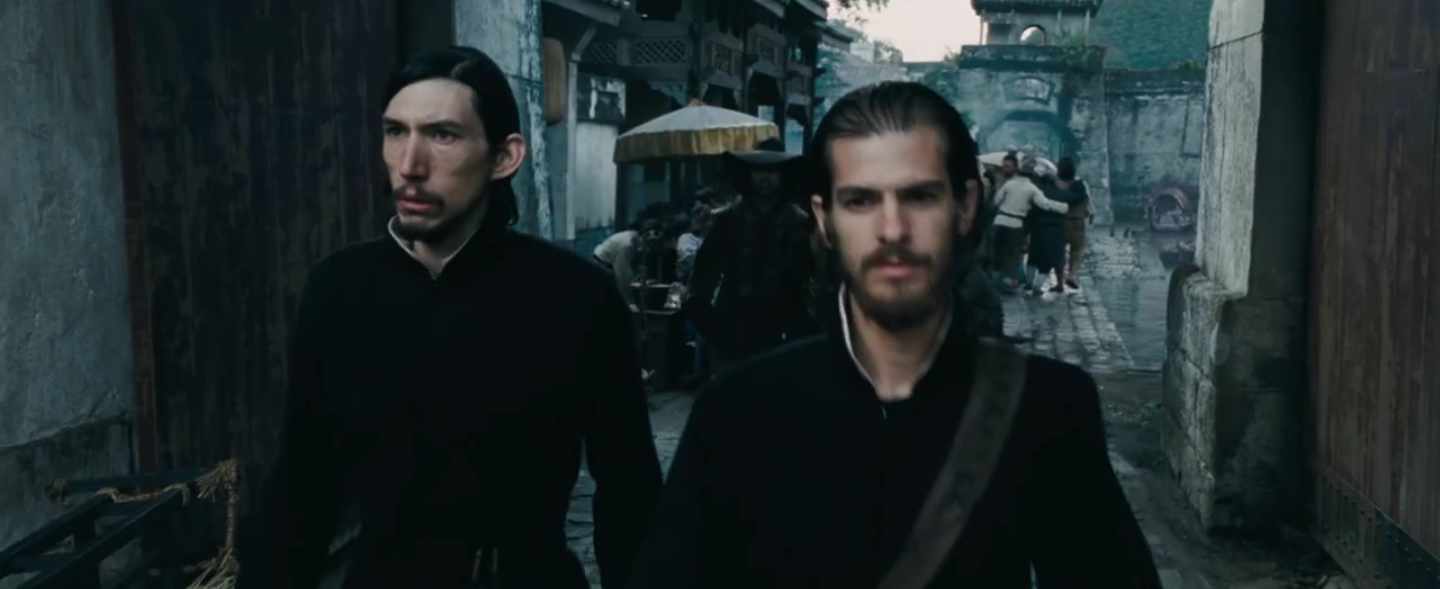 Silence is almost not a Scorsese movie. His camera watches from the middle distance; it doesn’t cut away, but keeps watching, standing still, but far from unmoved. There are no extra-long scenes, no musical cues, no freeze frames, no siren call for a life of crime. Every movement has its reason. This is a mostly quiet film. Nature sounds can be heard – the waves, the wind, footsteps, fire burning. There is some voiceover narration, and there are dialogues, all of them necessary, but silence is the point. The louder the movie gets, the more disquieting things are going on. Silence is not entertaining in any superficial way, but it’s definitely intriguing. Continue reading
Every dog has its movie
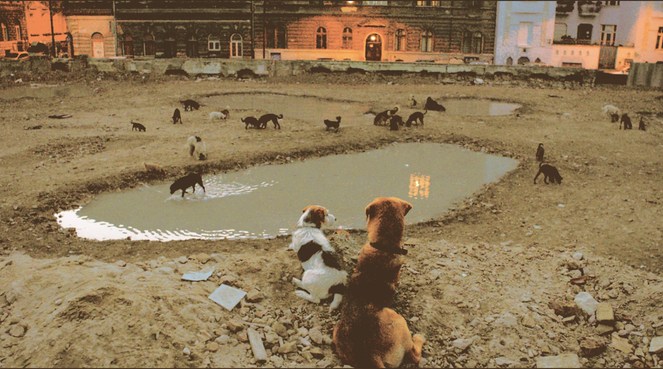 White God is a good movie, but it’s unnerving to get glimpses of an even better movie in there. All the ingredients for a better story are there, but somehow it gets lost on the way, and then still finds some sort of ending all the same, like a dog on its long way home. This might explain why there was once so much talk about it, and then it never even made it to the cinemas, at least not near here. And please note: dogs will seriously be harmed in this movie. Humans, too. Continue reading
How to manipulate time… and people
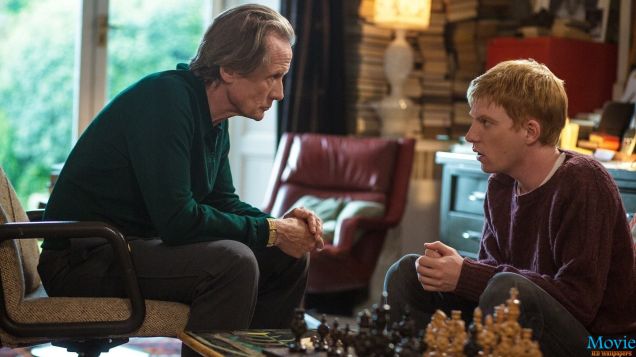
Richard Curtis, I’ll happily admit: your 2013 film About Time made me smile, laugh and shed a manly tear. Okay, not quite, but I found myself touched and moved. It also made me want to shout obscenities and throw things at the TV, and not in good ways: About Time can be witty in one scene and trite in the next, it has moments of poignancy and others that are saccharine, and it manages to come off both charmingly self-effacing and smug under the disguise of glib humility.
Perhaps it’s difficult to imagine how such an overtly inoffensive film could leave me so angry when I’d actually say that I enjoyed a lot of it. About Time is that most common of genres, the time-travel rom-dram-com, and the way it brings together its outlandish conceit may be one of the things I liked best – like all the men in his bloodline, the main character Tim (played by Domhnall Gleeson) can travel back in time within the limits of his own life, making changes as he sees fit. Why? Dunno. How? He just needs to go and stand in a dark cupboard, clench his fists and concentrate. In one of many lovely father-and-son scenes, Tim’s dad (Bill Nighy, as charmingly odd as ever) basically gives his son a Curtisian version of Looper’s diagrams-and-straws speech which boils down to this: shh, it’s silly, let’s have some fun with this, okay?
 A Damn Fine Cup of Culture