Welcome to Six Damn Fine Degrees. These instalments will be inspired by the idea of six degrees of separation in the loosest sense. The only rule: it connects – in some way – to the previous instalment. So come join us on our weekly foray into interconnectedness!
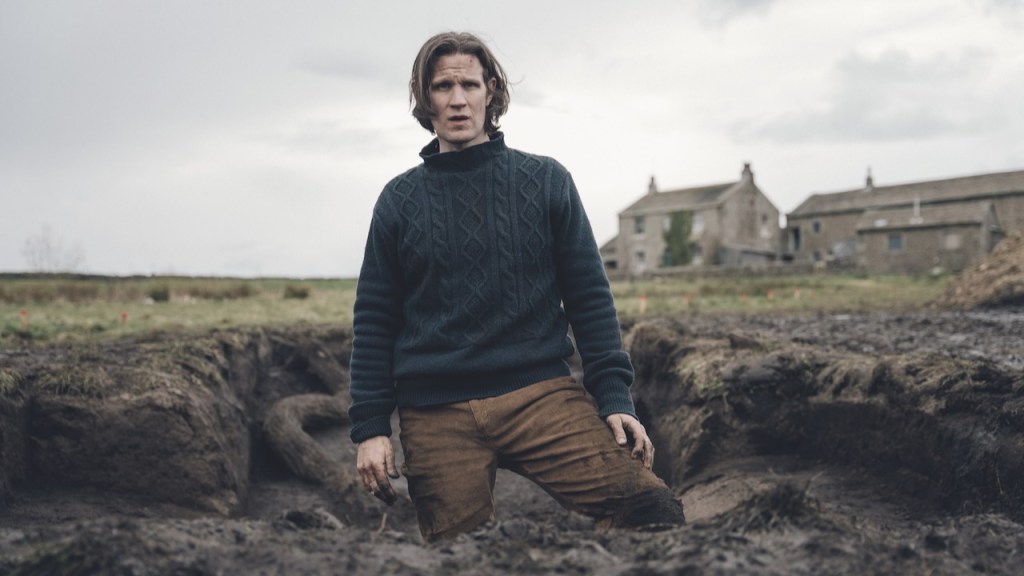
A world away from the urban landscape and its City Lightslies the genre of Folk Horror. But what is “folk horror”? One of the trickiest aspects of a discussion about any film genre is to pin down a good definition. I do rather like what Wikipedia succinctly offers on this score at the start of their entry on the subject:
“Folk horror is a subgenre of horror film and horror fiction that uses elements of folklore to invoke fear and foreboding.”
Join us every week for a trip into the weird and wonderful world of trailers. Whether it’s the first teaser for the latest instalment in your favourite franchise, an obscure preview for a strange indie darling, whether it’s good, bad, ugly or just plain weird – your favourite pop culture baristas are there to tell you what they think.
One of the things that video games can do magnificently is create worlds. These posts are an occasional exploration of games that I love because of where they take me.
In the 1980s and 1990s, video game adaptations of films and TV series were a staple of gaming – or, more precisely, they were a staple of bad gaming. Especially in the ’80s, a video game adaptation usually didn’t look, sound or play much like the movie it was adapting, other than a tinny, chiptune rendition of the main theme. (Sometimes we got lucky, as with Ghostbusters, which would shout a scratchy sampled “Ghostbusters!” and laugh maniacally at the player in the same scratchy voice.) And the gameplay? It’d just be a basic take on a genre that was easily imitated: the side-scrolling shoot’em up or the platformer. Those pixels looking faintly like a human being? They’re Arnold Schwarzenegger killing bad guys. That blocky car-looking thing? That’s your Ferrari Testarossa, you’re Sonny Crockett, and the other cars you’re pursuing in a crude top-down depiction of a city supposed to be Miami, they’re the drug dealers you’re trying to catch. ‘Drive’ your ‘car’ into their ‘cars’ and your score goes up. You’re living the life of a screen hero.
Welcome to Six Damn Fine Degrees. These instalments will be inspired by the idea of six degrees of separation in the loosest sense. The only rule: it connects – in some way – to the previous instalment. So come join us on our weekly foray into interconnectedness!
Join us every week for a trip into the weird and wonderful world of trailers. Whether it’s the first teaser for the latest instalment in your favourite franchise, an obscure preview for a strange indie darling, whether it’s good, bad, ugly or just plain weird – your favourite pop culture baristas are there to tell you what they think.
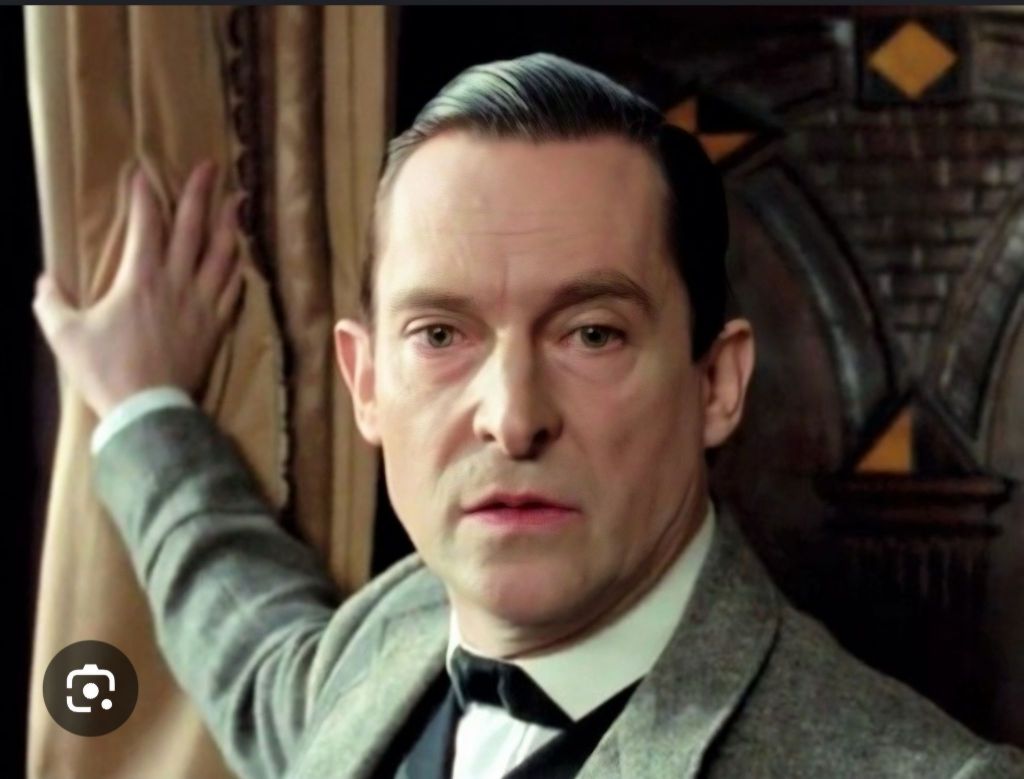
To many fans of detective fiction, he’s the greatest sleuth of them all: Arthur Conan Doyle’s Sherlock Holmes. He’s figured in many stories, novels, films, TV series and video games, to mention just a few of Mr Holmes’ exploits. He survived death by Reichenbach Falls, he appeared in the Victorian era and beyond, including adaptations in present-day England and America. And yet: to date, the greatest detective has only appeared on this site very, very rarely. Well, in the podcast episode we’re releasing today, this will be remedied, as Julie, Sam and Alan share their deductions about three cinematic takes on Sherlock Holmes: the 1939 film The Adventures of Sherlock Holmes starring Basil Rathbone, Nigel Bruce and Ida Lupino; Billy Wilder’s 1970 classic The Private Life of Sherlock Holmes, in which Robert Stephens and Colin Lively play the iconic Holmes and Watson; and the 1976 made-for-TV film Sherlock Holmes in New York, which has Roger Moore don the inauthentic yet iconic deerstalker – and John Huston take on the role of Holmes’ nemesis Moriarty. Which of these do justice to Sherlock Holmes? Which are worth watching, and which are better given a miss? Make sure to join our trio of pop culture baristas as they get out their magnifying glasses and investigate the case of Three Sherlocks. The game’s afoot!
And if you’d like to hear more about less-than-successful takes on Arthur Conan Doyle’s famous detective or indeed other iconic trios, make sure to check out these past episodes:
A Damn Fine Cup of Culture Christmas Special 2017, in which Damn Fine O.G.s Matt and Mege share their dismay at the final episode (to date) of BBC’s modern-day Sherlock (warning: this was our first attempt at podcasting, so the audio quality is… Victorian, one might say)
A Damn Fine Cup of Culture Podcast #73: Three Draculas, in which Julie, Sam and Matt talk about three takes on another classic figure of Victorian literature, though one more likely to drain your blood than solve your murder
Welcome to Six Damn Fine Degrees. These instalments will be inspired by the idea of six degrees of separation in the loosest sense. The only rule: it connects – in some way – to the previous instalment. So come join us on our weekly foray into interconnectedness!
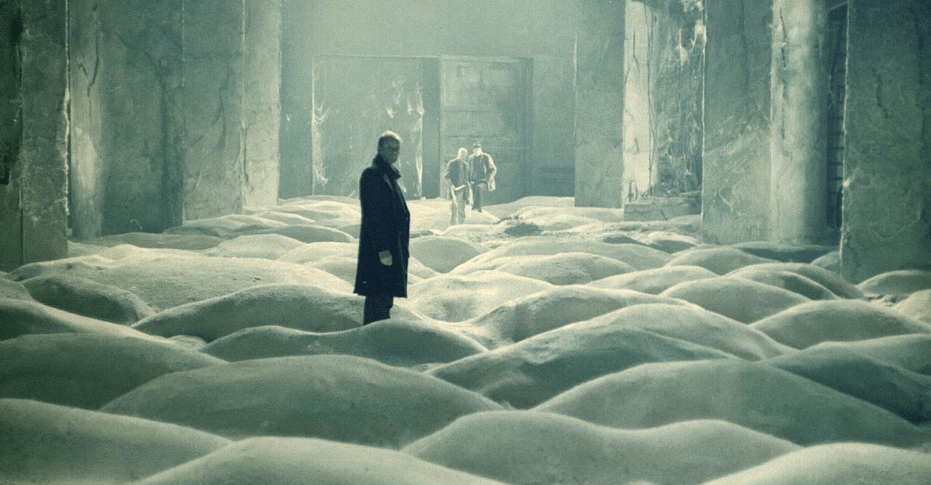
Key frame of Stalker (Copyright: Mosfilm)
As a Damn Fine Cup afficionado, you’ve probably already seen Andrei Tarkovsky’s Stalker (1979) or read the novel it’s based on, Roadside Picnic by the Strugatsky brothers, or both. You’ll probably have informed opinions on each of them. If you haven’t: sorry, there are spoilers coming.
Join us every week for a trip into the weird and wonderful world of trailers. Whether it’s the first teaser for the latest instalment in your favourite franchise, an obscure preview for a strange indie darling, whether it’s good, bad, ugly or just plain weird – your favourite pop culture baristas are there to tell you what they think.
They’re a beautiful family, the Paivas: father Rubens, mother Eunice, and their five children. They live in a nice house, they have nice friends, they obviously love each other. They enjoy days at the beach. Looking at their lives, you would almost not notice that they live in a military dictatorship – almost. They comfort each other when, after the kidnapping of the Swiss ambassador to Brazil, the country becomes more threatening – though the oldest daughter, Vera, is sent to London along with friends of the family. Just because you’re safe doesn’t mean you shouldn’t take precautions.
And then Rubens is arrested. And that is the last they’ll ever see of him.
Welcome to Six Damn Fine Degrees. These instalments will be inspired by the idea of six degrees of separation in the loosest sense. The only rule: it connects – in some way – to the previous instalment. So come join us on our weekly foray into interconnectedness!
Things start on a note of surprise, for something is already afoot.